 A Sleep Heavy guide
Weighted Blanket Sizes Explained: Finding the Right Weight for You
Choosing the right weighted blanket adhd support means matching weight and dimensions to your body and needs—here's how to get it right.
Choosing the right weighted blanket adhd support means matching weight and dimensions to your body and needs, here’s how to get it right. Whether you’re looking for sensory input during the day or deep sleep at night, size and weight are the two specs that make the biggest difference in results. This guide walks you through the selection process so you don’t end up with a blanket that’s too heavy, too light, or the wrong shape for your bed.
Understanding Weighted Blanket Adhd Weight Standards
The core rule is simple: your weighted blanket adhd weight should be roughly 10% of your body weight. This deep-pressure touch mimics a calming hug and engages the nervous system in ways that help with focus, anxiety, and sleep quality. For someone weighing 150 pounds, that’s around 15 pounds; for 200 pounds, aim for 20 pounds.
However, the 10% guideline isn’t absolute. Some people with ADHD respond better to lighter pressure (7-8% range), while others prefer heavier blankets (12% or more) for stronger sensory input. Research shows weighted blankets can help reduce hyperactivity and improve sleep in people with ADHD. Start conservatively, you can always add more weight later if needed.
Kids weighted blanket selection follows the same rule: calculate 10% of their body weight and round to the nearest whole number. A 60-pound child would use a 6-pound blanket. Never exceed the recommended weight for a child, as it can be uncomfortable or restrict movement.
Choosing the Right Weighted Blanket Size
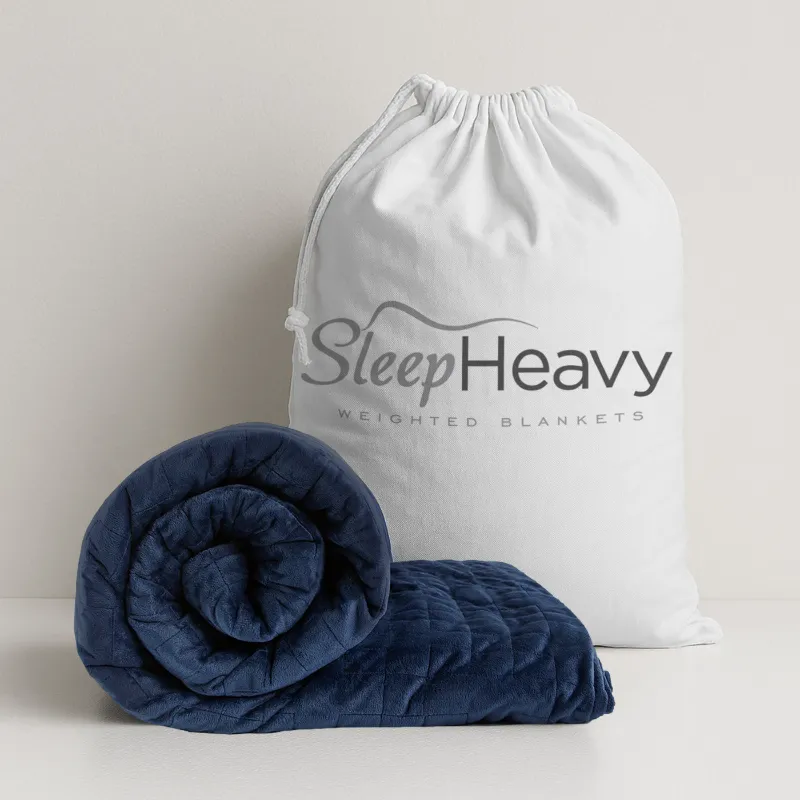
Beyond weight, you need to match blanket dimensions to your bed and body size. A weighted blanket size that’s too small won’t provide full-body coverage; one that’s too large becomes awkward to manage and can slide around.
Standard sizes break down like this:
| Bed Type | Blanket Size | Best For |
|---|---|---|
| Twin | 48″ x 72″ | Single sleepers, kids |
| Full/Queen | 60″ x 80″ | Couples, larger frames |
| King | 80″ x 90″ | King beds, very tall users |
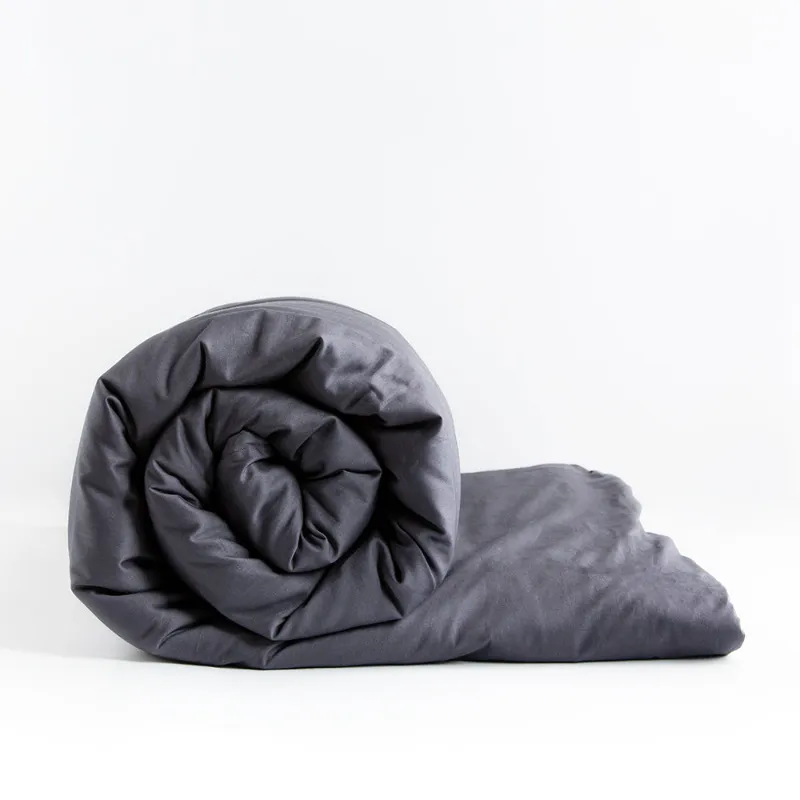
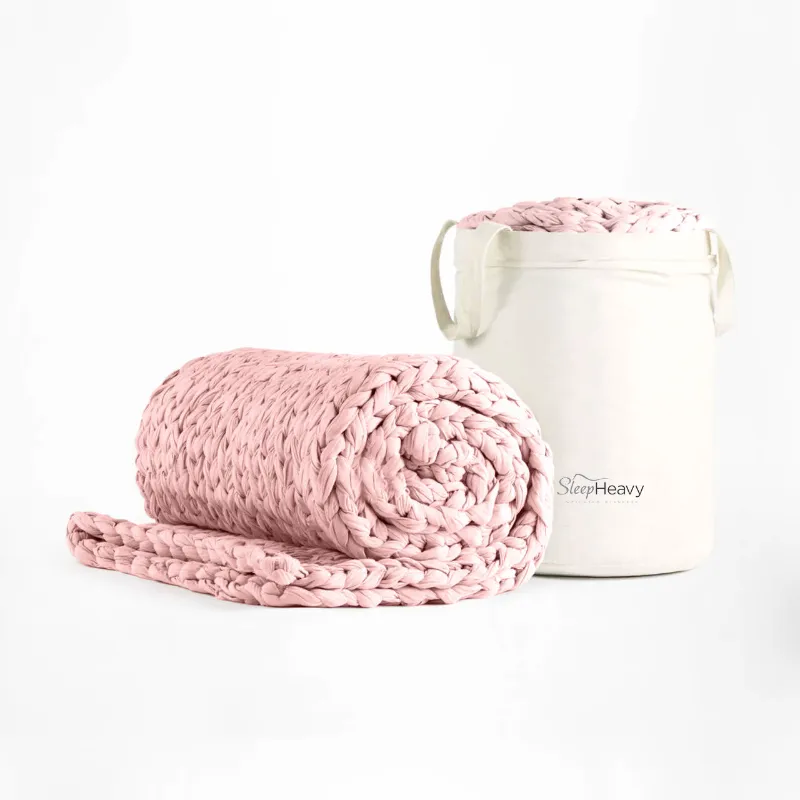
If you’re 5’10” or taller, a full-length (80-90″) blanket helps ensure your feet stay covered. For couches or daytime use, a smaller throw (48″ x 60″) works well. Many people buy a weighted blanket adhd-specific model in one size and a weighted pink blanket or complementary color in another size for different spaces.
Material Matters for Comfort and Care
The cover fabric shapes your experience. Cooling fabrics like cotton or bamboo work better if you tend to overheat; heavier fleece or weighted poly blends trap warmth for cold sleepers. A high-quality 19 momme mulberry silk pillow cover paired with your weighted blanket adds luxury and breathability, silk regulates temperature naturally and feels gentle against skin.
The fill inside determines durability and weight distribution. Glass beads provide even pressure and don’t shift as much as plastic pellets over time. Check whether the blanket is machine washable; many aren’t, so a removable, washable cover is essential for long-term use.
Does Weight Impact Weighted Blankets for Adhd and Anxiety Relief
Research on weighted blankets shows they can reduce cortisol and increase serotonin, both linked to anxiety relief and calmer focus. The mechanism works through deep-pressure stimulation, the blanket’s weight triggers a relaxation response similar to being held.
For ADHD specifically, the calming effect can help with:
- Reducing fidgeting and restless movement during the day
- Improving sleep onset and sleep quality at night
- Lowering sensory-seeking behavior in kids
- Easing anxiety that often co-occurs with ADHD
Best weighted blanket for adhd models emphasize even weight distribution and breathable covers to prevent overheating, which can interfere with sleep quality.
How to Use Your Weighted Blanket for Best Results
Start with 15-30 minutes per session to see how your body responds. Some people use their blanket only at bedtime; others benefit from daytime use during work or study sessions. Weighted blankets for adhd and anxiety work best as part of a routine, consistent use trains your nervous system to recognize the blanket as a cue for calm.
Don’t stack a weighted blanket under regular blankets; the additional weight and heat can become uncomfortable. Instead, use it as your top layer or on its own in warmer months. If you share a bed, consider a smaller personal blanket rather than trying to fit one large blanket for two people.
Temperature control matters. If you wake up too warm, switch to a breathable fabric or use the blanket only on your lower body. Some sleepers use a weighted blanket for the first hour to fall asleep, then remove it once they’re resting.
Who Benefits Most from Weighted Blankets
Kids weighted blanket adoption works well for children ages 4 and up, though start with a lighter weight (3-5 pounds) and monitor comfort. Children with autism, ADHD, anxiety, or sensory processing differences often show the most improvement.
Adults with ADHD see benefits both during stressful work and at bedtime. Weighted blankets also help people with:
- Insomnia or light, fragmented sleep
- Anxiety or panic disorder
- Restless leg syndrome
- Autism spectrum traits
- General stress and tension
If you’re unsure whether a weighted blanket is right for you, check the latest price and take advantage of Sleep Heavy’s return policy to test one risk-free. Many retailers offer a trial period, use it to decide.
Getting Started: Shopping and Maintenance
Once you’ve calculated your ideal weight and size, look for blankets that clearly state materials, weight distribution method, and washability. Grab the code for 10% off sitewide to lower your entry cost.
Care extends blanket life. Wash removable covers weekly; wash the blanket itself every 1-2 months or per manufacturer instructions. Air dry when possible to preserve stitching and fill integrity. Store in a cool, dry place to prevent mildew.
Investing in the right weighted blanket adhd support takes a few minutes of math but pays off in weeks of better focus, calmer sleep, and a more regulated nervous system.
Products in this guide
 Shopping at Sleep Heavy? See the discount code
10% OFF Sitewide
Shopping at Sleep Heavy? See the discount code
10% OFF Sitewide