 A Sleep Heavy guide
Does a Weighted Blanket Really Help with ADHD? What We Found
A weighted blanket adhd solution works by activating pressure-based calming, which helps many people with ADHD fall asleep faster and stay asleep longer.
A weighted blanket adhd solution works by applying gentle, even pressure across your body, which many people find calming and sleep-promoting. Here’s what to know and how to pick the right one for you.
How a Weighted Blanket Helps with ADHD Symptoms
The logic behind weighted blankets for ADHD centers on deep pressure stimulation, a technique that activates your parasympathetic nervous system. This is the part of your body that tells you to relax and wind down. When pressure is applied evenly across your body, your cortisol levels drop and your melatonin production increases, which signals your brain that it’s time to sleep.
Research backs this up. Studies on weighted blankets and ADHD show that many people experience shorter time falling asleep and fewer night wakings. The catch is that not every weighted blanket works the same way, and the right weight and size matter more than you’d think.
People with ADHD often struggle with:
- Racing thoughts when lying down
- Difficulty staying in bed or finding a comfortable position
- Restless leg syndrome or fidgeting under covers
- Anxiety that spikes at bedtime
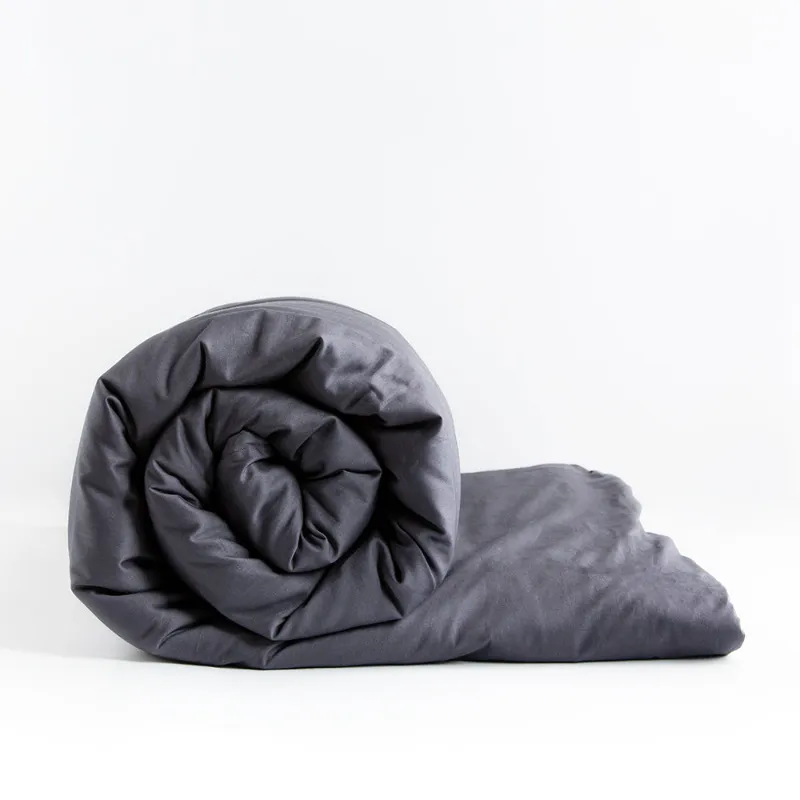
A weighted blanket adhd can address all of these by creating a cocoon-like sensation that redirects mental energy into physical awareness, helping your brain wind down instead of spiral.
Choosing the Right Weight and Size
The most common mistake is buying a blanket that’s too light. Most experts recommend 10 percent of your body weight as a starting point, but many people with ADHD need closer to 15 percent to feel the full calming effect.
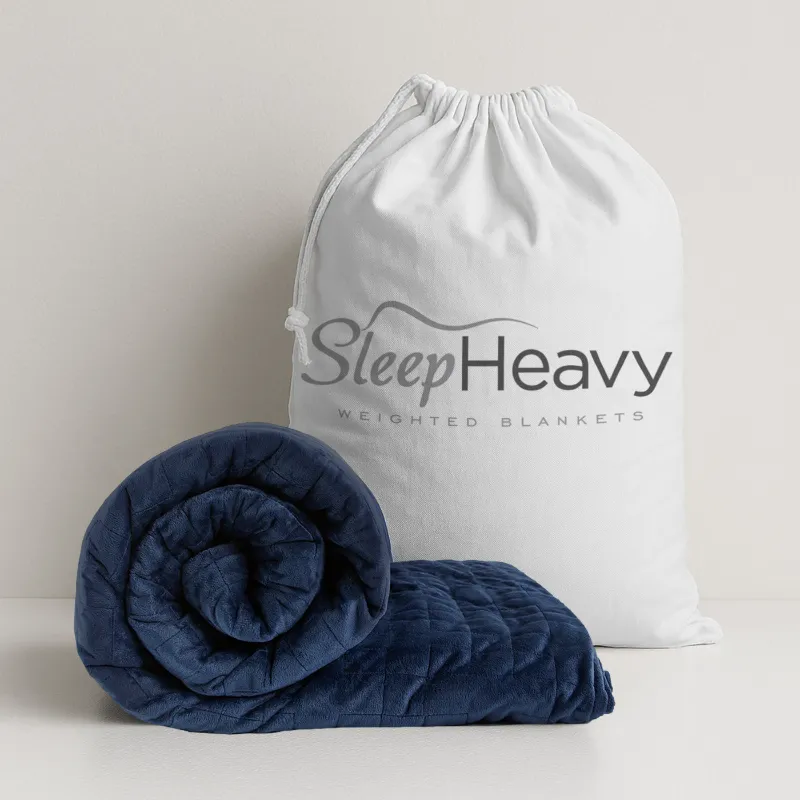
When picking a weighted blanket size, measure your mattress and consider whether you sleep alone or share a bed. A queen-size blanket works for most sleepers, but a twin may leave parts of your body uncovered, which breaks the pressure effect. If you’re on the taller side, look for a longer cut.
Weight and size combinations to consider:
| Body Weight | Recommended Blanket Weight | Best Size |
|---|---|---|
| 100 to 150 lbs | 10 to 20 lbs | Twin or Full |
| 150 to 200 lbs | 15 to 25 lbs | Full or Queen |
| 200+ lbs | 20 to 30 lbs | Queen or King |
If you’re unsure, start at the lower end and move up. Too heavy can feel restrictive instead of soothing, especially if you have sensory sensitivities. Check the latest price and size options at Sleep Heavy to find what fits your frame.
Material Quality Matters for Comfort
The outer cover and filling both affect how long you’ll actually want to use the blanket. Cheap polyester covers trap heat and feel plasticky, which defeats the purpose of a calming tool. You spend 6 to 10 hours under this blanket, so the feel matters.

A high-quality cover like the 19 momme mulberry silk pillow cover won’t make you overheat, and mulberry silk is hypoallergenic and softer than cotton. If you don’t need silk, a dense cotton cover works well and is easier to wash.
Inside, glass or plastic beads are the standard. Glass beads are quieter and distribute weight more evenly, while plastic beads are cheaper but noisier. For ADHD brains that are already overstimulated, a quiet blanket is often the better choice.
Weighted Blankets for Different Sleep Styles
Not all weighted blankets work for all sleepers. Side sleepers sometimes find the weight shifts away from their body, reducing the calming effect. Back sleepers usually get the most benefit because pressure is distributed evenly.
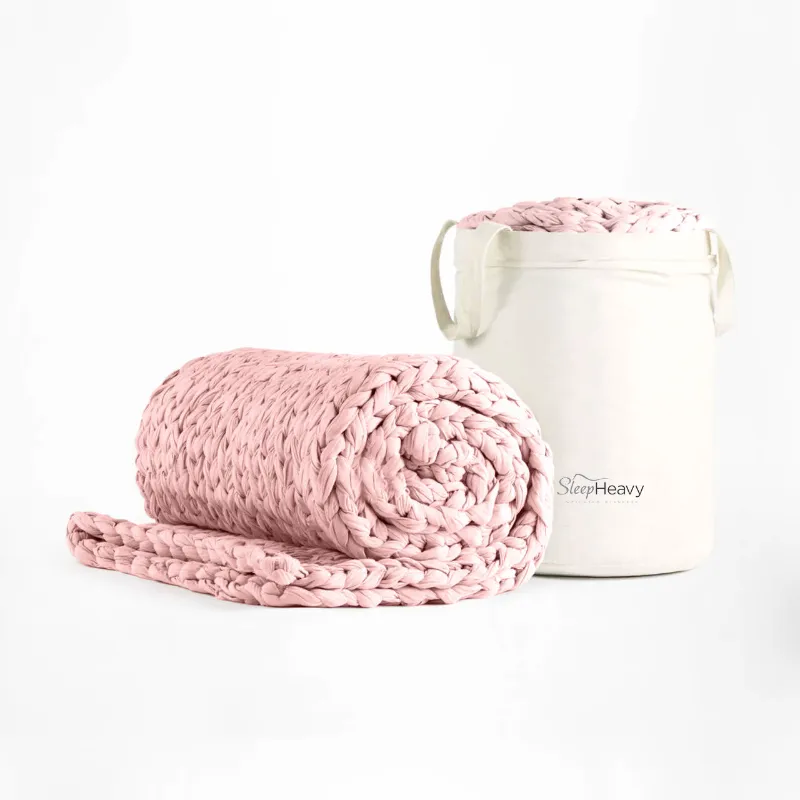
Hot sleepers should avoid heavy covers and opt for breathable cotton or linen. The weighted pink blanket comes in lighter, summer-friendly versions if heat is a problem for you.
If you share a bed, a weighted blanket can sometimes feel restrictive to your partner. Some couples buy separate weighted blankets or use one on top of the regular comforter so it’s easy to remove.
Best Weighted Blanket for ADHD: What to Test First
Before committing to a full-size weighted blanket, consider starting with a lap blanket or throw size. These let you test whether the pressure actually calms you without the cost of a bed-size version.
The research on weighted blankets and ADHD is growing. Studies published in peer-reviewed journals show consistent improvement in sleep quality for people with ADHD, though results vary by individual. Some people feel the effect within a week; others take a month to adjust.
Set a realistic expectation: a weighted blanket is a tool, not a cure. It works best paired with sleep hygiene habits like a consistent bedtime and a dark room. If you also take ADHD medication or use other strategies, the blanket adds to that foundation.
Are Weighted Blankets Good for ADHD and Anxiety
Yes, weighted blankets are good for both ADHD and anxiety because they activate the same calming pathways. People with ADHD often have comorbid anxiety, so a single tool that addresses both is particularly useful.
The deep pressure triggers your body’s natural relaxation response, lowering your heart rate and reducing the mental chatter that keeps you awake. Many users report that their racing thoughts quiet down within 10 to 15 minutes of settling under the blanket.
If anxiety is keeping you from sleep, grab the code for 10% off and try a weighted blanket as part of your wind-down routine. Layer it over your regular comforter for easier temperature control, or use it alone in warmer months.
Kids Weighted Blanket and Special Populations
Parents often ask whether a kids weighted blanket is safe. The answer is yes, but the weight should be even lighter. A child should use a blanket that’s no more than 10 percent of their body weight, and always supervise young children under age 5 to ensure they can move the blanket easily.
Children with ADHD often benefit more visibly from weighted blankets than adults because their nervous systems are still developing and more responsive to input. Experiences of using weighted blankets among children with autism and ADHD show improved sleep onset and fewer nighttime awakenings.
If you’re buying for a child or teenager, measure them carefully and choose a size they can handle independently. A full-size queen-weight blanket may be too much for a 10-year-old, even if their body weight suggests otherwise.
How to Care for Your Weighted Blanket
Weighted blankets are heavier than regular comforters, so washing requires a bit more planning. Most can go in the machine on a gentle cycle with cool water, but check the care tag first. Glass bead fillings are durable and won’t shift or break in the wash.
Dry on low heat or air dry to avoid damaging the cover. If your blanket is over 20 pounds, a laundromat’s commercial washer makes the job easier. Spot-clean spills between washes to keep it fresh.
Store your blanket flat or rolled loosely to avoid stress on the seams. Never force it into a small bag; the weight can strain the stitching and cause beads to leak over time.
Questions
Does a weighted blanket actually help with ADHD?
Yes, many people with ADHD report faster sleep onset and fewer nighttime awakenings with a weighted blanket. The deep pressure activates your parasympathetic nervous system, which calms racing thoughts and anxiety. Individual results vary, but research supports the benefit for most users.
What weight weighted blanket adhd should I buy?
Start with 10 percent of your body weight and go up to 15 percent if you need more pressure. A 150-pound person typically does well with a 15- to 20-pound blanket. If it feels too restrictive, size down.
Can kids use a weighted blanket for ADHD?
Yes, kids weighted blankets are safe and often very effective for children with ADHD. Choose a weight no more than 10 percent of their body weight and supervise young children under age 5 to ensure they can move the blanket freely.
Is a weighted blanket good for both ADHD and anxiety?
Yes, weighted blankets work for both because they use the same calming mechanism: deep pressure stimulation. People with ADHD and comorbid anxiety often see the most benefit from a single blanket.
How long does it take for a weighted blanket to work?
Some people feel the calming effect within a week, while others need 2 to 4 weeks to adjust. Start by using it 30 minutes before bed and gradually increase to all night as your body adapts.
What material should I look for in a weighted blanket?
Look for a breathable cotton or silk cover and glass bead filling. These materials distribute weight evenly, stay quiet, and don't trap heat. Mulberry silk covers are premium but softer and hypoallergenic.
Products in this guide
Shopping at Sleep Heavy? See the discount code
10% OFF Sitewide