 A Amekana guide
What to Wear Under a Skirt Armor Piece
Skirt armour layering depends on whether you're gearing up for combat, cosplay, or fantasy fashion—here's how to choose the right base pieces.
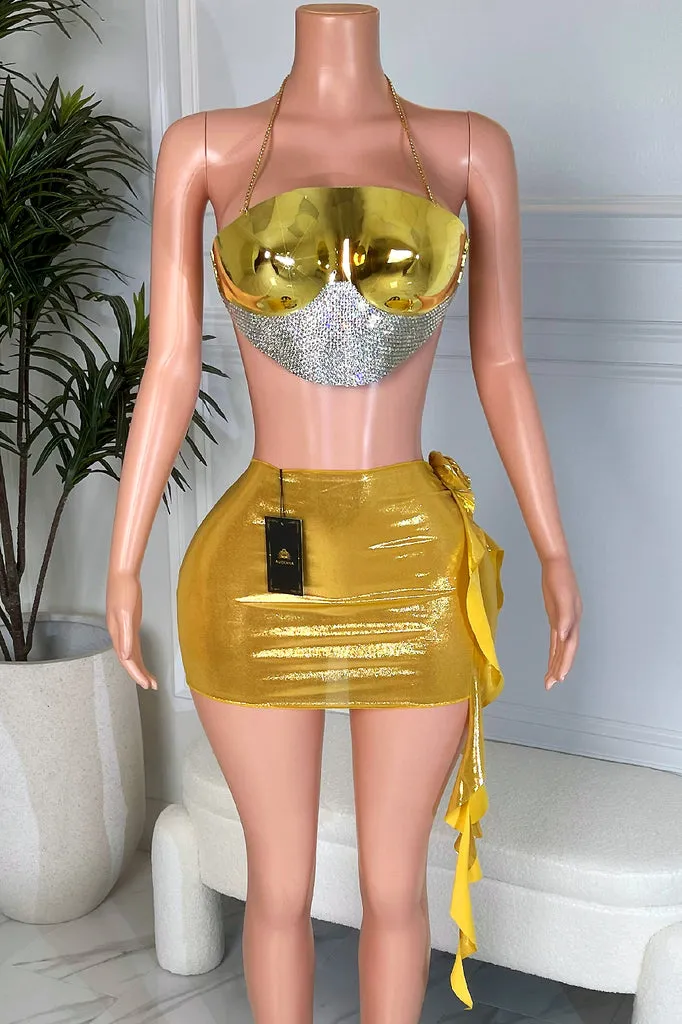
Skirt armour performs best when layered over fitted, moisture-wicking base pieces that prevent chafing and keep metal or rigid panels from digging into your skin. Whether you’re assembling a full medieval kit for LARP, building a cosplay character, or styling a fashion-forward skirt armour piece from the Amekana collection, the foundation layer makes or breaks comfort and mobility.
The right underlayer depends on your activity level. Combat-ready scale armor skirts demand padded protection, while costume and editorial pieces pair beautifully with body-conscious knits.
Base Layers for Combat and LARP Skirt Armour
When you’re wearing functional skirt armour for full-contact fighting or heavy LARP, your base layer serves three jobs: absorb impact, wick sweat, and prevent metal from biting into your hips and thighs.
Padded underlayers we recommend:
- Gambeson skirts or hip wraps: Quilted linen or canvas padded with wool or synthetic batting distributes pressure from faulds) and articulated plates. Look for 0.5 to 1 inch of padding.
- Compression shorts with gel padding: Cycling or roller-derby shorts with silicone hip pads prevent bruising under lighter scale or lamellar skirts.
- Moisture-wicking leggings: Synthetic blends (polyester, spandex) keep you dry during long tournament days. Pair with a separate padded belt if your armor sits on the waist.
- Linen or cotton tights: Period-appropriate for historical reenactment, but less protective than modern synthetics.
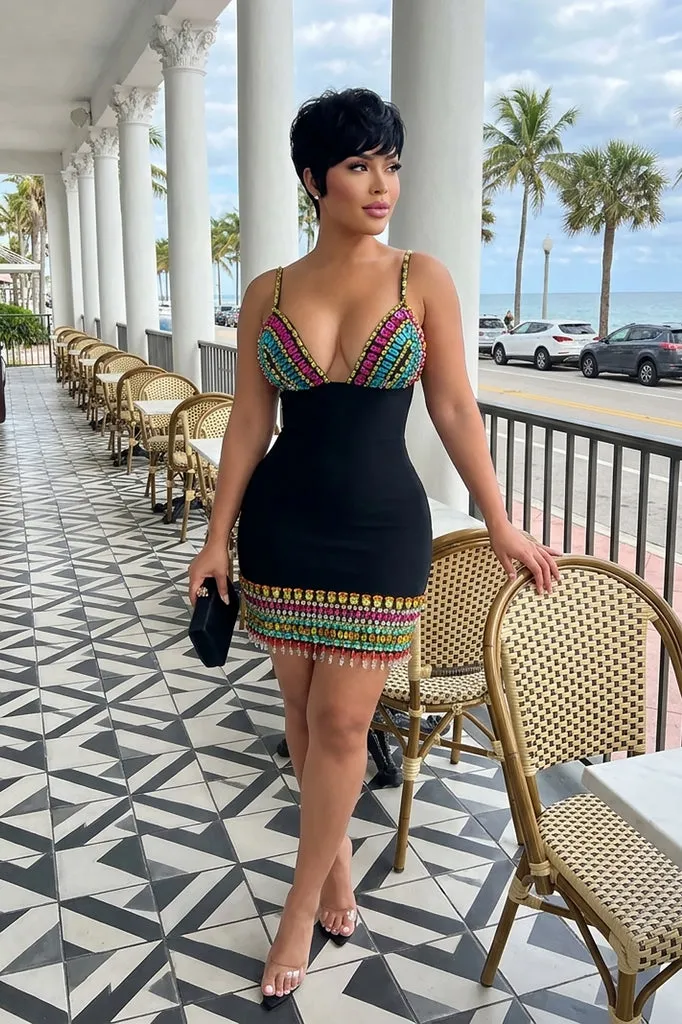
Avoid loose or bunching fabrics. Baggy layers catch on rivets and create hot spots. A snug bandage dress or fitted bodycon layer works surprisingly well under lighter decorative armor because it stays in place and smooths your silhouette.
Styling Skirt Armour for Cosplay and Fashion
Fashion skirt armour, including pieces inspired by Pathfinder’s armored skirt or high-fantasy silhouettes, pairs best with sleek, body-hugging underlayers that let the armor take center stage.
Top styling combinations:
| Underlayer | Best For | Why It Works |
|---|---|---|
| Bandage dress | Fitted armor overlays | Compression fabric stays put; creates clean lines |
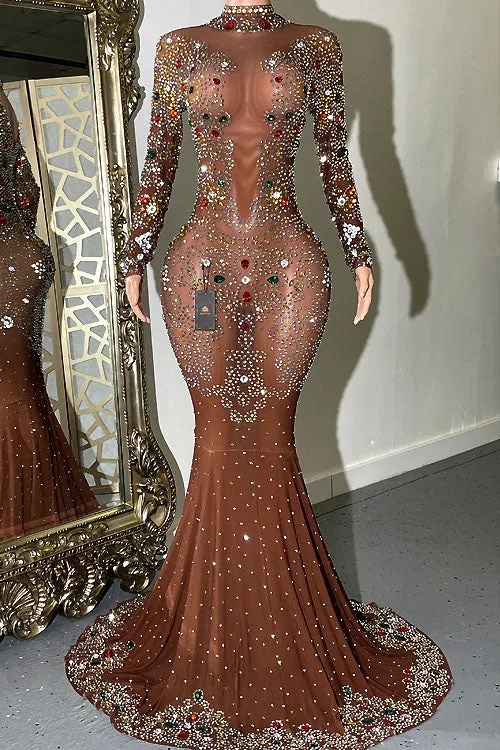
| Rhinestone dress black | Layered evening looks | Adds texture under sheer or openwork armor |
| High-waisted leggings + crop top | Active cosplay | Full mobility; easy bathroom access |
| Bodysuit or unitard | Studio shoots | Seamless silhouette; no visible waistband |
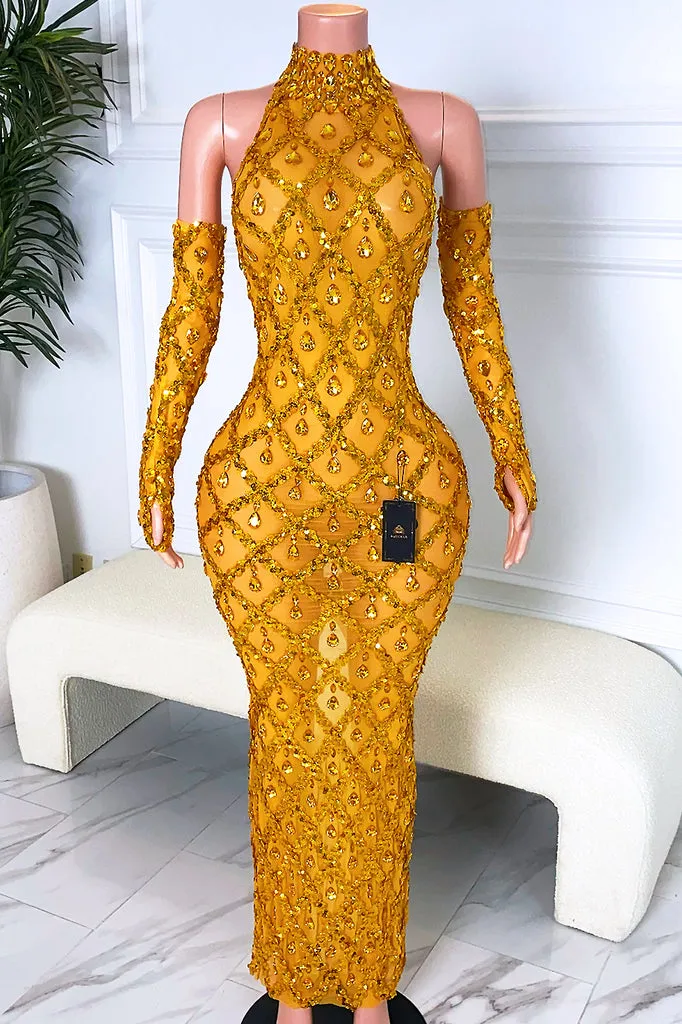
For editorial or convention looks, try a gold dress rhinestone or pink dress rhinestones as a base. The embellishment peeks through articulated plates and adds depth to photos. We layered a red rhinestone dress under a brass scale skirt for a fire-mage build, and the sparkle caught stage lighting beautifully.
Check the latest price on embellished bases at Amekana, rhinestone and mirror pieces are often included in seasonal sales.
Fabric and Fit Considerations
What works:
- Four-way stretch knits: Spandex blends move with you and prevent the armor from shifting during action sequences or combat.
- Seamless construction: Flat-lock or bonded seams eliminate pressure points under rigid waist plates.
- High-rise waistbands: Anchor the underlayer so it doesn’t roll down when you bend or crouch.
- Matte finishes: Cotton jersey, modal, or brushed microfiber grip the inside of your armor without sliding.
What to avoid:
- Satin, silk, or slippery synthetics that let armor rotate or slip
- Thick elastic waistbands that create bulk under a fitted armor waist
- Loose skirts or culottes that bunch or catch on lower armor edges
- Visible logos, prints, or seams that break immersion in photos
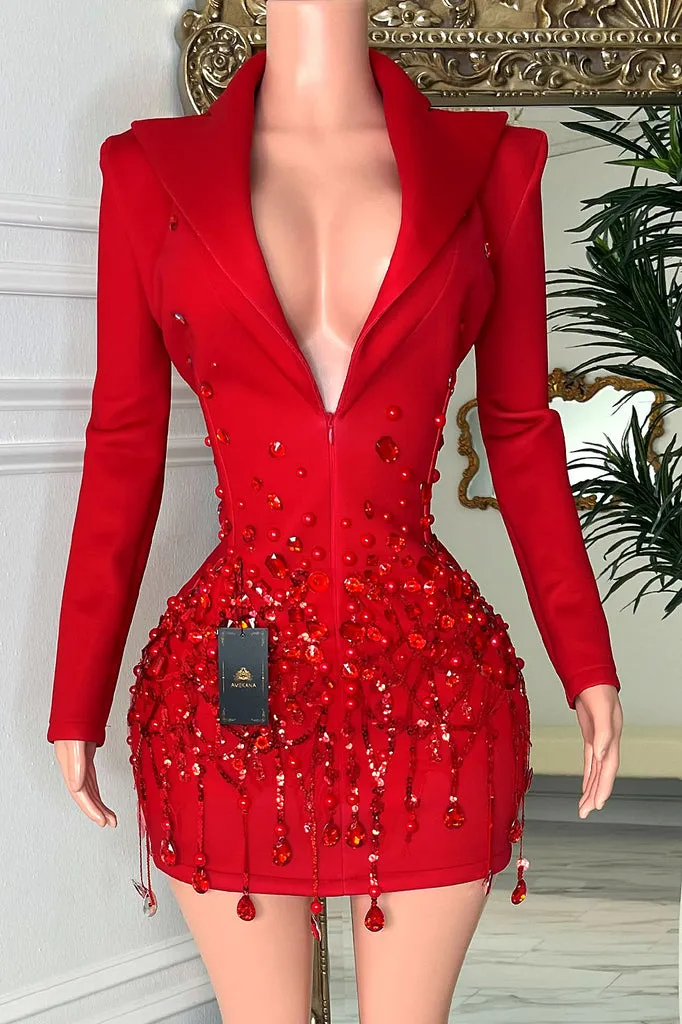
If you’re building a Lolita-inspired armor look, a red lolita dress can serve as both underlayer and focal piece. Position the armor skirt at the natural waist and let the petticoat volume show below the armor hem for a layered, high-fantasy silhouette.
Matching Underlayers to Armor Weight and Attachment
Lighter decorative armor, like laser-cut acrylic or foam-core skirt panels, pairs well with any fitted dress or legging. Heavier steel or titanium pieces need structured support.
Attachment-friendly bases:
- If your skirt armour attaches via belt loops or D-rings, wear a sturdy belt over a smooth underlayer (not directly on skin).
- For riveted or sewn attachments, a canvas or twill base layer prevents tearing better than knits.
- Magnetic closures work best over thin, non-metallic fabrics, test your diamante dress or bodysuit before the event.
Some cosplayers sandwich a thin foam sheet (2 mm craft foam) between their underlayer and the armor for extra padding without bulk. This trick works especially well if you’re wearing a gold mirror dress or other statement piece and want the armor to float slightly off the body for dramatic effect.
Temperature and Event-Length Comfort
Skirt armour traps heat. Your underlayer choice directly impacts how long you can wear the kit comfortably.
For warm weather or long events:
- Merino wool or synthetic moisture-wicking fabrics (not cotton, it stays wet)
- Minimal coverage: bike shorts + sports bra under the armor instead of a full dress
- Ventilated armor designs (scale, chain skirt) over solid plates
For cold or indoor events:
- Thermal leggings or fleece-lined tights
- Long-sleeve bodysuit under a decorative amekana dress
- Layered skirts: wear a lightweight circle skirt under the armor for warmth and modesty
We recommend trying your full kit at home for 20 to 30 minutes before an event. Walk, sit, and crouch to test for pinch points or slippage. Adjust straps and swap underlayers as needed.
Grab the code for 7% off sitewide at Amekana if you’re stocking up on base pieces, dresses real mirror and rhinestone styles work across multiple armor builds.
Maintenance and Care for Armor Underlayers
Armor underlayers take a beating. Metal oxidation, sweat, and friction leave stains and odors.
Care tips:
- Wash base layers separately from armor (never tumble metal pieces with fabric).
- Use enzyme-based detergents for sweat and body-oil stains.
- Air-dry padded layers to prevent batting from clumping.
- Treat rust or verdigris stains on fabric immediately with white vinegar or oxalic acid solution.
- Rotate two or three underlayers per event so you always have a clean backup.
If you’re using a statement piece like a rhinestone dress black or mirror-tile garment, spot-clean only and avoid submerging, the adhesive on embellishments can fail in hot water.
Store your underlayers flat or rolled, not hanging, to preserve elastic and prevent shoulder dimples. Keep them in a separate garment bag from metal armor to avoid snags and tarnish transfer.
Questions
Can I wear a regular skirt under skirt armour?
You can, but fitted layers like leggings or a bandage dress work better. Regular skirts bunch under armor plates and create uncomfortable pressure points during movement.
Do I need padding under decorative skirt armour for cosplay?
Only if the armor has hard edges or you'll be wearing it for more than a few hours. Lightweight foam or acrylic pieces usually pair fine with a smooth dress or bodysuit.
What's the best fabric for under metal armor skirts?
Moisture-wicking synthetics like polyester-spandex blends or merino wool. They prevent chafing, stay in place, and dry quickly. Cotton soaks up sweat and stays damp.
How do I keep my underlayer from showing below the armor?
Choose an underlayer hemline that ends above or exactly at the armor edge, or embrace the look and wear a coordinating skirt or petticoat that shows intentionally.
Can I wear a rhinestone dress under skirt armour?
Yes, rhinestone and embellished dresses add visual texture under openwork or articulated armor. Just ensure the stones won't snag on the inside of your armor panels.
Should I size up my underlayer to fit padding underneath?
No, buy your true size in compression or fitted layers. Padding like gambesons is worn over your underlayer, not between it and your skin.
Products in this guide
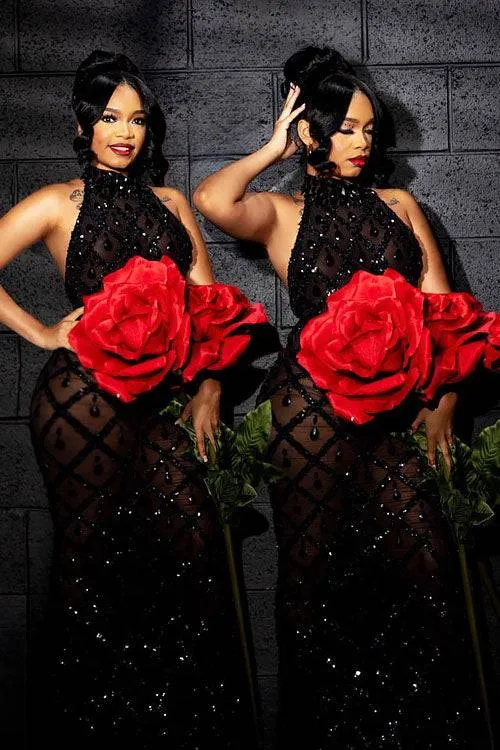
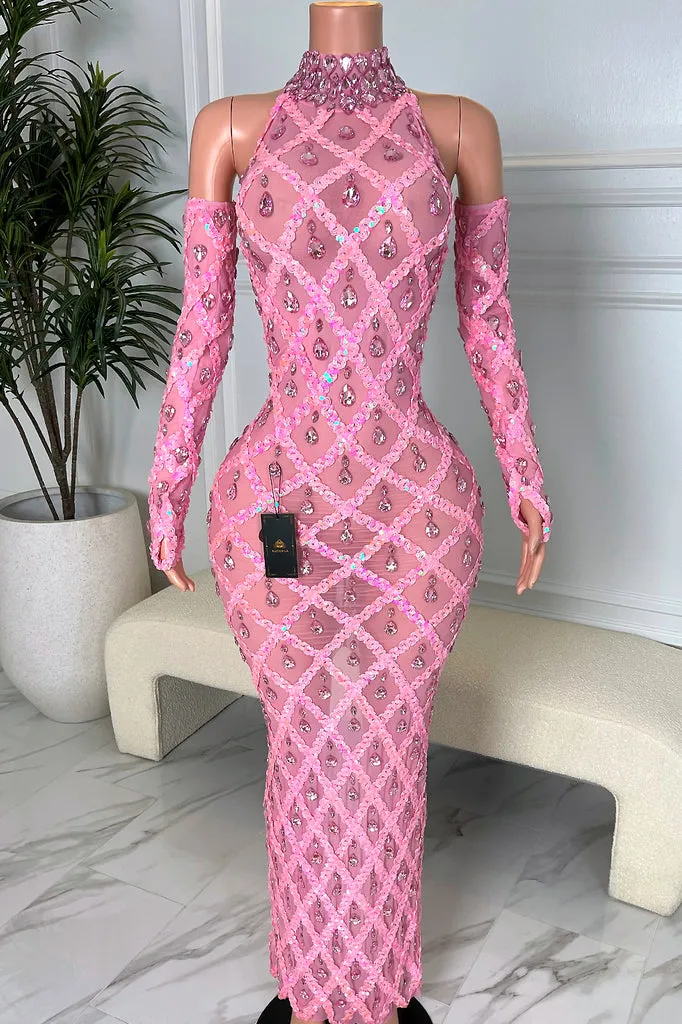
 Shopping at Amekana? See the discount code
7% OFF Sitewide
Shopping at Amekana? See the discount code
7% OFF Sitewide
More in this series
Are Amekana Boutique Dresses True to Size?1 Aug 20264 minComplete Guide to Caring for Your Lolita Dress1 Aug 20265 min Do Mirror Dresses Hold Up After Multiple Wears?1 Aug 20264 minRhinestone Dress vs Diamante Dress: What’s the Difference?1 Aug 20264 minHow to Style a Bandage Dress for Different Body Types1 Aug 20264 min