 A Amekana guide
Rhinestone Dress vs Diamante Dress: What’s the Difference?
A rhinestone dress black and a diamante dress may look similar, but they differ in material composition, sparkle intensity, and price point.
What’s the real difference between rhinestone and diamante dresses?
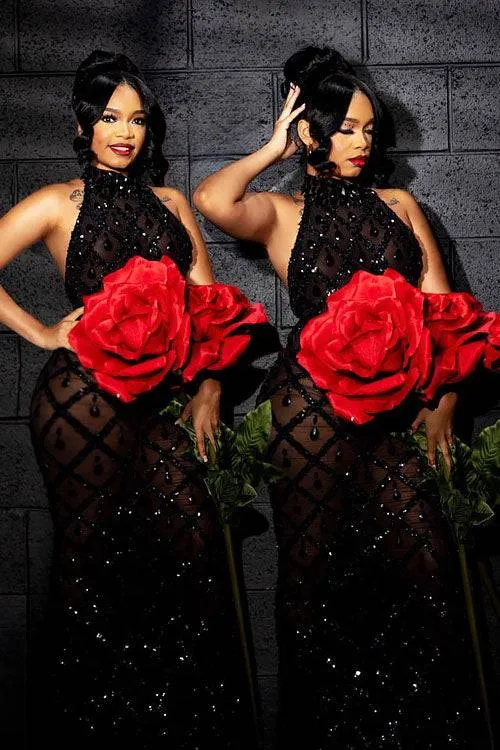
A rhinestone dress black and a diamante dress may look nearly identical under club lighting, but they are made from different materials that affect sparkle, durability, and cost. Rhinestones are typically glass or acrylic stones with a foil backing, while diamante refers to small imitation diamonds made from crystal glass with more facets. Both create an embellished look, and the choice between them comes down to occasion, budget, and how much maintenance you want to take on.
Material breakdown: glass, acrylic, and crystal
Rhinestones fall into two camps. Glass rhinestones offer clarity and weight closer to genuine crystal, while acrylic rhinestones cost less and weigh almost nothing, which suits heavily embellished pieces like a bandage dress where hundreds of stones would otherwise drag on stretchy fabric. The trade-off is a slightly plastic sheen under direct light.
Diamante stones are almost always crystal glass with more precision-cut facets than a typical rhinestone, which splits light into more flashes of color. Higher-end pieces often use Czech or Austrian crystal diamantes, and you tend to feel that in both the price and the sparkle. In short: glass rhinestones are heavier, clearer, and mid-range in price; acrylic rhinestones are lightweight with a slight haze and a lower price; diamante crystal offers the most facets, the most prismatic sparkle, and the highest cost per stone; and the backing matters too, since rhinestones often have a foil or mirror backing while diamantes rely on the cut alone. When you browse the Amekana discount code page, check product descriptions for the words crystal or acrylic to understand what you are actually buying.
Sparkle and durability over time

Durability comes down to the stone type and, just as much, to how it is attached. Heat-set stones, applied with a hot-fix tool, tend to outlast glued stones by a wide margin, and sewn or prong-set embellishments, common on pieces like the red rhinestone dress, generally survive dry cleaning and normal wear well if handled gently. Acrylic stones glued on with a weaker adhesive are the most likely to come loose over repeated wear, while glass rhinestones and crystal diamante with a solid setting tend to hold up for years.
| Stone type | Sparkle over time | Stone loss risk | Best use |
|---|---|---|---|
| Acrylic rhinestone | Can fade slightly | Depends heavily on setting | Casual nights, one-season trends |
| Glass rhinestone | Stays clear | Low with a good setting | Cocktail events, regular rotation |
| Crystal diamante | Stays bright | Very low with a good setting | Weddings, formal galas, heirlooms |
A gold dress rhinestone or pink dress rhinestones in acrylic will serve you well for a season or two, but if you want a piece that photographs well year after year, diamante with a solid setting is worth the extra spend.
When to choose rhinestone vs diamante
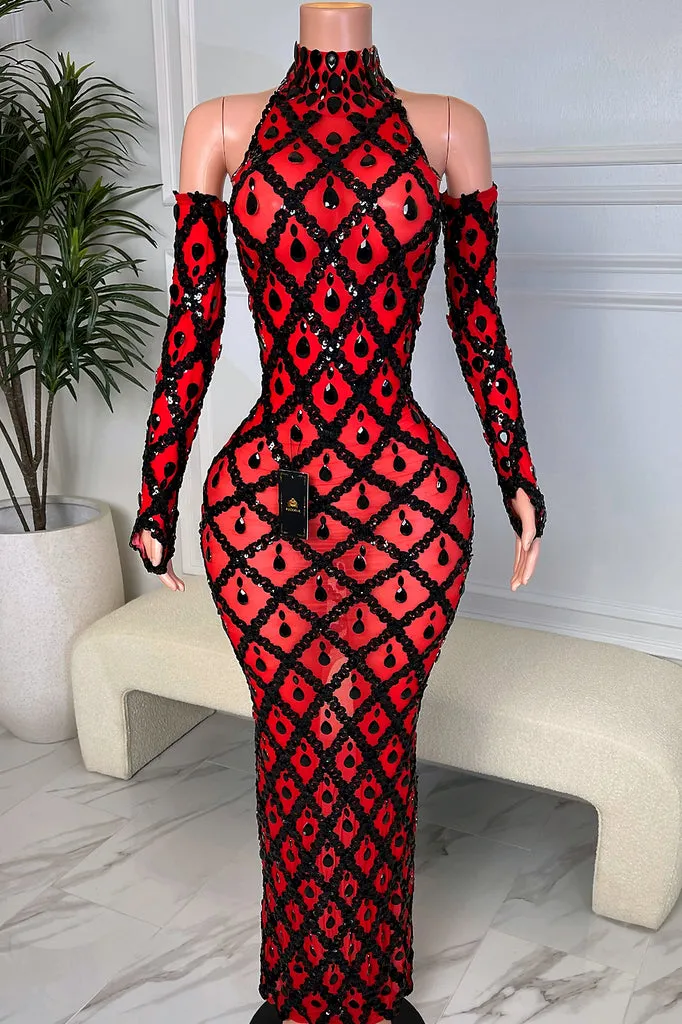
Pick rhinestones when you want an embellished look on a smaller budget, the dress is a trendy silhouette you will wear only a few times, you are layering other accessories and do not need the dress to do all the sparkling, or weight matters, like a stretchy Amekana dress that needs to hug curves without sagging.
Pick diamante when you are dressing for a milestone event such as a wedding or gala, when photos and video matter since diamante tends to read better on camera under mixed lighting, when you plan to keep and re-wear the piece across seasons, or when you want maximum sparkle per square inch, since a gold mirror dress or dresses real mirror effect relies on that prismatic cut. Check the latest styles and code to compare either option.
Styling and care tips for embellished dresses
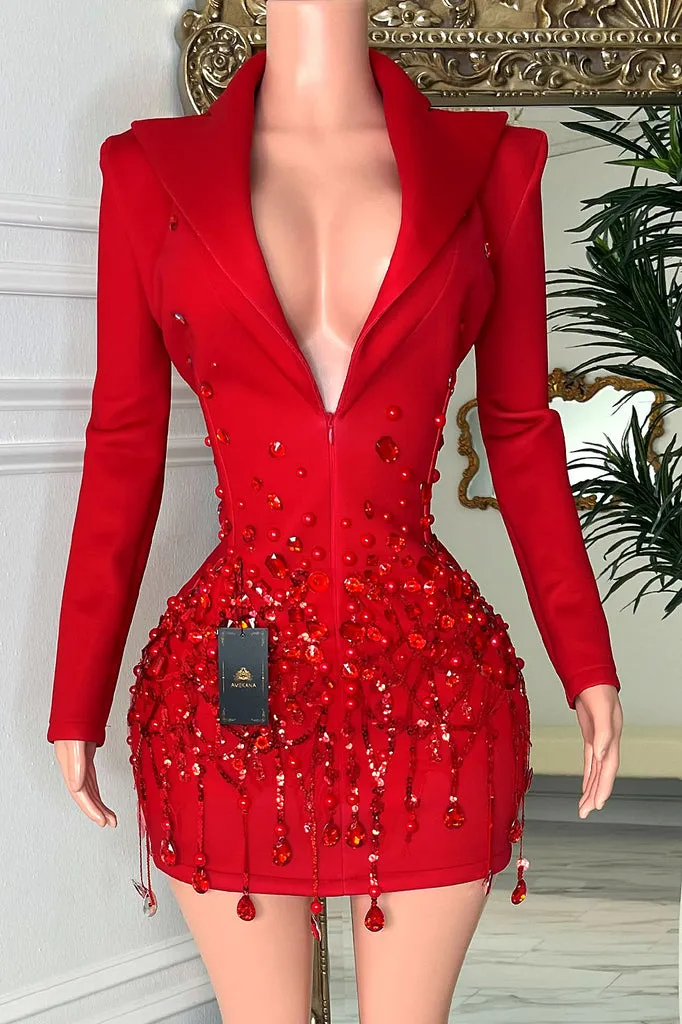
Both stone types need careful handling. Turn embellished dresses inside out before washing, use a mesh bag, and choose a delicate cold cycle, or better yet spot-clean and air out between wears, since a normal wash cycle can pull stones loose from pieces like a red lolita dress. For rhinestone styles, store them flat or on a padded hanger only, since folding crushes stones against fabric and loosens adhesive over time. If a stone does fall off, clear nail polish on the back of a replacement stone and a toothpick for placement works in a pinch, though a hot-fix applicator gives a stronger bond.
A quick care checklist: hand wash or use a delicate cycle, inside out, in a garment bag; air dry flat and never tumble dry, since heat weakens glue; steam from the reverse side to remove wrinkles, since direct steam can fog acrylic; store away from rough textures like sequins or zippers that snag stones; and for diamante, an occasional gentle brushing with a soft toothbrush restores shine. Retailers like Revolve’s black rhinestone dresses and formal options elsewhere often include stone-specific care cards, which are worth following closely on a higher-tier piece.
Which embellished dress wins
Neither rhinestone nor diamante is objectively better. They serve different budgets and occasions. For versatile, affordable glamour you will wear a few times a month, a well-constructed rhinestone dress black delivers without regret. If you are building a small collection of statement pieces meant to photograph well and last through years of events, diamante justifies the extra spend. A glass rhinestone bandage dress suits dinner dates and club nights, while a crystal diamante gown suits weddings and anything involving a photographer. Mixing stone types across a wardrobe gives flexibility, and the Amekana discount code makes it easier to try both without overspending.
Questions
Can you tell the difference between a rhinestone and a diamante dress from a distance?
Most people cannot distinguish them beyond a few feet, especially in dim lighting. Diamante throws more rainbow flashes in bright light or photos, while rhinestones give a softer, more uniform sparkle. Up close, diamante facets are noticeably more complex.
Will a rhinestone dress black lose stones after one wear?
How the stones are attached matters more than the stone type itself. Heat-set or sewn rhinestones rarely fall off with normal wear, while poorly glued stones can shed quickly. Check reviews and product details for the application method before buying.
Are diamante dresses always more expensive than rhinestone ones?
Generally yes, since crystal diamante costs more per stone and takes more labor to apply. That said, a heavily embellished acrylic rhinestone gown can exceed the price of a lightly embellished diamante dress depending on design complexity.
Can I machine wash an embellished dress with rhinestones?
Only on a delicate cycle, inside out, in a garment bag, with cold water, and even then hand washing or spot cleaning is safer for both rhinestone and diamante pieces, since heat and agitation weaken adhesive and can crack acrylic stones.
Do acrylic rhinestones look cheap in person?
Not necessarily. Well-cut acrylic stones on quality fabric look good in typical evening lighting. The difference becomes more obvious in harsh daylight or close-up photography, where glass and crystal show more clarity and depth.
Which style works better for a formal event, rhinestone or diamante?
Diamante tends to edge ahead for formal events because it photographs well under professional lighting. That said, a glass rhinestone dress in a classic silhouette will never look out of place at a gala or wedding.
Products in this guide
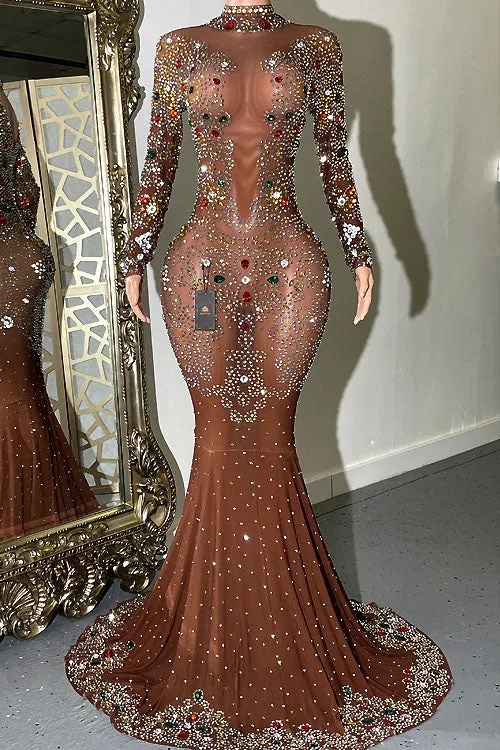


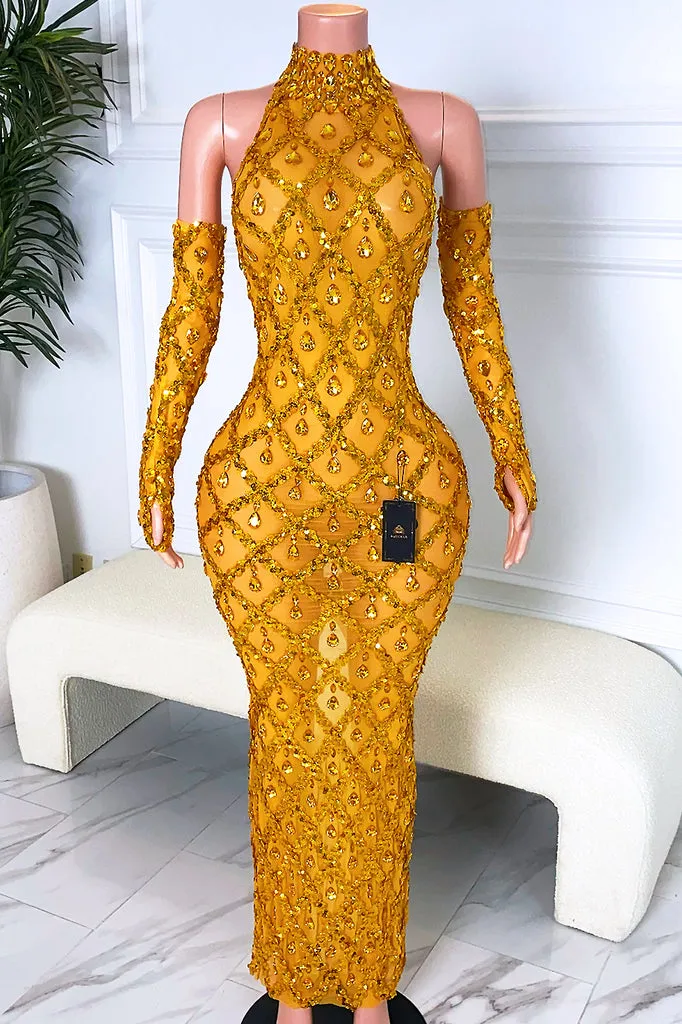
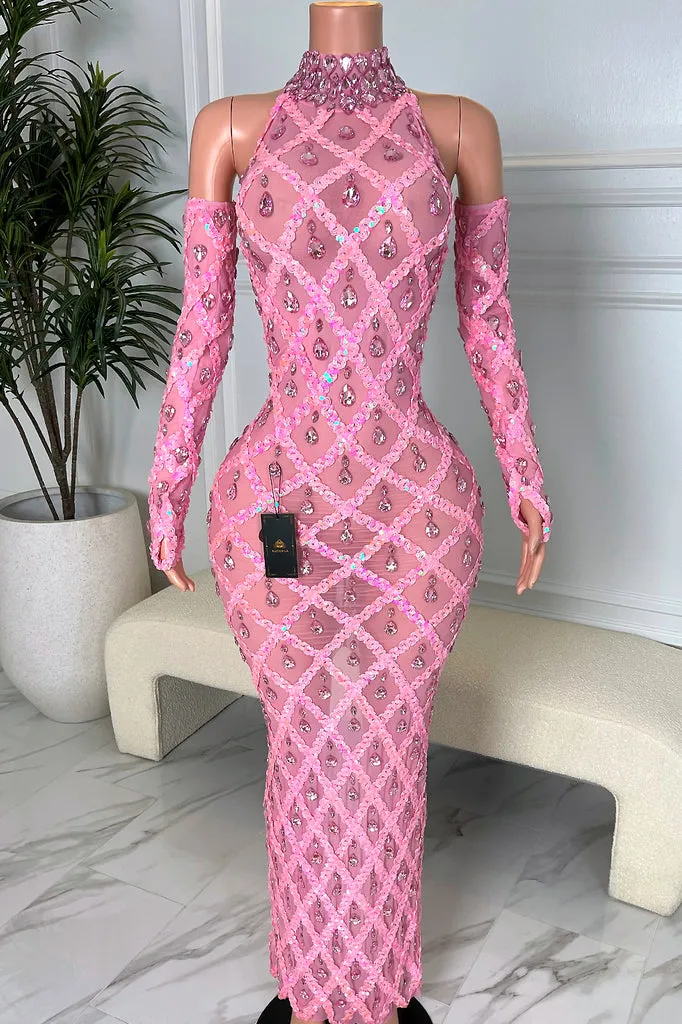 Shopping at Amekana? See the discount code
7% OFF Sitewide
Shopping at Amekana? See the discount code
7% OFF Sitewide
More in this series
 What to Wear Under a Skirt Armor Piece1 Aug 20264 minAre Amekana Boutique Dresses True to Size?1 Aug 20264 minComplete Guide to Caring for Your Lolita Dress1 Aug 20265 min
 Do Mirror Dresses Hold Up After Multiple Wears?1 Aug 20264 minHow to Style a Bandage Dress for Different Body Types1 Aug 20264 min