 A Eizo Sport guide
How to Wear and Adjust a Nose Bar for Sparring Safety
Learn how to properly wear and adjust a nose bar on boxing headgear for safer sparring sessions.
A nose bar is the metal or plastic reinforcement built into boxing headgear that protects the bridge of your nose during sparring. When fitted correctly, it keeps the headgear from collapsing into your face on impact. Here is how to wear and adjust one so it actually works for you.
What Is a Nose Bar on Boxing Headgear
A nose bar on boxing headgear is a rigid insert that runs along the center front of the face opening. It stops the headgear from being pushed backward into your nose when you take a punch. Without it, the padding can fold inward and transfer force directly to the bridge of your nose. The bar is usually covered in foam or leather and sits just above the mouth area.
This is different from a nose bar piercing or anything used in cattle equipment. In boxing, the bar is part of the headgear’s structure. It is especially common in competition and sparring headgear where vision and protection both matter.
Choosing the Right Nose Bar Headgear
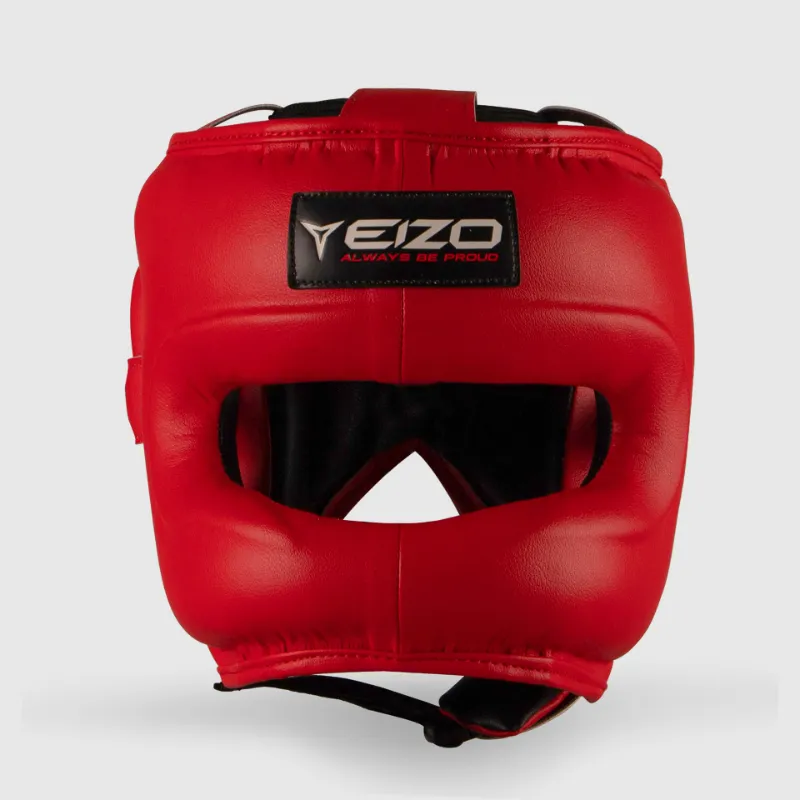
Not all headgear with a nose bar fits the same way. The bar needs to align with your nose bridge without pressing into it. Look for options that let you adjust the height and tightness. Our nose bar is designed with a reinforced center bar and layered padding so it absorbs impact without shifting.
Features to look for in nose bar boxing headgear:
- A rigid bar that is fully padded on the inside
- Adjustable chin and crown straps to lock the position
- Cheek padding that fills the gap between bar and face
- Breathable material so sweat does not degrade the bar mount
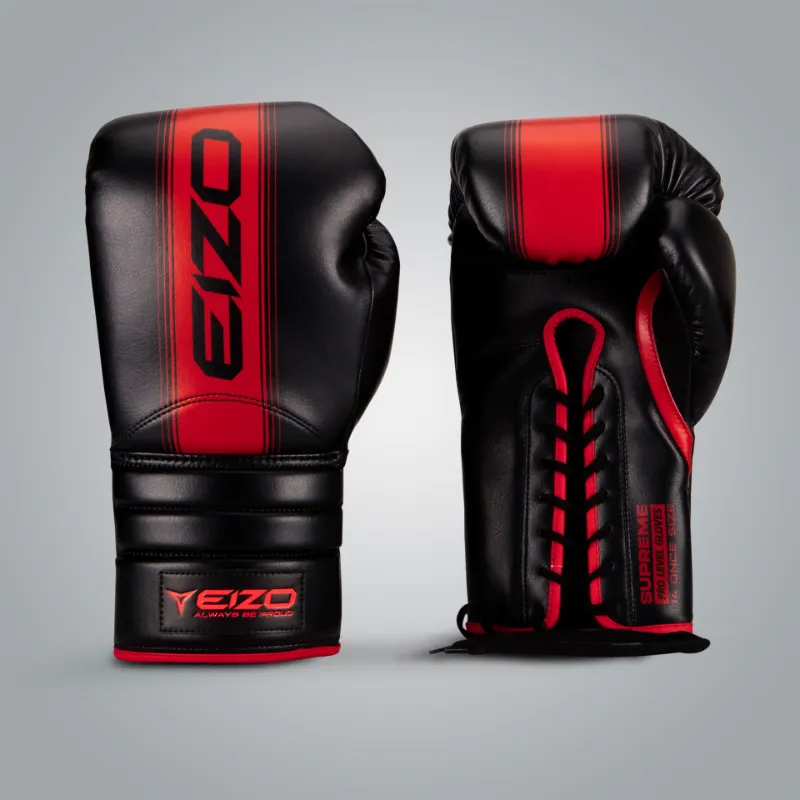
If you also train with heavier gloves, consider pairing your headgear with supreme boxing gloves for a balanced setup. The weight and wrist support of the gloves affect how much force reaches your headgear.
How to Adjust the Fit for Sparring
Getting the fit right takes a few minutes but makes a big difference. Follow these steps:
- Loosen all straps. Start with the crown strap, then the chin strap, and finally the cheek straps if your headgear has them.
- Pull the headgear on. The nose bar should sit centered on your nose bridge. If it touches your nose directly, the padding is too thin or the bar is the wrong size.
- Tighten the crown strap first. This sets the vertical height. The bar should stay in place when you nod your head.
- Adjust the chin strap. It should be snug but not tight enough to pull the bar downward.
- Check the cheek pads. They should press lightly against your cheeks without forcing the bar sideways.
After adjustment, throw a few light shadow punches and shake your head. If the headgear shifts, the bar can miss your nose on impact. Tighten until it stays put.
Padding and Material Considerations
The padding around the nose bar matters as much as the bar itself. Look for multi layer foam construction that compresses slowly. Cheaper headgear uses a single layer that flattens quickly, which makes the bar dig into your face.
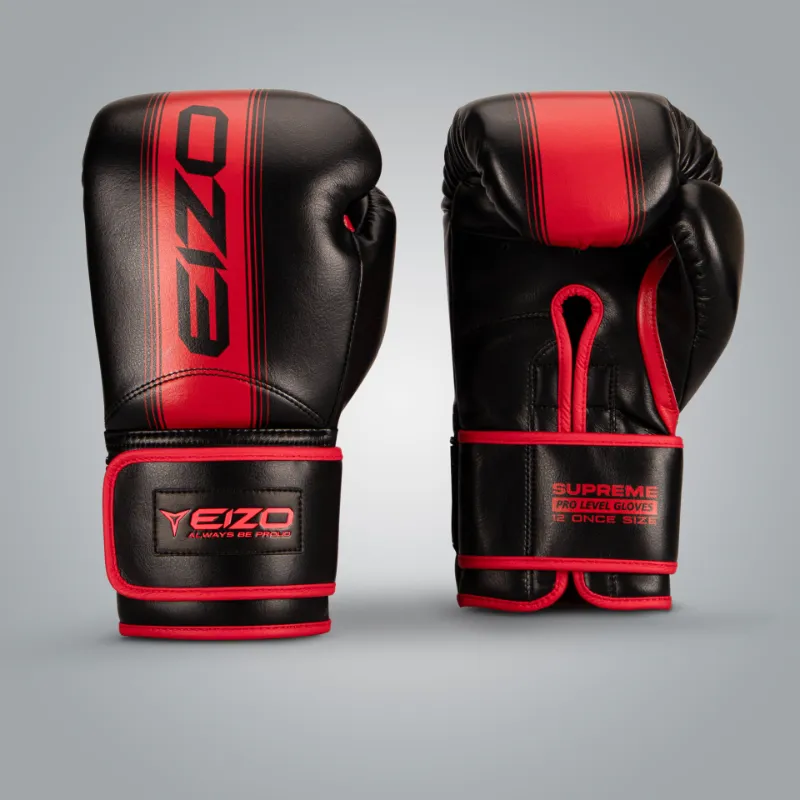
Our eizo boxing gloves are made with the same layered foam approach used in our headgear. The idea is the same: spread impact over a wider area so no single point takes the full force. If you train with gloves that have inconsistent padding, the extra shock travels through your guard and into your headgear.
Common Mistakes When Wearing a Nose Bar
Even good gear can fail if you wear it wrong. Avoid these issues:
- Too loose. The bar slides sideways and leaves your nose exposed.
- Too tight. The bar presses into the bridge and causes discomfort or bruising.
- Wrong strap order. Tightening the chin strap before the crown strap pulls the bar down and blocks your vision.
- Skipping the chin cup. Some headgear has a molded chin cup that locks the bar position. Use it.
If you need to check the official assembly guidelines for a bar style similar to the one used in heavy duty headgear, the For-Most Nose Bar Assembly page shows how bar mounting works in general. The principle is the same: the bar must be anchored to a stable frame so it does not move on impact.
Who Should Use Nose Bar Headgear
Nose bar headgear is ideal for anyone who spars regularly. If you have a deviated septum, a previous nose break, or a narrow face, the extra protection is worth it. Fighters who compete in amateur bouts often use this style because it meets safety standards without blocking vision.
For beginners, the bar helps build confidence. You can focus on technique instead of worrying about a bloody nose in the first round. Just make sure you adjust the fit before every session, not just the first time you wear it.
Care and Maintenance
The nose bar area collects sweat and oils from your face. Wipe it down after every session with a damp cloth and mild soap. Do not soak the headgear. Dry it away from direct heat. Over time, the padding around the bar can compress. Check it every few months by pressing the bar area with your thumb. If you feel the hard bar through the foam, it is time to replace the headgear.
You can grab the code for 10% off your next order to keep your gear fresh. Properly maintained headgear lasts longer and protects better.
Final Thoughts
A nose bar is a simple piece of protection that makes a real difference in sparring safety. The key is choosing headgear where the bar is fully padded and adjustable, then taking the time to dial in the fit before you step in the ring. Pair it with quality gloves, check the latest price when you are ready to buy, and you will have a setup that keeps you training without unnecessary risk.
Questions
How tight should a nose bar on headgear be?
The nose bar should sit close to your nose bridge without touching it. The headgear should not shift when you shake your head, but you should not feel pressure on the bridge itself.
Can I replace the nose bar in my boxing headgear?
Most boxing headgear has the nose bar sewn into the frame and is not designed to be replaced. Once the padding around the bar compresses, the whole headgear usually needs to be replaced.
Does nose bar headgear block vision?
No. A properly adjusted nose bar boxing headgear keeps the bar out of your line of sight. If the bar blocks your vision, the fit is wrong or the headgear is too large for your face.
Is a nose bar necessary for sparring?
It is not mandatory, but it adds a layer of protection that reduces the risk of a broken nose or bridge injury. Many gyms recommend it for anyone who spars regularly.
What is the difference between nose bar headgear and cheek headgear?
Nose bar headgear has a reinforced front bar that protects the nose bridge. Cheek headgear uses padded cheek pieces that cover more of the face but may not have a rigid bar.
Can I use the same nose bar headgear for competition and training?
Yes, most nose bar headgear is designed for both. Just check that the padding meets your local commission standards if you plan to compete.
Products in this guide
Shopping at Eizo Sport? See the discount code
10% OFF All Orders
More in this series
Supreme Boxing Gloves: What to Know Before Your First Session5 Sep 20265 minAre Eizo Boxing Gloves Worth It? What to Check Before You Buy5 Sep 20264 minDo You Need a Nose Bar for Training? What to Consider Before Buying5 Sep 20264 minHow to Clean and Deodorize Your Boxing Gloves So They Last5 Sep 20265 min