 A Eizo Sport guide
Do You Need a Nose Bar for Training? What to Consider Before Buying
Learn whether a nose bar is the right choice for your boxing training and what to look for before buying.
A nose bar is a metal or reinforced plastic bar built into the front of certain boxing headgear designs, and it is not a piece of equipment every boxer needs. You only want one if you are recovering from a broken nose, have a naturally protruding bridge, or spar with heavy punchers who love a straight right. For many gym fighters, a standard open-face headgel offers better visibility and comfort. Below we walk through exactly who should buy a nose bar, how it compares to standard headgear, and what to look for when you shop.
What Is a Nose Bar in Boxing Headgear?
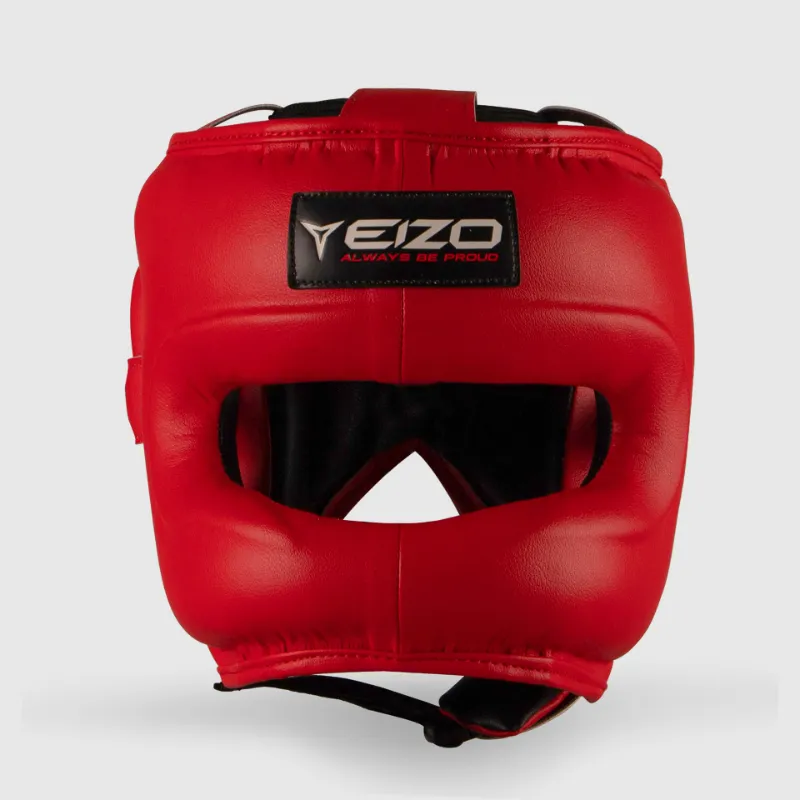
A nose bar is a curved guard that sits across the bridge of the nose and is attached to the cheek or forehead section of the headgear. It stops a punch from landing flush on the cartilage and bone of the nose. The nose bar from Eizo Sport is a dedicated option that uses a reinforced metal core wrapped in high-density foam, so it absorbs impact without digging into your face. Unlike standard headgear, which lets a glove slide off the cheek and mash the nose, a nose bar redirects that force.
Nose bar headgear is sometimes called nose bar headgear in catalog listings, and it is a specialty item. You will not see every pro wearing one, but it is common in gyms where hard sparring happens multiple times a week.
Who Benefits from Training with a Nose Bar?
Not every boxer needs a nose bar. Here is who typically does:
- Boxers recovering from a nasal fracture. If you broke your nose in the ring or during sparring, a nose bar lets you return to training without reinjuring the same spot. The guard absorbs the shot before it reaches the bone.
- Fighters with a prominent bridge. A high nose profile catches straighter punches that would glide past a flatter face. A nose bar protects that target area.
- Heavy sparring partners. If you spar three or more rounds of hard work every session, the extra protection pays off over months of training.
- Coaches and regular gym attendees. Anyone who takes repeated shots to the face will appreciate the reduced swelling and bruising.
If you only do light technical sparring or compete, you may prefer a lighter headgel that does not block your peripheral vision. The nose bar sits in your line of sight slightly, so you have to adjust your head movement.
Nose Bar vs. Standard Headgear: Key Differences
| Feature | Nose Bar Headgear | Standard Open-Face Headgear |
|---|---|---|
| Nose protection | High, metal/plastic bar blocks direct hits | Low, depends on cheek padding |
| Visibility | Moderate, bar sits in lower peripheral view | Excellent, unobstructed view |
| Weight | Heavier, especially with metal core | Lighter, easier to move in |
| Best for | Injury recovery, heavy sparring | Competition, technical drills |
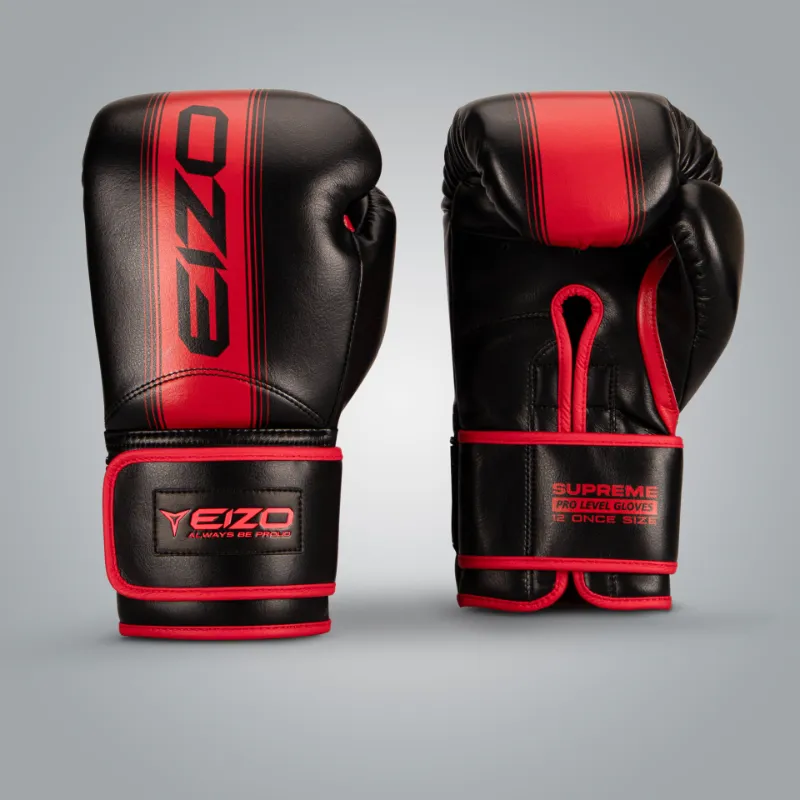
The eizo boxing gloves pair well with either style because the thumb position and cuff length keep your hands up where they belong. Standard headgear is lighter and lets you see hooks coming from the side faster. Nose bar headgear trades that visibility for safety on the center line.
What to Look for When Buying a Nose Bar
When you shop for nose bar headgear, check these four things before you click buy.
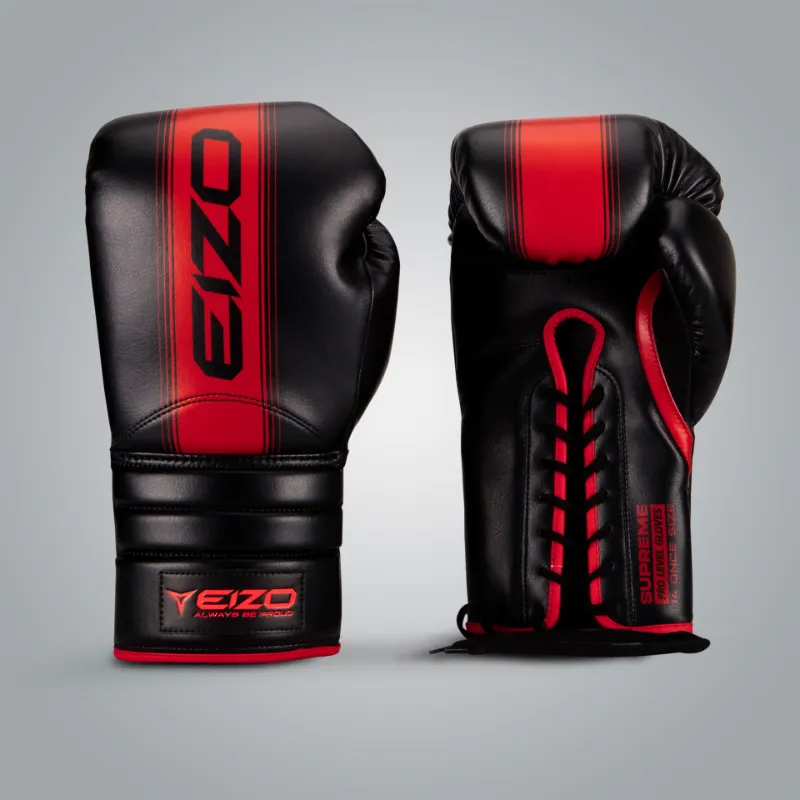
Bar material. A metal bar gives the strongest protection but adds weight. Some designs use a thick plastic core that is lighter and still stops a straight punch. The supreme boxing gloves we recommend are built with layered foam that absorbs shock, and the same principle applies to the bar in your headgear: look for a shock-dissipating core, not a bare metal rod.
Padding thickness. The bar should be wrapped in at least 10 to 15 mm of foam. Thin padding transfers the impact to your nose even if the bar does not break.
Strap system. A nose bar shifts the center of gravity forward. You need a strong chin strap and a rear Velcro closure to keep the headgear from sliding down during a combination.
Sizing. Most brands offer S, M, L. Measure the circumference of your head at eyebrow level and compare to the size chart. A loose nose bar will rotate on impact and can actually hit your nose harder than a punch would.
How to Fit and Care for Your Nose Bar Headgear
Fitting a nose bar correctly takes a few minutes the first time you wear it.
- Put the headgear on and tighten the rear strap until the bar sits about 5 mm above your nose bridge. It should not touch the skin.
- Adjust the chin strap so the headgear does not lift when you open your mouth.
- Shadowbox for 30 seconds. If the bar bounces or shifts, tighten the straps.
- Have a partner tap your nose area lightly. You should feel the pad, not the bar.
For cleaning, wipe the bar and padding with a damp cloth after every session. Do not soak the headgear because the foam inside the bar will absorb water and break down. Air dry away from direct heat.
You can grab the code for 10% off all orders, including the nose bar and any headgear you pick up.
Why We Recommend Eizo Sport for Nose Bar Headgear
The Eizo version uses a welded metal core that does not deform under repeated impact, and the foam wrap is dense enough to spread the force across a wider area. The cheek protectors are also cut higher, which keeps the bar from shifting sideways when you get caught with a hook.
The brand’s eizo boxing gloves complete the kit if you are building a full sparring set. The gloves have a compact profile that fits inside the headgear’s cheek guards without pushing the bar out of alignment.
If you are on the fence, remember that a nose bar is a tool for specific situations. It is not a daily driver for everyone. But if you fall into the recovery or heavy-sparring camp, it is one of the best investments you can make for your training longevity. Check the latest price and our code before you order.
Questions
Can a nose bar prevent a broken nose?
A nose bar greatly reduces the risk of a broken nose by deflecting straight punches away from the bridge, but it is not a guarantee. A very hard hook or uppercut that lands from the side can still bypass the bar.
Does nose bar headgear hurt to wear?
Properly fitted nose bar headgear should not hurt. The bar sits a few millimeters above the nose bridge and is wrapped in foam. If it presses against your skin, the headgear is too loose or the bar is misaligned.
Can I use a nose bar for competition?
Most amateur boxing organizations do not allow nose bar headgear in competition because the bar can be considered a safety hazard to the opponent. Nose bar headgear is designed for training and sparring only.
How do I clean the metal bar on my headgear?
Wipe the bar with a damp cloth after each session. If the bar is exposed metal, dry it immediately to prevent rust. Never submerge the headgear in water.
What size nose bar headgear should I buy?
Measure the circumference of your head at eyebrow level and compare it to the brand's size chart. Most boxers wear medium, but a loose fit causes the bar to shift and can do more harm than good.
Should I pair nose bar headgear with specific boxing gloves?
Yes, gloves with a compact cuff and narrow profile fit better inside the cheek guards of nose bar headgear. The eizo boxing gloves are designed with this fit in mind and do not push the bar out of alignment.
Products in this guide
Shopping at Eizo Sport? See the discount code
10% OFF All Orders