 A Cap and Gown Direct guide
How to Wear a Doctoral Hood Correctly: Placement and Draping Guide
A doctoral hood drapes over your shoulders with the velvet facing outward, displaying your degree colors down your back.
How to Position a Doctoral Hood on Your Shoulders
A doctoral hood sits across your shoulders with the velvet edge displayed on the outside, falling down your back to showcase your academic discipline and institution. The pointed end hangs between your shoulder blades, while the wide velvet panels frame your neck.

The hood connects to your cap and gown differently than a masters hood. Doctoral hoods are longer and feature wider velvet panels, typically falling 48 inches down your back compared to the 36-inch masters version.
Step-by-Step Draping Instructions
Before you begin, put on your graduation gown and fasten it completely. The hood goes on last, after your gown and graduation cap are ready.
Position the hood:
- Hold the hood with both hands at the neckline seam where the velvet trim meets the fabric
- Drape it around your neck so the velvet faces outward and away from your body
- Center the pointed tail between your shoulder blades
- Let the two velvet panels hang evenly on either side of the front opening
Secure the hood:
- Locate the cord or button loop sewn inside the hood at the neckline
- Fasten this cord to the button on your gown at the back of your neck (most doctoral gowns include this button specifically for the hood)
- If your gown lacks a button, use a small safety pin to tack the hood to the gown’s yoke
The hood should rest flat without twisting. Check current pricing on complete regalia if you need to order your full set.
Doctoral Hood vs Masters Hood: Key Differences
| Feature | Doctoral Hood | Masters Hood |
|---|---|---|
| Length | 48 inches | 36 inches |
| Velvet width | 5 inches | 3 inches |
| Shape | Longer pointed tail | Shorter rounded tail |

Doctoral hoods display more velvet because the degree represents a higher level of scholarship. When you order phd regalia, you receive the larger hood sized specifically for doctoral ceremonies. The extra length means the velvet panels drape more prominently down your chest, creating the distinctive silhouette that distinguishes PhD graduates.
Masters graduates wear a shorter hood that typically reaches mid-back. If you are purchasing a masters graduation gown for comparison, note that the hood attachment works the same way but the visual impact differs significantly.
Doctoral Hood Colors Meaning and What They Represent
The velvet color on your hood identifies your academic discipline, not your school. This universal system helps anyone recognize your field at a glance:
- Dark blue: Philosophy, political science, education
- Golden yellow: Science, mathematics, agriculture
- Light blue: Education, pedagogy
- Purple: Law
- Green: Medicine, pharmacy, physical education
- White: Arts, letters, humanities
- Scarlet: Theology, divinity
- Orange: Engineering
- Pink: Music
- Sage green: Physical science
- Copper: Economics
- Crimson: Journalism
The satin or silk lining inside the hood displays your university’s colors. When the hood hangs correctly, both the velvet (your discipline) and the lining (your institution) are visible.
What to Wear Under Your Doctoral Regalia
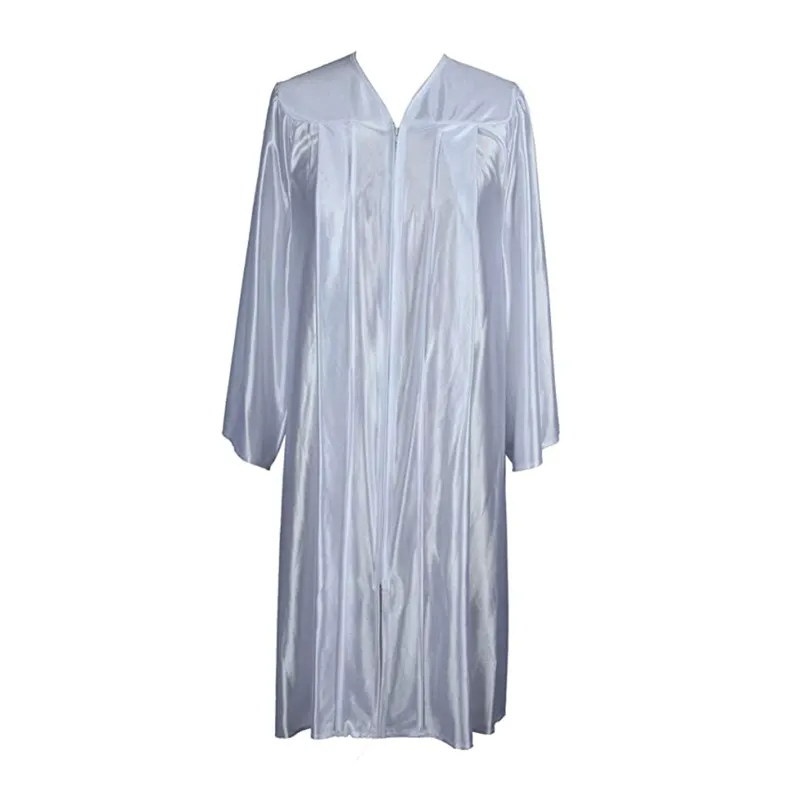
Most graduates choose business attire or a dress beneath their gown. Women often select a white graduation dress or navy grad dress that hits at or below the knee, while men typically wear a dark suit. Your outfit should be comfortable for a multi-hour ceremony and photograph well when the gown opens during movement.
Practical tips:
- Avoid bulky collars or turtlenecks that interfere with hood draping
- Skip statement necklaces, which compete visually with the velvet panels
- Choose closed-toe shoes since your feet will be visible throughout the ceremony
- Consider a silver grad dress if your university colors include metallic accents
The doctoral hat (properly called a tam) sits flat on top of your head, not tilted. The tassel usually hangs on the left side for PhD recipients, though institutional customs vary.
Adding Stoles and Other Academic Accessories
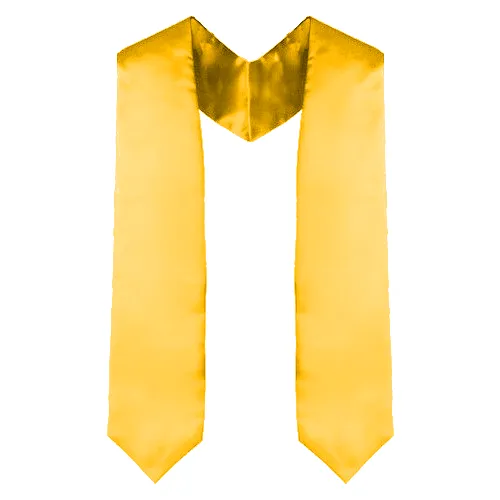
Stoles and honor cords go on before the hood. If you earned academic honors or belong to a scholarly society, wear those items closest to the gown, then add the hood as the final layer. A Cap and Gown Direct stole should rest inside the hood’s velvet panels, not on top of them.
Correct layering order:
- Doctoral gown (worn and fastened)
- Honor cords draped around neck
- Stole placed over shoulders
- Doctoral hood secured last
Custom sashes for graduation custom follow the same rule as stoles. The hood always goes on top because it represents your earned degree, which takes precedence over honorary distinctions.
Caring for Your Hood After Commencement
Remove the hood carefully by unfastening the cord or pin, then lifting it straight off your shoulders. Fold it lengthwise with the velvet facing inward to prevent crushing the pile. Store it flat or rolled loosely in acid-free tissue inside a breathable garment bag.
Most hoods require dry cleaning only. The velvet cannot withstand water or home washing, and the satin lining may shrink or discolor. Professional cleaners experienced with academic regalia know how to preserve the shape and color intensity.
We have seen graduates successfully preserve their hoods for decades by keeping them away from direct sunlight and moisture. The velvet will fade if exposed to UV light, and the colors lose their symbolic clarity over time.
Questions
How do you attach a doctoral hood to your gown?
Fasten the cord or loop sewn inside the hood's neckline to the button at the back of your gown's neck. If no button exists, use a small safety pin to secure the hood to the gown's shoulder yoke.
What is the difference between a doctoral hood and a masters hood?
Doctoral hoods measure 48 inches long with 5-inch velvet trim, while masters hoods are 36 inches with 3-inch velvet. The doctoral version drapes longer down your back and displays wider velvet panels.
Which side does the doctoral hood velvet face?
The velvet faces outward, away from your body. The two velvet panels should be visible on the outside of the hood, framing your neck and falling down your chest.
Can you wear a stole over a doctoral hood?
No, the hood goes on last. Wear your stole or honor cords first, closest to the gown, then place the doctoral hood on top as the final layer.
What do the colors on a doctoral hood mean?
The velvet color represents your academic discipline (dark blue for philosophy, golden yellow for science, purple for law, etc.), while the satin lining shows your university's colors.
Do you keep your doctoral hood after graduation?
Yes, the hood is yours to keep. Store it flat or loosely rolled in acid-free tissue inside a breathable garment bag, away from sunlight and moisture, and have it dry cleaned if needed.
Products in this guide




 Shopping at Cap and Gown Direct? See the discount code
10% OFF Sitewide
Shopping at Cap and Gown Direct? See the discount code
10% OFF Sitewide
More in this series
 Graduation Cord Colors and What They Represent6 Aug 20265 minHow Long Should a Masters Graduation Gown Be?6 Aug 20264 minWhat to Wear Under Your Graduation Gown: Dress Code by Degree Level6 Aug 20265 minDo Graduation Stoles and Sashes Mean the Same Thing?6 Aug 20265 minCap and Gown vs. Full Regalia: What Do You Actually Need for Graduation?6 Aug 20264 min