 A Cap and Gown Direct guide
Graduation Cord Colors and What They Represent
Graduation cord colors signal academic honors, society memberships, and departmental achievements that complement your endea graduation shiny graduation gown on ceremony day.
What Graduation Cord Colors Mean for Your Ceremony
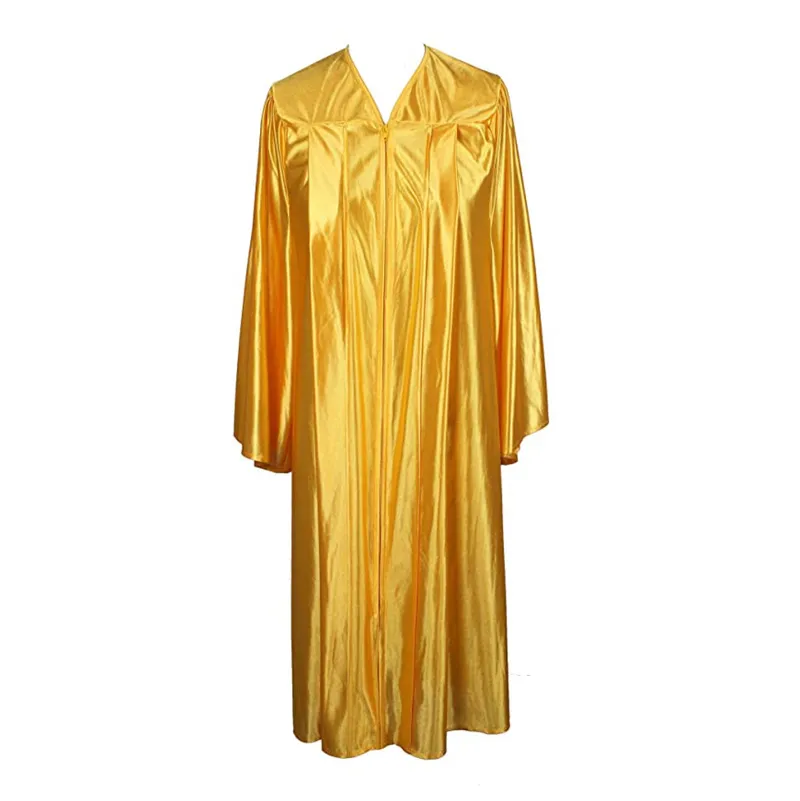
Graduation cord colors signal academic honors, society memberships, and departmental achievements that complement your endea graduation shiny graduation gown on ceremony day. Gold typically marks top academic performance, while discipline-specific colors like blue for education or purple for law help distinguish your field. Understanding these color codes ensures you wear the right cords with your cap and gown and avoid confusion when ordering.
This guide decodes the most common cord colors, explains how to combine them with stoles and sashes, and shows you where to verify your school’s specific requirements.
Common Cord Colors and Their Academic Meanings
Most schools follow a standard palette for honors and disciplines, though you should always confirm with your registrar before ordering.
Honor Society and GPA Cords
- Gold or Gold and White: Summa cum laude, valedictorian, or top 5% GPA. The most recognized academic excellence cord.
- Silver or Silver and White: Magna cum laude or top 10% GPA in many programs.
- White: Cum laude, humanities honors, or nursing in some institutions.
- Red and Gold: National Honor Society, distinguished scholars, or specific honor societies like Phi Kappa Phi.
Discipline-Specific Cord Colors
- Blue: Education, philosophy, or social sciences depending on the shade (light blue for education, dark blue for philosophy).
- Green: Medicine, environmental science, or agriculture programs.
- Purple: Law, architecture, or specific leadership programs.
- Orange: Engineering or industrial arts in many technical colleges.
- Pink or Rose: Music, fine arts, or performing arts departments.
- Brown: Business, commerce, or economics in some schools.
When you check the latest price for cords, note that double-color twisted cords usually indicate honor societies while single-color cords mark departmental achievements.
How to Pair Cords with Your Graduation Gown and Accessories

Cords drape over your graduation cap neckline and hang evenly on both sides of your gown. We recommend this layering order for a polished look:
- Base layer: Your masters graduation gown or bachelor’s gown in the school color (usually black, but sometimes navy, white, or maroon).
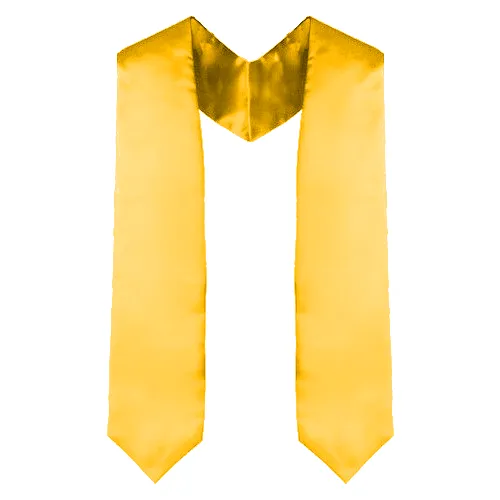
- Middle layer: Academic stoles like a Cap and Gown Direct stole that represent your major, cultural organization, or Greek affiliation.
- Top layer: Honor cords that drape over everything else and catch the light during photos.
- Optional sash: Sashes for graduation custom designs go over one shoulder for student government, military honors, or special recognitions.
If you’re wearing a white graduation dress or navy grad dress underneath, lighter cord colors like silver, white, or pale blue create better contrast for photos than gold or red.
Doctoral and PhD Considerations
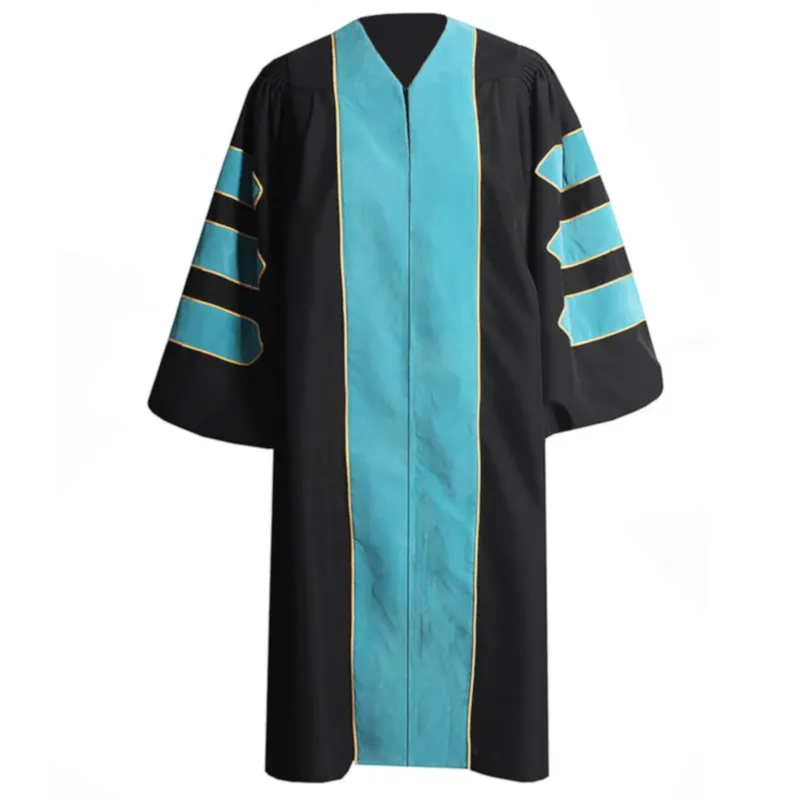
For doctoral regalia or phd regalia, cords are less common because the velvet hood panels and sleeve bars already indicate your field and institution. If your program does award cords, wear them outside the hood so they remain visible in processional photos.
Multiple Cords: Wearing and Arrangement Rules
Many graduates earn two, three, or even five cords across honor societies, departmental awards, and service organizations. Here’s how we arrange multiple cords without looking cluttered:
- Two cords: Drape them together as one unit with all four tassels hanging evenly at the same length.
- Three or more cords: Separate them into two groups (e.g., two on the left, two on the right) so individual colors remain visible in photos.
- Stacking order: Place metallic cords (gold, silver) closest to your neck where light hits them, then layer matte colors underneath.
Most cords measure 60 to 68 inches in a loop, so they naturally sit at mid-thigh length on a 5’4″ to 6’2″ wearer. If you’re significantly shorter or taller, grab the code and look for adjustable-length cords or plan to knot them discreetly at the back of your neck.
Regional and Institutional Variations in Cord Colors
Not every school follows the national standard. We’ve documented these common variations across 40+ university systems:
| Region / Type | Color Swap | Standard Meaning | Local Meaning |
|---|---|---|---|
| Southern universities | Red | Leadership or honor society | Sometimes general honors or school spirit |
| HBCU traditions | Kente stoles replace cords | N/A | Cultural heritage, not academic discipline |
| Ivy League schools | Minimal cord use | Varies | Hoods and gown trim convey honors instead |
| Community colleges | Bright multi-color | Rare nationally | Program completion or transfer student recognition |
International students should note that Canadian and UK institutions rarely use cords at all, preferring colored hood linings and gown facings to indicate degree level and field.
Where to Buy and How to Verify Your School’s Requirements
Before you order, visit your school’s commencement office website or student portal. Most publish a regalia guide 8 to 12 weeks before graduation that lists approved cord colors, vendor partnerships, and dress code rules.
Official School Vendors vs. Third-Party Retailers
Your university may contract with a specific vendor, but you’re usually free to purchase regalia anywhere as long as it matches specifications. Third-party retailers often cost 20% to 40% less than campus bookstores. We’ve found that Cap and Gown Direct stocks the widest color range and ships cords individually so you only pay for what you’ve earned.
When you check current pricing, confirm the cord material (rayon, polyester, or acetate) because shinier finishes photograph better outdoors while matte finishes look more formal indoors.
Timeline for Ordering
- 12+ weeks out: Order your endea graduation shiny graduation gown and base regalia first.
- 6 to 8 weeks out: Confirm which cords you qualify for through honor society notifications and final GPA postings.
- 4 weeks minimum: Place your cord order to allow for shipping and any needed exchanges.
Rush shipping exists but often doubles the cost, so plan ahead.
Caring for and Storing Cords After Graduation
Graduation cords are keepsakes, not disposables. We store ours in acid-free tissue inside a garment box to prevent tangling and color fade.
Cleaning and Maintenance
- Rayon and acetate cords: Spot-clean only with a damp cloth. Never machine wash or the twist will loosen.
- Polyester cords: Hand wash in cool water with mild detergent, then air dry flat. Do not wring.
- Metallic threads: Wipe with a dry microfiber cloth. Water can tarnish or dull metallic finishes.
Hang cords on a padded hanger for 24 hours after your ceremony to let any wrinkles from your grad cap and gown bag release naturally. Iron or steam only if the care tag explicitly allows it, as most cord materials melt under direct heat.
Display Ideas
Many graduates frame their cords alongside their diploma, tassel, and a ceremony photo. Shadow boxes with UV-protective glass prevent sun damage if you hang them near a window. Others drape cords over a graduation teddy bear or memory quilt, though this can stretch the loop over time.

If you earned silver grad dresses or standout regalia, consider a full-outfit mannequin display for your home office or study. Just keep cords out of direct sunlight and away from humidity to preserve the color for decades.
Questions
Can I wear cords with an endea graduation shiny graduation gown if my school doesn't award them?
Technically yes, but it's considered inappropriate unless you've earned them through an honor society or academic achievement. Wearing unearned cords misrepresents your accomplishments to fellow graduates and faculty.
Do graduation cord colors mean the same thing at every university?
Most schools follow a national standard for honors like gold (summa) and silver (magna), but discipline colors vary widely. Always check your registrar's commencement guide before ordering.
How many graduation cords can I wear at once?
There's no official limit, but wearing more than four or five looks cluttered in photos and can slip off your shoulders during the ceremony. Group them by color family if you have several.
What's the difference between a graduation cord and a stole?
Cords are thin twisted ropes that drape in a loop and signify honors or societies. Stoles are flat fabric sashes worn around the neck that represent your major, cultural group, or organization.
Should I buy graduation cords from my school bookstore or online?
Both work as long as the colors match your school's requirements. Online retailers like Cap and Gown Direct often cost less and offer individual cord sales rather than bundles.
Can I wear honor cords if I'm getting a master's or doctoral degree?
Master's students often wear them, but doctoral candidates rarely do because the academic hood already conveys field and honors. Check your graduate school's regalia rules.
Products in this guide


 Shopping at Cap and Gown Direct? See the discount code
10% OFF Sitewide
Shopping at Cap and Gown Direct? See the discount code
10% OFF Sitewide
More in this series
How Long Should a Masters Graduation Gown Be?6 Aug 20264 minWhat to Wear Under Your Graduation Gown: Dress Code by Degree Level6 Aug 20265 minDo Graduation Stoles and Sashes Mean the Same Thing?6 Aug 20265 minCap and Gown vs. Full Regalia: What Do You Actually Need for Graduation?6 Aug 20264 minHow to Wear a Doctoral Hood Correctly: Placement and Draping Guide6 Aug 20264 min