 A Gustus Vitae guide
Vietnamese Pho Spices and Thai Spices: What’s the Difference and Which to Buy
Vietnamese pho spices and Thai spice blends serve different culinary purposes, and knowing the difference helps you build the right pantry for Asian cooking.
Vietnamese pho spices and Thai spice blends serve different culinary purposes, and knowing the difference helps you build the right pantry for Asian cooking. While both traditions anchor Southeast Asian cuisine, they use distinct flavor profiles and ingredient combinations.
Vietnamese Pho Spices vs Thai Spices: Core Differences
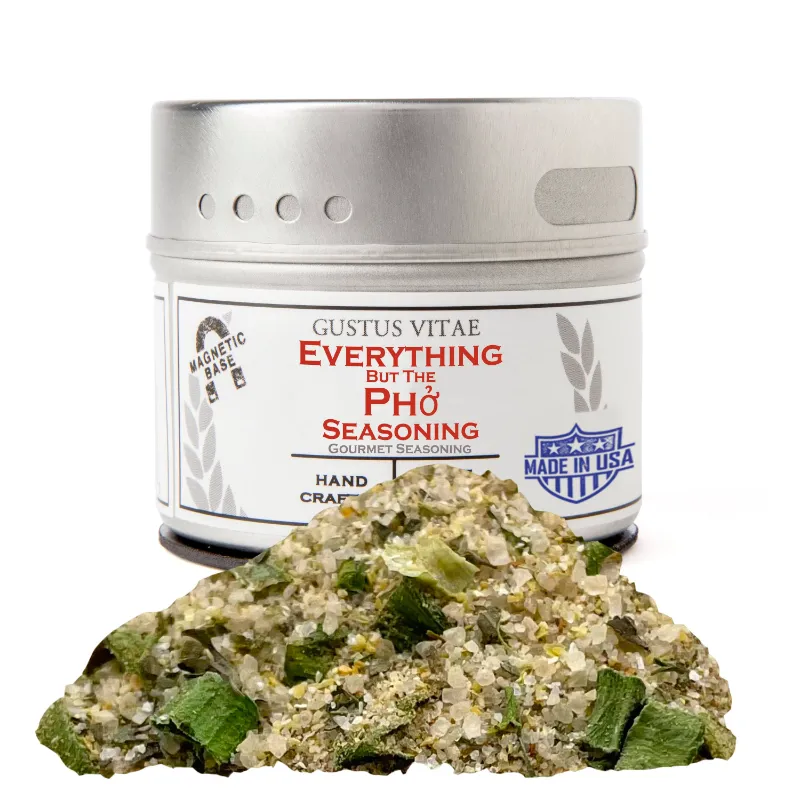
Vietnamese pho spices center on warming, aromatic notes that build a subtle, layered broth. Vietnamese pho spices typically include star anise, cinnamon, clove, and coriander seed, designed to simmer for hours in beef or chicken stock. Thai spices, by contrast, lean toward heat and brightness. Thaï spices feature lemongrass, galangal, Thai chilies, and fresh herbs, with punchy, immediate impact meant to wake up curries, stir-fries, and noodle dishes.
The key difference: pho spice blends are built for extraction over time, while Thai blends deliver quick flavor intensity. If you’re making an authentic pho recipe, you’ll want the warm spice backbone. For Thai dishes like curries or pad Thai, you need the fresh, sharp bite that Thai spice blends provide.
What’s in Vietnamese Pho Spices and Why
Vietnamese pho spices work through slow infusion. Star anise gives licorice notes, cinnamon adds sweetness and warmth, clove brings depth, and coriander seed adds subtle citrus. These are toasted before going into the broth so their oils release gradually as the stock simmers. A pho seasoning powder version lets you skip whole spices if you’re short on time, though purists prefer the whole-spice approach.
The best pho spice packet approach means you’re layering flavors, not just tossing in a powder. When you’re building a pho recipe authentic to Vietnamese tradition, those warming spices need 12 to 24 hours of contact with stock to reach their full potential. This slow extraction is why pho has that deep, round flavor that feels almost brothy comfort in a bowl.
Thai Spices: Heat and Fresh Brightness
Thaï spices operate on speed. Lemongrass provides citrus without acidity, galangal (Thai ginger) delivers a sharp, peppery heat, and Thai chilies bring serious fire. These aren’t meant to simmer for hours; they’re meant to explode across your palate in the first bite. Thai spice blends also often include turmeric, which adds earthiness and color, and white pepper for a cleaner heat than black pepper.
If you’re making curry pastes, stir-fries, or quick noodle soups, Thai spices give you the brightness and punch that define the cuisine. They work with coconut milk, lime juice, and fish sauce to create that balance of salty, sour, spicy, and sweet that Thai food is known for.
How to Use Each in Your Kitchen
Vietnamese pho spices work best when you:
- Toast whole spices in a dry pan for 2 to 3 minutes to deepen flavor
- Add them to your broth base at the start of cooking
- Let them infuse for at least 4 to 6 hours, ideally overnight
- Strain them out before serving
Thaï spices are more flexible. You can:
- Blend them fresh into curry pastes with garlic, ginger, and chilies
- Stir them directly into coconut milk or broth for quick soups
- Add them near the end of cooking to keep their brightness
- Use them in rubs for grilled chicken or fish
The timing difference matters. With pho, patience is part of the process. With Thai cooking, speed preserves the fresh impact.
Complementary Spices to Round Out Your Collection
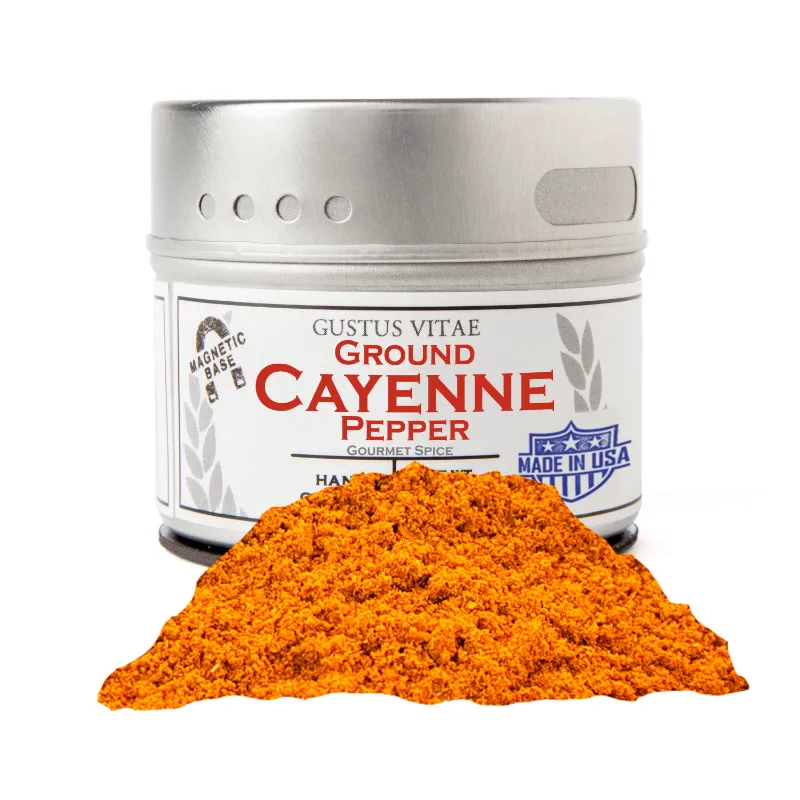
Neither pho nor Thai cooking lives in isolation. Building a versatile Asian spice drawer means adding supporting players. Ground cayenne pepper bridges both traditions, adding heat where you need it. Spanish paprika works in some Vietnamese dishes for depth, while asian spices blends can cover quick weeknight bases when you don’t have time to build from scratch.
If you’re into seasoning blends beyond pho and Thai, fried rice seasoning complements both traditions for finishing rice dishes, and ca chili adds another chili dimension when one heat level isn’t enough.
Which Should You Buy First
Start with vietnamese pho spices if you make broth-based soups regularly. A good pho spice blend is hard to replicate without the right mix, and whole spices or a quality pho spice packet set you up for chicken pho recipe or beef pho attempts that actually taste right.
Choose thaï spices if curries, stir-fries, or quick noodle dishes are your thing. You’ll reach for them more often in faster cooking, and the flavor profile is instantly recognizable.
If you’re building from scratch and cook both cuisines, grab vietnamese pho spices first, then add Thai spices within the month. They’re different enough that having both on hand means you’re never guessing which direction your dish should go. Check the latest price and stock up while the discount is active.
Questions
What's the best pho spice packet or blend for beginners?
Look for a blend with whole star anise, cinnamon, clove, and coriander seed so you can see what you're working with. Pre-ground pho seasoning powder works faster but loses some depth. Gustus Vitae's vietnamese pho spices are a solid entry point.
Can I use thai spices in a pho recipe?
Not interchangeably. Thai spices bring heat and brightness that overpowers pho's slow, warming base. They're designed for different timing and flavor goals, so stick with authentic Vietnamese pho spices for broth.
How long do vietnamese pho spices last once opened?
Whole spices stay potent for 6 to 12 months in an airtight container away from heat and light. Ground pho seasoning powder fades faster, usually within 3 to 6 months, so use it sooner.
What's the difference between a pho spice packet and a pho seasoning powder?
A pho spice packet typically contains whole spices you toast and simmer for hours, extracting full flavor gradually. Pho seasoning powder is pre-ground for speed but delivers less depth. For an authentic pho recipe, whole spices win.
Do I need both vietnamese pho spices and thaï spices?
If you cook both cuisines, yes. They're too different to swap, and each delivers what its tradition demands. If you're new to Asian cooking, start with whichever cuisine you eat more often.
Can I use pho spices in beef pho and chicken pho the same way?
Yes, the spice blend stays the same, but beef pho typically simmers longer for richer broth, giving the spices more extraction time. Both work with the same vietnamese pho spices, just adjust your total cooking time.
Products in this guide
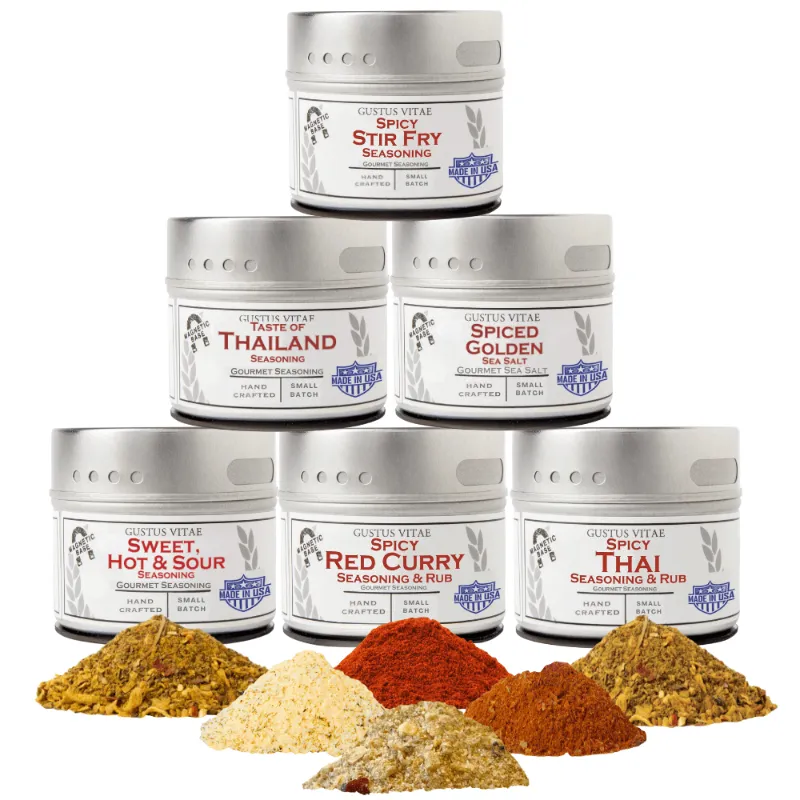
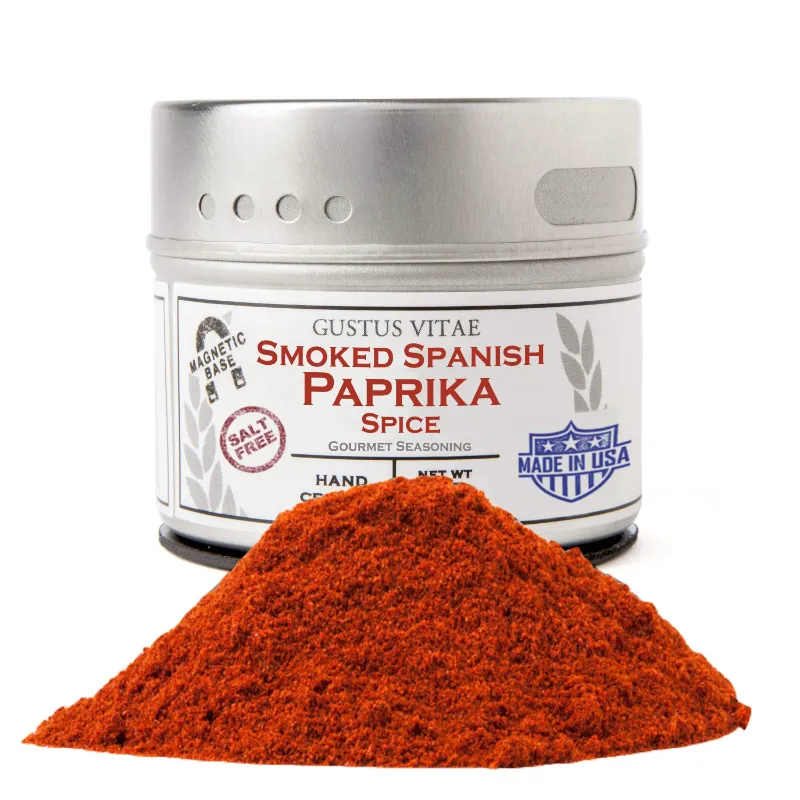
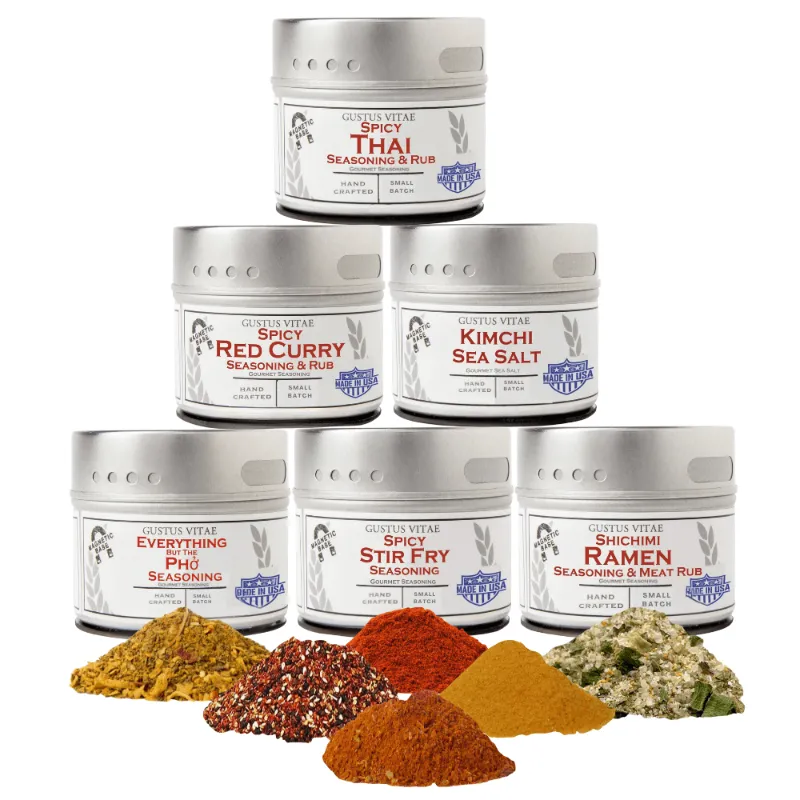
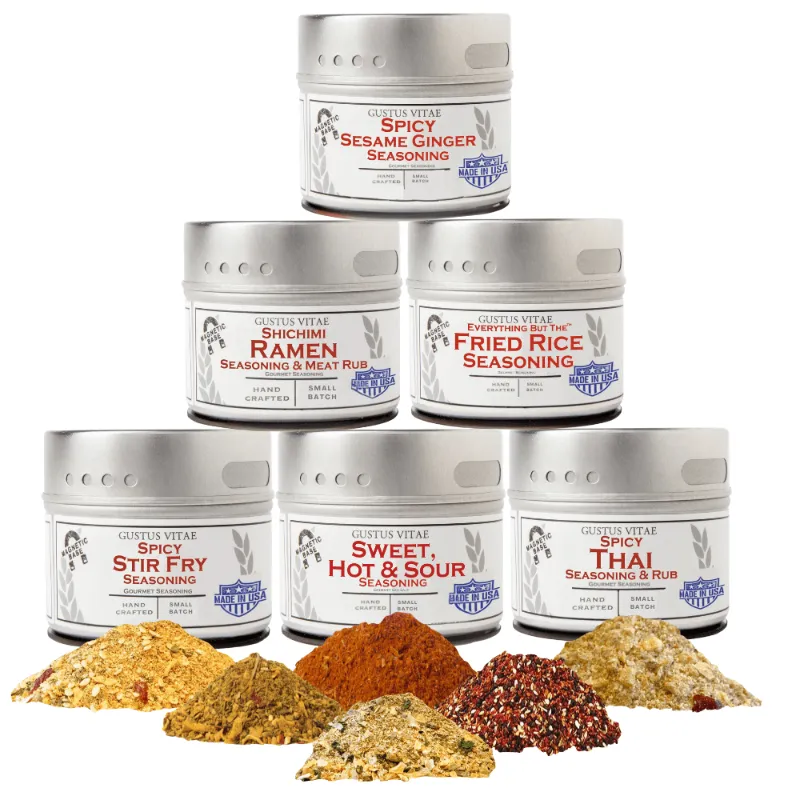
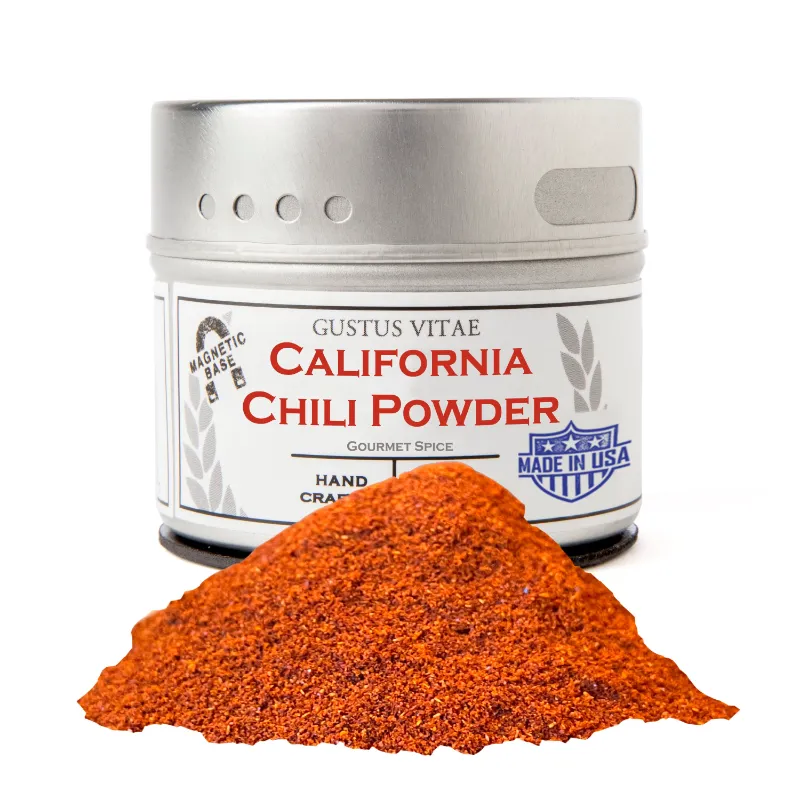 Shopping at Gustus Vitae? See the discount code
10% OFF All Orders
Shopping at Gustus Vitae? See the discount code
10% OFF All Orders
More in this series
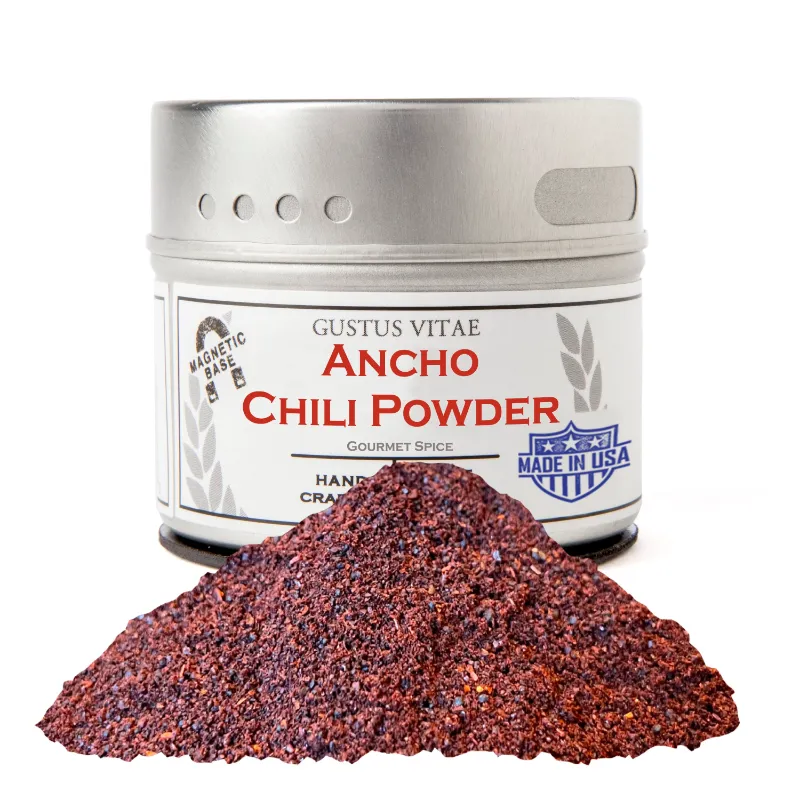 Harissa Powder vs Ancho Chili Powder: Which Heat Level and Flavor Works Best28 Aug 20264 minDoes Ground Cayenne Pepper Go Bad? Storage Tips and Shelf Life28 Aug 20264 minBest Spice Blends for Asian Cooking: Pho, Fried Rice, and Thai Dishes Compared28 Aug 20264 min
 How to Use Blue Spirulina Powder: Dosage, Storage, and Daily Recipes28 Aug 20263 min