 A Gustus Vitae guide
How to Use Blue Spirulina Powder: Dosage, Storage, and Daily Recipes
Blue spirulina powder is a nutrient-dense superfood that needs the right dosage and storage to deliver its full benefits in smoothies, bowls, and baked goods.
Blue spirulina powder is a nutrient-dense superfood that packs protein, antioxidants, and minerals into a vibrant blue-green form. Whether you’re new to this ingredient or looking to use it more effectively, knowing the right dosage, storage methods, and recipe ideas makes all the difference in getting the most out of your powder.
Blue Spirulina Dosage: How Much to Take
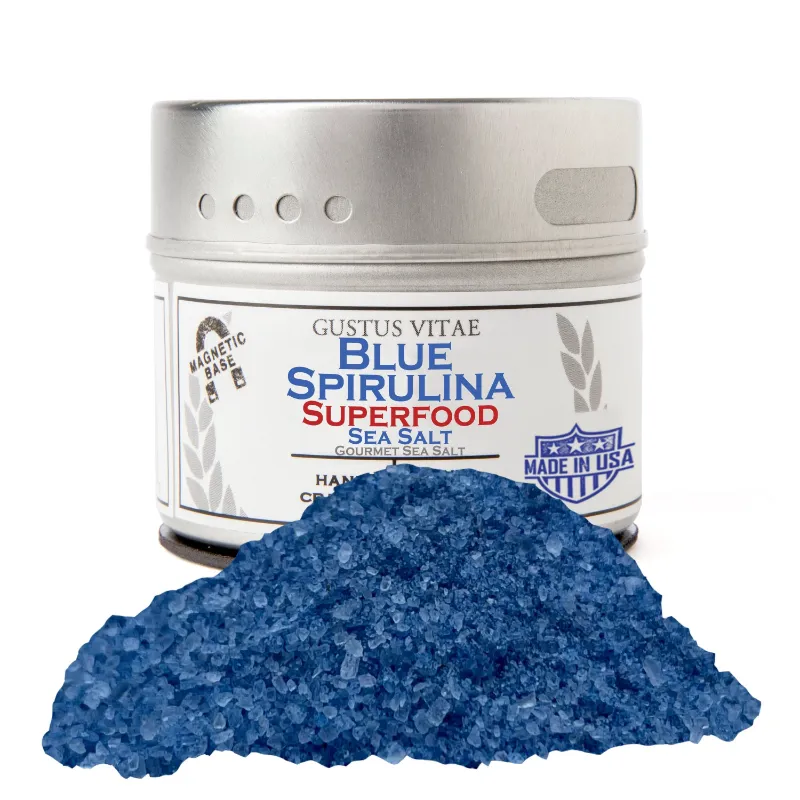
Most people start with a teaspoon (3-5 grams) of blue spirulina per day and adjust from there based on how their body responds. If you’re entirely new to the ingredient, start smaller and work your way up over a week or two. A standard serving ranges from one to three teaspoons daily, though some people take more as part of their wellness routine.
The key is consistency rather than large amounts. Taking it regularly in smaller doses works better than occasional larger servings. Always mix blue spirulina powder thoroughly into liquids or food to avoid clumping. If you’re pregnant, nursing, or taking medications, check with a healthcare provider first, as blue spirulina pregnancy) considerations and interactions exist.
How to Store Blue Spirulina Powder
Proper storage keeps your powder fresh and potent. Keep it in an airtight container away from direct sunlight, heat, and moisture. A cool, dark cupboard or pantry is ideal. Avoid the refrigerator unless your kitchen is very humid, since condensation can damage the powder.
Once opened, most blue spirulina powder stays fresh for 6 to 12 months if stored correctly. Humidity is the biggest enemy, so consider adding a food-grade desiccant packet to the container if you live in a humid climate. Always use a dry spoon when scooping to prevent moisture from entering the jar.
Blue Spirulina Taste and How to Mask It
Blue spirulina has a mild, slightly earthy taste that some people love and others find strong. If you’re not a fan of the flavor on its own, mixing it into smoothies, yogurt, or oatmeal works perfectly. Its vibrant color blends beautifully into smoothie bowls and gives them a striking appeal.
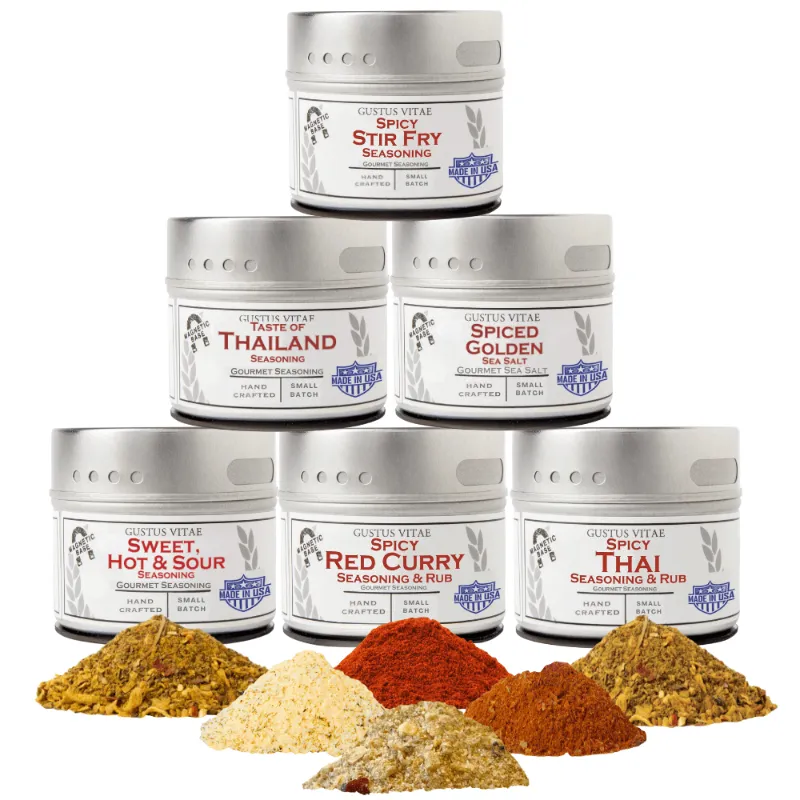
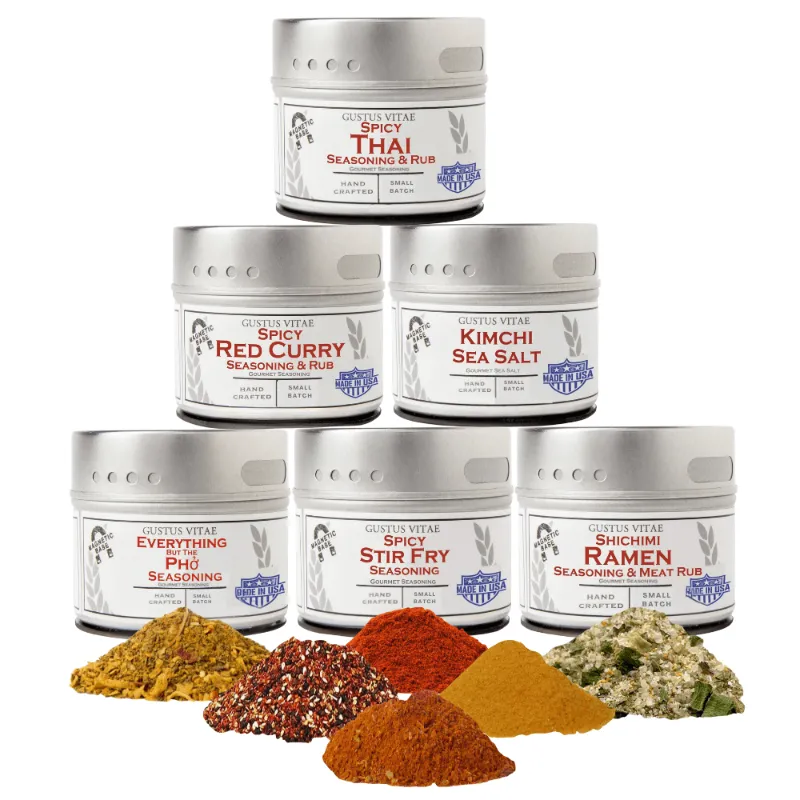
The taste of blue spirulina vs green algae varieties differs slightly, with blue spirulina offering a smoother, less fishy flavor than traditional green spirulina. Pairing it with tropical fruits like mango or pineapple, or adding complementary spices like thaï spices or asian spices, makes it blend seamlessly into your meals without a noticeable aftertaste.
Daily Blue Spirulina Recipes
Start your morning with a simple blue spirulina smoothie: blend one teaspoon of powder with a banana, frozen berries, almond milk, and Greek yogurt. Pour into a bowl and top with granola and coconut flakes for a beautiful smoothie bowl.
For a lunch boost, stir blue spirulina into overnight oats the night before. Mix oats, milk, chia seeds, and a teaspoon of powder, then refrigerate. In the morning, add fresh fruit and a drizzle of honey.
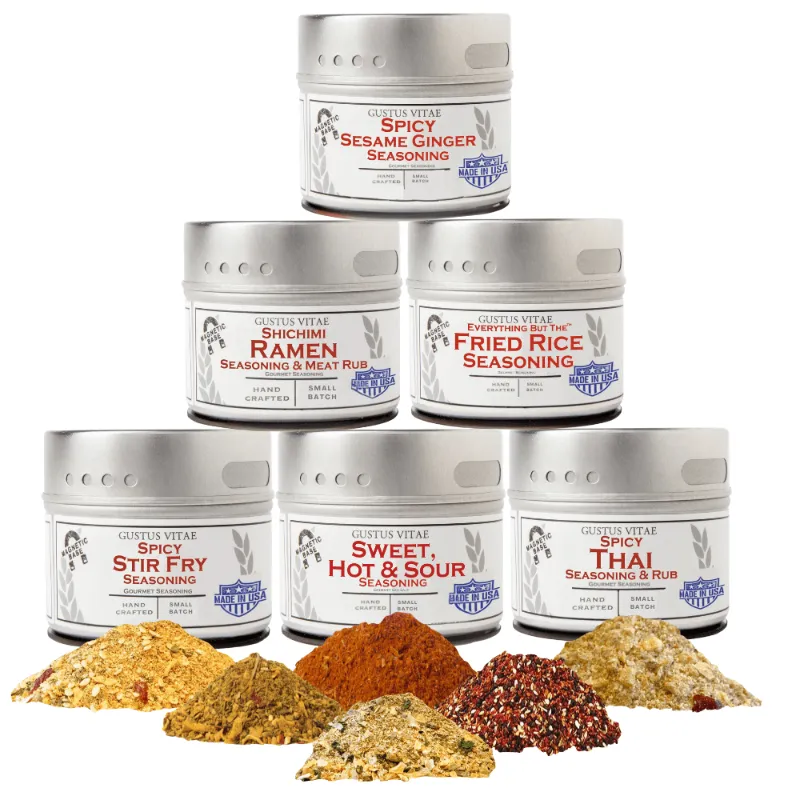
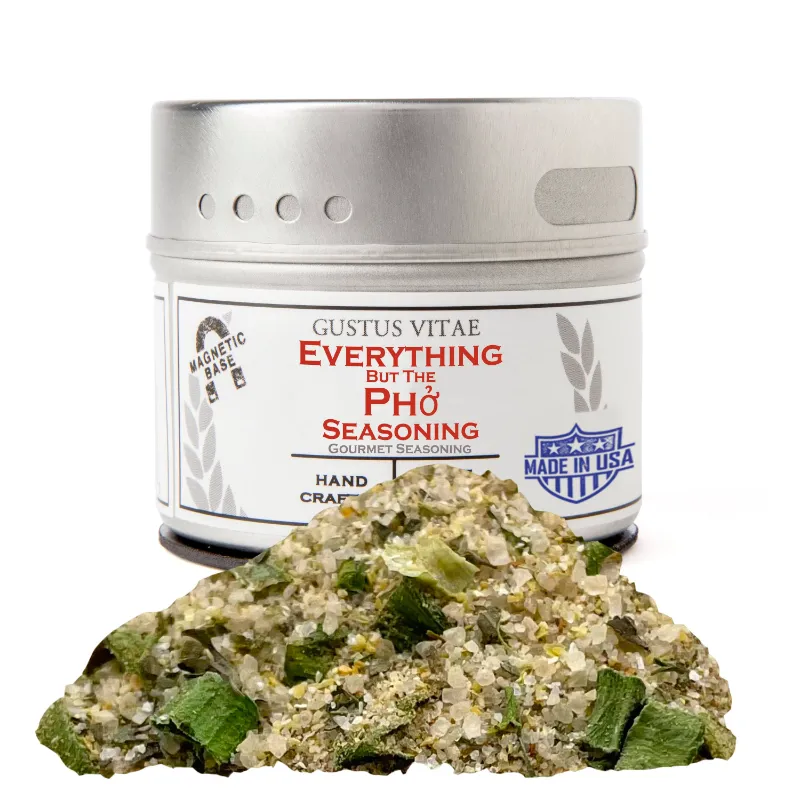
A savory option works too. Whisk blue spirulina into salad dressings or noodle bowls to add nutrition without changing the profile much. Pair with fried rice seasoning or vietnamese pho spices for a complete Asian-inspired meal.
For baking, add a small amount (half a teaspoon) to energy balls or protein bite recipes. The powder works in energy bars, nut butters, and even ice cream. Keep amounts modest in baked goods since heat can reduce some of the nutrient density.
Blue Spirulina Side Effects and Safety
Most people tolerate blue spirulina well, but blue spirulina side effects can include mild digestive changes, headaches, or nausea when first starting. These often fade as your body adjusts. Starting with a smaller dose prevents most issues.
People with shellfish allergies should be cautious, as spirulina grows in marine environments. If you have an autoimmune condition, thyroid issues, or are on blood thinners, consult a doctor before adding blue spirulina to your routine. Quality matters too, source your powder from reputable producers like Gustus Vitae.
Where to Buy Quality Blue Spirulina
Quality varies significantly between brands, so choose one that tests for purity and potency. Check the latest price at Gustus Vitae and grab the code for 10% off your order when you’re ready to stock up on blue spirulina and complementary flavors.
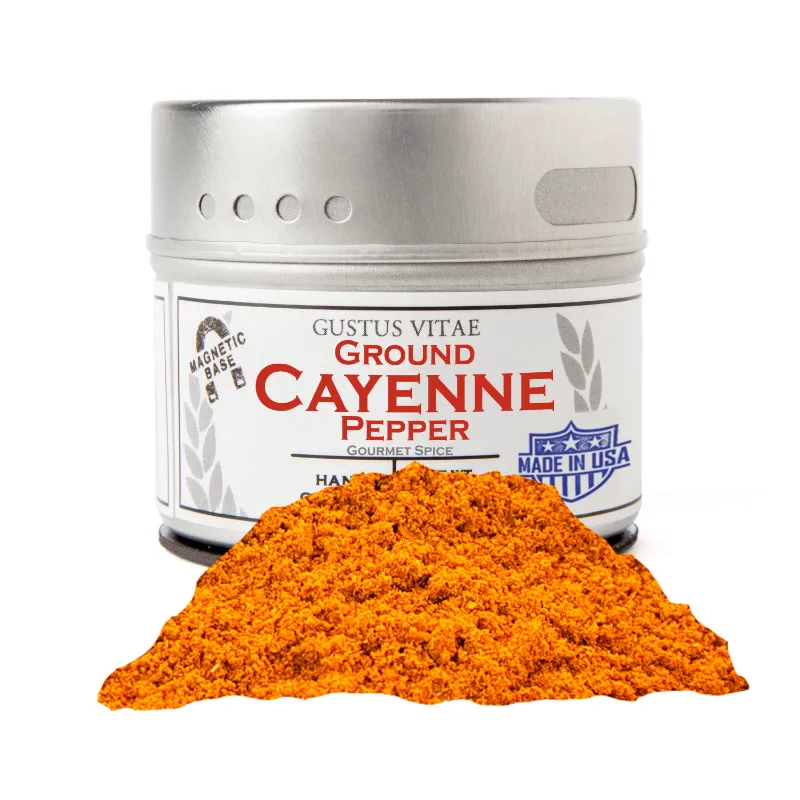
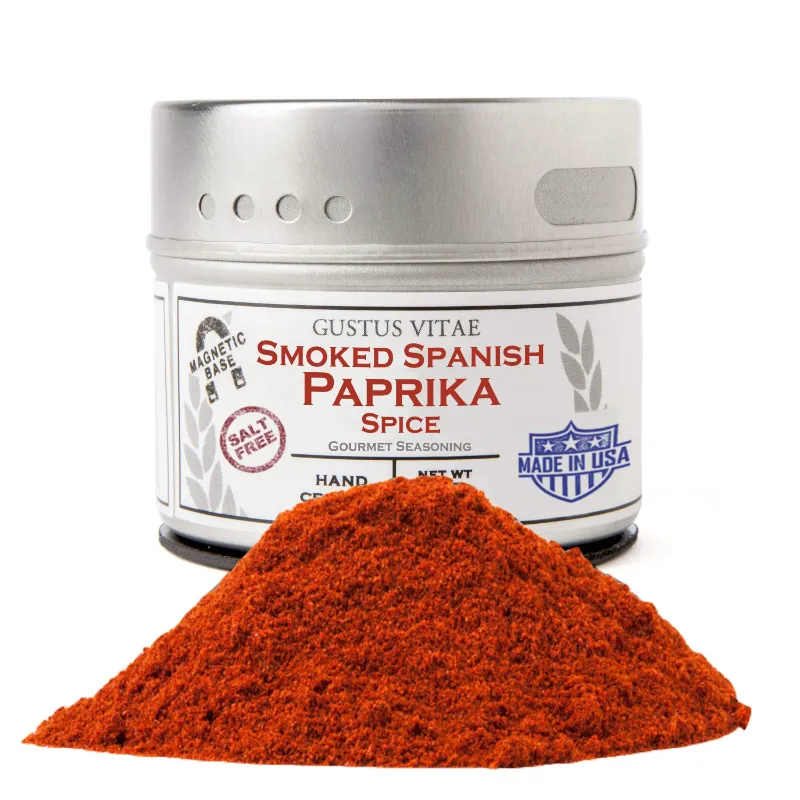
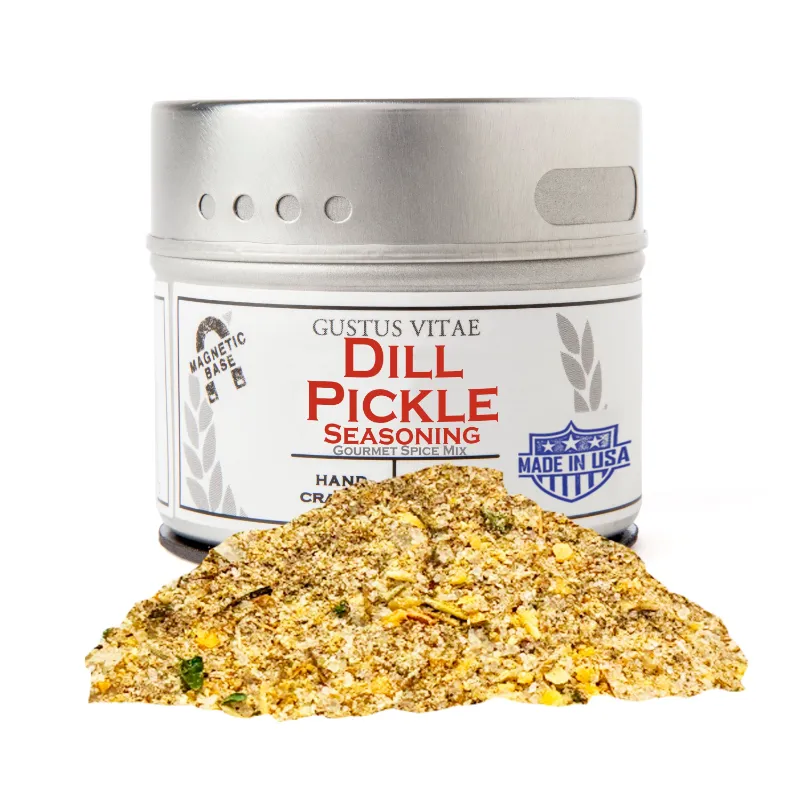
Pair your blue spirulina with other nutrient-rich seasonings from their range, like ground cayenne pepper, spanish paprika, or dill seasoning to build a well-rounded pantry of whole-food ingredients.
Questions
How much blue spirulina powder should I take each day?
Start with one teaspoon (3-5 grams) per day and adjust based on how you feel. Most people settle into one to three teaspoons daily. Consistency matters more than quantity.
What does blue spirulina taste like, and how do I use it if I don't like the flavor?
Blue spirulina has a mild, earthy taste. Mix it into smoothies, yogurt, or bowls with tropical fruits to mask the flavor. Pairing it with spices like thaï spices or asian spices also helps blend it seamlessly.
Is blue spirulina safe during pregnancy?
While blue spirulina contains nutrients, pregnancy changes nutrient needs and interactions. Always consult your doctor before adding it to your routine during pregnancy or while nursing.
How long does blue spirulina powder last once opened?
Stored in an airtight container away from heat, light, and moisture, it stays fresh for 6 to 12 months. Humidity is the main enemy, so keep it in a cool, dry place.
Can I bake with blue spirulina powder?
Yes, add small amounts (half a teaspoon) to energy balls, protein bites, or bars. Heat may reduce some nutrient density, so use it more as a flavor and color boost than the main nutrition source.
What are the side effects of blue spirulina, and who should avoid it?
Most people experience no issues, but some have mild digestive changes, headaches, or nausea when starting. Those with shellfish allergies, autoimmune conditions, or taking blood thinners should check with a doctor first.
Products in this guide
 Shopping at Gustus Vitae? See the discount code
10% OFF All Orders
Shopping at Gustus Vitae? See the discount code
10% OFF All Orders
More in this series
Vietnamese Pho Spices and Thai Spices: What’s the Difference and Which to Buy28 Aug 20263 min Harissa Powder vs Ancho Chili Powder: Which Heat Level and Flavor Works Best28 Aug 20264 minDoes Ground Cayenne Pepper Go Bad? Storage Tips and Shelf Life28 Aug 20264 minBest Spice Blends for Asian Cooking: Pho, Fried Rice, and Thai Dishes Compared28 Aug 20264 min