 A Bazyths guide
Vessel Sink vs Drop-In Sink: Pros and Cons for Your Bathroom Remodel
We break down the real pros and cons of a bath vessel sink versus a drop-in sink so you can pick the right style for your bathroom remodel.
A bath vessel sink sits on top of the counter like a piece of sculpture, while a drop-in sink fits into a cutout with its rim resting flush. Below we compare the two head-to-head so you can decide which belongs in your bathroom.
What Makes a Bath Vessel Sink Different
A bath vessel sink does not recess into the vanity. It perches above the counter surface, often made of glass, stone, copper, or ceramic. That raised profile is the main thing that sets it apart from a drop-in (or “self-rimming”) sink, which drops into a hole and uses its rim to hold it in place.
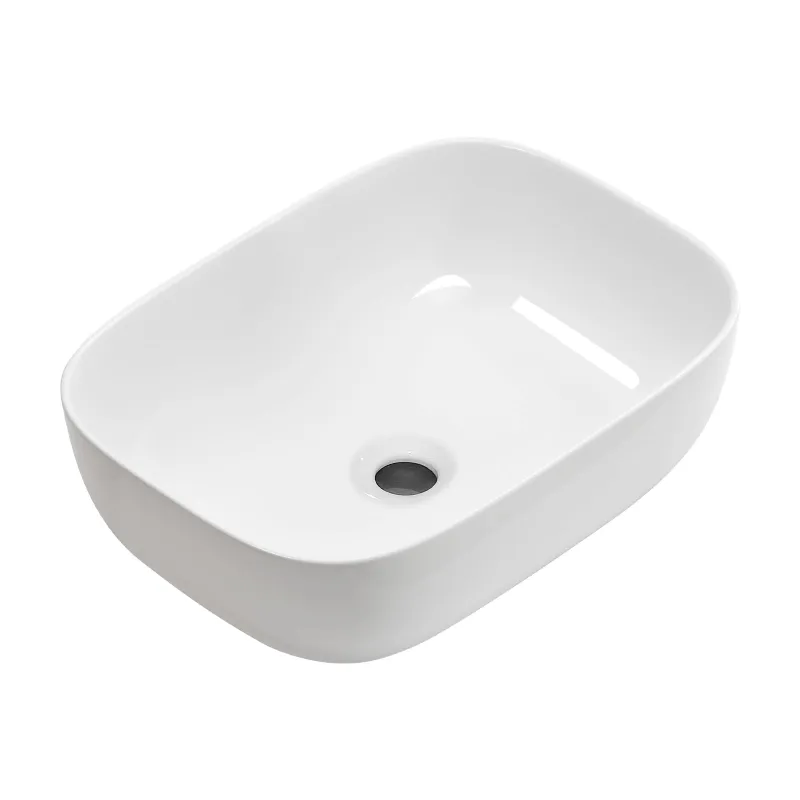
A modern vessel sink and vanity setup puts the bowl above the counter, which affects everything from faucet height to daily wipe-down habits. Vessel sinks also tend to need taller faucets (often called “vessel filler” faucets) since the spout must arc high enough to clear the bowl rim.
Style and Visual Impact
The biggest reason homeowners choose a bath vessel sink is the way it transforms the vanity into a focal point. A glass vessel with an under-mount LED glow, a hammered copper bowl, or a carved stone trough all read as intentional design rather than just plumbing.
| Feature | Bath Vessel Sink | Drop-In Sink |
|---|---|---|
| Visual presence | Sits above counter, becomes a centerpiece | Sits flush, blends into countertop |
| Best for | Statement bathrooms, powder rooms | Busy family baths, rental properties |
| Countertop required | Minimal or no counter space around it | Needs enough flat surface for rim |
| Faucet compatibility | Requires tall vessel filler faucet | Works with standard or wall-mount faucets |
If you are going for a spa-like or boutique-hotel feel, the vessel wins easily. For a kid’s bathroom where toothbrush splatter is a daily event, drop-in is usually the smarter call.
Cleaning and Maintenance Trade Offs
Here is where the debate gets practical. Vessel sinks look beautiful, but they create a cleaning seam where the bowl meets the counter. That joint can collect toothpaste, soap scum, and hard-water residue if you do not stay on top of it. Check the seal around a vessel sink so moisture cannot seep behind the bowl and stain the countertop.
Drop-in sinks have their own problem: the rim lip collects gunk where it meets the counter, especially on laminate or stone surfaces. Neither is maintenance-free, but the vessel demands more deliberate cleaning because the seam is visible at eye level.
To keep a vessel clean, we recommend:
- Using a squeegee after each use to minimize mineral buildup
- Sealing the bottom edge with clear silicone during installation
- Choosing a smooth-glaze finish over a textured one
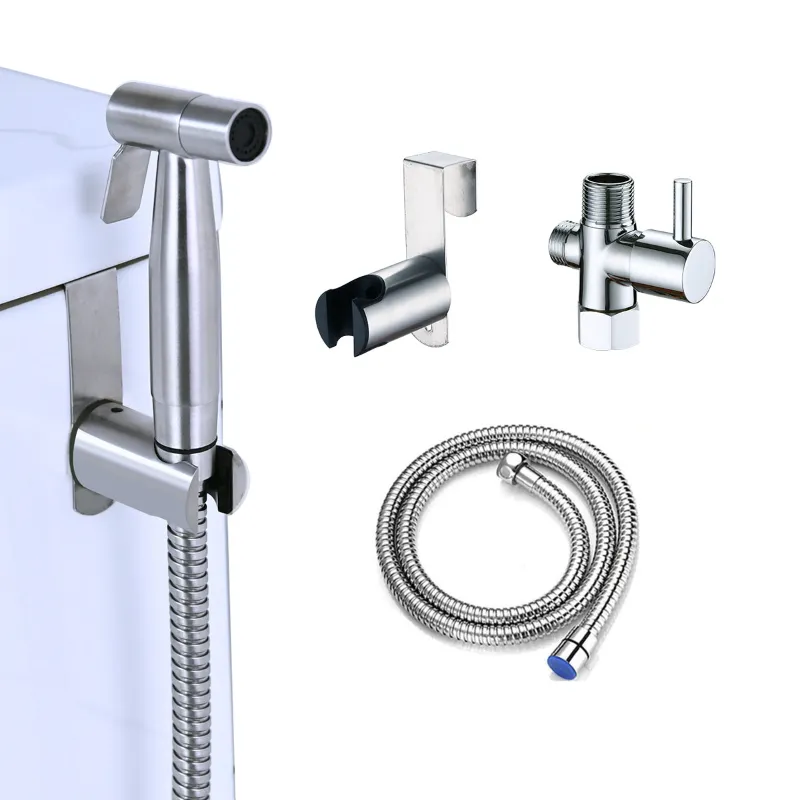
A bidet sprayer can actually help here by rinsing the basin between uses if your setup allows for it.
Installation and DIY Feasibility
A drop-in sink is the easier install for most DIYers. You cut a hole in the counter, drop the sink in, apply a bead of caulk around the rim, and connect the drain. Done.
A vessel sink requires more precision. You must:
- Position the drain hole in the counter exactly under the sink’s drain opening
- Mount the faucet to the counter (or wall) so it clears the bowl
- Drill a separate hole for the faucet if the vessel does not come pre-drilled
- Seal the bottom of the vessel to the counter to prevent water migration
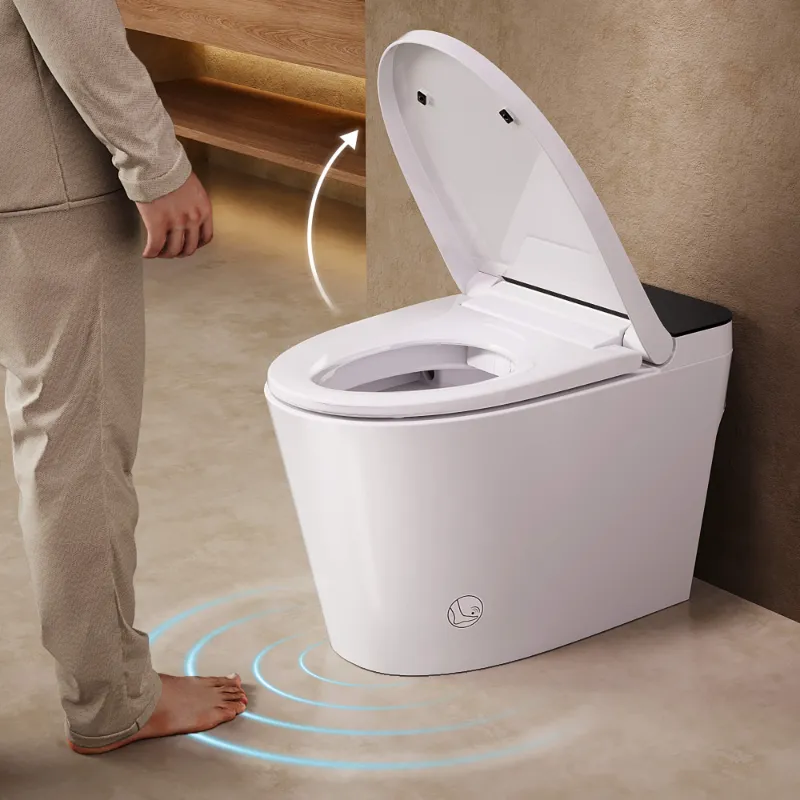
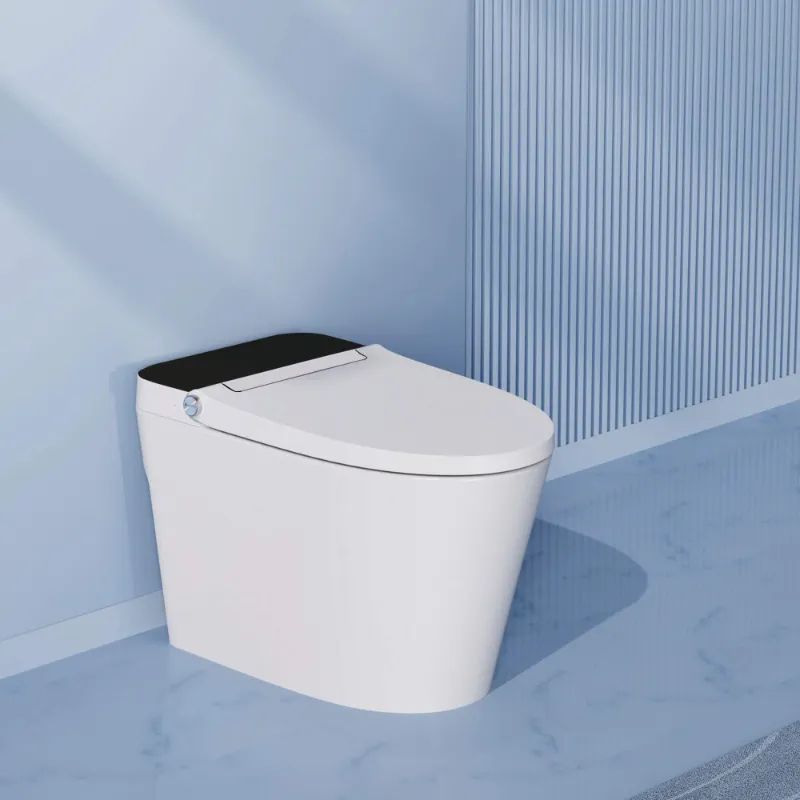
If you are pairing your vessel with a smart toilet setup, the learning curve for the bathroom as a whole goes up a little. Our bazyths smart toilet shares a similar installation philosophy: plan the rough-in carefully, and the finishing work goes smoothly.
Cost and Budget Considerations
Vessel sinks span a wide price range. You can find a basic glass vessel for under $80 or spend $600+ on a hand-forged copper piece. Drop-in sinks are generally cheaper to manufacture and install because the design is simpler and the faucet is standard height.
| Cost Factor | Bath Vessel Sink | Drop-In Sink |
|---|---|---|
| Sink itself | $80 to $600+ | $50 to $300 |
| Faucet needed | Tall vessel filler ($80 to $250) | Standard ($40 to $150) |
| Counter prep | Minimal (small hole for drain and faucet) | Full cutout needed |
| Installation labor (if hired) | Higher due to sealing and alignment | Standard |
That said, a well-chosen vessel sink can eliminate the need for an expensive slab because you only need a narrow vanity top rather than a full counter. For example, a modern vessel sink and vanity combo comes pre-matched and takes the guesswork out of sizing.
Which Sink Style Suits Which Room
Different bathrooms call for different sinks. Here is a breakdown by room:
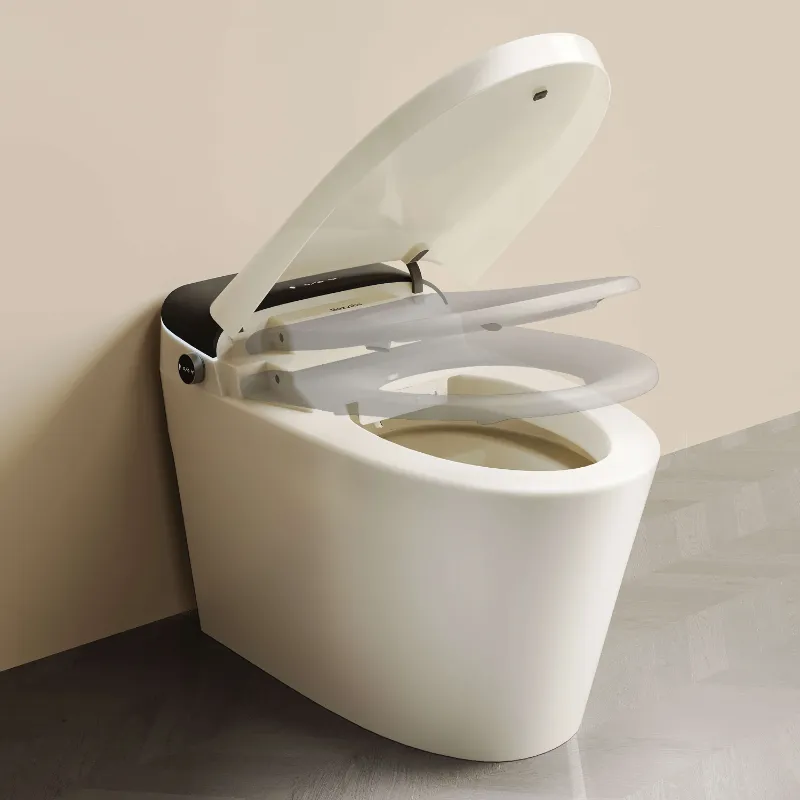
- Powder rooms and guest baths: Vessel sinks shine here because these rooms see light use and benefit from a wow factor.
- Master bathrooms: Either style works, but vessel sinks pair beautifully with freestanding tubs and toilets with bidet seats for a cohesive modern look.
- Kids’ bathrooms: Drop-in wins. Less splashing, easier to wipe, and no seam to trap grime at eye level.
- Small vanities: A vessel actually saves surface space because it sits on top, leaving the entire counter area usable around the bowl. That is a big advantage in tight layouts.
If you are remodeling the whole room, a quiet toilet plus a vessel sink creates a serene, high-end feel that guests notice immediately.
Materials and Durability
Vessel sinks come in materials that behave very differently:
- Tempered glass: Stunning but can chip if struck. Easy to clean if the coating is high quality.
- Natural stone: Heats up and cools down slowly. Needs annual sealing. Very durable.
- Copper: Antimicrobial surface, develops a patina over time. Scratch-prone but character-rich.
- Ceramic: Closest to a drop-in feel. Durable, affordable, and easy to clean.
Drop-in sinks are almost always porcelain-over-steel or fireclay, which are extremely durable and inexpensive to replace. If longevity at a low price is your priority, drop-in is hard to beat.
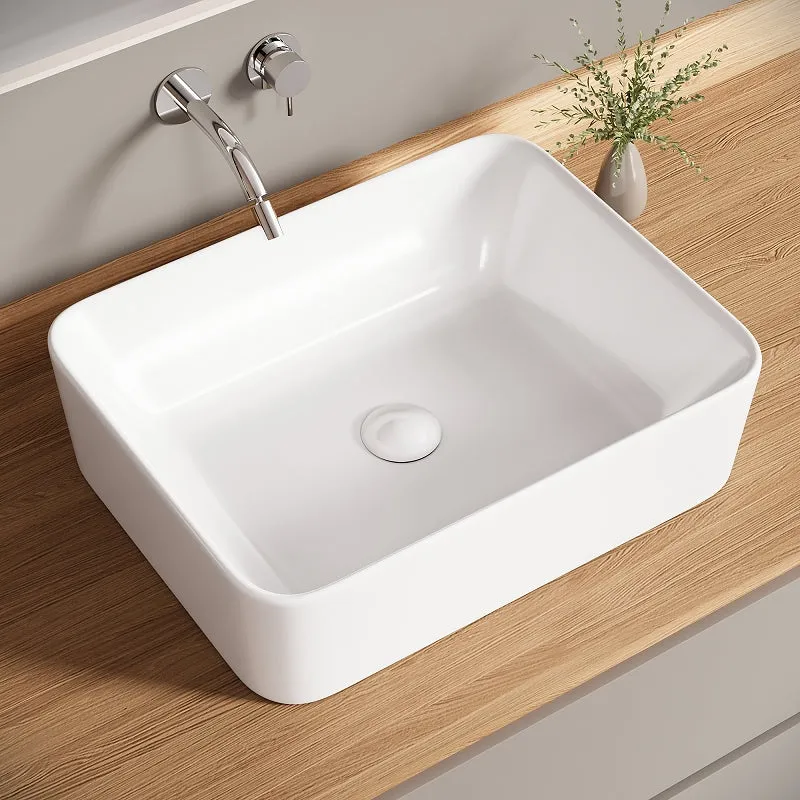
For a high-end remodel, we lean toward a stone or ceramic bath vessel sink paired with a matching vessel vanity. Check our coupon page to grab the code for current pricing and any active offers.
The Verdict
Choose a bath vessel sink if you want a design statement, have a small vanity that needs all the surface area it can get, or are willing to spend a few extra minutes on cleaning in exchange for an elevated look. Choose a drop-in sink if you need the lowest maintenance option, are on a tight budget, or are remodeling a high-traffic family bathroom.
Either way, think of the sink as one piece of a larger system. A beautiful vessel paired with a heated potty seat and a heated toilet turns an ordinary bathroom into a comfort-first space. For the best deal on a complete setup, check the latest offer before you buy.
Questions
Does a bath vessel sink need a special faucet?
Yes. Vessel sinks sit above the counter, so you need a tall faucet (often called a vessel filler) with a spout that reaches high enough to clear the bowl rim. A standard low-profile faucet will not work.
Are vessel sinks harder to clean than drop-in sinks?
Generally yes, because the seam where the bowl meets the counter collects grime at eye level. That said, a well-sealed, smooth-glaze vessel sink is not much harder to maintain if you wipe it down regularly.
Can I install a bath vessel sink on any vanity?
Most vanities work as long as the countertop can be drilled for the drain and faucet holes. For the best fit, a purpose-built vessel vanity like the modern vessel sink and vanity we sell eliminates guesswork.
Which sink style is better for a small bathroom?
A vessel sink can actually save counter space because the bowl sits on top, leaving the entire vanity surface usable around it. Drop-in sinks take up the same footprint but recess into the counter.
Do vessel sinks break more easily than drop-in sinks?
It depends on the material. Tempered glass and ceramic vessels are quite durable, though a heavy impact can chip them. Copper vessels dent rather than crack. Natural stone is very strong but can scratch or stain if unsealed.
What is the biggest drawback of a bath vessel sink?
The cleaning seam between the bowl and the counter is the most common complaint. If not sealed properly, moisture can also get trapped underneath and stain the countertop over time.
Products in this guide
 Shopping at Bazyths? See the discount code
$50 OFF All Orders
Shopping at Bazyths? See the discount code
$50 OFF All Orders
More in this series
How Long Do Smart Toilets Last and When Should You Replace Them?9 Sep 20265 minWhat to Look for When Buying a Quiet Toilet for a Master Bathroom9 Sep 20264 minHow to Clean a Heated Toilet Seat Without Damaging the Heating Elements9 Sep 20265 minSmart Toilet vs Bidet Seat: Which Upgrade Suits Your Bathroom?9 Sep 20264 minHow to Install a Bidet Seat on Your Existing Toilet Without a Plumber9 Sep 20265 min