 A Bazyths guide
How Long Do Smart Toilets Last and When Should You Replace Them?
Learn how long smart toilets typically last, the key signs it is time for a replacement, and what to look for when upgrading to a newer model.
Most smart toilets are built to last 10 to 15 years with proper care, but the electronics, seat motors, and bidet components often show wear sooner than the porcelain itself. Knowing when to repair versus replace can save you money and hassle. Below we break down the typical lifespan, common failure points, and the telltale signs that it is time to shop for a newer model.
Expected Lifespan of Smart Toilets
A quality smart toilet should deliver reliable service for a decade or more. The ceramic bowl and tank (if present) can easily outlast twenty years, while the electronic bidet seat, heated seat mechanism, and control panel tend to be the first parts to degrade.
| Component | Typical Lifespan | Notes |
|---|---|---|
| Ceramic bowl / trapway | 20+ years | Rarely fails unless cracked |
| Bidet seat / mechanism | 5 to 10 years | Dependent on water quality and usage |
| Heated seat heating element | 6 to 10 years | Gradual warmth loss is common |
| Remote / control board | 5 to 8 years | Electronics can fail from power surges |
| Water pump / solenoid valves | 5 to 8 years | Hard water accelerates wear |
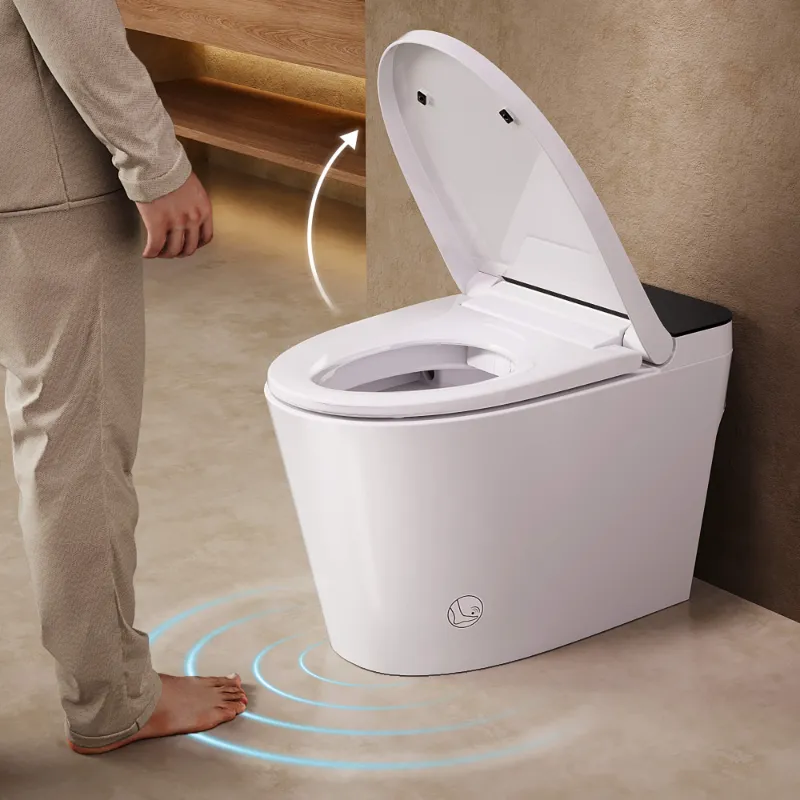
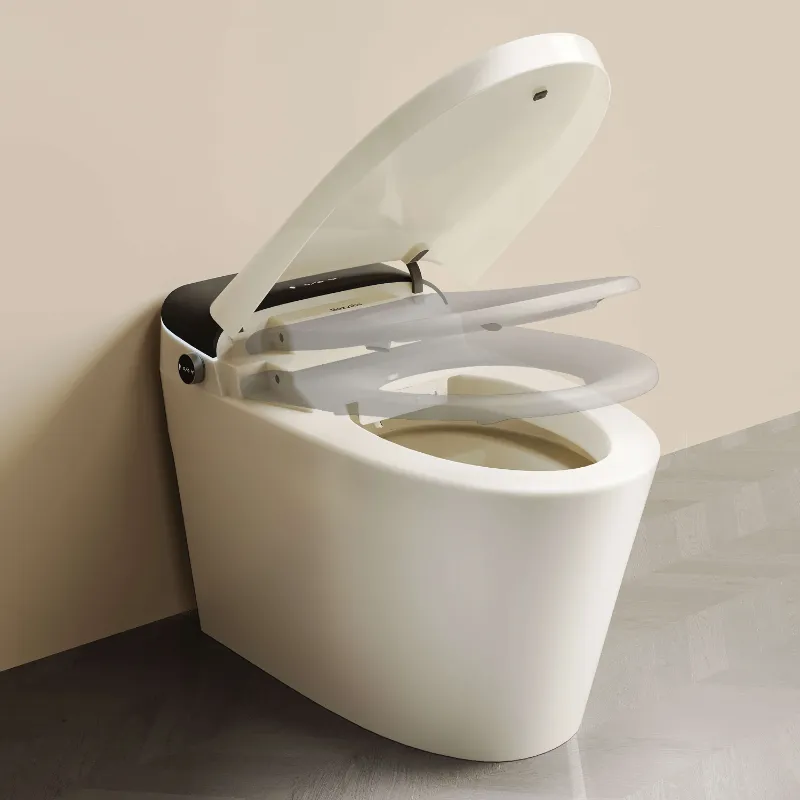
Units like the bazyths smart toilet use quality ceramic and replaceable bidet modules, which helps extend the useful life of the unit compared to all-in-one designs where a single failed part forces a full replacement.
Signs It Is Time for a New Smart Toilet
Even well-maintained smart toilets eventually need replacing. Watch for these common red flags:
- Intermittent or weak bidet spray: If your toilet seat with built in bidet sprays unevenly or stops responding to controls, the solenoid or pump is likely failing.
- Heated seat stops working: A heated potty seat that no longer warms up or only warms intermittently usually means the heating pad has burned out.
- Cracks in the ceramic: Hairline cracks around the bowl or tank can lead to leaks and bacteria buildup. Unlike a standard toilet, a smart unit with integrated electronics is far more complex to repair when the ceramic is compromised.
- Constant running or phantom flushes: This points to a failing fill valve or flush actuator, common on older toilets with bidet seats that have seen heavy daily use.
- Outdated features: If your unit lacks a warm air dryer, self-cleaning nozzle, or adjustable spray patterns, upgrading to a newer model can dramatically improve your daily comfort.
Can You Repair Instead of Replace?
Yes, in many cases. Minor issues like a stuck bidet nozzle, a loose seat hinge, or a worn rubber seal are straightforward fixes. Replacement parts for brands featured in smart toilets reviews are often available through the manufacturer or online retailers.
However, if the main control board fails, the cost of the part plus labor can approach half the price of a new unit. At that point we recommend replacing the whole toilet, especially if you are also dealing with an older model that lacks modern features like adjustable water temperature and self-cleaning modes.
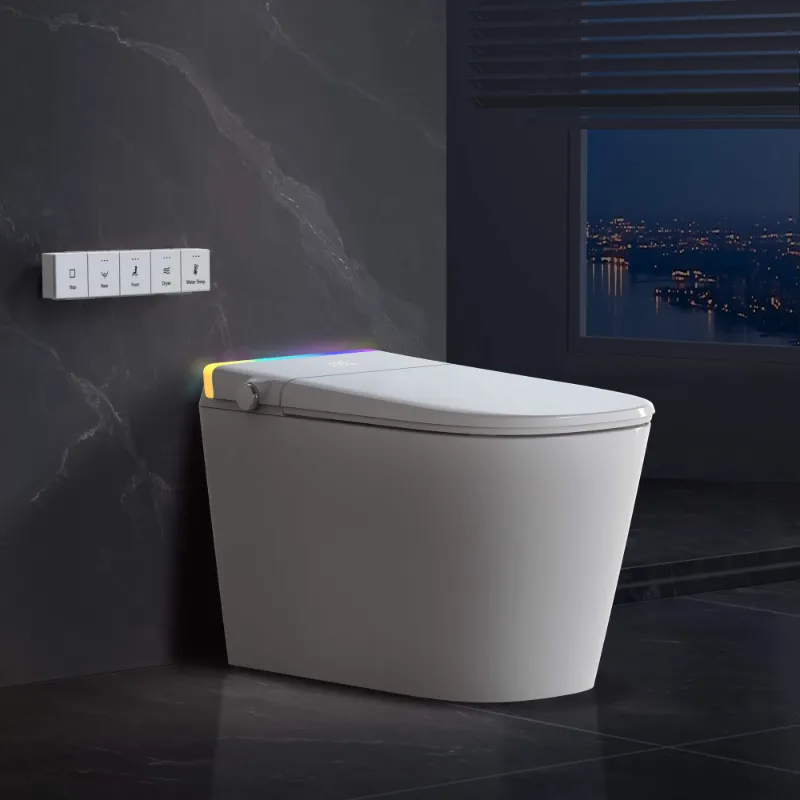
Smart toilets sold at smart toilet home depot or big-box retailers are often designed as sealed systems with limited repairability. The bazyths smart toilet line, by contrast, uses modular components that can be swapped without replacing the entire bowl, giving you more options when something breaks.
What to Look for in the Best Smart Toilets 2026
If you are shopping for a replacement, here is what we prioritize in the best smart toilets for 2026:
- Bidet functionality: Every model we recommend includes a smart toilet with bidet as a baseline feature. Adjustable water pressure, temperature, and nozzle position are non-negotiable.
- Quiet operation: A quiet toilet flush mechanism reduces noise, especially important in shared bathrooms or open-plan homes.
- Heated seat: A heated toilet seat with adjustable temperature settings adds comfort year-round.
- Easy maintenance: Look for removable bidet wands, self-cleaning nozzles, and accessible filter cartridges. Units that require a plumber to replace a simple part are not worth the savings.
- Water efficiency: Most modern smart toilets use 1.0 to 1.28 gallons per flush (GPF). Lower is better for your water bill and the environment.
The Consumer Reports guide on the 4 Best Smart Toilets, Lab-Tested and Reviewed and the Good Housekeeping roundup of 6 Best Smart Toilets of 2026, Tested & Reviewed both highlight the importance of reliable electronics and easy-to-clean designs when choosing a model that will last.
Does Water Quality Affect Lifespan?
Absolutely. Hard water is the number one enemy of smart toilets. Mineral buildup clogs bidet nozzles, gunks up solenoid valves, and scales the inside of the toilet trapway. If your home has hard water, installing a sediment filter or inline water softener before the toilet can add years to the bidet system.
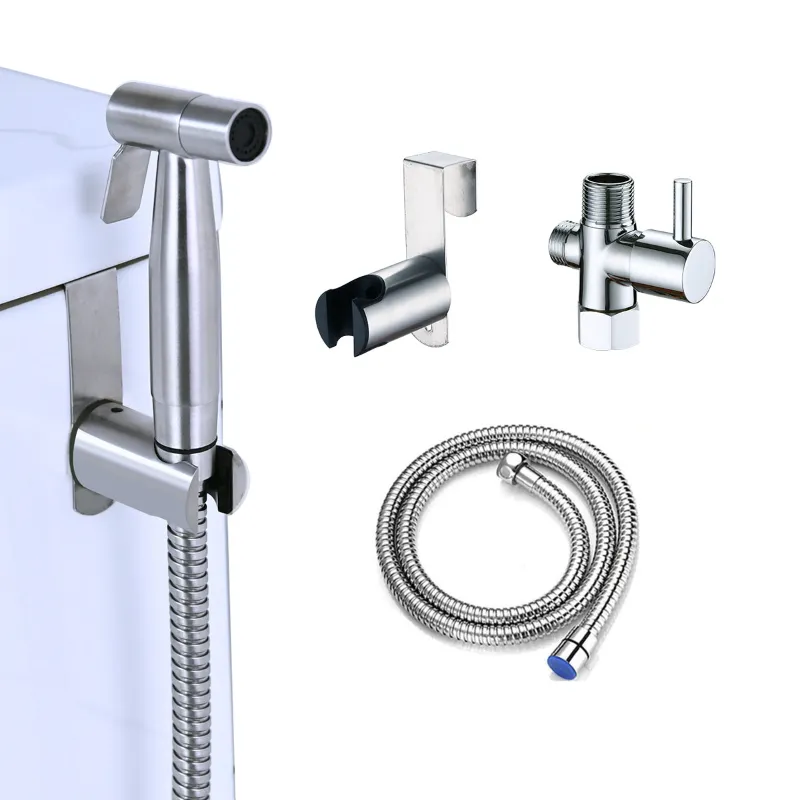
We also recommend cleaning the bidet wand and nozzle openings monthly with a mild vinegar solution (or the manufacturer’s recommended cleaner) to prevent calcium deposits. The bidet sprayer models we carry all include removable nozzles for exactly this reason.
Who Should Replace vs. Upgrade?
- Replace if your toilet is under 8 years old with a specific part failure (heated seat, flush valve, bidet nozzle). The cost of a repair kit is usually under $100.
- Upgrade if your toilet is over 10 years old, has recurring issues, or lacks modern features like a warm-air dryer, night light, or automatic flush. The comfort and hygiene improvements in newer models are substantial.
Check the current offer on the store page, we update pricing and code details at /bazyths-discount-code/ so you can see exactly what applies before you buy.
Matching a Smart Toilet to Your Bathroom Layout
A smart toilet works with most standard bathroom rough-in distances (10, 12, or 14 inches from the wall to the drain center). If you are also updating the rest of the space, consider pairing your new toilet with a bath vessel sink or a modern vessel sink and vanity for a cohesive look. The sleek, contemporary design of vessel sinks complements the clean lines of a wall-mounted or one-piece smart toilet beautifully.
For smaller bathrooms or curbless showers, a neo angle shower base can free up floor space and create a more open feel alongside a compact smart toilet. Matching the finish of your fixtures (chrome, brushed nickel, or matte black) pulls the whole room together.
Bottom Line
Smart toilets typically last 10 to 15 years, with the electronics failing sooner than the ceramic. Repair minor issues early, but do not hesitate to replace a unit that is over a decade old or one with a major control-board failure. The latest generation of smart toilets offers better hygiene, quieter operation, and more reliable bidet features than anything available even five years ago. Check the latest pricing and code before you decide, and read through the Kohler smart toilet lineup for additional design inspiration if you are planning a full bathroom refresh.
Questions
Do smart toilets require special plumbing?
Most smart toilets use standard 12-inch rough-in plumbing and a standard GFCI electrical outlet nearby. If you are replacing an existing toilet, the drain and water line are usually compatible. Hard-wired units may need an electrician.
Can a smart toilet work during a power outage?
Many smart toilets include a manual flush backup that lets you use the toilet without electricity. The bidet and heated seat will not function until power is restored. Check the product specifications for backup flush details before buying.
What is the average cost of replacing a smart toilet?
Prices vary widely based on features and brand. Entry-level smart toilets with basic bidet functions can cost less than higher-end models with auto-open lids, warm air dryers, and self-cleaning nozzles. We recommend checking current pricing on the store page for accurate numbers.
How do I clean a smart toilet without damaging the electronics?
Use a soft, damp cloth and mild, non-abrasive cleaners on the seat and exterior. Never spray water or cleaner directly at the control panel or electrical connections. Clean the bidet nozzle according to the manufacturer's instructions, typically with a vinegar solution or a dedicated nozzle cleaning cycle.
Are smart toilets worth the investment compared to standard toilets?
Yes, for most households. The hygiene benefits of a built-in bidet, the comfort of a heated seat, and the water savings from efficient flushing often offset the higher upfront cost over the lifespan of the unit. Reviews consistently show high owner satisfaction.
Products in this guide
Shopping at Bazyths? See the discount code
$50 OFF All Orders
More in this series
 Vessel Sink vs Drop-In Sink: Pros and Cons for Your Bathroom Remodel9 Sep 20265 minWhat to Look for When Buying a Quiet Toilet for a Master Bathroom9 Sep 20264 minHow to Clean a Heated Toilet Seat Without Damaging the Heating Elements9 Sep 20265 min
 Smart Toilet vs Bidet Seat: Which Upgrade Suits Your Bathroom?9 Sep 20264 minHow to Install a Bidet Seat on Your Existing Toilet Without a Plumber9 Sep 20265 min