 A Scarlet Darkness guide
Do Velvet Chokers Irritate Sensitive Skin? Care and Comfort Guide
A velvet choker rarely irritates sensitive skin when you choose quality materials and follow proper care practices to keep the fabric clean and soft.
A velvet choker rarely irritates sensitive skin when made from quality materials and cared for properly. Most skin reactions stem from synthetic backing fabrics, unwashed fibers trapping allergens, or metal clasps rather than the velvet itself.
Why Velvet Chokers Cause Less Irritation Than You Think
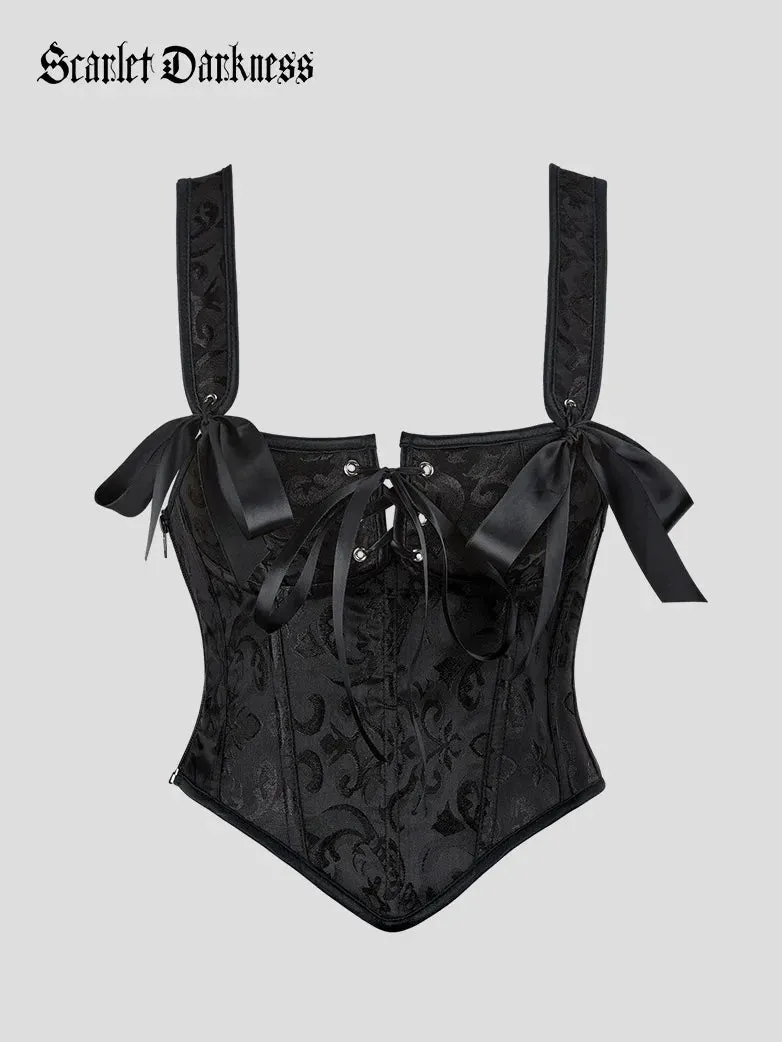
Genuine velvet pile creates a soft, directional nap that sits gently against skin without the rough texture of lace or stiff brocade. The closely woven fibers distribute pressure evenly around your neck instead of concentrating it on narrow bands. When you pair a black velvet choker with pendant alongside pieces like a black corset or prom gothic dresses, the choker typically becomes the most comfortable accessory in your ensemble.
The exceptions are budget chokers with polyester batting or scratchy elastic backing. These trap heat and moisture, creating friction that inflames sensitive skin within hours. We recommend checking the lining material before purchase and grabbing the code for retailers who disclose full fabric composition.
Choosing Hypoallergenic Velvet Choker Materials
Not all velvet performs the same against reactive skin. Here’s what works best:
- Cotton-blend velvet breathes better than pure polyester and wicks moisture away from your neck
- Silk velvet offers the softest pile but requires delicate care and typically costs more
- Rayon velvet balances affordability with a smooth hand feel, though it may pill faster
- Satin ribbon backing slides comfortably and resists the stiffness of grosgrain or elastic
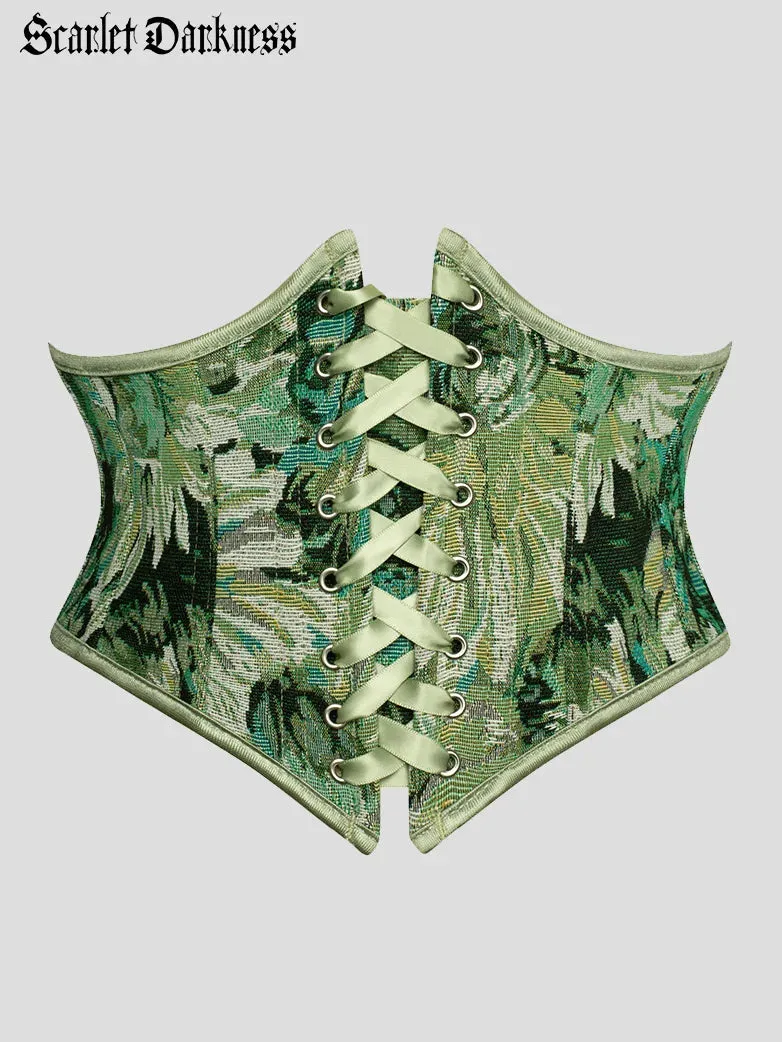
Check clasps and hardware next. Nickel-free lobster clasps and sterling silver jump rings prevent the contact dermatitis that masquerades as velvet sensitivity. A velvet choker with pendant needs hypoallergenic findings on both the chain and charm, especially if you layer it over a renaissance corset or ren faire outfits for multi-hour wear.
| Material | Breathability | Softness | Durability |
|---|---|---|---|
| Cotton-blend velvet | High | Medium-high | Medium |
| Silk velvet | High | Highest | Low |
| Rayon velvet | Medium | High | Medium |
| Polyester velvet | Low | Medium | High |
How to Prep and Care for Your Velvet Choker Necklace
New velvet harbors manufacturing residue, dust, and sizing chemicals that trigger reactions on first wear. Hand-wash every new velvet choker necklace before wearing it against your skin:
- Fill a basin with cool water and a drop of gentle, fragrance-free detergent
- Submerge the choker and swish gently for 30 seconds without twisting the velvet
- Rinse under cool running water until no soap remains
- Press between two clean towels to remove excess water (never wring)
- Lay flat on a dry towel away from direct heat or sunlight
Between wears, spot-clean with a damp microfiber cloth to remove skin oils and cosmetic residue. A red velvet choker or other saturated colors may bleed slightly during the first wash, so test colorfastness on a hidden section first. Store chokers flat or loosely coiled to prevent creases that create pressure points against your neck.
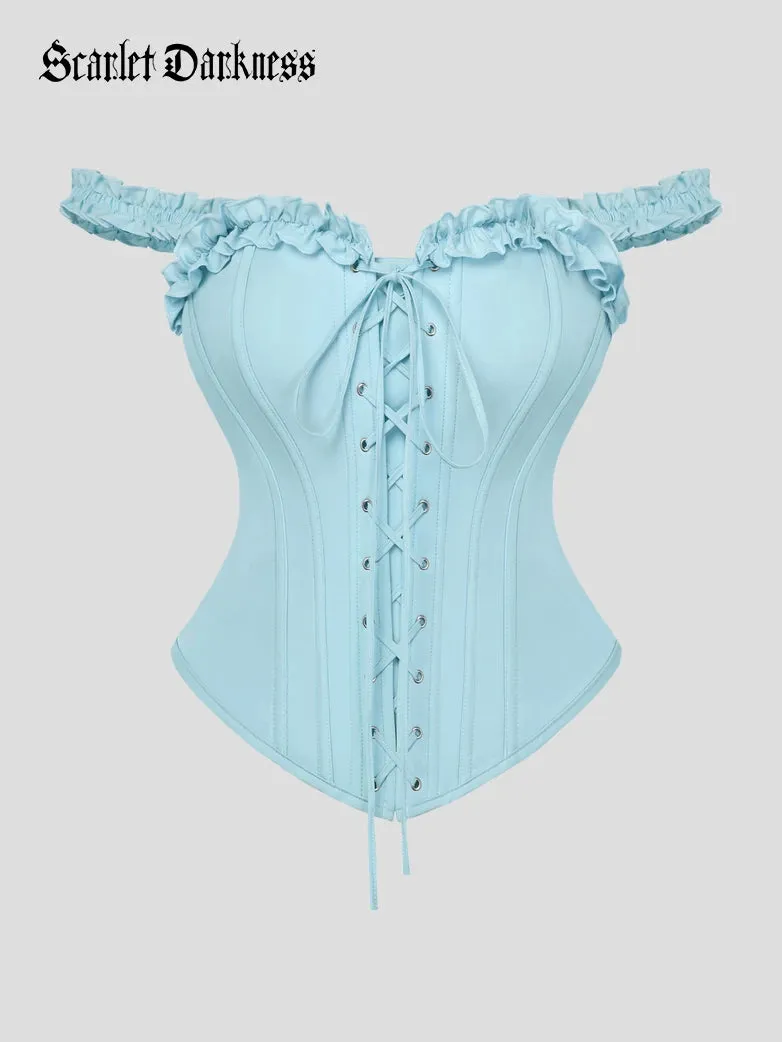
For pieces you wear with structured garments like a red corset or corset belt, allow the choker to air out for 24 hours between uses. The tight fit of corsetry pushes the choker closer to your skin and reduces airflow, so the fabric needs time to fully dry and release trapped perspiration.
Wearing Techniques That Prevent Velvet Choker Irritation
Fit matters more than fabric for sensitive skin. A choker pulled too tight compresses the velvet pile and turns soft fibers into an abrasive band. Aim for a fit that allows one finger to slide comfortably between the ribbon and your neck. This maintains the choker silhouette without strangling circulation or grinding fabric into your skin.

Position also affects comfort. Center the clasp at your nape rather than the side of your neck, where it can catch on hair or rub against the high collar of a milkmaid dress or crossette top. If you wear a black velvet choker with pendant, let the charm rest in the hollow of your throat rather than tight against your windpipe.
Consider when you apply skincare and fragrance. Oils, lotions, and alcohol-based perfumes stiffen velvet and introduce irritants directly against your skin. Apply these products at least 15 minutes before putting on your choker, and keep fragrance on your wrists or behind your ears instead of your décolletage.
Pairing Velvet Chokers with Gothic and Renaissance Styles
Velvet chokers anchor period and alternative looks without the bulk of metal collars or the fragility of lace. They layer well with:
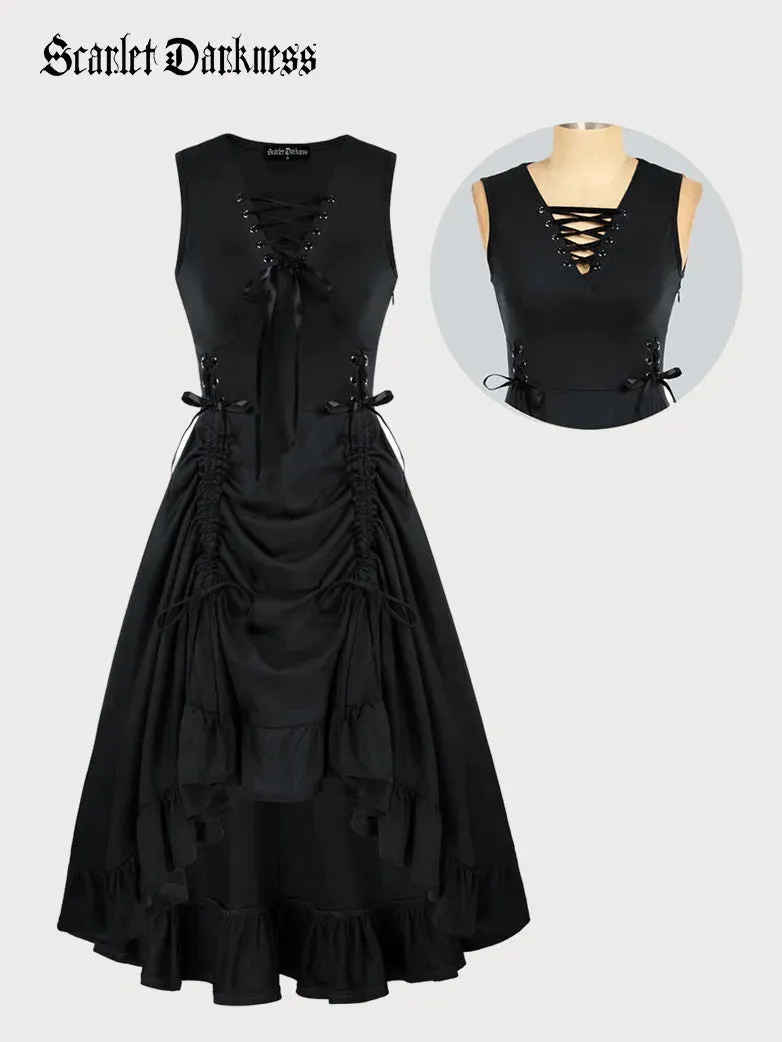
- Milk maiden dress silhouettes that need a romantic yet structured neckline accent
- Steam punk costumes where the velvet adds texture contrast against leather and brass
- Calla lily textured maxi skirt ensembles that benefit from drawing the eye upward
A velvet choker gold accent or pendant works particularly well with warm-toned corsetry and autumn color palettes. The soft pile prevents the harsh line that metal chokers create, making velvet ideal for all-day events like renaissance faires or formal gothic gatherings where comfort matters as much as aesthetic.
Check the latest pricing on chokers designed specifically for historical and alternative fashion. These typically feature adjustable sizing and finished edges that won’t fray or scratch.
When to Skip the Velvet Choker
Even hypoallergenic velvet isn’t suitable for every situation. We recommend avoiding velvet chokers if:
- You have active eczema, psoriasis, or open irritation on your neck
- You’re attending an outdoor summer event where heat and humidity will drench the fabric
- You have a documented contact allergy to the specific dye used in the velvet
- The event involves heavy physical activity that will saturate the choker with sweat
In these cases, consider a pirate bandana worn as a neck scarf or a simple satin ribbon that dries faster and sits more loosely. You can always reintroduce your velvet choker once skin has healed or conditions are more favorable.
For most wearers with sensitive skin, though, a properly selected and cared-for velvet choker delivers the gothic or romantic aesthetic you want without the redness, itching, or irritation that plagues cheaper costume jewelry. Start with a cotton-blend velvet choker in a neutral shade, test it for an hour at home, and gradually increase wear time as your skin adapts to the texture.
Questions
Can I wear a velvet choker if I have nickel allergies?
Yes, as long as the clasp and any metal findings are nickel-free. Look for sterling silver, surgical steel, or brass hardware, and verify the materials before purchasing.
How tight should a velvet choker fit to avoid irritation?
You should be able to slide one finger comfortably between the choker and your neck. Any tighter compresses the velvet pile and creates friction that can inflame sensitive skin.
Do I need to wash a new velvet choker before wearing it?
Yes, hand-wash new chokers in cool water with gentle detergent to remove manufacturing residue, dust, and sizing chemicals that commonly trigger reactions on first wear.
What type of velvet is safest for sensitive skin?
Cotton-blend or silk velvet with a satin ribbon backing causes the least irritation. These materials breathe well, wick moisture, and avoid the scratchy texture of polyester-backed options.
Can I wear a velvet choker with pendant all day without discomfort?
Most people can wear a properly fitted velvet choker with hypoallergenic findings for 8 to 10 hours comfortably. Remove it if you notice any redness or itching, and let your skin rest for 24 hours.
How do I clean velvet chokers without damaging them?
Hand-wash in cool water with fragrance-free detergent, rinse thoroughly, and press gently between towels. Lay flat to dry away from heat, and never wring or machine-wash velvet.
Products in this guide

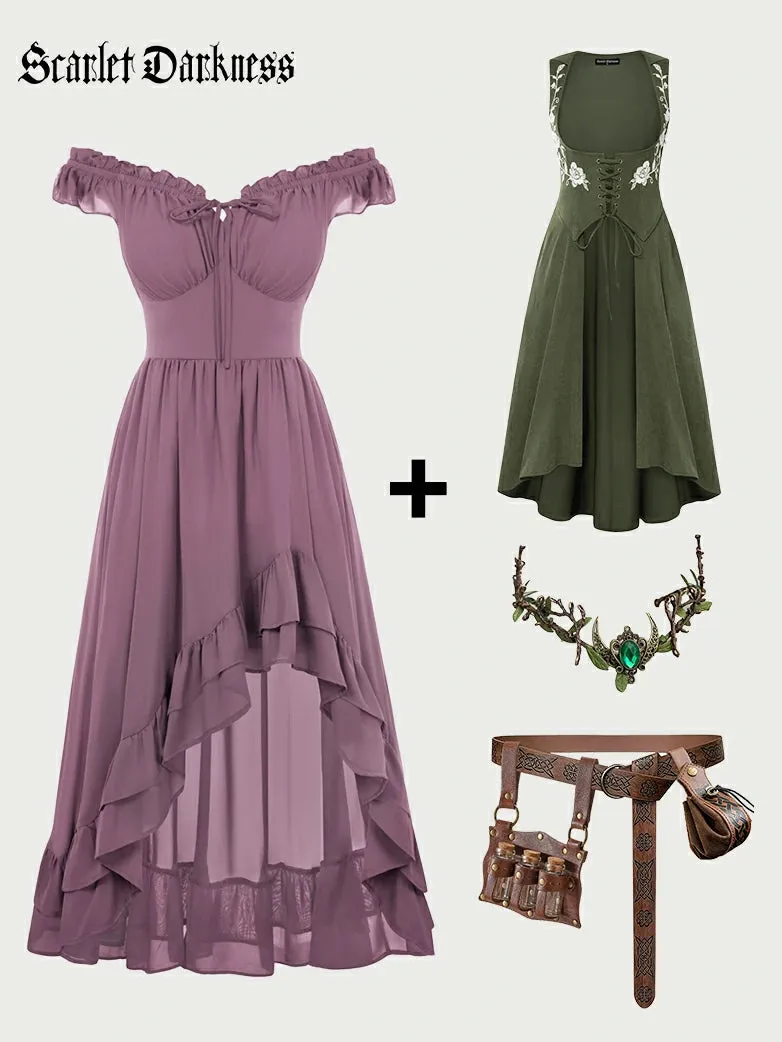
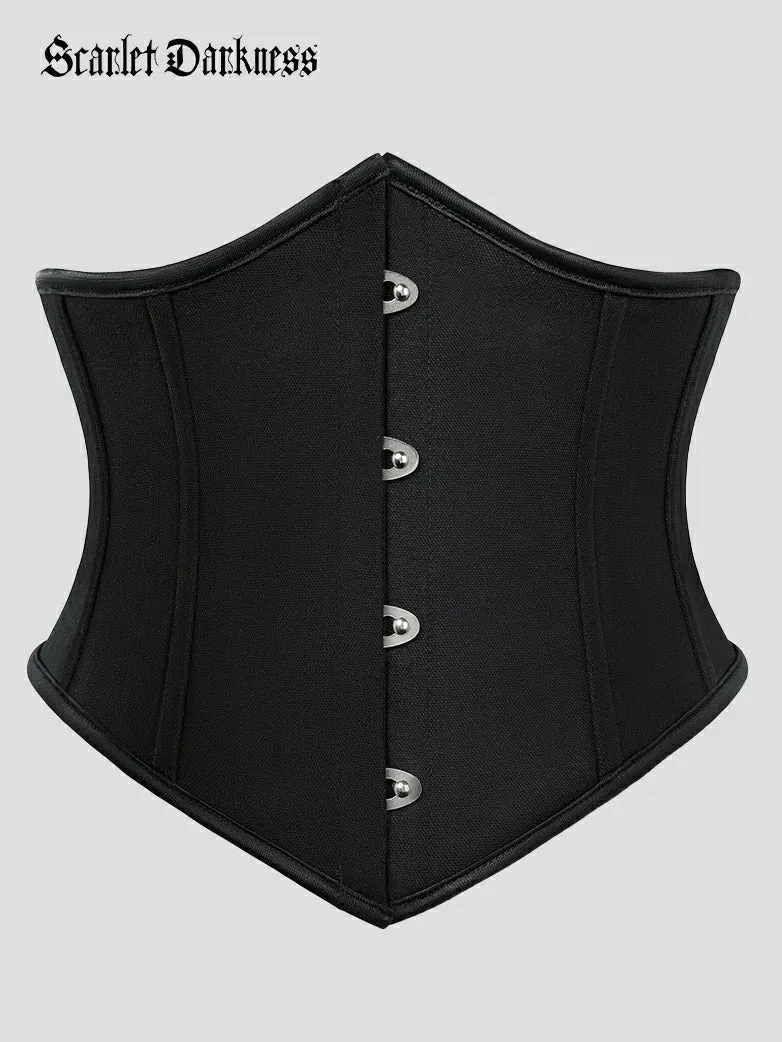
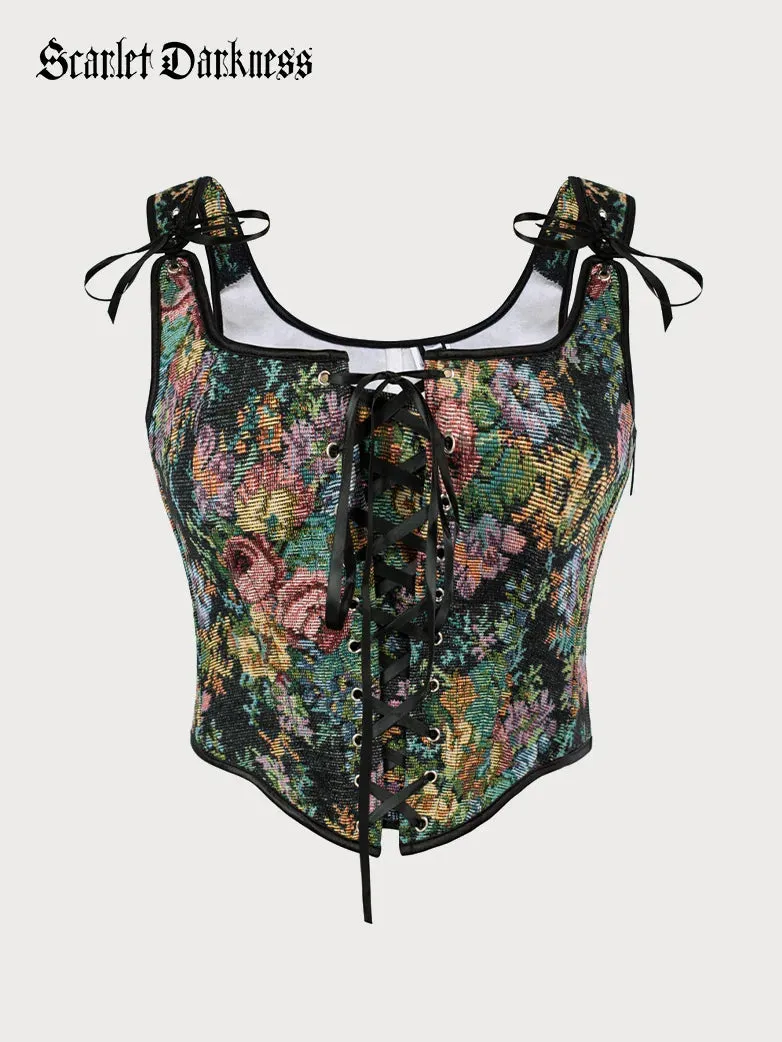 Shopping at Scarlet Darkness? See the discount code
15% OFF All Orders
Shopping at Scarlet Darkness? See the discount code
15% OFF All Orders
More in this series
Scarlet Darkness Morticia Dress Review: Fit, Fabric, and Styling Tips11 Aug 20265 minHow Long Do Gothic Corset Belts Last With Regular Wear?11 Aug 20265 minComplete Ren Faire Outfit Guide: Pairing Corsets, Skirts, and Accessories11 Aug 20265 minScarlet Darkness Corsets vs Renaissance Corsets: Which Offers Better Support?11 Aug 20265 minHow to Style a Milkmaid Dress for Renaissance Faires and Modern Wear11 Aug 20265 min