 A Auto Talent guide
Valvetronic Exhaust Systems: How They Work and Why They Fail
A valvetronic exhaust uses electronically controlled valves to adjust exhaust flow and sound on demand, but actuator motors and vacuum leaks cause most failures.
A valvetronic exhaust uses electronically controlled internal valves to open or close exhaust flow paths, letting you switch between a quiet cruising mode and an aggressive performance sound with the push of a button. Unlike traditional cat-back systems with fixed piping, these setups route exhaust gases through motorized flaps that redirect flow in real time.
But they also introduce mechanical and electrical failure points that solid-pipe exhausts never face. In this guide we’ll walk you through exactly how the valves work, which components fail first, and how to diagnose problems before you’re stuck with a check-engine light or a permanently loud exhaust.
How Valvetronic Exhaust Valves Control Sound and Flow
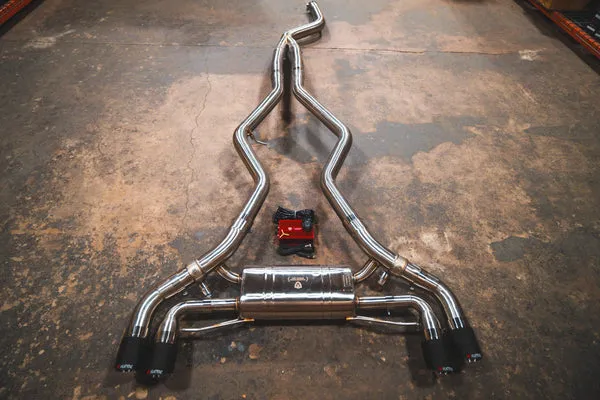
The core of any valvetronic exhaust is a set of butterfly or flap valves mounted inside the muffler or mid-pipe. When closed, exhaust gases route through a longer, resonated path with more packing material, which drops sound by 10 to 15 decibels and increases backpressure slightly. When open, gases take a straight-through or shorter route, maximizing flow and volume.
Most systems use one of three actuation methods:
- Electric servo motors: the most common design, found in OEM BMW valvetronic setups and many aftermarket kits. A stepper motor rotates a shaft that pivots the valve flap.
- Vacuum actuators: older designs that rely on engine manifold vacuum or an electric pump to pull a diaphragm and open the valve.
- Remote-controlled modules: aftermarket valvetronic exhaust with remote kits that use a wireless keyfob to trigger a solenoid or motor, independent of the ECU.

The ECU typically decides valve position based on throttle angle, RPM, gear, and drive mode. Sport mode opens the valves; Eco or Comfort keeps them closed. Some tuners like bootmod3 let you override the factory logic and lock valves open or closed, or even tie them to boost pressure for turbocharged cars.
Brands such as Valvetronic Designs and Rogue Performance offer complete kits with plug-and-play wiring harnesses, so you can retain OEM-style control or add an aftermarket switch.
Four Common Failure Modes and Their Symptoms
We see the same four problems again and again, whether the system is OEM or aftermarket.
| Failure | Symptom | Typical Cause |
|---|---|---|
| Stuck valve | Constant loud or quiet sound, no change when switching modes | Seized actuator shaft, carbon buildup on flap |
| Actuator motor fault | Check-engine light, exhaust flap error code | Burned motor windings, broken gear teeth |
| Vacuum leak | Valve stays closed or opens randomly | Cracked vacuum line, failed diaphragm |
| Wiring fault | Intermittent operation, no response to button | Corroded connector, chafed wire near heat shield |
Stuck valves are the most common issue. Exhaust gas deposits coke and soot on the flap pivot, especially in cars with rich fueling or oil consumption. Over time the shaft binds, and the motor can’t rotate it. You’ll hear either full-volume all the time or a muted tone that never opens up.
Actuator motor failures happen when the motor tries to move a stuck valve. The windings overheat, the internal plastic gears strip, or the feedback potentiometer drifts out of range. The ECU logs a fault code and may lock the valve in a fail-safe position, usually open.
Vacuum leaks affect older valvetronic exhaust systems that use manifold vacuum. A pinhole in the rubber line or a torn diaphragm means the valve won’t hold closed under load. You’ll get inconsistent sound and sometimes a hissing noise from the actuator canister.
Wiring faults are rare but frustrating. Exhaust heat cycles crack solder joints and make connectors brittle. If your valvetronic exhaust kit works when cold but stops responding after a highway run, check for melted insulation near the downpipe.
How to Diagnose a Faulty Valve Before Replacing Parts
Start with a visual inspection while the car is cold. Crawl under and locate the actuator motor or vacuum canister. Look for:
- Loose or disconnected vacuum lines
- Corroded wiring connectors with green oxidation
- Oil or soot leaking from the muffler seam near the valve
Next, start the engine and have a helper toggle the valve using the dash button, drive-mode selector, or remote. Listen for the actuator motor clicking or humming. If you hear the motor but the sound doesn’t change, the valve is mechanically stuck. If you hear nothing, the motor is dead or the wiring is open.
For electric systems, use a multimeter to check voltage at the motor connector while toggling. You should see battery voltage pulse on the motor pins. No voltage means a wiring or ECU fault; voltage present but no motor movement confirms a failed actuator.
On vacuum systems, disconnect the line at the actuator and plug it with your thumb while the engine idles. You should feel strong suction. If not, trace the line back to the source and look for cracks or a clogged check valve.
Scan for codes using an OBD-II reader. BMW and Audi systems log specific exhaust-flap position faults in the 2E00 to 2E0F range. Generic P0000-series codes usually won’t appear unless the valve failure causes a secondary emissions problem.
Preventing Carbon Buildup and Extending Actuator Life
The best way to avoid a seized valve is to keep the flap moving and minimize soot. Here’s what works:
- Exercise the valve weekly: even if you prefer quiet mode, toggle it open for a few minutes every week to break up light deposits.
- Use quality fuel: top-tier detergent gasoline reduces carbon formation throughout the exhaust. Budget fuel leaves more residue.
- Fix oil consumption early: if your car burns oil, the exhaust stream carries oil vapor that bakes onto hot surfaces. Address valve-stem seals or piston rings before they coat your valvetronic exhaust with sludge.
- Avoid short trips in cold weather: condensation and unburned fuel create corrosive acids that accelerate actuator corrosion. Let the exhaust reach full operating temperature at least twice a week.
If you’re installing an aftermarket valvetronic exhaust sound kit, route the actuator wiring away from the downpipe and wrap any exposed sections with heat-resistant loom. Mount vacuum actuators above the exhaust centerline so condensation drains away from the diaphragm.
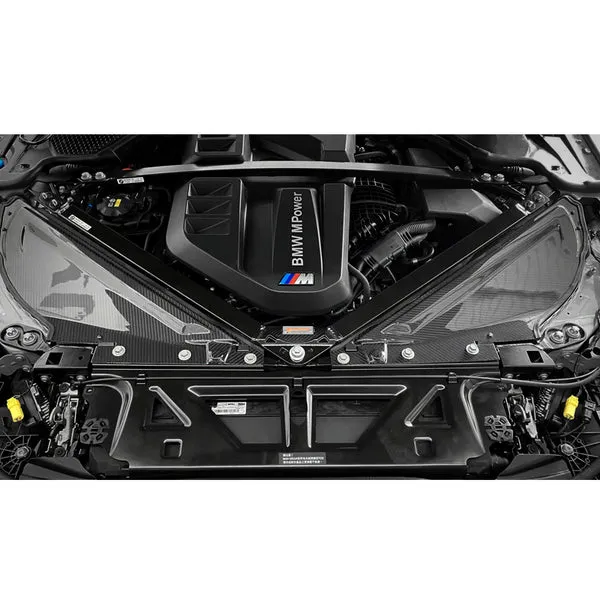
Pairing your exhaust with other breathing mods, like a cold air intake and ECU tune, reduces backpressure and valve stress. Lower exhaust gas temperature means less thermal cycling on the actuator and slower carbon accumulation.
When to Repair vs. Replace a Valvetronic System
If your valve is stuck but the motor still works, you can often free it without replacing parts. Remove the actuator, spray the shaft with penetrating oil, and work it back and forth with pliers. For heavy carbon, soak the muffler section in a diluted degreaser overnight, rinse, and dry thoroughly.
Replace the actuator if the motor is silent, you see stripped gears through the housing vent, or the feedback sensor reads out of range. OEM actuators run high, so many owners swap to an aftermarket valvetronic exhaust assembly that includes a fresh motor and updated brackets. Check the latest price and grab our code before ordering, we’ve negotiated an extra discount that stacks with most sales.
If the muffler itself is rusted or the valve flap is cracked, you’ll need a full replacement. At that point it’s worth comparing the cost of OEM service parts against a complete aftermarket kit with better sound quality and easier serviceability.
For cars without factory valvetronic hardware, a bolt-on valvetronic exhaust cutout is the simplest retrofit. These Y-pipe kits install between the downpipe and muffler, adding a motorized flap that dumps exhaust before the muffler when open. You lose some low-end torque compared to a true valved muffler, but installation takes an afternoon and requires no ECU coding.
Pairing Your Exhaust with Wheels and Brake Upgrades
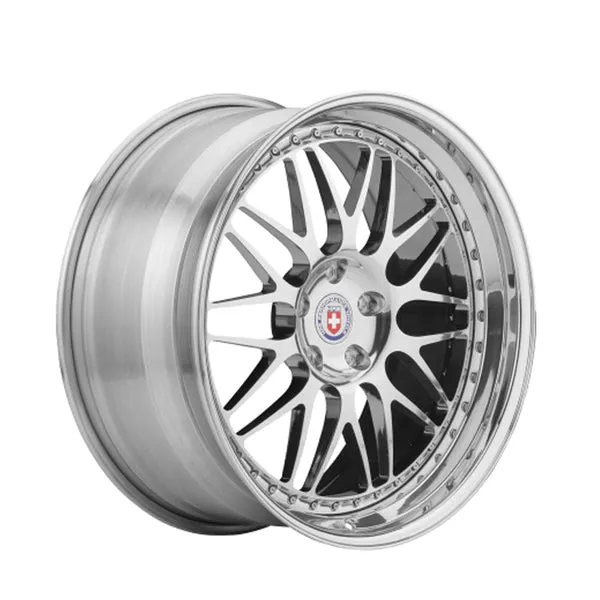
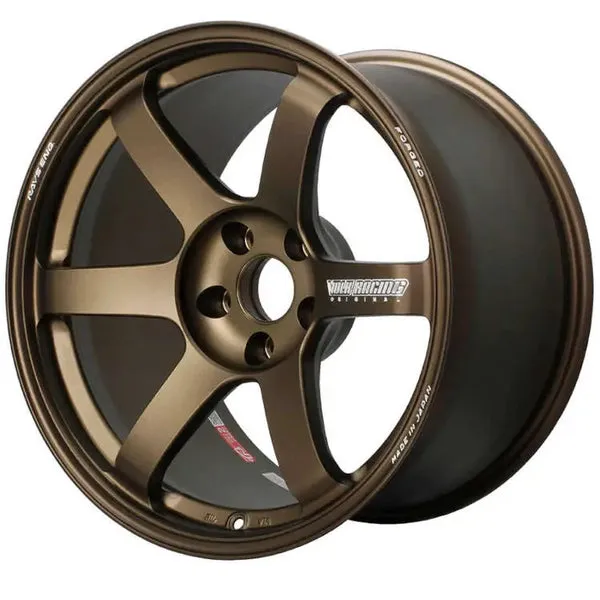
Once you’ve sorted your exhaust, the next performance step is usually rolling stock and stopping power. We see a lot of customers pair a valvetronic setup with lightweight hre wheels or volk wheels to cut unsprung mass, which sharpens throttle response and makes the exhaust note crisper on deceleration.
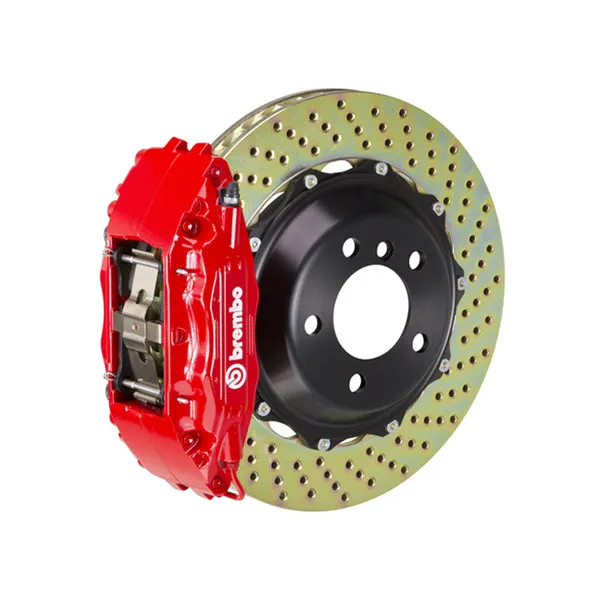
If you’re tracking the car or running aggressive street drives, brembo brakes are a must. Heavier exhaust systems add a few pounds at the rear, so balancing that with better front-brake bite keeps weight distribution neutral and reduces fade.
For the full build, consider a tune like bootmod3 that maps throttle, boost, and exhaust-valve timing together. You’ll eliminate the factory delay between pedal input and valve opening, so the sound matches your driving in real time instead of lagging by a half-second.
Grab our exclusive code to save on any of these components, we update the discount every month, and right now you’ll get an extra percentage off site-wide orders when you apply it at checkout.
Questions
How much does a valvetronic exhaust cost?
Prices vary widely by brand and vehicle. Aftermarket kits start around mid-range pricing for universal fit, while vehicle-specific systems from premium manufacturers run higher. Check the store page for current pricing and available discounts.
Can I install a valvetronic exhaust with remote on any car?
Yes, universal remote-controlled kits work on most vehicles. They include a standalone controller that doesn't rely on the factory ECU, so you can add valve control even if your car never came with it from the factory.
Why does my valvetronic exhaust stay loud all the time?
A valve stuck in the open position is the most common cause. Carbon buildup on the flap shaft or a failed actuator motor prevents the valve from closing. Inspect the actuator and clean or replace it as needed.
Do valvetronic exhausts hurt performance?
No. When the valve is open, flow is equal to or better than a straight-pipe design. Closed-valve mode adds minimal backpressure (usually less than stock) so you keep all your power while gaining sound control.
How do I know if my exhaust actuator motor is bad?
Listen for a click or hum when you toggle the valve. If you hear the motor but the sound doesn't change, the valve is stuck. If the motor is silent and you have voltage at the connector, the motor itself has failed and needs replacement.
Can I use a valvetronic exhaust kit with a catless downpipe?
Yes. The valve controls sound and backpressure downstream of the catalytic converters, so removing cats won't interfere with valve operation. You'll get louder overall volume in both open and closed modes.
Products in this guide
 Shopping at Auto Talent? See the discount code
5% OFF All Orders
Shopping at Auto Talent? See the discount code
5% OFF All Orders