 A Auto Talent guide
Cold Air Intake vs Stock Intake: Does It Really Increase Horsepower?
A cold air intake typically adds 5 to 20 horsepower over stock, depending on your engine and whether you pair it with tuning.
Does a Cold Air Intake Really Increase Horsepower?
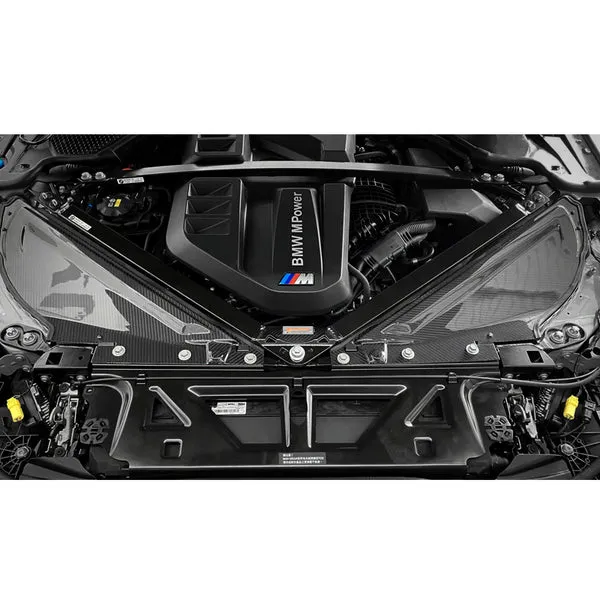
Yes, a cold air intake typically delivers 5 to 20 horsepower over your factory intake, though gains vary by engine, design, and whether you combine it with tuning software like bootmod3. Stock intakes prioritize silence and cost, using restrictive boxes and paper filters that choke airflow at high RPM. An aftermarket intake replaces those components with a high-flow filter and smoother piping, pulling cooler air from outside the engine bay. Cooler air is denser, packing more oxygen per intake stroke, so your ECU can inject more fuel and generate more power. The upgrade also sharpens throttle response and adds an aggressive induction sound that many enthusiasts crave.
How Cold Air Intakes Work vs Stock Systems
Your factory intake draws air through a narrow snorkel, into a sound-dampening airbox, and across a disposable paper filter before reaching the throttle body. That route is engineered for quiet operation and low warranty claims, not peak flow. A cold air intake relocates the filter closer to the front bumper or fender liner, where temperatures run 10 to 30 degrees cooler than underhood air. It swaps the paper element for a reusable cotton-gauze or oiled-foam filter with larger surface area, and replaces accordion-style flex hose with mandrel-bent aluminum or smooth polymer tubing. The result is less turbulence, lower restriction, and a measurable drop in intake air temperature. On a dyno, that translates to more wheel horsepower, especially in the mid-range and top end where airflow matters most.
Realistic Horsepower and Torque Gains
Expect the following from a quality intake on a naturally aspirated engine:
- 4-cylinder engines: 5 to 10 hp, with slightly better throttle tip-in.
- V6 and V8 engines: 8 to 15 hp, plus a noticeable mid-range torque bump.
- Forced-induction engines: 10 to 20 hp when paired with a tune, since factory programming limits boost until airflow improves.
Stock intakes on turbocharged and supercharged platforms are often the biggest bottleneck. Upgrading to a larger-diameter pipe and high-flow filter lets the compressor spool faster and sustain higher boost without heat soak. If you grab the code for 5 percent off and pair your intake with a reflash, you’ll unlock the full potential of both mods. Without tuning, your ECU may pull timing or limit boost to stay within safe air-fuel ratios, leaving some power on the table.
Sound, Aesthetics, and Real-World Trade-Offs
Beyond the dyno chart, an aftermarket intake transforms the driving experience. You’ll hear turbo whistle, compressor surge, and a growl under full throttle that stock boxes deliberately muffle. The polished or powder-coated tubes also make your engine bay look cleaner and more intentional, a bonus if you show your car or simply enjoy opening the hood. On the downside, some designs sacrifice the factory air-box seal and pull hot underhood air when idling in traffic, which can reduce power in stop-and-go conditions. Oiled filters also require periodic cleaning and re-oiling, though many drivers find the 50,000-mile service interval manageable. If you live in dusty environments or drive off-road, a dry synthetic filter offers better filtration with less maintenance.
Choosing Between Open-Element and Enclosed Designs
| Style | Pros | Cons |
|---|---|---|
| Open-element (cone) | Maximum airflow, loudest induction sound, easiest to service | Draws hot engine-bay air at idle, less filtration in dusty areas |
| Enclosed (box) | Cooler air via sealed chamber, better filtration, quieter | Slightly less peak flow, bulkier installation |
Open-element intakes deliver the highest peak numbers and the most dramatic sound, making them popular for track cars and highway pulls. Enclosed systems retain a heat shield or airbox around the filter, drawing outside air through a dedicated duct. They sacrifice a few horsepower at redline but maintain consistent performance in traffic and hot weather. Both styles outperform the factory setup, so your choice depends on how you drive and whether you value maximum power or real-world consistency.
Pairing Your Intake with Other Performance Upgrades
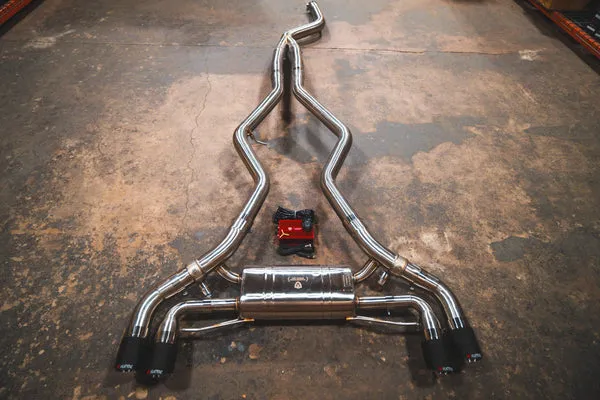
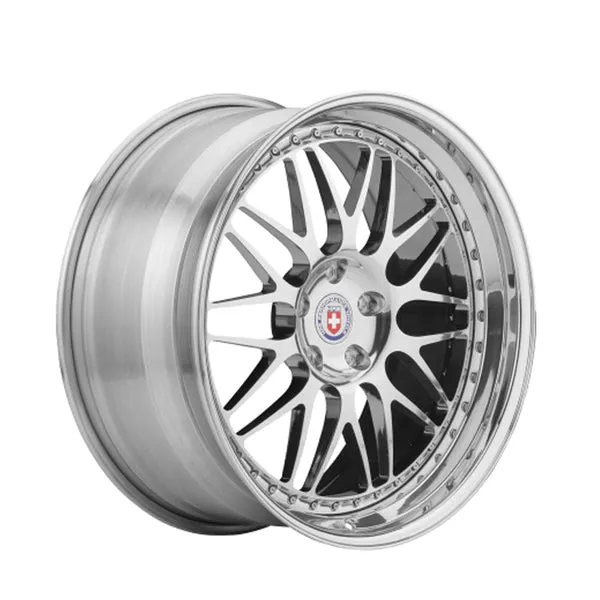
An intake shines brightest when it’s part of a balanced build. On its own, it’s a noticeable improvement. Combined with an exhaust system like a valvetronic exhaust, you reduce restriction at both ends of the engine and let the ECU optimize fuel maps across the RPM range. Add a tune, and you’ll see compounding gains: the intake feeds more air, the exhaust expels it faster, and the software adjusts timing and fueling to maximize both. For turbocharged builds, upgrading your intercooler and downpipe alongside the intake prevents heat soak and maintains power through consecutive pulls. Even supporting mods like hre wheels matter, since lighter unsprung weight helps you translate those extra ponies into quicker acceleration. Check the latest price before you commit, and plan your upgrades in stages to avoid bottlenecks.
Installation, Maintenance, and Long-Term Considerations
Most intakes install in 60 to 90 minutes with hand tools and require no permanent modifications. You’ll remove the factory airbox, disconnect the mass airflow sensor, and bolt the new piping into place using the original mounting points. The hardest part is usually routing the intake tube around other components like brake reservoirs or battery trays. Once installed, your main task is filter maintenance. Oiled cotton-gauze filters need cleaning every 30,000 to 50,000 miles, or sooner if you drive in sandy or agricultural areas. Inspect the filter every oil change and re-oil it according to the manufacturer’s instructions to avoid lean codes from contaminating your MAF sensor. Dry filters last longer between services but may not flow quite as freely at peak RPM. Either way, you’ll save money over the life of the car compared to replacing disposable paper elements every 15,000 miles.
Who Should Upgrade and Who Should Wait
A cold air intake makes sense if you want a bolt-on power bump, better throttle response, and a more engaging sound without touching internals. It’s especially worthwhile on forced-induction platforms where the factory intake is a known restriction, and it pairs beautifully with tuning software or a full exhaust. Skip it if your car is bone-stock and you never drive aggressively, since the gains in daily commuting are subtle. Also pass if you live in a flood-prone area and choose a low-mounted design, as hydrolocking your engine during a downpour will cost far more than the intake saves. For everyone else, this is one of the most cost-effective mods you can make, delivering measurable power and a premium driving feel for the price of a weekend install.
Questions
How much horsepower does a cold air intake add?
Most cold air intakes add 5 to 20 horsepower depending on your engine type and whether you pair the intake with ECU tuning. Turbocharged engines typically see the largest gains, especially when tuned.
Will an intake void my warranty?
It depends on your dealer and the specific failure. Under the Magnuson-Moss Warranty Act, manufacturers must prove the aftermarket part caused the damage. Keep your stock intake in case you need to reinstall it for service visits.
Do I need a tune after installing a cold air intake?
No, but tuning unlocks the full potential. Modern ECUs adapt to increased airflow on their own, but a custom tune optimizes timing and fuel delivery for maximum power and prevents the ECU from pulling timing under boost.
Can a cold air intake damage my engine?
Only if you hydrolock it by driving through deep water. Low-mounted intakes can suck water into the cylinders during floods or stream crossings, causing catastrophic damage. Stick to enclosed or higher-mounted designs if you drive in wet conditions.
How often do I need to clean the filter?
Oiled filters need cleaning every 30,000 to 50,000 miles under normal conditions, or sooner in dusty environments. Dry synthetic filters can go longer but should still be inspected during every oil change.
Is an open-element or enclosed intake better?
Open-element intakes offer maximum airflow and sound but can draw hot engine-bay air at idle. Enclosed intakes maintain cooler temperatures and better filtration with slightly less peak flow, making them better for daily drivers.
Products in this guide

 Shopping at Auto Talent? See the discount code
5% OFF All Orders
Shopping at Auto Talent? See the discount code
5% OFF All Orders