 A STORYi guide
Why Your UV Leg Sleeves Need Proper Care to Last Through a Season
UV leg sleeves protect your skin during outdoor activities, but they only work season after season if you wash, dry, and store them correctly.
UV leg sleeves protect your skin during outdoor activities, but they only work season after season if you wash, dry, and store them correctly. Improper care degrades the fabric’s UV-blocking properties, stretches the elastic, and shortens their lifespan.
How UV leg sleeves protect your skin
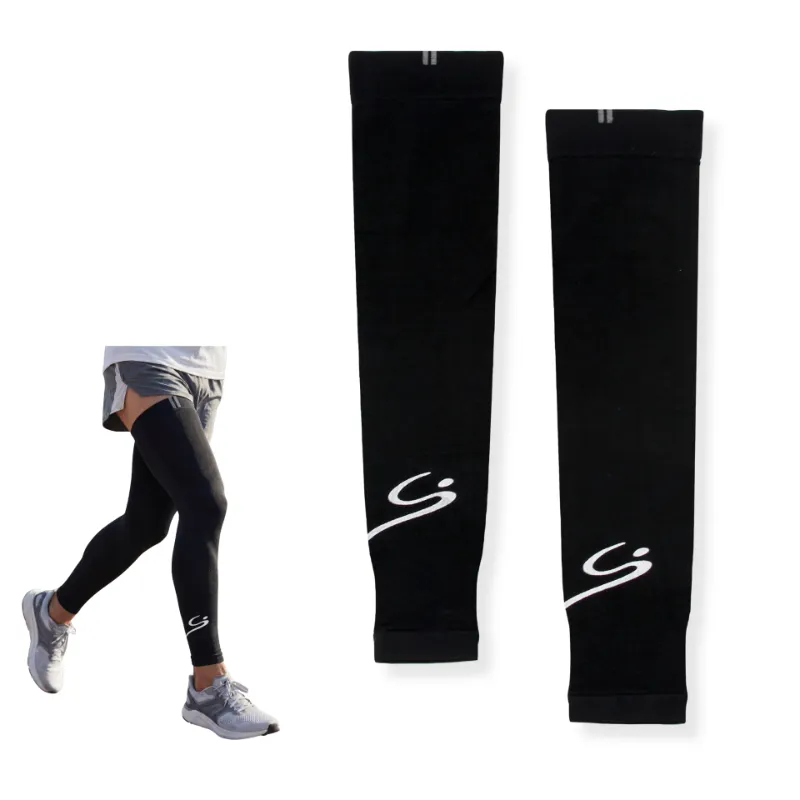
UV leg sleeves use specially treated fabrics with UPF (ultraviolet protection factor) ratings, typically UPF 50, to block harmful UVA and UVB rays. The tighter the weave and the more stable the dye or coating, the longer that protection lasts. Heat, chlorine, sweat, and aggressive washing all break down those fibers over time. That’s why care matters as much as the initial purchase.
If you’re new to protective gear, leg sleeves instead of pants for UV protection offer a lightweight, breathable alternative to full pants on trail, beach, or bike rides.
Washing uv leg sleeves the right way
- Use cold water and a gentle cycle or hand wash in a sink
- Wash inside out to protect the outer surface
- Use mild detergent only; skip fabric softeners and bleach
- Rinse thoroughly until no soap residue remains
- For stubborn sweat or sunscreen stains, soak in cool water for 15 to 20 minutes before washing
Hot water breaks down UV-blocking coatings faster and can shrink the fabric. Fabric softener leaves a residue that traps moisture and mildew. Machine drying generates heat that degrades elasticity; air drying preserves both the stretch and the UPF rating.
Drying and storage for durability
After washing, hang uv leg sleeves on a clothesline or lay them flat on a clean towel in direct or indirect light. Air drying takes longer but doesn’t damage the elastic or fibers. Never tumble dry, use a dryer sheet, or store them while damp; moisture breeds mildew and odor that’s hard to remove.
Once dry, fold them loosely or roll them in a breathable cloth bag. Store in a cool, dry place away from direct sunlight when not in use. Plastic bags trap moisture; use a cotton mesh bag or leave them in a drawer instead.
Why chlorine and sunscreen matter
Chlorine from pools and salt from ocean water both wear on UV coatings. If you swim or surf in your uv leg sleeves, rinse them immediately in fresh water before washing. The same goes for sunscreen, oils break down fabric fibers and can stain if left to set. Rinse with cool water right after activity, then follow your normal wash routine.
Comparing top UV leg sleeve options
| Product | UPF Rating | Best For | Care Notes |
|---|---|---|---|
| janji sunchaser 50 arm sleeves | UPF 50 | Road and trail cycling | Moisture-wicking; hand wash recommended |
| uv leg sleeves | UPF 50 | General outdoor activities | Durable stretch; air dry only |
| Coolibar leg sleeves | UPF 50+ | Water sports | Chlorine-resistant; machine wash warm |
| Castelli leg sleeves | UPF 50 | Cycling | Tight fit; cold water wash only |
The durability of uv leg sleeves for men and uv leg sleeves for women depends equally on fabric quality and how you maintain them. The best UV leg sleeves for 2026 combine breathable construction with tough fibers, but even premium brands fade faster under poor care.
When to replace your sleeves
Replace uv leg sleeves if:
- The elastic loses stretch and slides down during activity
- The fabric becomes thin, pilly, or shows visible wear
- Colors fade dramatically despite minimal sun exposure
- Seams begin to fray or separate
A well-maintained pair lasts 2 to 3 seasons of regular use. If you wear uv leg sleeves for cycling or water sports several times a week, inspect them every 6 to 8 weeks and retire them if the weave looks compromised.
Before you buy: grab the best price
Ready to invest in quality uv leg sleeves? Check the latest price and grab our 10% OFF sitewide code at STORYi. Proper care starts with choosing the right pair, and our tested selection means you’re buying sleeves built to last when cared for correctly.
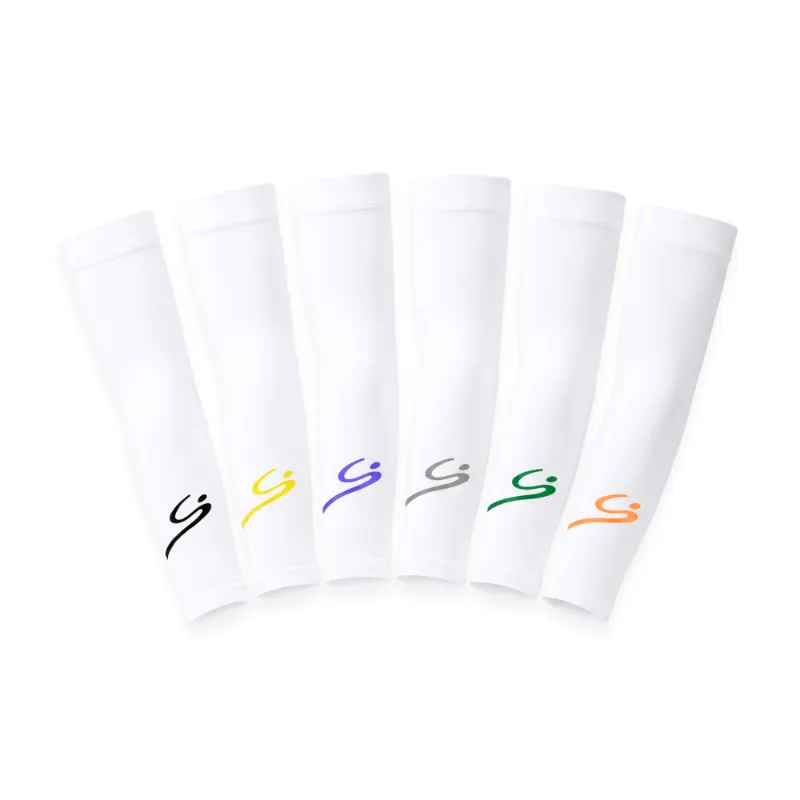
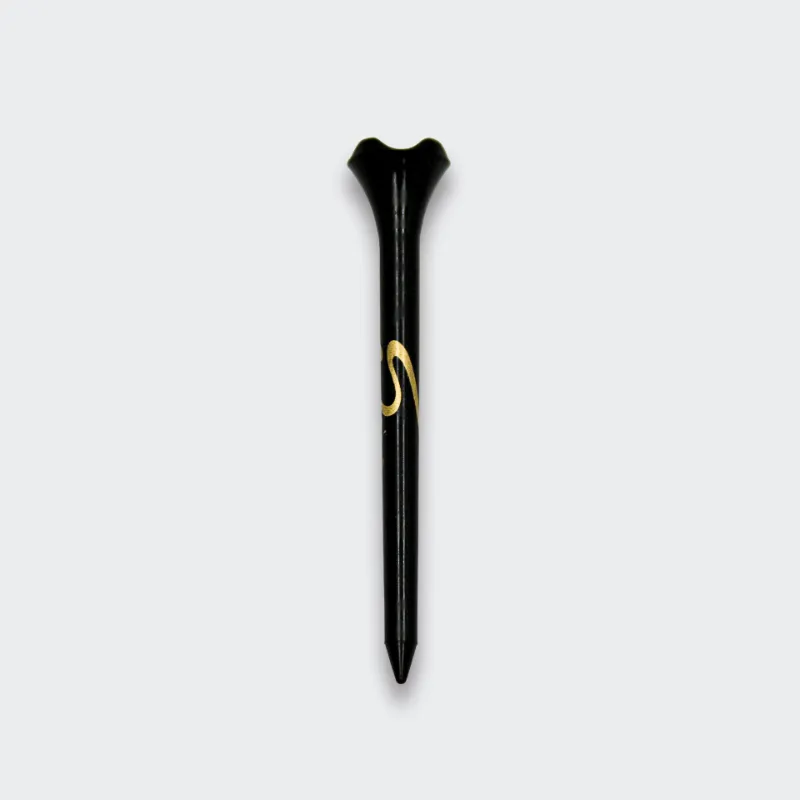
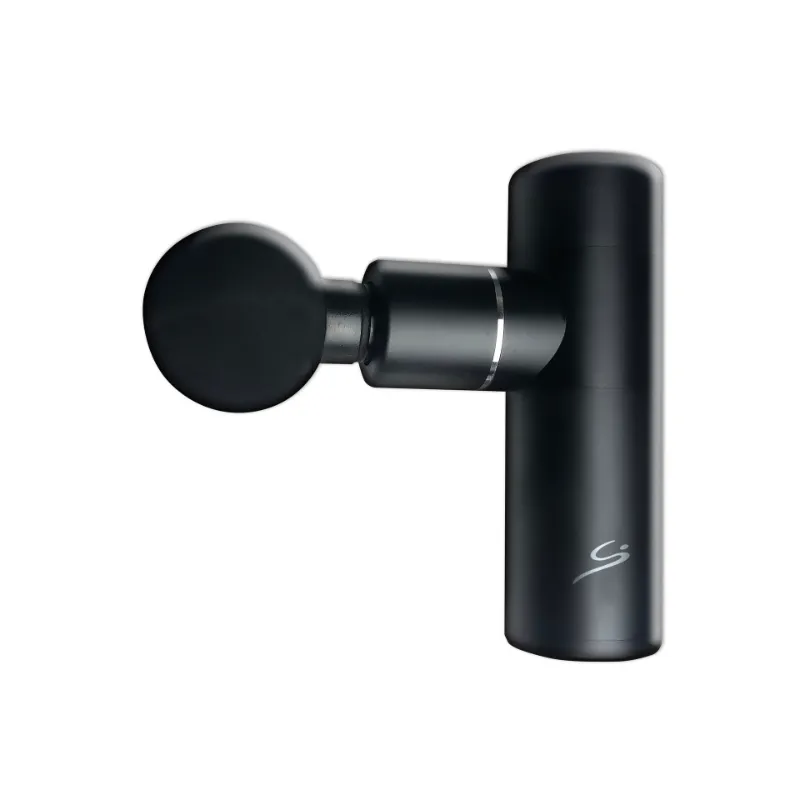
Also check out protective wear in other forms: sun sleeves for your arms, or pair your sleeves with black tees golf for full-coverage outdoor days. After activity, recovery tools like a travel massage gun can help ease muscle tension from long rides or hikes.
Questions
Can I machine wash my UV leg sleeves?
Cold water on a gentle cycle is acceptable, but hand washing is safer. Always wash inside out, skip fabric softeners, and never use hot water or a dryer, heat degrades the UPF coating and stretches the elastic.
How often should I wash UV leg sleeves?
Wash after every few wears if you sweat heavily, or after each use if you're in chlorine or saltwater. If you wear them for a casual walk, washing once a week is fine.
What's the best way to store uv leg sleeves in the off-season?
Air dry them completely, fold or roll loosely, and store in a breathable cotton bag in a cool, dry place away from direct sunlight. Avoid plastic bags, which trap moisture and can cause mildew.
Do UV leg sleeves lose their UPF protection over time?
Yes, UV coatings and tight-weave fibers gradually degrade with sun exposure, washing, and wear. Proper care (cold water, air drying, and avoiding chlorine) slows this breakdown significantly.
Can I wear uv leg sleeves in the pool?
Yes, but rinse them immediately in fresh water afterward. Chlorine breaks down UV coatings faster, so limit pool use or choose chlorine-resistant brands if you swim often.
Should I use fabric softener on my uv leg sleeves?
No, skip fabric softener entirely. It leaves a residue that traps moisture, reduces breathability, and can compromise the UV-blocking treatment.
Products in this guide
 Shopping at STORYi? See the discount code
10% OFF Sitewide
Shopping at STORYi? See the discount code
10% OFF Sitewide
More in this series
Sun Sleeves vs. Sunscreen: Which Protects Better During Outdoor Sports?12 Sep 20264 minHow to Use a Percussion Massage Gun for Muscle Recovery and Soreness12 Sep 20264 minBest Massage Guns for Athletes: How to Choose a Travel Model12 Sep 20264 minDo Arm Sleeves Like Janji Sunchaser 50 Actually Prevent Sun Damage?12 Sep 20263 min