 A STORYi guide
Sun Sleeves vs. Sunscreen: Which Protects Better During Outdoor Sports?
Sun sleeves provide continuous UV protection without reapplication, making them ideal for endurance sports where sunscreen breaks down from sweat and friction.
Sun sleeves provide continuous UV protection that won’t wash away with sweat, while sunscreen requires frequent reapplication during intense activity. Both work, but they protect differently, and for many athletes, the answer isn’t either-or but both-and.
Here’s what matters when you’re choosing protection for cycling, running, golf, or any outdoor sport.
How Sun Sleeves Block UV Rays
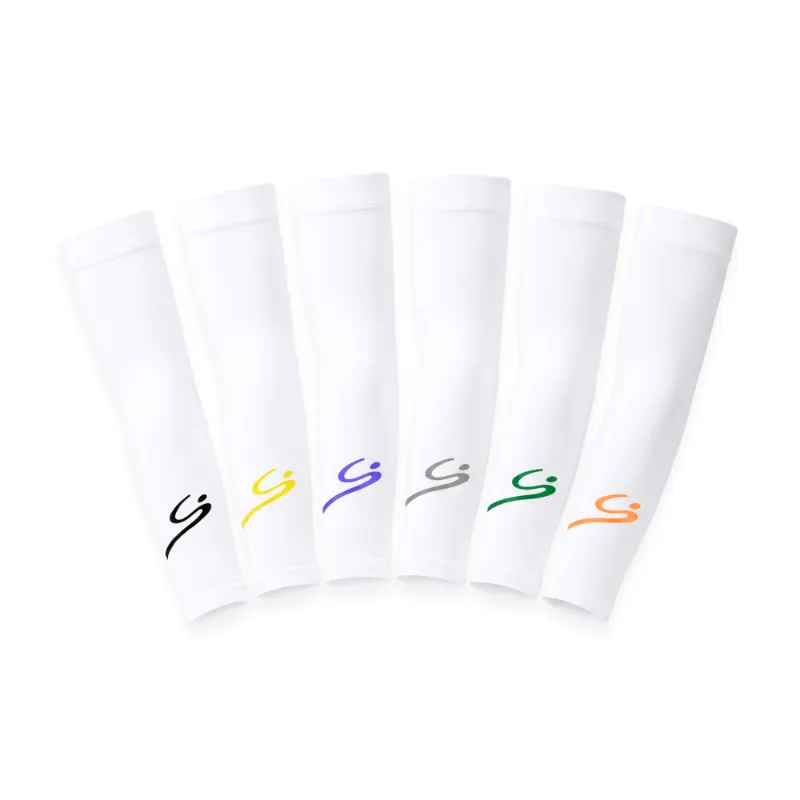
Sun sleeves work through physical barriers. The fabric itself reflects and absorbs UV radiation before it hits your skin. Most quality sleeves use tight weaves and UPF-rated materials that block 97% or more of UVA and UVB rays. Unlike sunscreen, they don’t break down in water, don’t require reapplication, and aren’t affected by sweat.
For sun sleeves for arms, you’re getting consistent protection for the entire duration of wear. The janji sunchaser 50 arm sleeves are specifically designed to meet UPF 50+ standards, offering some of the highest protection available in wearable form.
Why Sunscreen Still Matters
Sunscreen chemically absorbs UV rays and converts them to heat that radiates away from skin. The advantage is coverage anywhere on your body without changing clothes. But sunscreen has real limitations in sports. You need to reapply every two hours, more often if you’re sweating heavily or in water. Most people don’t apply enough initially, and coverage becomes uneven as it rubs off against gear or sweat.
For athletes, sunscreen alone often leaves gaps, especially around edges where sleeves meet skin or where your shirt rides up.
Best Arm Sleeves for Sun Protection vs. Sunscreen
If you’re comparing sun sleeves golf or sun sleeves cycling specifically, the wearables win on convenience. You put them on once and train or play without thinking about reapplication. Quality sleeves also wick moisture and keep arms cooler than exposed skin would in direct sun.
Cooling sun sleeves like the janji sunchaser 50 arm sleeves add breathable fabrics that prevent overheating while blocking rays. This makes them popular for endurance athletes who can’t stop every two hours to reapply.
| Protection Method | Reapplication | Water Resistance | Best For |
|---|---|---|---|
| Sun sleeves | None needed | Excellent | Long training sessions, water sports |
| Sunscreen | Every 2 hours | Poor after sweating | Face, neck, and exposed areas |
| Combination | Sunscreen 2-3 times | Excellent | Full-day outdoor events |
Sun Sleeves for Men and Women: Fit and Coverage
Sun sleeves men and sun sleeves women are cut differently. Men’s sleeves typically run longer and wider in the shoulder; women’s versions taper more at the wrist. The janji sunchaser 50 arm sleeves come in both fits to ensure sleeves stay snug without bunching or slipping during movement.
Fit matters because gaps let UV rays through. A sleeve that’s too loose rides up and defeats the purpose. A tight sleeve can restrict movement or cause discomfort during repetitive motions like a golf swing.
For sun sleeves for cycling, look for seamless construction and moisture-wicking fabric. Long rides mean hours of friction and sweat; cheap sleeves will bunch or cause chafing by mile 50.
Layering Protection: Sun Sleeves Plus Sunscreen
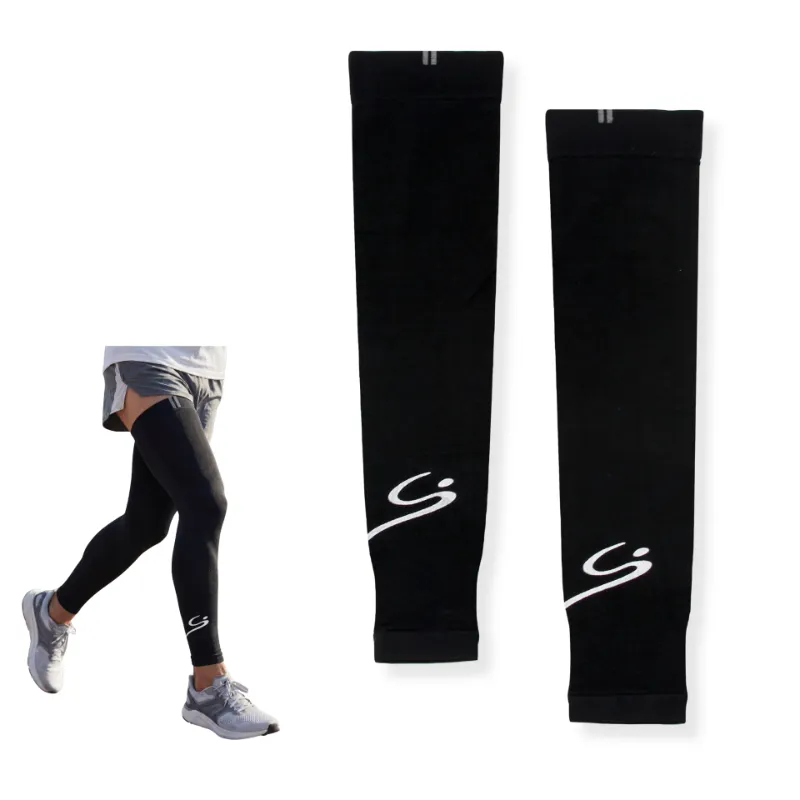
The real answer for serious athletes is combining both. Wear sun sleeves or uv leg sleeves for covered areas, then apply sunscreen to exposed skin like your face, neck, and the tops of your hands. This hybrid approach gives you the reapplication-free comfort of sleeves where they cover, plus chemical protection where you need it most.
Reapply sunscreen on your face and neck after workouts or every 90 minutes during long sessions. You’ll miss fewer applications because you’re only protecting a few square inches, not your entire body.
When UV Leg Sleeves and Other Gear Matter
Sun sleeves uv protection isn’t just for arms. Uv leg sleeves protect cyclists, runners, and trail athletes whose legs take prolonged UV exposure. Your legs don’t sweat as heavily as arms, so uv leg sleeves stay stable and dry.
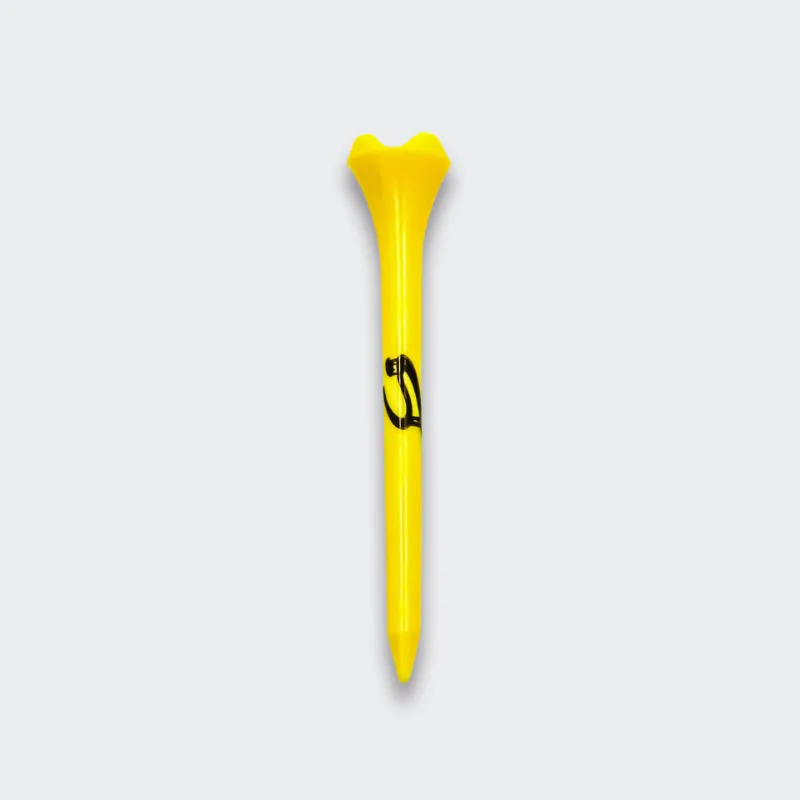
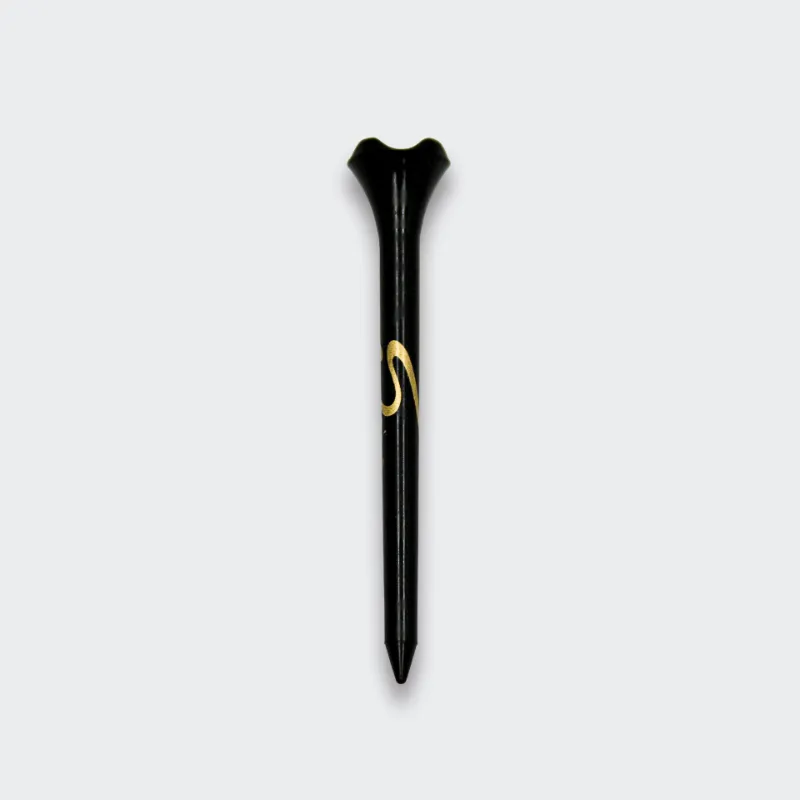
Pair sleeves with UPF-rated clothing like yellow tees or black tees golf for broader coverage. Black absorbs heat more than lighter colors, but quality golf and sports tees are designed to wick that heat away. Yellow or lighter options keep you cooler while still offering UPF protection if rated.
The Recovery Angle: Massage and Sun Protection Combined
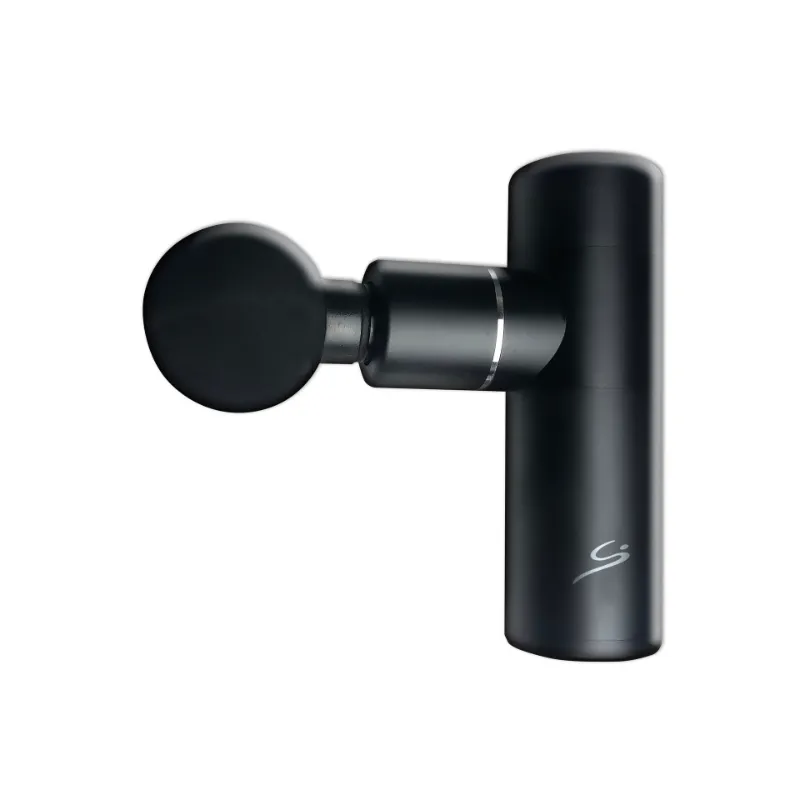
After an all-day outdoor event or intense sun exposure, your muscles need care. A travel massage gun or percussion massager gun can help reduce soreness without irritating sun-exposed skin. The percussive massager gun and nordictrack massage gun are popular among endurance athletes for post-workout recovery.
Some athletes swear by massage gun therapy after long sun-heavy training days to speed recovery and reduce inflammation. If you’ve been in the sun for hours, even with perfect protection, your body takes a metabolic hit. Recovery tools help mitigate that.
What Wins for Your Sport
For cycling and trail running, sun sleeves win. You need hours of uninterrupted protection without stopping to reapply. For golf, best arm sleeves for sun protection matter because a round takes 4+ hours, and you’re moving in and out of sun. For mixed activities or beach days with water, layer sunscreen on exposed areas and trust your sleeves for the rest.
Grab the code to get 10% off quality sun sleeves, tees, and recovery gear at STORYi. Build your full outdoor protection system without paying full price.
Questions
Do sun sleeves actually work as well as sunscreen?
Sun sleeves with UPF 50+ ratings block 97%+ of UV rays and don't wash away, making them more reliable for long activities. Sunscreen works well but requires reapplication every two hours, especially during sweating. For sports, sleeves typically outperform sunscreen on duration alone.
Can I wear sun sleeves if I have sensitive skin?
Yes. Since sun sleeves are physical barriers rather than chemical, they're often better for sensitive skin. Look for moisture-wicking fabrics like nylon blends that won't trap sweat. Still apply a gentle sunscreen to any exposed skin your sleeves don't cover.
Are cooling sun sleeves worth the extra cost?
If you train for hours in direct sun, cooling sun sleeves prevent overheating and are worth the investment. The moisture-wicking fabric keeps your core temperature lower and reduces fatigue. For short sessions under 90 minutes, standard sleeves work fine.
What's the difference between sun sleeves for cycling and sun sleeves for golf?
Cycling sleeves need seamless construction and extra durability for road friction. Golf sleeves prioritize fit around the shoulder and wrist so they don't interfere with your swing. Both need UPF 50+ and moisture-wicking, but the cut and construction differ.
Should I use both sun sleeves and sunscreen together?
Yes, that's the optimal approach. Wear sun sleeves for your arms and legs, then apply sunscreen to your face, neck, and hands. This gives you continuous protection where sleeves work best and chemical protection where you need flexibility.
How do I care for sun sleeves to keep the UPF rating intact?
Wash in cool water with mild detergent, avoid bleach, and air dry. Direct sun exposure and heat damage the UV-blocking fibers over time, so store them out of direct light. Most quality sleeves maintain their rating for 2-3 seasons with proper care.
Products in this guide
 Shopping at STORYi? See the discount code
10% OFF Sitewide
Shopping at STORYi? See the discount code
10% OFF Sitewide
More in this series
Why Your UV Leg Sleeves Need Proper Care to Last Through a Season12 Sep 20263 minHow to Use a Percussion Massage Gun for Muscle Recovery and Soreness12 Sep 20264 minBest Massage Guns for Athletes: How to Choose a Travel Model12 Sep 20264 minDo Arm Sleeves Like Janji Sunchaser 50 Actually Prevent Sun Damage?12 Sep 20263 min