 A Santa Barbara Chocolate guide
How to Use Santa Barbara Cocoa Powder in Baking and Drinks
Santa Barbara Chocolate's natural, unsweetened cocoa powders work in brownies, cakes, frostings, hot cocoa and smoothies. Here is how to use them.
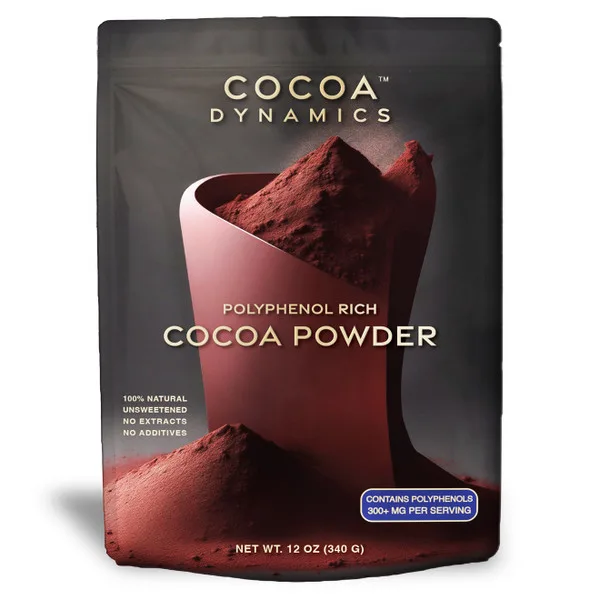
You can sift Santa Barbara Chocolate’s cocoa powder into cakes, brownies and frostings, whisk it into a paste for hot drinks, or blend it into smoothies. Both of its powders, the Polyphenol Rich Cocoa Powder and CocoaDynamics cocoa powder, are natural, non-alkalized and unsweetened, so you control the sugar in every recipe. For the current code, see our Santa Barbara Chocolate codes and deals.
What Makes Santa Barbara Cocoa Powder Different
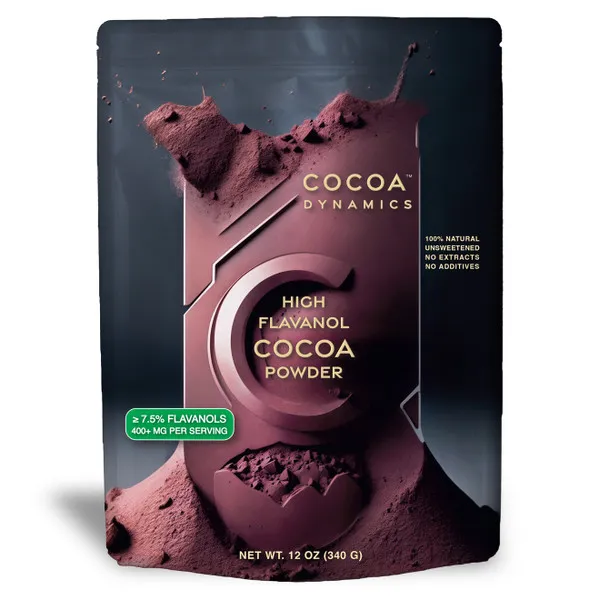
According to Santa Barbara Chocolate’s product pages, both powders are 100% natural cocoa powder with nothing added, and neither is Dutch-processed (alkalized). The brand describes the Polyphenol Rich Cocoa Powder as smooth and approachable with a subtle bitterness, and CocoaDynamics as chocolatey and complex, with nutty, dark berry and earthy notes. Both come in 12 oz bags.
Cocoa powder comes in two main types: natural and Dutch-processed. Natural cocoa powder has a lighter color and more acidic, fruity notes and works well in recipes that use baking soda as a leavener. Dutch-processed cocoa is treated with an alkalizing agent for a darker color and milder flavor. If a recipe specifically calls for Dutch-process cocoa, a natural powder will give a lighter color and a tangier taste, so check the leavening.
Cocoa Powder vs Cacao Powder: Which Should You Use
Here is how cocoa powder vs cacao powder compare when you shop for chocolate ingredients. Both come from fermented, dried cacao beans that are ground and pressed to remove most of the cocoa butter. The names are not used consistently, so the name alone does not tell you how a powder was made. Santa Barbara Chocolate argues on its own site that raw chocolate does not really exist, because cacao beans are fermented at temperatures above 125°F.
Key differences:
- Flavor: Lighter roasting keeps sharper, more acidic notes; fuller roasting is mellower
- Processing: Check the label for how the beans were roasted
- Baking: Check whether your recipe names cocoa or cacao powder
For cakes, cookies, and brownies, use cocoa powder when that is what the recipe names. Save a sharper cacao powder for no-bake desserts and smoothies where you want a bolder flavor. Santa Barbara Chocolate sells CocoaDynamics as a cocoa powder, not a cacao powder.
Baking Uses for Cocoa Powder
Use Santa Barbara cocoa powder in recipes where chocolate flavor takes center stage. Follow the amounts in your recipe.
Top baking uses:
- Chocolate cakes and cupcakes: Sift the cocoa into your dry ingredients
- Brownies: Use it on its own or alongside melted chocolate for a deeper flavor
- Cookies: Add it to sugar cookie or shortbread dough for chocolate variations
- Buttercream and frostings: Whip it into softened butter with powdered sugar
- Dusting and decoration: Sift over finished cakes, truffles, or tiramisu
When measuring cocoa powder for baking, sift it first to remove clumps. This prevents dense pockets of cocoa in your finished baked goods. Because both powders are natural and non-alkalized, they suit recipes that use baking soda.
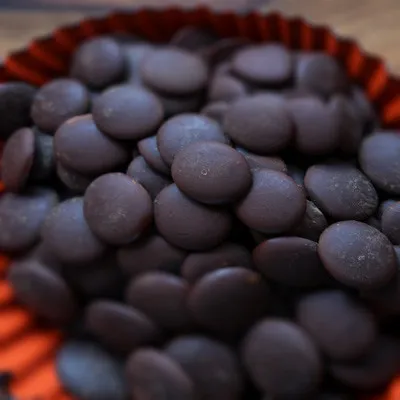
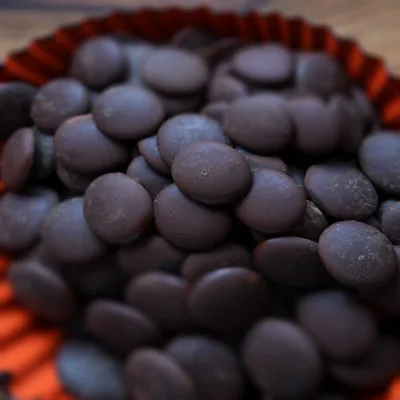
For recipes that also use solid chocolate, pair the powder with Santa Barbara Chocolate’s Rainforest 72% dark chocolate mini discs to layer the flavor.
Making Perfect Hot Chocolate and Chocolate Drinks
Cocoa powder makes a rich chocolate drink when you mix it into a smooth paste first, then add the liquid gradually so it does not clump.
Basic hot cocoa method:
- Put cocoa powder and sugar to taste in a mug
- Add a splash of hot water or milk and stir into a smooth paste
- Gradually whisk in the rest of the heated milk (dairy or plant-based)
- Adjust sweetness and top with marshmallows or whipped cream
Because Santa Barbara Chocolate’s powders are unsweetened, you control how sweet the drink is.
Other drink applications:
- Chocolate smoothies: Blend with banana, milk, and ice for a chocolate shake
- Mocha coffee: Stir into your morning coffee with a touch of sugar
- Chocolate milk: Whisk powder and sweetener into cold milk
- Vegan hot chocolate: Use plant milk and melt in a little of the vegan friendly Rainforest 72% dark chocolate
Storage and Shelf Life Tips
Proper storage keeps your cocoa powder fresh and prevents it from absorbing odors or moisture. Store the powder in an airtight container in a cool, dark pantry away from heat sources and strong-smelling foods. Cocoa powder ingredients are simple (just ground cocoa solids), but the fine particles readily absorb humidity and odors from nearby items like spices or coffee.
Storage tips:
- Container: Transfer to an airtight glass or plastic container after opening
- Location: Cool, dark pantry, not the refrigerator
- Date: Check the best-by date on the bag
- Signs of spoilage: Off smell, clumping that won’t break up, or visible mold (discard immediately)
Before using powder that’s been sitting for a while, give it a quick sniff. Fresh cocoa powder has a clean, chocolatey aroma. Any musty, sour, or chemical smell means it’s time to replace it.
Recipe Ideas and Serving Suggestions
Push beyond basic brownies with these creative applications for cocoa powder:
Savory cooking: Add a little to chili, mole sauce, or barbecue rubs for depth without sweetness. Unsweetened cocoa’s bitter notes balance spice and acid.
Breakfast treats: Swirl cocoa powder into oatmeal, pancake batter, or yogurt parfaits. Mix with chia seeds and milk for chocolate chia pudding.
Frozen desserts: Blend into ice cream bases or no-churn frozen desserts.
Energy bites: Combine with dates, nuts, and oats for no-bake bites.
The beauty of pure cocoa powder lies in its adaptability. Whether you’re baking a celebration cake, whisking together a cozy mug of hot cocoa, or experimenting with chocolate in unexpected places, Santa Barbara Chocolate’s unsweetened cocoa powder gives you rich chocolate flavor with the sweetness left up to you.
Questions
What is the difference between cocoa powder and cacao powder?
Both come from fermented, dried cacao beans. Lighter roasting gives a sharper taste and fuller roasting a mellower one, but the names "cacao" and "cocoa" are not used consistently, so read the label rather than the name. Santa Barbara Chocolate sells natural, non-alkalized cocoa powders.
How much cocoa powder should I use in baking?
Follow your recipe, since amounts vary from recipe to recipe. Sift the cocoa before measuring to prevent lumps, and remember that natural cocoa suits recipes that use baking soda.
Can I substitute cocoa powder for melted chocolate in recipes?
They are not direct swaps, because chocolate adds fat and sugar as well as cocoa. Follow a recipe written for the ingredient you have, or use a couverture such as the Rainforest 72% dark chocolate when a recipe calls for melted chocolate.
Does cocoa powder go bad?
Cocoa powder does not spoil like dairy, but it loses flavor and aroma over time. Check the best-by date on the bag, keep it sealed in a cool, dark pantry, and discard it if you notice musty odors, unusual clumping, or visible mold.
What makes Santa Barbara cocoa powder good for hot chocolate?
Both of Santa Barbara Chocolate's powders are unsweetened and non-alkalized, so you control the sweetness. Mix the powder into a paste with a little hot water or milk first to prevent lumps, then whisk in the rest of the milk and sweeten to taste.
Products in this guide
 Shopping at Santa Barbara Chocolate? See the coupon code
10% OFF Sitewide
More in this series
Cocoa Powder vs Cacao Powder: What’s the Difference and Which Should You Buy?29 Jul 20265 minSanta Barbara Chocolate Truffle Recipe: Ingredients, Steps and Keeping Time29 Jul 20263 min Does Santa Barbara White Chocolate Contain Real Cocoa Butter?29 Jul 20264 minIs Santa Barbara Vegan Chocolate Actually Dairy-Free? What the Label Says29 Jul 20263 minHow Long Does Santa Barbara Chocolate Last? Storage, Freezing and Bloom29 Jul 20263 min