 A Santa Barbara Chocolate guide
Cocoa Powder vs Cacao Powder: What’s the Difference and Which Should You Buy?
Cocoa powder and cacao powder both come from fermented cacao beans. The difference is mostly roasting, labeling and flavor, so read the label rather than the name.
What’s the Difference Between Cocoa Powder and Cacao Powder?
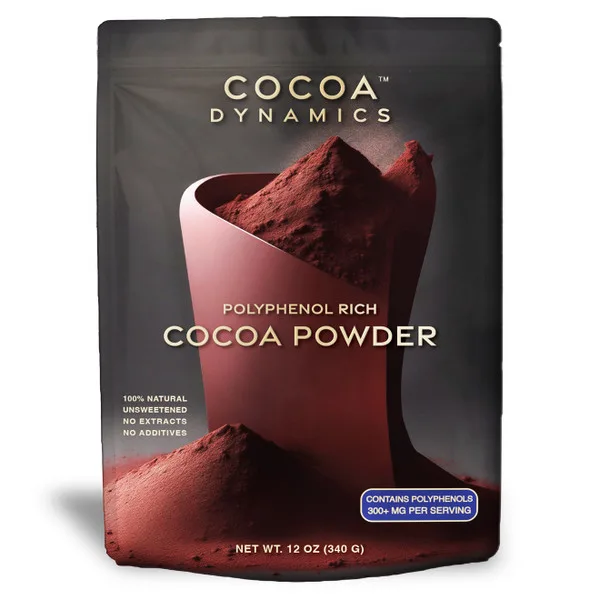
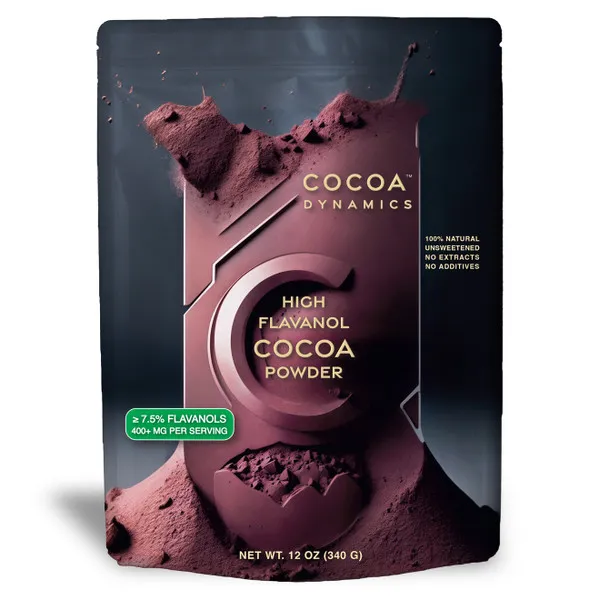
Cocoa powder and cacao powder both come from fermented, dried cacao beans that are ground and pressed to remove most of the cocoa butter. The names are not used consistently, so the name alone does not tell you how a powder was made. Santa Barbara Chocolate sells two natural, non-alkalized cocoa powders, its Polyphenol Rich Cocoa Powder and CocoaDynamics cocoa powder, rather than a product it calls cacao powder. You can find the current code on our Santa Barbara Chocolate coupon code page.
For everyday baking and hot drinks, check whether your recipe calls for natural or Dutch-process cocoa (see the baking tips below). If a recipe calls for cacao powder, a natural, non-alkalized cocoa powder is a reasonable stand-in, though the flavor may differ. Santa Barbara Chocolate’s FAQ links to the FDA’s standards for cacao and cocoa products if you want the formal definitions.
Processing: How Heat Changes Everything
All cocoa and cacao powder starts the same way: the beans are fermented, dried, ground into a paste, and pressed to remove most of the cocoa butter, and the pressed cake is milled into powder. How long and how hot the beans are roasted changes the flavor. Fuller roasting gives the familiar rounded chocolate taste, while lighter roasting keeps more of the bean’s fruity, sharp notes.
“Raw” labels deserve a second look. On its own site, Santa Barbara Chocolate argues that raw chocolate does not really exist, because cacao beans are fermented at temperatures above 125°F before they reach a factory. Its cacao nibs, for example, are sold as lightly roasted, cracked cacao beans with nothing added.
For classic brownies, cookies, or chocolate truffles, cocoa powder delivers the familiar chocolate taste home bakers expect. Powders sold as cacao suit no-bake energy balls, smoothie bowls, and recipes where you want a sharper cacao flavor.
What the Labels Tell You
The simplest way to compare powders is the label. Santa Barbara Chocolate’s Polyphenol Rich Cocoa Powder lists one ingredient, natural non-alkalized cocoa powder, and its nutrition panel shows a 1 tablespoon (5 g) serving at 10 calories with 0 g of sugar. The brand sells CocoaDynamics as a high flavanol cocoa powder made without alkalization, and its cacao nibs as lightly roasted cacao beans with no added sugar.
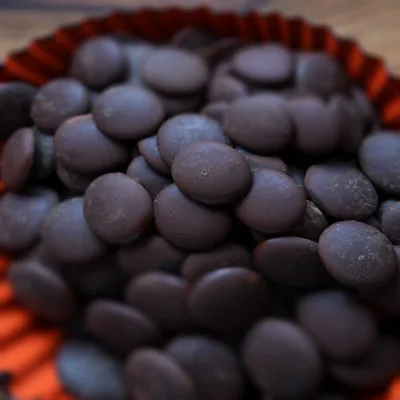
Both of its cocoa powders are unsweetened, so you control the sugar in smoothies, oatmeal, and desserts made with its vegan friendly Rainforest 72% dark chocolate.
Flavor and Texture: What Works Where
Cocoa powder tastes like the chocolate you grew up with: warm, slightly sweet, and forgiving. It blends smoothly into cake batter, dissolves cleanly in milk for hot cocoa, and pairs well with sugar and vanilla. Dutch-process cocoa (treated with alkali to neutralize acidity) goes even mellower and darker, and suits recipes built around baking powder.
Taste a powder sold as cacao before you use it, since lighter roasting keeps more of the bean’s fruity, sharp notes. It suits chia pudding, protein shakes, or no-bake desserts where bold flavor is an asset.
Swapping a sharper cacao powder into a traditional brownie recipe may need a little extra sweetener to balance the bitterness. Conversely, using cocoa powder in a raw truffle can taste flat. Choose based on the recipe’s foundation: baked and sweet, reach for cocoa; raw and bold, grab cacao.
Santa Barbara Chocolate describes its Polyphenol Rich Cocoa Powder as gentler in taste, and its CocoaDynamics cocoa powder as chocolatey and complex, with nutty, dark berry and earthy notes.
Cocoa Powder for Baking: Tips and Substitutions
Natural (non-alkalized) cocoa powder is acidic and reacts with baking soda to create lift. If your recipe includes baking soda but no baking powder, use natural cocoa. Both of Santa Barbara Chocolate’s cocoa powders are natural and non-alkalized.
Dutch-process cocoa is darker, smoother, and less acidic, so it pairs with baking powder instead. The two aren’t always interchangeable, so if you swap them in brownies or muffins, adjust the leavening to match.
Quick baking swaps:
- Cocoa powder to cacao powder: Use the same amount, then taste and add a little sugar if the batter is too bitter.
- Cacao powder to cocoa powder: Use the same amount; you may need slightly less sugar.
- Cocoa powder and melted chocolate: These are not direct swaps, because chocolate also adds fat and sugar. If a recipe calls for melted chocolate, use a couverture such as the Rainforest 72% dark chocolate mini discs.
Always sift cocoa or cacao before adding to batter. Both can clump, and lumps won’t dissolve once mixed with eggs or butter.
Which Should You Buy?
Buy cocoa powder if you bake regularly, make hot cocoa for the family, or prefer a classic chocolate flavor. Santa Barbara Chocolate’s cocoa powders come in 12 oz bags and are natural and unsweetened.
Buy a powder sold as cacao if you like a sharper, fruitier flavor in smoothies and no-bake recipes. Read the ingredients and processing notes rather than relying on the name, since “raw” and “cacao” are labels, not guarantees.
Choose cocoa powder for:
- Cakes, brownies, cookies, and muffins
- Hot chocolate and mochas
- Dusting chocolate truffles or tiramisu
Choose cacao powder for:
- Smoothie bowls and protein shakes
- No-bake energy bars and truffles
- Chia pudding or overnight oats

You can keep both on hand and reach for the one that fits the recipe. If you’re stocking up, check our coupon page for current offers on Santa Barbara Chocolate’s cocoa powders, cacao nibs, white chocolate couverture chips and dark chocolate.
Storing and Shelf Life
Cocoa and cacao powder keep best in a tightly sealed container in a cool, dark, dry place. Check the best-by date on the bag, and keep the powder away from moisture and strong odors.
If your powder smells musty, tastes flat, or has hardened into a brick, it’s time to replace it. Fresh powder should smell rich and chocolatey (or sharp and fruity in the case of cacao) the moment you open the bag.
Refrigeration isn’t necessary and can introduce condensation, which clumps the powder. A pantry shelf away from the stove is ideal. If you buy in bulk, portion some into a smaller jar for daily use and keep the rest sealed.
Questions
Can I use cacao powder instead of cocoa powder in baking?
Yes, start with the same amount. Powder sold as cacao can taste sharper and more bitter, so taste the batter and add a little sugar if needed. Watch the leavening too: natural, non-alkalized powders suit recipes that use baking soda.
Does cocoa powder expire?
Cocoa powder does not spoil like dairy, but it loses flavor and aroma over time. Check the best-by date on the bag and store it sealed in a cool, dry place.
What's the difference between natural and Dutch-process cocoa powder?
Natural cocoa powder is acidic and reacts with baking soda to create lift in recipes. Dutch-process cocoa is treated with alkali to neutralize acidity, giving it a darker color, milder flavor, and compatibility with baking powder instead. Santa Barbara Chocolate's cocoa powders are natural and non-alkalized.
Can I make hot chocolate with cacao powder?
Yes. Mix the powder with a little hot milk or water into a smooth paste first, then whisk in the rest of the liquid and sweeten to taste. Powder sold as cacao tastes sharper, so you may want a little more sweetener.
Products in this guide
 Shopping at Santa Barbara Chocolate? See the coupon code
10% OFF Sitewide
More in this series
Santa Barbara Chocolate Truffle Recipe: Ingredients, Steps and Keeping Time29 Jul 20263 minDoes Santa Barbara White Chocolate Contain Real Cocoa Butter?29 Jul 20264 minHow to Use Santa Barbara Cocoa Powder in Baking and Drinks29 Jul 20264 minIs Santa Barbara Vegan Chocolate Actually Dairy-Free? What the Label Says29 Jul 20263 minHow Long Does Santa Barbara Chocolate Last? Storage, Freezing and Bloom29 Jul 20263 min