 A Kismet Beauty Brands guide
How to Use Alpha Arbutin Serum for Hyperpigmentation and Dark Spots
Alpha arbutin is a proven brightening ingredient that fades hyperpigmentation and dark spots when used correctly in your skincare routine.
Alpha arbutin is a gentle yet effective brightening agent that inhibits melanin production to fade hyperpigmentation, dark spots, and uneven skin tone over time. Derived from the bearberry plant, this stable ingredient works without the irritation often associated with stronger brighteners, making it suitable for most skin types.
What Alpha Arbutin Does for Dark Spots
Alpha-arbutin blocks tyrosinase, the enzyme responsible for melanin production in your skin. By interrupting this process, it prevents new pigment from forming and gradually lightens existing dark spots, sun damage, acne scars, and melasma.
Unlike harsher brightening ingredients, alpha arbutin serum delivers results without significant risk of irritation or rebound hyperpigmentation when you stop using it. Clinical studies show concentrations between 1% and 2% produce visible improvements in skin tone within 8 to 12 weeks of consistent use.
Key benefits include:
- Fades post-inflammatory hyperpigmentation from acne and inflammation
- Evens skin tone by targeting areas of excess melanin
- Safe for sensitive skin compared to hydroquinone or high-strength acids
- Works on all skin tones without risk of paradoxical darkening
How to Apply Alpha Arbutin Serum Correctly
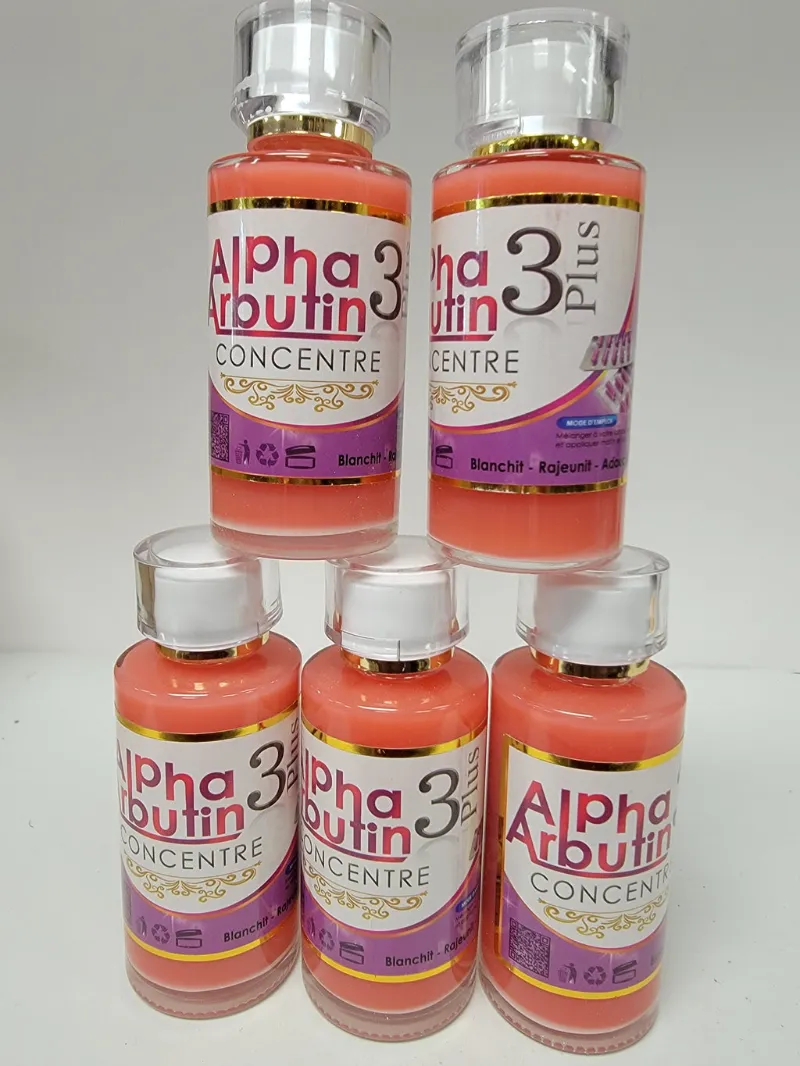
Proper application timing and layering maximize the effectiveness of your arbutin serum while minimizing waste.
Step-by-step application:
- Cleanse thoroughly to remove makeup, oil, and debris
- Apply on damp skin immediately after cleansing for better absorption
- Use 3-4 drops and press gently into areas with hyperpigmentation
- Wait 30-60 seconds before layering the next product
- Follow with moisturizer to seal in the serum
- Apply sunscreen every morning to prevent new pigmentation
Apply twice daily for fastest results, though once daily in the evening is sufficient if you have sensitive skin. Check the latest formulations and pricing to find the concentration that suits your needs.
Layering Alpha Arbutin with Other Skincare Ingredients
Alpha arbutin plays well with most actives, but strategic layering improves results and prevents conflicts.
Safe and effective combinations:
- Vitamin C boosts brightening when applied in the same routine (use vitamin C first, then alpha arbutin)
- Niacinamide enhances barrier function and complements arbutin’s brightening effect
- Hyaluronic acid in formulas like Alpha Arbutin 2% + HA adds hydration without interference
- Retinol can be used at night after alpha arbutin, but introduce slowly to avoid irritation
Ingredients to separate:
- AHAs/BHAs can be used, but apply acids first on clean skin, wait 10 minutes, then follow with alpha arbutin
- Benzoyl peroxide may oxidize and reduce arbutin’s effectiveness; use in opposite routines (morning vs. evening)
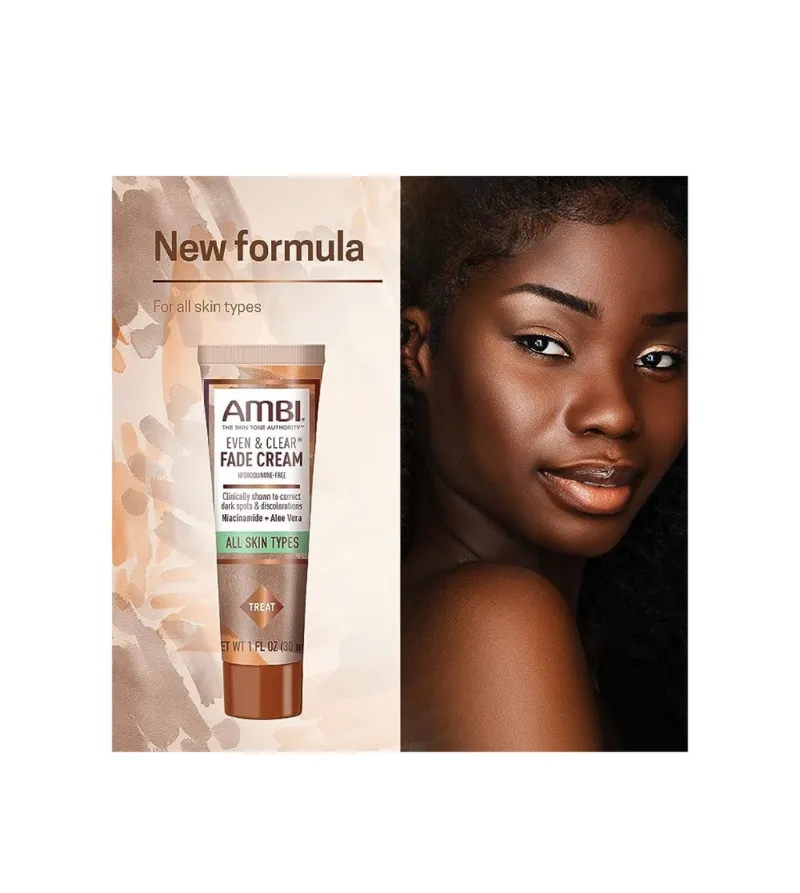
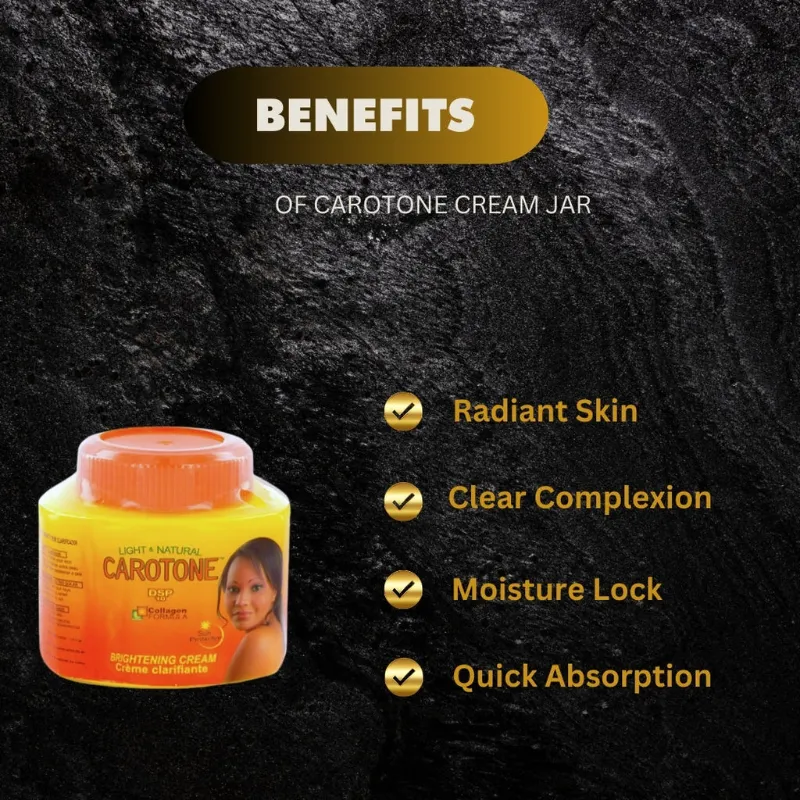
If you’re using stronger brighteners like ambi fade cream or carotone cream, introduce alpha arbutin gradually and monitor for irritation, as some formulas contain additional actives.
Alpha Arbutin Serum vs. Cream vs. Lotion
Different vehicles deliver alpha arbutin at varying strengths and absorption rates.
| Format | Best For | Typical Concentration |
|---|---|---|
| Serum | Targeted dark spots, layering | 1-2% |
| Cream | Dry skin, full-face brightening | 0.5-1.5% |
| Lotion | Body hyperpigmentation, large areas | 0.5-1% |
Serums like alpha arbutin penetrate deepest and work fastest on localized hyperpigmentation. Alpha arbutin cream formulas provide moisture alongside brightening, making them ideal if you have dry or mature skin. An alpha arbutin lotion covers larger areas economically, useful for treating sun damage on the chest, hands, or back.
For facial hyperpigmentation, we recommend starting with a serum at 1-2% concentration and pairing it with a separate moisturizer so you control each step.
When to Expect Results and How to Maintain Them
Alpha arbutin benefits appear gradually as your skin’s natural turnover cycle replaces pigmented cells with new, evenly toned ones.
Realistic timeline:
- 4-6 weeks: Slight evening of tone, reduced intensity of new dark spots
- 8-12 weeks: Noticeable fading of existing hyperpigmentation
- 3-6 months: Maximum improvement for stubborn dark spots and melasma
Consistency matters more than concentration. Daily use of a 1% formula outperforms sporadic use of a 2% formula. Grab the code to stock up and maintain your routine without gaps.
After your pigmentation fades, continue using alpha arbutin 3-4 times weekly to prevent recurrence. Sunscreen remains non-negotiable; UV exposure will undo months of progress in days.
Potential Alpha Arbutin Side Effects and Precautions
Alpha arbutin side effects are rare, but understanding the risks helps you use it safely.
Most users experience no irritation, but a small percentage report:
- Mild tingling on first application (usually resolves within a week)
- Dryness if layered with too many actives
- Temporary redness in very sensitive skin
Safety tips:
- Patch test on your inner arm for 24 hours before facial use
- Start slowly with once-daily application if you have reactive skin
- Avoid broken skin and active breakouts until healed
- Store properly in a cool, dark place; alpha arbutin degrades in heat and light
According to dermatology research, alpha arbutin is significantly safer than hydroquinone for long-term use and does not carry the same risk of ochronosis (skin darkening). Pregnant and breastfeeding individuals should consult a healthcare provider, though topical alpha arbutin is generally considered low-risk.
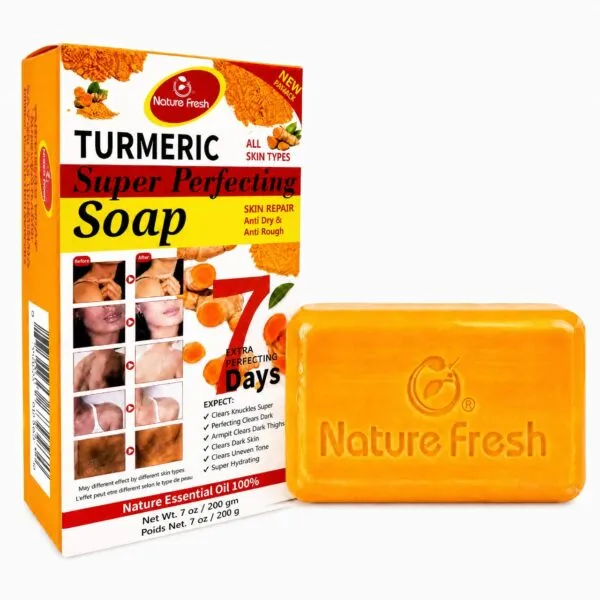
If you’re also using sulfur face wash for acne or ambi cream for additional brightening, introduce products one at a time and wait two weeks between additions to identify any reactions.
Building a Complete Hyperpigmentation Routine
A targeted routine multiplies the effectiveness of alpha arbutin serum beyond what the ingredient achieves alone.
Morning routine:
- Gentle cleanser
- Alpha arbutin serum
- Vitamin C serum (optional, for extra brightening)
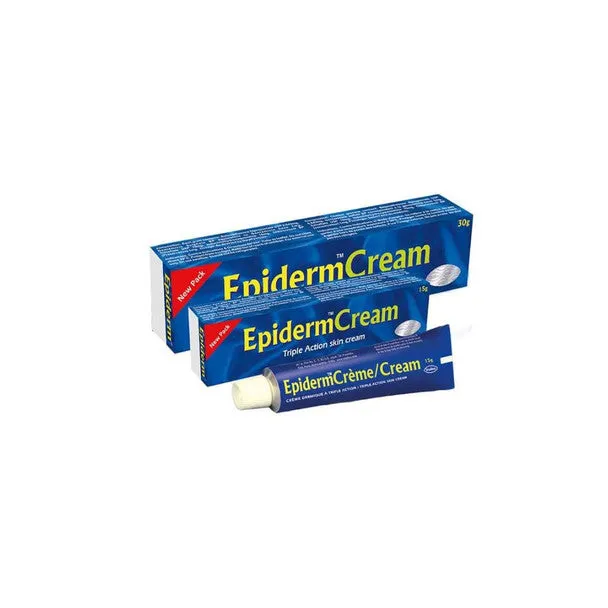
- Moisturizer like epiderm cream
- SPF 30+ sunscreen (essential)
Evening routine:
- Double cleanse if wearing makeup
- Chemical exfoliant 2-3x weekly (AHA/BHA)
- Arbutin serum
- Retinol or carotone cream (alternating nights if needed)
- Rich moisturizer
Hyperpigmentation responds best to a multi-pronged approach: prevention with sunscreen, inhibition with alpha arbutin, and acceleration with gentle exfoliation. Stay consistent, track progress with monthly photos, and adjust concentrations based on your skin’s response.
Questions
Can I use alpha arbutin serum every day?
Yes, alpha arbutin is gentle enough for daily use, morning and evening. Most people see the best results with twice-daily application, though sensitive skin may prefer once daily to start.
How long does it take for alpha arbutin to fade dark spots?
Expect visible fading in 8 to 12 weeks with consistent daily use. Stubborn hyperpigmentation or melasma may require 3 to 6 months for maximum improvement.
Can I mix alpha arbutin with vitamin C?
Yes, alpha arbutin and vitamin C work synergistically to brighten skin. Apply vitamin C first on clean skin, wait 30 seconds, then follow with alpha arbutin serum for best results.
Is alpha arbutin better than hydroquinone?
Alpha arbutin is safer for long-term use and does not carry the risk of ochronosis or rebound hyperpigmentation associated with hydroquinone. It works more gradually but with fewer side effects.
Do I still need sunscreen when using arbutin serum?
Absolutely. Sunscreen is essential when treating hyperpigmentation because UV exposure triggers new melanin production and will undo your progress. Use SPF 30 or higher every morning.
Can alpha arbutin cause skin purging?
No, alpha arbutin does not increase cell turnover, so it does not cause purging. Any breakouts after starting are likely coincidental or due to other products in your routine.
Products in this guide
 Shopping at Kismet Beauty Brands? See the discount code
5% OFF All Orders
Shopping at Kismet Beauty Brands? See the discount code
5% OFF All Orders
More in this series
Carotone Cream: Ingredients, Safety and What to Know14 Aug 20263 minWhy Sulfur Soap Clears Pimples: Benefits, Side Effects, and How Often to Use14 Aug 20265 minThe Right Way to Layer Arbutin Serum With Vitamin C in Your Routine14 Aug 20264 min Does Virgin Hair Fertilizer Help Hair Growth? What to Know14 Aug 20264 minAmbi Fade Cream vs Ambi Lightening Cream: Which Formula Works Faster?14 Aug 20265 min