 A Kismet Beauty Brands guide
Why Sulfur Soap Clears Pimples: Benefits, Side Effects, and How Often to Use
Sulfur soap pimples treatment delivers antibacterial and keratolytic action that unclogs pores, reduces inflammation, and helps clear breakouts without harsh prescriptions.
Why Sulfur Soap Works for Clearing Pimples
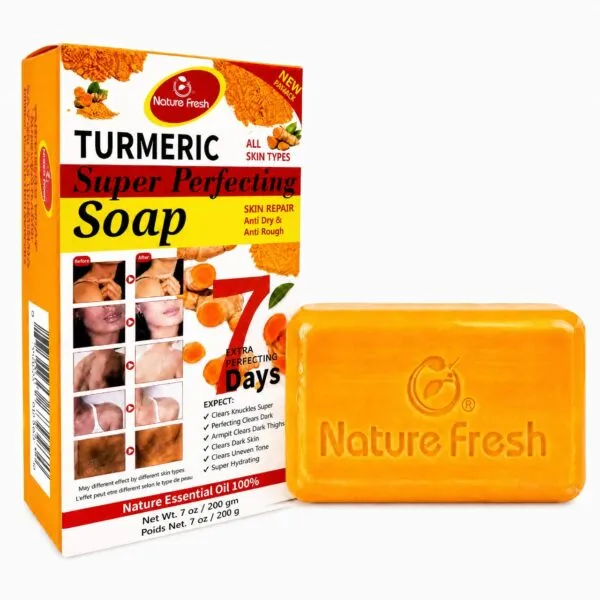
Sulfur soap pimples treatment is effective because sulfur acts as both a keratolytic agent that sheds dead skin cells and an antibacterial ingredient that reduces acne-causing bacteria. For shoppers looking to tackle stubborn acne with a proven ingredient, sulfur face wash offers a gentle daily option that complements bar soap use.
Sulfur has been used for centuries to treat skin conditions, and modern dermatology confirms its effectiveness for mild to moderate acne. According to research published by Healthline, sulfur works by drying out the skin surface, which helps absorb excess sebum that can clog pores and lead to breakouts.
Key Benefits of Using Sulfur Soap for Acne
We’ve found sulfur soap delivers several distinct advantages over other acne treatments, particularly for oily and combination skin types.
Antibacterial Action Without Resistance
- Reduces Cutibacterium acnes (formerly P. acnes) populations on skin
- Does not contribute to antibiotic resistance like some prescription treatments
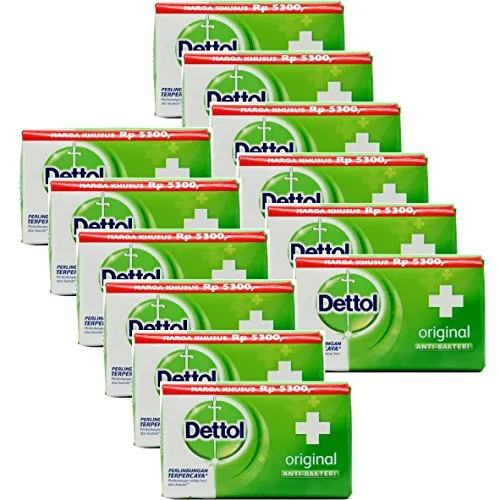
- Works synergistically with other antibacterial soaps such as dettol soap for comprehensive cleansing
Keratolytic Properties
- Softens and loosens dead skin cells that trap oil in pores
- Promotes cell turnover to prevent future clogging
- Helps fade post-acne marks when used consistently over 6-8 weeks
Oil Control
- Absorbs surface sebum without completely stripping skin
- Reduces shine throughout the day
- Helps balance combination skin when used on the T-zone
Anti-Inflammatory Effects
- Calms redness around active pimples
- Reduces swelling in cystic breakouts
- Soothes irritation from other acne treatments
According to Byrdie’s analysis, sulfur’s mild exfoliating action makes it particularly effective for blackheads and whiteheads, which are non-inflammatory acne types that respond well to pore-clearing ingredients.
How Often Should You Use Sulfur Soap
Frequency depends entirely on your skin type, current breakout severity, and how your skin tolerates sulfur.
Starting Protocol
- Begin with once daily use, preferably at night
- Apply to damp skin, lather for 30-60 seconds, rinse thoroughly
- Monitor for dryness, tightness, or peeling over the first week
Maintenance Schedule by Skin Type
| Skin Type | Recommended Frequency | Notes |
|---|---|---|
| Oily | Twice daily (morning and night) | Can tolerate higher frequency |
| Combination | Once daily or every other day | Focus on T-zone only |
| Normal | 3-4 times per week | Alternate with gentle cleanser |
| Dry/Sensitive | 2-3 times per week maximum | Always follow with rich moisturizer |
We recommend checking current pricing before stocking up, since consistent use over 4-6 weeks is necessary to see significant improvement.
Signs You’re Using It Too Often
- Excessive flaking or peeling beyond mild exfoliation
- Tight, uncomfortable sensation lasting hours after washing
- Increased breakouts from over-stripped skin producing rebound oil
- Raw or burning feeling on application
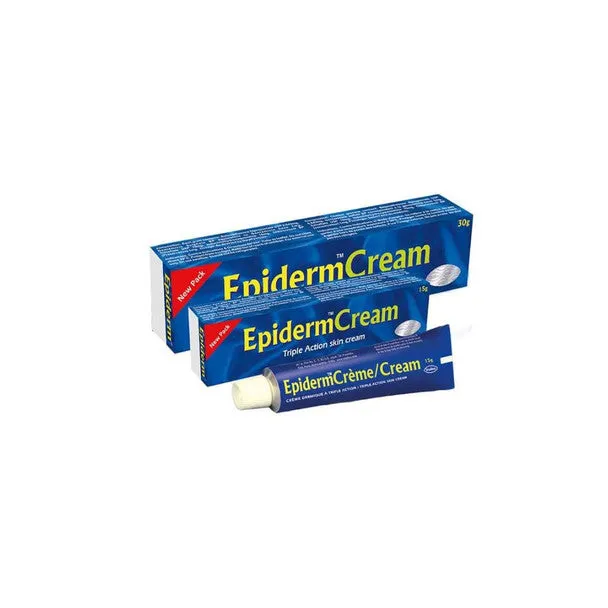
If you experience these symptoms, scale back to 2-3 times weekly and ensure you’re using a non-comedogenic moisturizer like epiderm cream after each wash.
Common Side Effects and How to Minimize Them
Sulfur is generally well-tolerated, but we’ve observed several predictable side effects during our product testing.
Expected Reactions
- Dryness and Peeling: The most common effect, especially in the first 2-3 weeks. Counter this by applying a lightweight moisturizer immediately after patting skin dry.
- Sulfur Odor: The characteristic “rotten egg” smell fades quickly after rinsing but may linger on washcloths. Use dedicated face towels and wash them frequently.
- Initial Purging: Some users experience increased breakouts in weeks 1-3 as trapped debris surfaces. This typically resolves by week 4.
Less Common But Serious Reactions
- Contact dermatitis with redness, itching, and hives
- Severe peeling that exposes raw skin
- Increased sun sensitivity leading to burns
The Mayo Clinic notes that you should stop use and consult a healthcare provider if you experience severe burning, blistering, or signs of an allergic reaction.
Mitigation Strategies
- Always patch-test on your jawline for 48 hours before full-face use
- Start with short contact time (30 seconds) and gradually increase
- Never combine sulfur soap with benzoyl peroxide or retinoids in the same routine without dermatologist guidance
- Apply broad-spectrum SPF 30+ every morning, as sulfur increases photosensitivity
What to Pair With Sulfur Soap for Better Results
Strategic layering amplifies sulfur’s benefits while protecting your skin barrier.
Immediate Follow-Up Products After cleansing with sulfur soap, apply products in this order for maximum effectiveness:
- Toner or Essence (optional): Balances pH after alkaline soap
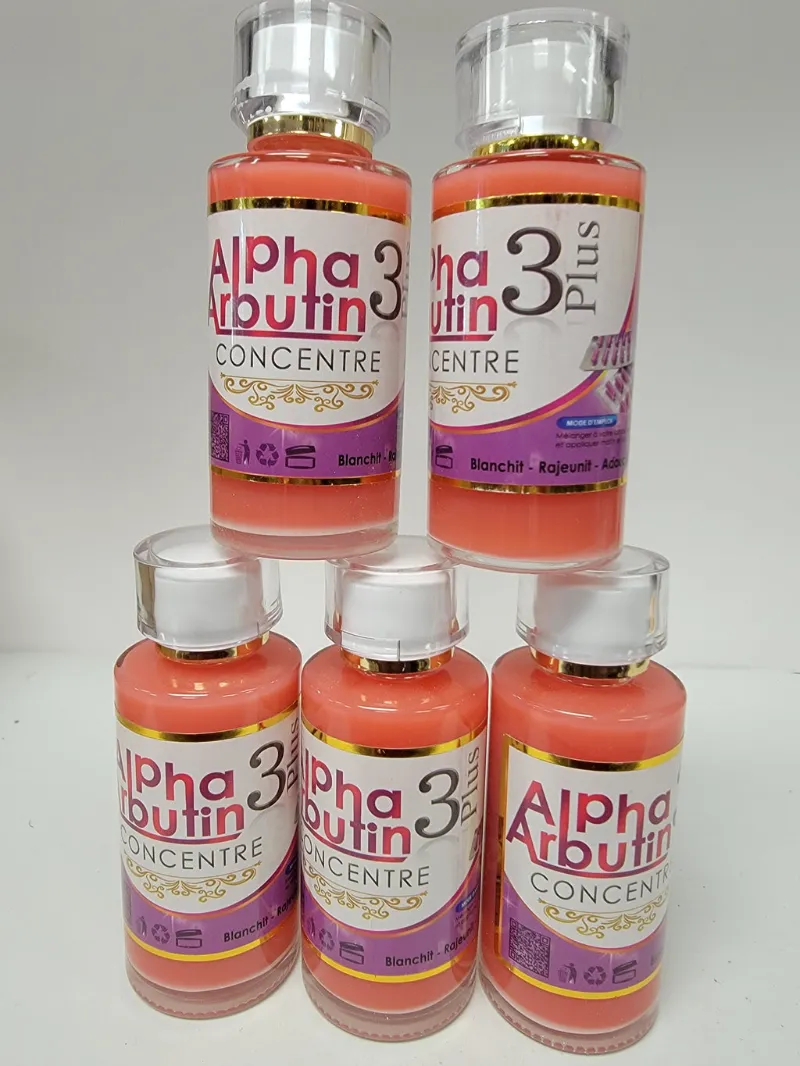
- Treatment Serum: Alpha arbutin or arbutin serum fades dark spots left by healed pimples
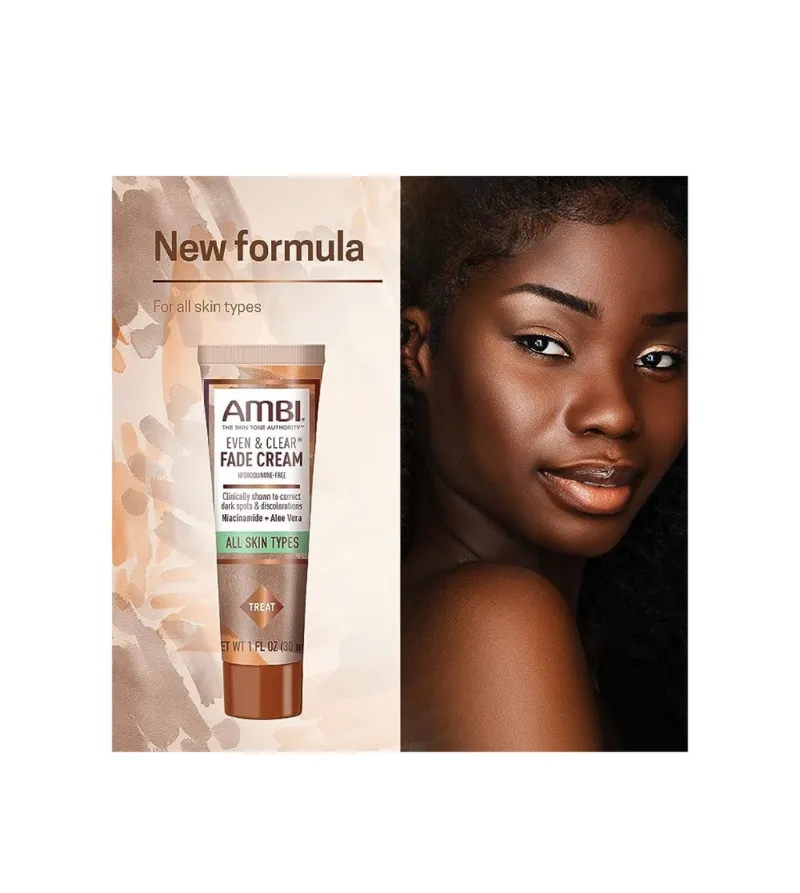
- Moisturizer: Ambi cream or ambi fade cream provides hydration while continuing to brighten post-acne marks
- Sun Protection (morning only): Non-comedogenic SPF prevents darkening of healing spots
Products to Avoid in the Same Routine
- Benzoyl peroxide (may cause excessive dryness and irritation)
- Salicylic acid cleansers (double exfoliation strips the barrier)
- Retinol or tretinoin immediately after sulfur (wait 30+ minutes if using both)
- Alcohol-based toners (compound drying effects)
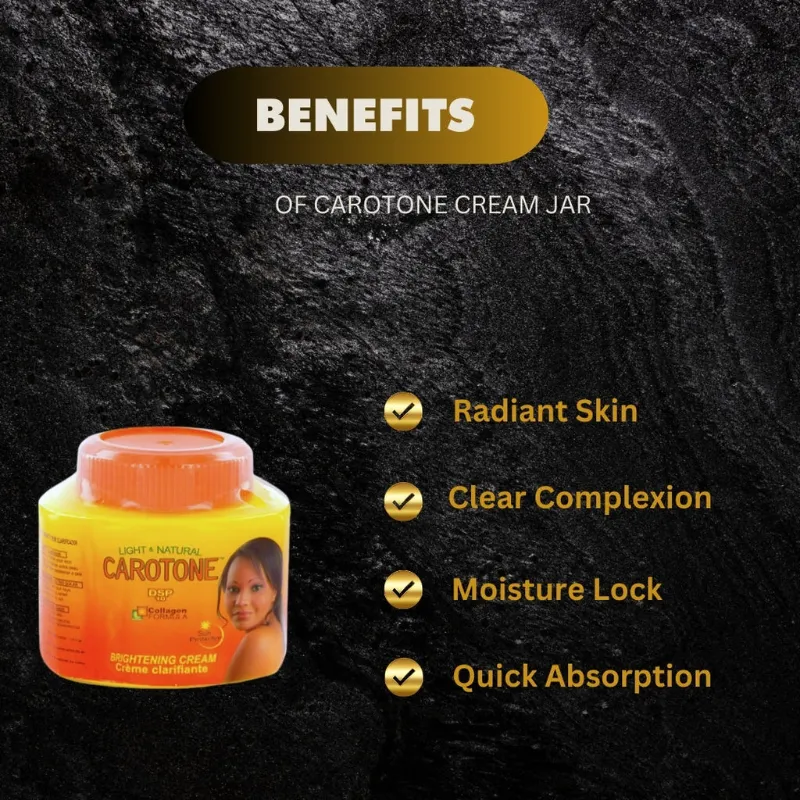
Complementary Treatments for Body Acne If you’re using sulfur soap on back or chest breakouts, follow with carotone cream or light light cream to even skin tone and prevent the hyperpigmentation that often follows body acne. Grab your discount code to save on bundling multiple products.
Who Should Use Sulfur Soap and Who Should Skip It
Sulfur soap suits specific acne types and skin profiles better than others.
Best Candidates
- People with oily skin and frequent blackheads or whiteheads
- Those with mild to moderate inflammatory acne (papules and pustules)
- Users who cannot tolerate benzoyl peroxide or salicylic acid
- Anyone seeking a budget-friendly, non-prescription acne solution
- Teens and adults with hormonally-driven breakouts on the chin and jawline
Who Should Choose Alternatives
- Individuals with very dry or eczema-prone skin (consider gentle sulfur face wash instead of bar soap)
- People with severe cystic acne requiring prescription intervention
- Those allergic to sulfur or sulfa drugs
- Anyone currently on aggressive prescription retinoids (consult your dermatologist first)
Special Considerations Pregnant and breastfeeding individuals should consult their healthcare provider before starting sulfur soap, though topical sulfur is generally considered safer than many oral acne medications. If you’re managing multiple skin concerns, sulfur soap works well alongside brightening treatments like alpha arbutin for post-acne marks, but avoid mixing too many active ingredients in one routine.
Making Sulfur Soap Part of Your Long-Term Routine
Consistency matters more than intensity when using sulfur soap pimples treatment. We recommend committing to at least 8 weeks of regular use before evaluating results, since skin cell turnover takes approximately 28 days and you’ll need multiple cycles to see full clearing.
Track your progress with weekly photos in consistent lighting. Most users notice reduced oiliness within 1-2 weeks, fewer new breakouts by week 3-4, and significant improvement in existing acne by weeks 6-8. If you’re not seeing any improvement by week 8, the issue may be hormonal, dietary, or require prescription intervention.
For the best value on sulfur-based treatments and complementary skincare, check the latest offers before placing your order. Pairing sulfur soap with the right moisturizers and treatment serums creates a complete acne-management system that addresses both active breakouts and the marks they leave behind.
Questions
Can I use sulfur soap if I have sensitive skin?
Yes, but start with 2-3 times per week and monitor closely for irritation. Sensitive skin types should choose a sulfur face wash over bar soap, as liquid formulas tend to be gentler and easier to rinse completely. Always follow with a fragrance-free moisturizer.
How long does it take for sulfur soap to clear pimples?
Most users notice reduced oiliness within 1-2 weeks and fewer new breakouts by weeks 3-4. Significant clearing of existing acne typically occurs by weeks 6-8 with consistent use. Post-acne marks may take 8-12 weeks to fade.
Can I use sulfur soap with other acne treatments?
You can combine sulfur soap with brightening serums like alpha arbutin or arbutin serum, but avoid using it in the same routine with benzoyl peroxide, salicylic acid, or retinoids without dermatologist guidance. These combinations can cause excessive dryness and irritation.
Does sulfur soap smell bad?
Yes, sulfur has a characteristic rotten-egg odor during use, but the smell dissipates within minutes after rinsing. The scent does not linger on skin once dry, though it may remain on washcloths, so use dedicated face towels.
Should I moisturize after using sulfur soap?
Absolutely. Sulfur is drying by design, so applying a non-comedogenic moisturizer immediately after cleansing prevents excessive peeling and helps maintain your skin barrier. This step is essential even for oily skin types.
Can sulfur soap help with body acne?
Yes, sulfur soap works well on back, chest, and shoulder breakouts. Use it 3-5 times per week on affected areas, then follow with a brightening cream to prevent dark spots from forming as the acne heals.
Products in this guide
 Shopping at Kismet Beauty Brands? See the discount code
5% OFF All Orders
Shopping at Kismet Beauty Brands? See the discount code
5% OFF All Orders
More in this series
Carotone Cream: Ingredients, Safety and What to Know14 Aug 20263 minThe Right Way to Layer Arbutin Serum With Vitamin C in Your Routine14 Aug 20264 min Does Virgin Hair Fertilizer Help Hair Growth? What to Know14 Aug 20264 minAmbi Fade Cream vs Ambi Lightening Cream: Which Formula Works Faster?14 Aug 20265 minHow to Use Alpha Arbutin Serum for Hyperpigmentation and Dark Spots14 Aug 20264 min