 A Jimmy guide
How to Use a Vacuum Cleaner Against Bed Bugs in Your Bed
A vacuum cleaner for bed bugs can physically remove adults, nymphs, and eggs from your mattress when used with the right attachments and technique.
Why Vacuuming Works Against Bed Bugs
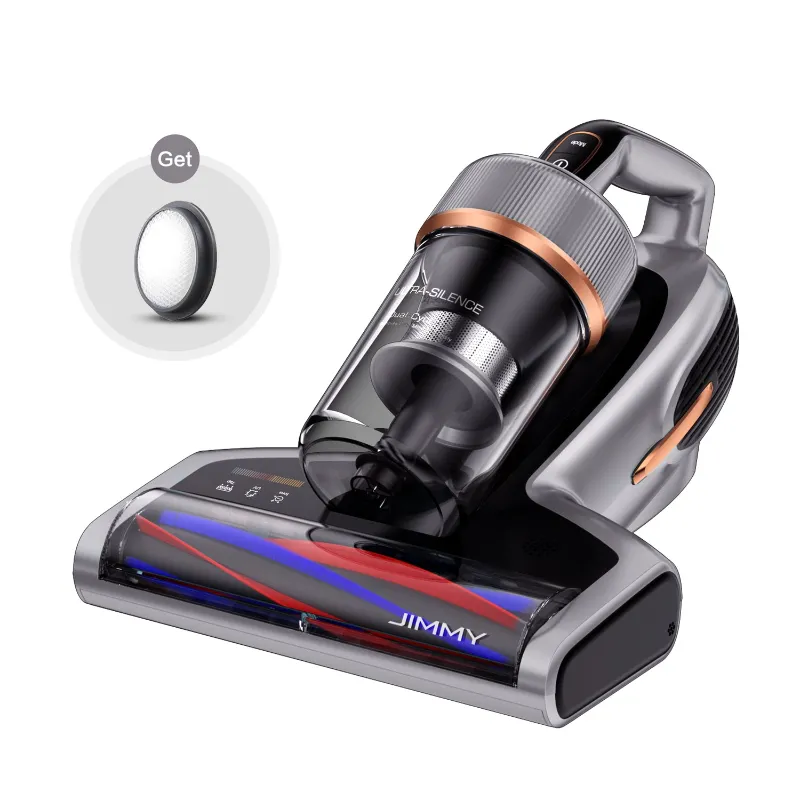
A vacuum cleaner for bed bugs physically removes the insects, their eggs, and shed skins from your mattress, box spring, and bed frame before they multiply. Vacuuming alone won’t eliminate an infestation completely, but it reduces the population immediately and buys you time while you implement other control methods. Models like the jimmy bx7 pro max with strong suction and crevice tools let you reach seams, tufts, and joints where bed bugs hide during daylight hours. Our Jimmy promo code page lists the current code and how to use it.
The key is using a machine with sealed filtration and enough power to dislodge eggs that bed bugs cement to fabric. For a severe infestation, pair vacuuming with heat treatment or professional pest control. Vacuuming is a first step you can take yourself.
Choosing a Vacuum Cleaner for Bed Bugs
Not every vacuum works equally well. Here’s what to prioritize when you’re shopping for a vacuum cleaner for bed bugs:
- HEPA filtration: A HEPA filter traps fine dust and allergens so they do not blow back into the room
- Strong suction: You need enough pull to lift bugs from fabric folds and crevice seams
- Sealed dust chamber: Bagless models are fine as long as the canister seals completely so bugs can’t crawl out
- Crevice and upholstery tools: Narrow nozzles reach mattress piping, bed frame joints, and headboard cracks where bed bugs congregate
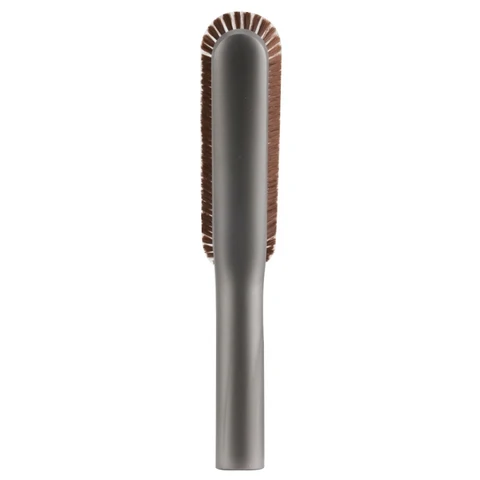
The bx7 pro max is Jimmy’s bed vacuum. Its product page lists 700W power, 65°C graphene heating with hot air, UV-C light, a patented composite brushroll and dual cyclonic filtration. Jimmy does not list a kPa suction figure, so check the product page before you compare it with other models. Jimmy also sells a jimmy jv soft brush kit, but it is made for Jimmy’s JV and H8 stick vacuums, not the BX7 Pro Max.
Get Rid of Bed Bugs with Vacuuming or Steaming compares vacuuming and steaming as ways to deal with bed bugs.
Step-by-Step Vacuuming Technique for Mattresses and Frames
Follow this sequence to maximize contact with hiding bugs and minimize the chance they’ll escape during cleaning:
- Strip the bed completely: Remove sheets, pillowcases, mattress protectors, and blankets, then wash them in hot water and dry them on high heat, following the care labels
- Vacuum the mattress top: Work in overlapping rows using slow, deliberate strokes; press the nozzle into seams, tufts, and the piping around the edge
- Flip and repeat: Vacuum the bottom and all four sides of the mattress with the same thorough approach
- Target the box spring: Remove the dust cover if present and vacuum the wooden frame, fabric corners, and staple lines
- Clean the bed frame and headboard: Use a crevice tool on joints, screw holes, and any cracks in wood or metal
- Vacuum the floor perimeter: Bed bugs travel along baseboards, so run the nozzle along the walls near the bed
Immediately after vacuuming, seal the dust cup or bag in a plastic garbage bag, tie it tightly, and dispose of it outside your home. This stops bugs from crawling back out. I Have Bed Bugs, Now What? is a handout on the next steps.
Vacuuming Bed Bugs with a Bagless Vacuum: What You Need to Know
Can you vacuum bed bugs with a bagless vacuum, or do you need a bagged model? A bagless machine works as long as the chamber seals and you empty and clean it correctly.
After each session, detach the dust cup over a plastic bag and tap the contents directly into it. Clean the cup and filter the way the maker’s manual says, since not every filter can be washed. Never empty a dust cup indoors over a trash can without sealing it first.
Bagged vacuums offer one advantage: you can remove the bag, seal it, and toss it without opening the vacuum at all. A bagless model with a sealed chamber still works if you handle disposal carefully.
How Often to Vacuum and What Else You Need to Do
Vacuum your mattress, box spring, and bed frame regularly and often while you still see signs of bed bugs, and follow the schedule your pest control professional gives you. Vacuuming on its own is not a full treatment. Vacuuming Bed Bugs from Furniture as a Stand-alone method is a university extension paper on this question.
Combine vacuuming with these methods:
- Mattress encasements: Zip your mattress and box spring in bed-bug-proof covers to trap any survivors and prevent new infestations
- Heat treatment: Heat is a common part of bed bug control; ask a pest control professional whether steam or a room heat treatment suits your home
- Insecticide dust or sprays: If you use them, choose registered products and follow the label exactly
- Professional inspection: If you still see live bugs after a steady run of vacuuming, call a licensed exterminator
Vacuuming is a useful first step, but it works as one part of a wider plan, not on its own.
Where to Buy a Bed Vacuum
The jimmy bx7 pro max is Jimmy’s bed vacuum for mattresses and upholstery. It runs from a power cord, not a battery. Jimmy itself says a bed vacuum is a preventive tool and does not replace professional pest control for an active bed bug problem.
Check the product pages for specifications before you buy.
Vacuuming won’t solve a bed bug problem overnight, but it is a sensible starting point and a useful part of a wider treatment plan. Choose a machine with strong suction, a sealed dust chamber and good filtration, then keep to a regular schedule.
Questions
Can a vacuum cleaner for bed bugs kill them or just remove them?
Vacuuming physically removes bed bugs but does not kill them. The suction pulls adults, nymphs, and eggs into the dust chamber, so you must immediately seal and dispose of the contents outside your home to prevent escapees.
Is the Jimmy BX7 Pro Max strong enough for bed bug eggs?
Jimmy does not list a kPa suction figure on the BX7 Pro Max product page. It lists 700W power, a patented composite brushroll, 65°C heating and UV-C light. For eggs in fabric seams, work slowly over each area, and treat vacuuming as one step alongside professional pest control.
Do I need a bagged vacuum or can I use a bagless model for bed bugs?
Bagless vacuums work as long as the dust chamber seals well. Empty the canister directly into a sealed plastic bag after every session, and clean the filter the way the maker's manual says.
How often should I vacuum my mattress to control bed bugs?
Vacuum regularly and often while you still see signs of bed bugs, and follow the schedule your pest control professional gives you. Vacuuming reduces what is there but should be combined with encasements or professional treatment.
Will a HEPA vacuum prevent bed bugs from escaping through the exhaust?
A HEPA filter is designed to trap very fine dust and allergens so they do not blow back into the room. What keeps live bugs in is a sealed chamber that you empty into a sealed bag straight away. Check the product page for the filter type; the BX7 Pro Max page lists dual cyclonic filtration.
Products in this guide
Shopping at Jimmy? See the promo code
5% OFF Sitewide
More in this series
Do Bed Bug Vacuums Work? What to Look For in One1 Aug 20265 minJimmy BX7 Pro Max Specs: Cord Length, Dust Cup and Noise1 Aug 20263 minJimmy BX7 Pro Max Replacement Filter and Brush: What Fits1 Aug 20263 minJimmy BX7 Pro Max vs a Regular Vacuum: What a Bed Vacuum Adds1 Aug 20263 minCan the Jimmy BX7 Pro Max Actually Remove Bed Bugs From Mattresses?1 Aug 20264 min