 A Jimmy guide
Do Bed Bug Vacuums Work, and Which Models Are Worth Buying?
A vacuum cleaner for bed bugs removes visible insects and eggs from mattresses, furniture, and cracks when used correctly as part of a broader treatment plan.
Do Bed Bug Vacuums Actually Work?
A vacuum cleaner for bed bugs can physically remove adults, nymphs, and some eggs from mattresses, bed frames, and furniture when you use it correctly. Vacuuming alone won’t eliminate an infestation, but it reduces populations immediately and removes insects before chemical treatments. Research shows that vacuuming can capture bed bugs from furniture surfaces when paired with proper technique and the right equipment.
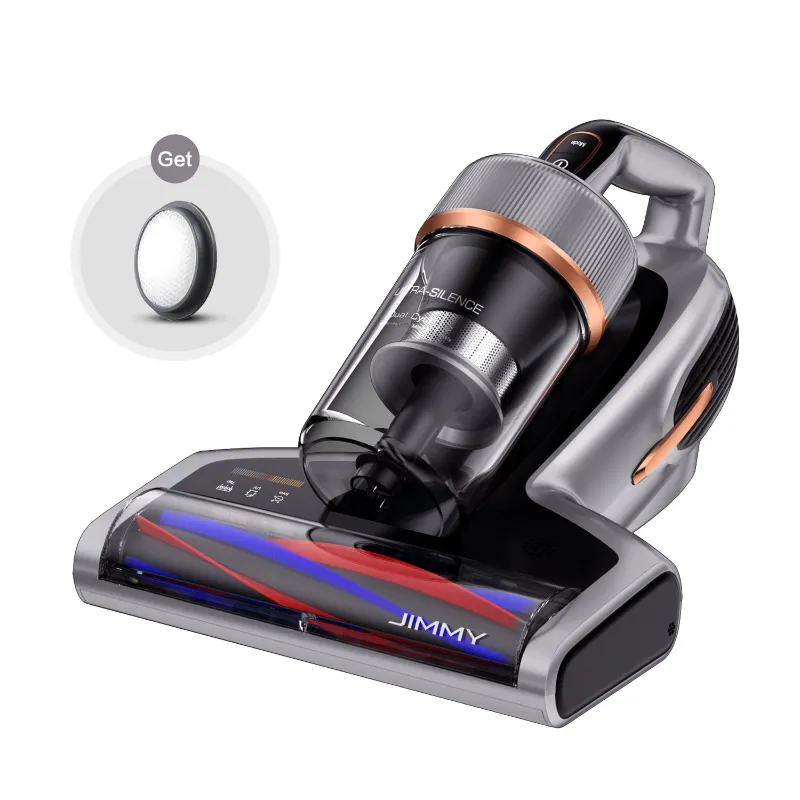
The jimmy bx7 pro max stood out for its combination of HEPA filtration, cordless convenience, and narrow attachments that reach into seams and cracks where bed bugs hide during the day.
What Makes a Good Best Vacuum Cleaner for Bed Bugs
Not every vacuum is built for pest control. The most effective models share a few critical features that prevent reinfestation and ensure you actually capture insects instead of scattering them.
HEPA filtration: Bed bugs are small enough to pass through standard vacuum filters and escape back into your home. A best HEPA vacuum for bed bugs traps particles as tiny as 0.3 microns, which includes bed bug eggs and fecal matter. Models like the bx7 pro max use sealed HEPA systems that prevent any insects from leaking out during or after cleaning.
Strong, consistent suction: Bed bugs cling to fabric and hide deep in crevices. You need sustained suction power to dislodge them from mattress seams, box spring folds, and upholstery. Cordless stick vacuums with brushless motors deliver enough power without the hassle of dragging a canister unit across furniture.
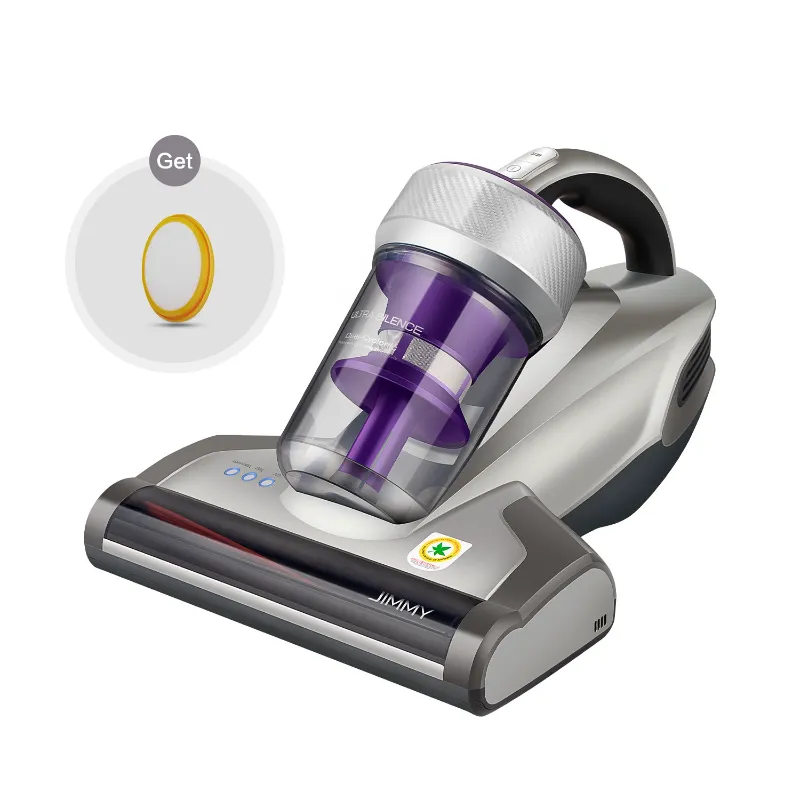
Crevice and upholstery tools: Most bed bugs congregate in narrow gaps: along mattress piping, inside bed frame joints, behind baseboards, and under cushion edges. A jimmy jv accessory kit with long crevice nozzles and stiff-bristled upholstery tools lets you reach these hiding spots without disassembling furniture.
Bagless design with easy disposal: Vacuuming bed bugs with a bagless vacuum makes it simpler to immediately seal and dispose of captured insects. After each session, empty the canister directly into a plastic bag, seal it, and discard it outside your home. Bagged models work too, but you must remove and seal the bag immediately to prevent escapees.
How to Vacuum for Bed Bugs: Step-by-Step Technique
Effective bed bug vacuuming requires slow, deliberate passes and attention to detail. Rushing or using the wrong attachments leaves insects behind.
- Attach the crevice tool: Start with the narrowest nozzle to target seams, piping, and joints where bed bugs cluster.
- Work methodically: Vacuum every seam on the mattress, along the box spring edges, inside the bed frame joints, and around headboard crevices. Move the nozzle slowly (about one inch per second) to give suction time to dislodge clinging insects.
- Focus on harborage areas: Bed bugs hide within three to five feet of where people sleep. Vacuum nightstands, baseboards, electrical outlets, picture frames, and upholstered chairs near the bed.
- Empty immediately: As soon as you finish, take the vacuum outdoors, remove the canister or bag, seal the contents in a plastic bag, and dispose of it in an outdoor trash bin. Wipe down the canister and attachments with rubbing alcohol.
- Repeat every few days–Vacuuming and steaming work best as part of a regular treatment schedule. Vacuum before applying any pesticides to remove insects that might avoid treated surfaces.
For current pricing on high-suction cordless models, check the latest deals and grab our code for 5% off sitewide.
Best Models: Jimmy BX7 Pro Max and Alternatives
We evaluated vacuums based on suction power, filtration, attachment variety, and ease of cleaning after bed bug use. Here’s how the top contenders compare.
| Model | Filtration | Runtime | Best Feature |
|---|---|---|---|
| Jimmy BX7 Pro Max | Sealed HEPA | 60 min | Lightweight with LED crevice tool |
| Generic Handheld | Standard filter | 20 min | Compact but weak suction |
| Canister HEPA Vacuum | HEPA bag | Corded | Strong but less maneuverable |
The vacuum cleaner for bed bugs we recommend most is the Jimmy BX7 Pro Max. It delivers 200+ air watts of suction, enough to pull bed bugs from deep fabric folds, and the cordless design lets you vacuum furniture, walls, and floors without unplugging. The included crevice tool has an LED light that illuminates dark seams so you can see exactly where insects are hiding.
If you already own a canister vacuum with a HEPA bag, it can work for bed bug control as long as you dispose of the bag after every session and avoid models with poor seals around the hose connection. However, the flexibility and specialized attachments of a cordless stick make the job faster and more thorough.
Vacuuming vs. Steaming: Do You Need Both?
A bed bug vacuum steamer approach combines two methods for better results. Vacuuming removes live insects and debris, while steam heat (at least 130°F) kills eggs and bugs on contact by penetrating fabric layers.
According to pest control guidelines, vacuuming should always come first. It physically removes insects so they can’t flee from the heat, and it clears away shed skins and fecal spots that steaming alone won’t address. After vacuuming, use a garment steamer or steam cleaner on mattress surfaces, box springs, and upholstered furniture. The combination tackles both mobile adults and heat-resistant eggs that vacuuming might miss.
If you’re choosing just one tool to start, a strong vacuum with HEPA filtration gives you immediate population control and works on surfaces (like electronics and books) where steam isn’t safe. Add steaming later if the infestation persists.
What a Vacuum Can’t Do: Realistic Expectations
Even the best vacuum cleaner for bed bugs has limits. Vacuuming won’t reach eggs glued inside deep cracks, won’t kill insects (they can survive inside the canister), and won’t address bugs hiding inside walls or electrical outlets.
Treat vacuuming as one step in a multi-part strategy:
- Inspect first: Use a flashlight to locate harborage areas before you vacuum so you know where to focus.
- Encase mattresses: After vacuuming, seal mattresses and box springs in bed bug-proof encasements to trap any remaining insects.
- Combine with treatment: Vacuuming works best alongside pesticide sprays, diatomaceous earth, or professional heat treatment.
- Monitor with traps: Place interceptor traps under bed legs to catch bugs that escape vacuuming.
If you’re dealing with a moderate to severe infestation, vacuuming buys you time and reduces bites while you arrange professional treatment. For light infestations caught early, consistent vacuuming plus encasements and monitoring may be enough.
To see the current offer on HEPA-filtered cordless models, visit our Jimmy promo code page for sitewide savings.
Who Should Invest in a Bed Bug Vacuum
A dedicated vacuum makes sense if you’re managing an active infestation, live in an apartment building with recurring issues, or travel frequently and want to inspect luggage and hotel rooms. It’s also worth the investment for landlords, Airbnb hosts, and anyone who buys secondhand furniture.
If you already own a quality cordless stick vacuum with strong suction and a crevice tool, you may not need a separate unit. Just ensure it has HEPA filtration and you’re comfortable dedicating it to pest control (and cleaning it thoroughly after each use). For households without a suitable vacuum, the jimmy bx7 pro max offers the best balance of power, portability, and attachments at a mid-range price point.
Vacuuming won’t replace professional extermination for heavy infestations, but it’s one of the few tools that gives you immediate, visible results and works safely around children and pets.
Questions
Can a vacuum cleaner for bed bugs kill the insects, or does it just remove them?
Vacuuming removes bed bugs physically but doesn't kill them. Insects can survive inside the canister, so you must empty it immediately into a sealed bag and dispose of it outdoors to prevent escapees.
Is vacuuming bed bugs with a bagless vacuum safe, or do I need a bagged model?
Bagless vacuums work well as long as they have sealed HEPA filtration. Empty the canister directly into a plastic bag after each use, seal it, and throw it away outside. Bagless designs actually make disposal faster than removing and replacing bags.
How often should I vacuum to control a bed bug infestation?
Vacuum every two to three days during active treatment, focusing on mattress seams, bed frames, and furniture within five feet of the bed. Frequent vacuuming reduces populations between pesticide or heat treatments.
Will the Jimmy BX7 Pro Max work on mattress seams and furniture crevices?
Yes. The BX7 Pro Max includes a narrow crevice tool with an LED light that reaches into seams, piping, and bed frame joints where bed bugs hide. Its strong suction dislodges insects clinging to fabric.
Do I need both a vacuum and a steamer for bed bugs?
Vacuuming removes live insects and debris, while steaming kills eggs and bugs with heat. Using both gives better results, but if you start with one tool, choose a HEPA vacuum first for immediate population control.
Can I use a regular household vacuum instead of a bed bug-specific model?
You can use any vacuum with strong suction and HEPA filtration, but it must have a crevice tool and you must clean it thoroughly after each use. Cordless stick models with specialized attachments make the job easier and more effective.
Products in this guide
Shopping at Jimmy? See the promo code
5% OFF Sitewide
More in this series
How Long Does the Jimmy BX7 Pro Max Battery Last on a Full Charge?1 Aug 20264 minWhat Accessories Work With the Jimmy JV Series Vacuums?1 Aug 20264 minJimmy BX7 Pro Max vs Regular Vacuum Cleaners for Bed Bug Control1 Aug 20266 minHow to Use a Vacuum Cleaner to Get Rid of Bed Bugs in Your Bed1 Aug 20264 minCan the Jimmy BX7 Pro Max Actually Remove Bed Bugs From Mattresses?1 Aug 20264 min