 A Bometoys guide
Troubleshooting Common Issues With the Wltoys 144001 RC Buggy
The wltoys 144001 delivers high-speed thrills, but steering drift, overheating motors, and battery issues can stop your runs short—here's how to diagnose and fix them fast.
Why Your Wltoys 144001 Needs Routine Troubleshooting
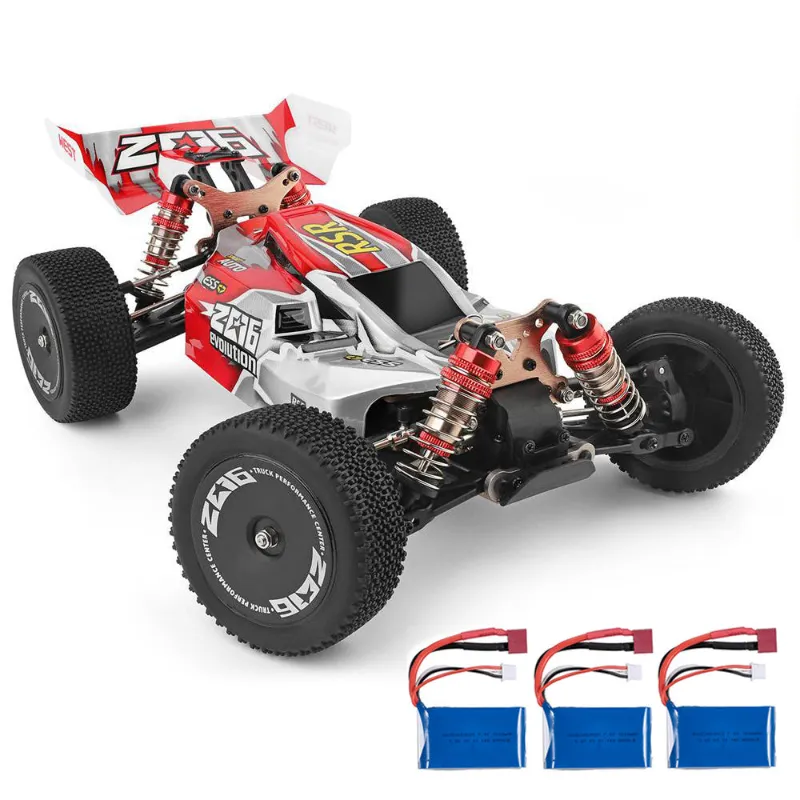
The wltoys 144001 is a high-speed brushless buggy that pushes affordable RC performance to the limit, but that speed and power create predictable stress points. Most failures trace back to vibration, debris, or wear on key components, and nearly all of them can be fixed at home without specialized tools. These are fixes that address the most common causes.
Before you assume a part is dead, check the latest pricing and grab our discount code so you have affordable replacements on hand if a swap is necessary.
Steering Problems: Drift, Jitter, and No Response
Steering issues show up as constant drift to one side, twitchy corrections, or complete loss of control. Here’s how to isolate and fix each one.
Trim and servo binding
- Start with the transmitter trim dial. If your buggy pulls left or right even when the wheel is centered, adjust trim in small clicks until it tracks straight.
- Remove the servo cover and check for dirt or sand jamming the servo gear. A single grain of sand can cause binding.
- Inspect the servo saver spring and ball cups. If the spring is collapsed or a ball cup is cracked, the steering linkage will flex and response will lag.
Loose or stripped servo horn
- Power on the buggy and center the steering. If the wheels stay turned, the servo horn screw has loosened or the horn splines are stripped.
- Tighten the horn screw with threadlocker. If it won’t grip, replace the horn (keep a spare in your field kit).
Electrical glitches
- Unplug and re-seat the servo connector at the receiver. Vibration can work pins loose over time.
- Swap the servo into another channel on the receiver. If the problem follows the servo, it’s failed internally and needs replacement.
Steering repairs are cheap and fast. If you’re upgrading, a metal-gear servo eliminates most durability concerns on budget buggies like the wltoys 144001.
Motor Overheating and Loss of Power
Brushless motors run hot by design, but if your buggy loses punch after two minutes or the motor is too hot to touch, you have a cooling or gearing problem.
Gear mesh and friction
- Loosen the motor mount screws and slide a strip of notebook paper between the pinion and spur gear. Tighten the mount, then pull the paper out. The mesh should allow the gears to spin freely with a faint audible hum, not a grinding or rattling sound.
- Too tight and the motor labors under load. Too loose and the gears skip under acceleration, chewing up teeth.
Debris in the motor can
- Pull the pinion gear and remove the motor. Blow out any dirt or grass clippings from the cooling vents with compressed air.
- Inspect the motor shaft bearings. If they feel gritty or notchy, flush them with motor spray and re-lubricate with a single drop of bearing oil.
ESC thermal cutoff
- Most ESC failures disguise themselves as motor problems. If power cuts out suddenly and returns after a cooldown, the ESC is hitting thermal protection.
- Check the ESC heatsink. If it’s clogged with dirt, clean it. If it’s loose, re-apply thermal paste and secure the screws.
- Verify your battery connector isn’t creating resistance. A corroded or loose XT60 plug will generate heat and starve the ESC of voltage.
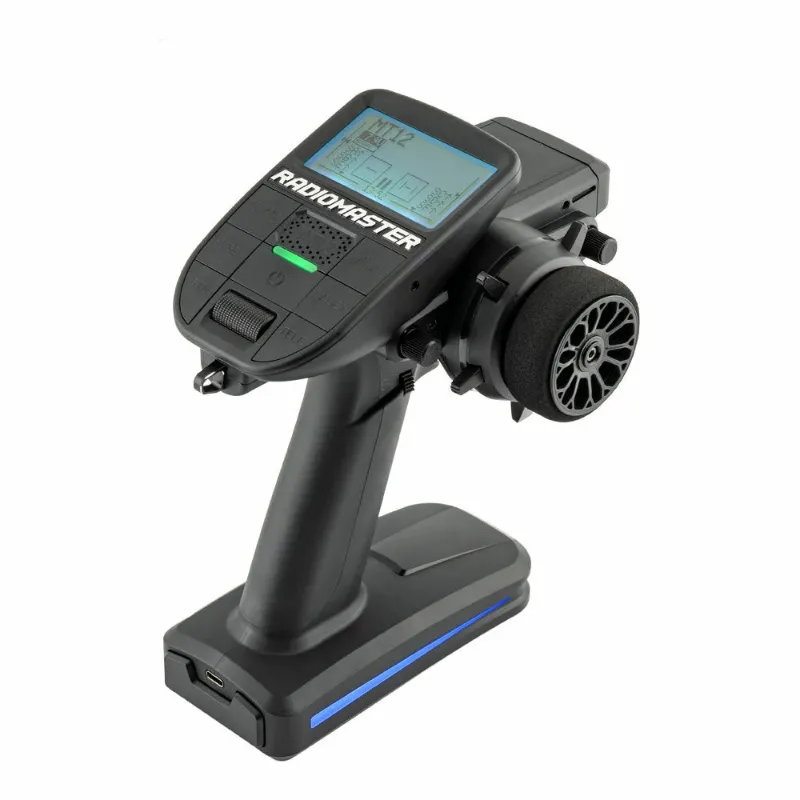
For serious power upgrades or if you’re running multiple buggies, a quality transmitter like the radiomaster mt12 gives you telemetry and programmable throttle curves to protect your electronics.
Battery Issues: Short Runtime and Voltage Sag
LiPo batteries degrade with use, but sudden capacity loss usually points to a fixable problem rather than a dead cell.
Storage and charge habits
- Never store a LiPo fully charged or completely flat. Use storage mode (3.8V per cell) if the buggy will sit for more than a week.
- Balance-charge every 5 to 10 cycles. Imbalanced cells cause premature voltage sag and reduced runtime.
High-current draw from mechanical drag
- Lift the buggy and spin the wheels by hand. If the drivetrain feels stiff, you’re wasting battery power fighting friction.
- Clean and re-grease the diff gears with white lithium or silicone-based grease. Avoid heavy greases that thicken in cold weather.
- Check the wheel bearings. Seized bearings kill runtime faster than a worn battery.
Connector and wire resistance
- Inspect the battery connector for scorch marks, bent pins, or melted plastic. A poor connection creates heat and voltage drop.
- If your wire leads are thin (16AWG or smaller), upgrade to 12 or 14AWG silicone wire to reduce resistance.
The wltoys 144001 pulls 30 to 40A on hard acceleration. Check current prices and apply our code when stocking up on spare batteries so you always have a fresh pack ready.
ESC Failures: No Power, Flashing Lights, or Inconsistent Throttle
The electronic speed controller is the brain of your buggy’s power system. When it fails, symptoms range from total shutdown to erratic throttle response.
LED blink codes
- Most ESCs blink an error pattern when they detect a fault. Consult your manual, but common codes include low voltage cutoff (slow blink), signal loss (fast blink), or motor short (solid light).
- Low voltage cutoff is protective, not a failure. Recharge your battery and the ESC will reset.
Calibration and signal range
- If throttle response is backward (braking accelerates, throttle brakes), the ESC needs recalibration. Power on the transmitter at full throttle, connect the battery, wait for the confirmation beeps, then return the throttle to neutral.
- No response at all? Verify the throttle channel on your transmitter is outputting signal. Swap the ESC into the steering channel temporarily. If it responds, your receiver or transmitter has failed.
Thermal and electrical damage
- A burnt smell or discolored components mean the ESC has suffered thermal or voltage damage and must be replaced.
- Before installing a new ESC, verify your battery voltage and motor KV rating match the ESC specs. Running a 4S battery on a 3S-rated ESC will destroy it instantly.
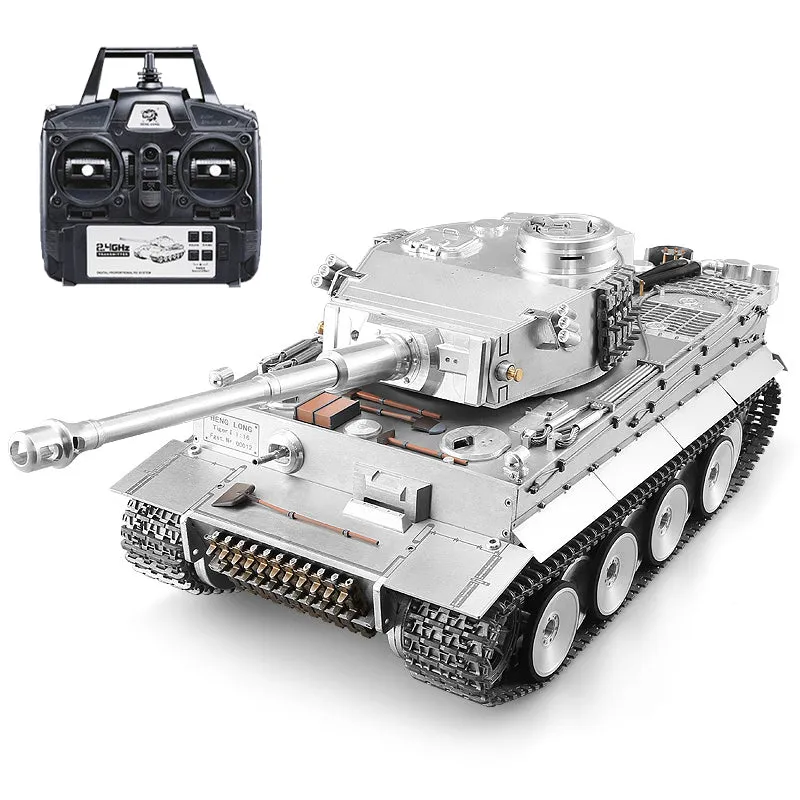
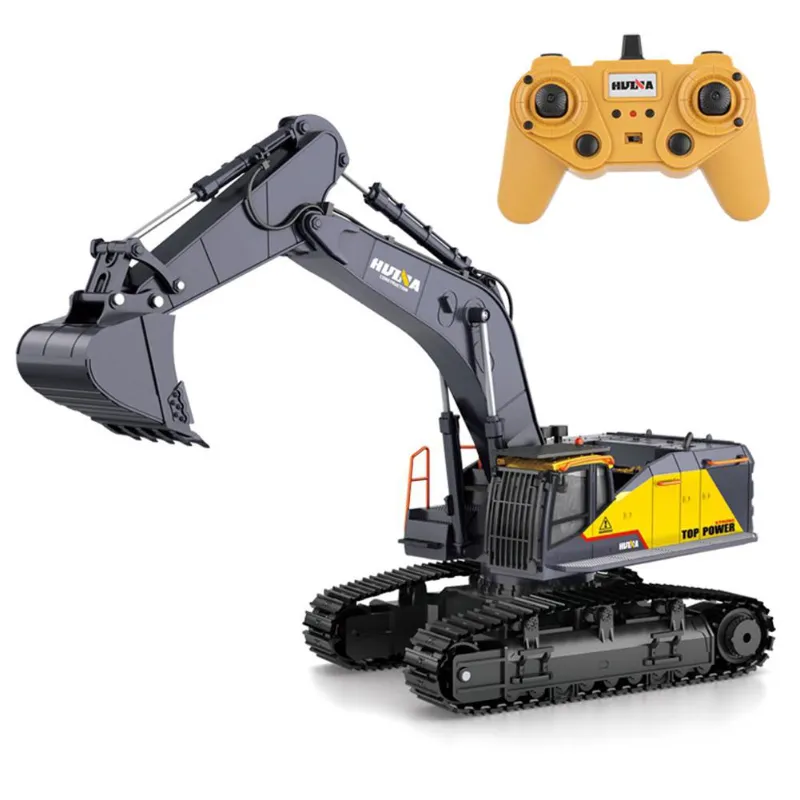
ESC troubleshooting overlaps heavily with other systems. If you’re expanding your RC garage with tanks like the heng long rc tanks or excavators like the huina rc excavator, the same diagnostic steps apply across platforms.
Physical Damage: Cracks, Breaks, and Worn Parts
High-speed impacts and rough terrain gradually wear chassis mounts, suspension arms, and driveshafts.
Inspection checklist after every run
- Chassis cracks near the shock towers or servo mount. These stress points fail first under repeated impacts.
- Bent or cracked suspension arms. Aluminum arms are stronger but transfer impact to other parts. Plastic arms are designed to break and absorb shock.
- Stripped or worn driveshaft pins. If the buggy spins the tires but won’t move, a driveshaft coupler has sheared.
Upgrade or replace
- Stock plastic parts are cheap and available. Metal upgrades add weight and can overstress the drivetrain, so upgrade selectively (shock bodies, steering links) rather than replacing everything.
- Keep a spare parts kit with screws, turnbuckles, and shock shafts. A single stripped screw can end your run if you don’t have a replacement.
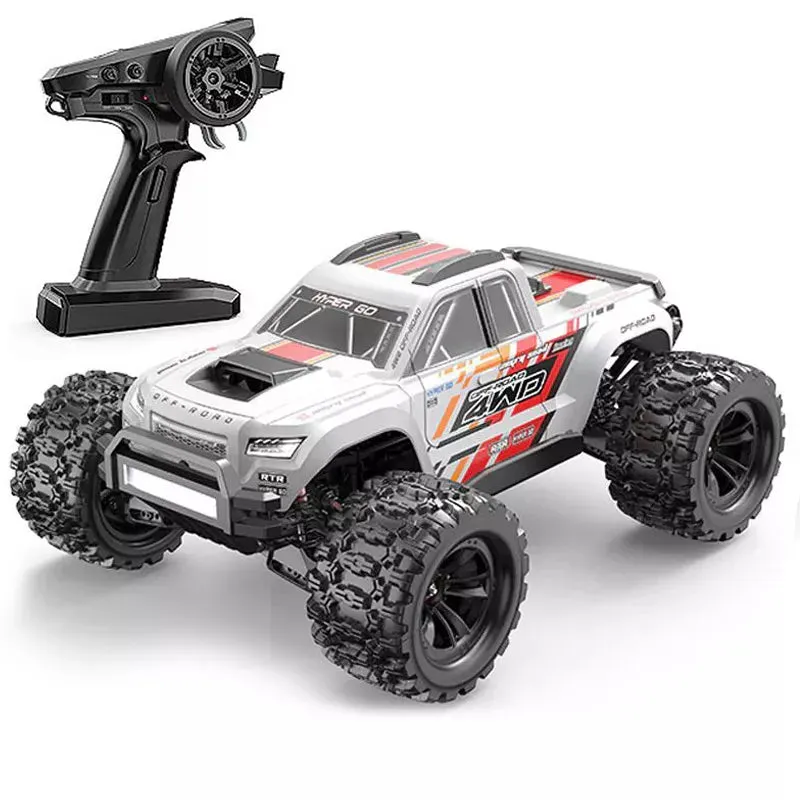
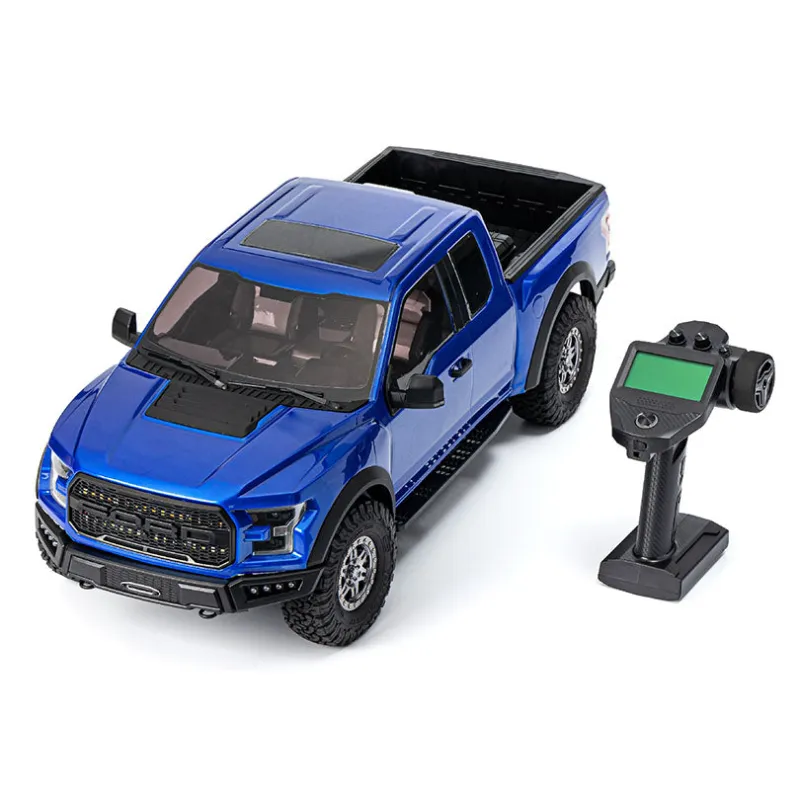
For drivers who prefer a different scale or style, the hyper go rc and ford raptor remote control truck share similar upgrade ecosystems and repair workflows.
Receiver and Radio Range Problems
Weak signal, glitching at distance, or sudden loss of control almost always trace back to antenna position, interference, or a failing receiver.
Antenna placement and damage
- The receiver antenna should extend vertically and remain inside the chassis, not coiled or bent. A crimped antenna loses 50 percent or more of its range.
- Check for cuts or abrasion on the antenna wire. Even a small nick can reduce reception.
Interference and frequency conflicts
- 2.4GHz receivers bind to a specific transmitter, but nearby Wi-Fi routers, Bluetooth devices, and other RC transmitters can still create noise.
- Test in an open area away from buildings. If range improves, interference was the culprit.
Binding and failsafe settings
- If the buggy doesn’t respond to the transmitter at all, re-bind the receiver. Hold the bind button, power on the receiver, then follow your transmitter’s bind procedure.
- Set the failsafe to cut throttle if signal is lost. This prevents runaway crashes.
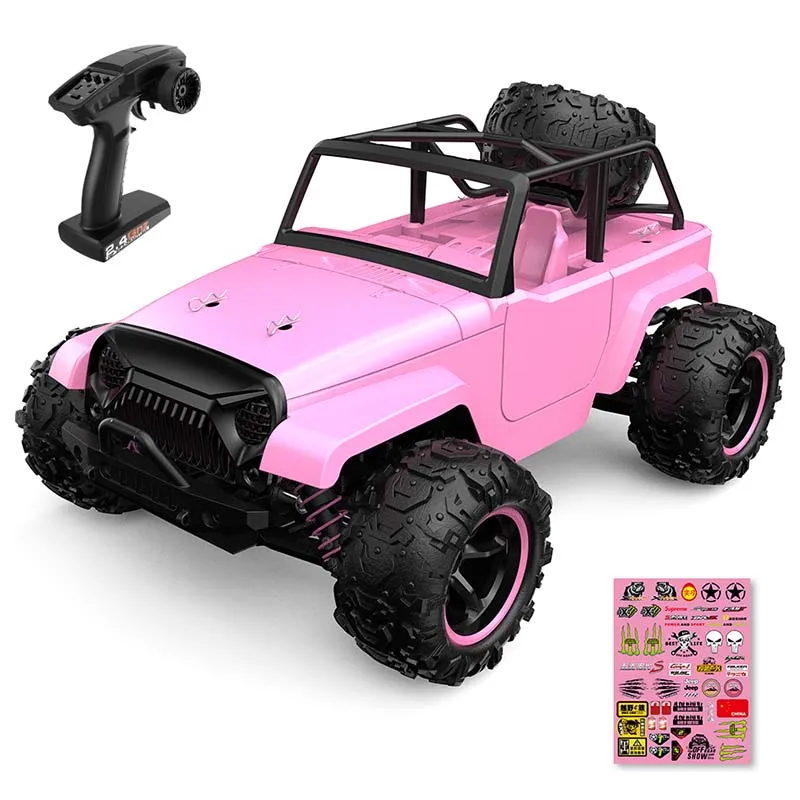
Radio problems are rare but frustrating. If you’re troubleshooting multiple vehicles (like a pink remote control car for a younger driver alongside your buggy), verify each receiver is bound to the correct transmitter to avoid cross-talk.
When to Repair vs. Replace
Most wltoys 144001 issues are field-repairable with basic tools and spare parts. Replace the ESC, motor, or servo only after you’ve confirmed the fault with a multimeter or by swapping in a known-good component. Chassis and drivetrain parts are consumable and should be replaced as they wear. Electronics, on the other hand, last hundreds of runs if you keep them cool and clean.
Before you order parts, grab the discount code to save on replacements and upgrades. With routine maintenance and quick diagnostics, your buggy will deliver thousands of high-speed runs before any major component needs replacement.
Questions
Why does my wltoys 144001 steering pull to one side even after I adjust trim?
A worn or binding steering servo, loose servo horn, or damaged ball cup on the steering linkage will override trim adjustments. Remove the servo cover, check for dirt or sand in the gears, and inspect the servo saver spring for collapse. If the servo itself feels notchy or doesn't center smoothly, replace it.
How hot should the motor get during normal use?
Brushless motors typically reach 140 to 160°F (60 to 70°C) after a hard run, which is too hot to hold comfortably but not damaging. If the motor exceeds 180°F or loses power after two minutes, check your gear mesh, clean the cooling vents, and verify the ESC isn't cutting power due to its own overheating.
Can I use any LiPo battery as long as the voltage matches?
Voltage match (2S or 3S) is critical, but you also need to verify the discharge rate (C rating) and connector type. The wltoys 144001 draws 30 to 40A under load, so use a battery rated for at least 40A continuous discharge (a 2200mAh 25C pack works well). Undersized batteries will sag under load and trigger low-voltage cutoff early.
What does it mean when my ESC blinks rapidly and the buggy won't move?
Rapid blinking usually indicates signal loss between the receiver and ESC, or a failed motor connection. Check that the ESC signal wire is fully seated in the receiver throttle channel, then verify the motor wires haven't come loose or shorted. If the motor spins freely by hand and connections are solid, recalibrate the ESC using your transmitter.
Should I upgrade to metal suspension arms or keep the plastic ones?
Plastic arms are designed to break and absorb impact energy, protecting the chassis and drivetrain. Metal arms are stronger but transfer force to other components, often causing more expensive damage. Upgrade to aluminum only if you're running on smooth surfaces where flex is a bigger problem than impacts.
How do I know if my receiver antenna is damaged?
Inspect the antenna wire for cuts, kinks, or exposed copper. The wire should extend straight up inside the chassis, not coiled or bent sharply. Test range in an open area; if you lose signal within 50 feet, the antenna is likely compromised. Replacing the receiver is usually cheaper than repairing the antenna.
Products in this guide
 Shopping at Bometoys? See the discount code
5% OFF All Orders
Shopping at Bometoys? See the discount code
5% OFF All Orders
More in this series
What to Know Before Buying Your First FPV Drone Kit: BetaFPV Aquila16 Setup Guide20 Aug 20265 min Can the Swellpro Fisherman Max Drone Actually Help You Catch More Fish?20 Aug 20265 minHow Long Do Heng Long RC Tanks Last With Regular Use?20 Aug 20266 minRadiomaster MT12 vs Radiolink RC8X: Which RC Transmitter Offers Better Range and Control?20 Aug 20263 minHow to Choose Between Electric and Gas Powered RC Cars for Your Skill Level20 Aug 20264 min