 A Bometoys guide
How to Choose Between Electric and Gas Powered RC Cars for Your Skill Level
Choosing between gas powered rc cars and electric models depends on your skill level, maintenance comfort, and whether you prioritize speed or convenience.
Gas powered rc cars deliver higher top speeds and longer run times but demand mechanical skills, while electric models offer instant power and minimal upkeep for beginners.
Electric RC Cars: Best for Beginners and Casual Drivers
Electric models dominate the beginner and intermediate space because they remove the learning curve of fuel mixing, engine tuning, and carburetor adjustments.
Why electric suits new drivers:
- Ready to run out of the box with rechargeable batteries
- No fuel spills, priming, or pull-start technique required
- Quieter operation for neighborhood use
- Instant throttle response that’s easier to control at low speeds
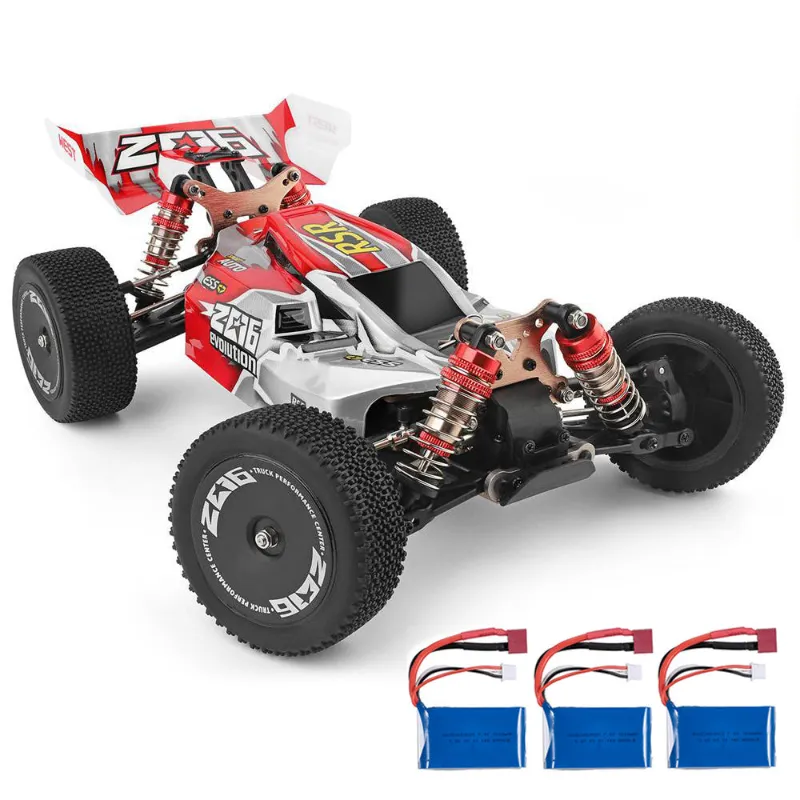
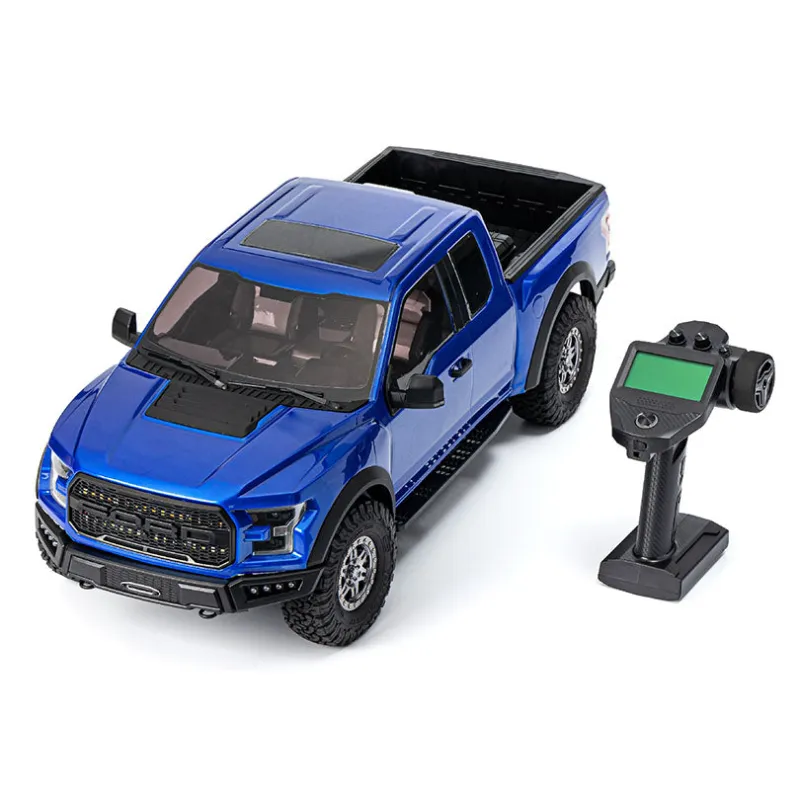
Models like the wltoys 144001 and hyper go rc offer brushless electric power that rivals entry-level nitro performance without the hassle. The ford raptor remote control truck brings scale realism in an electric platform perfect for first-time truck drivers.
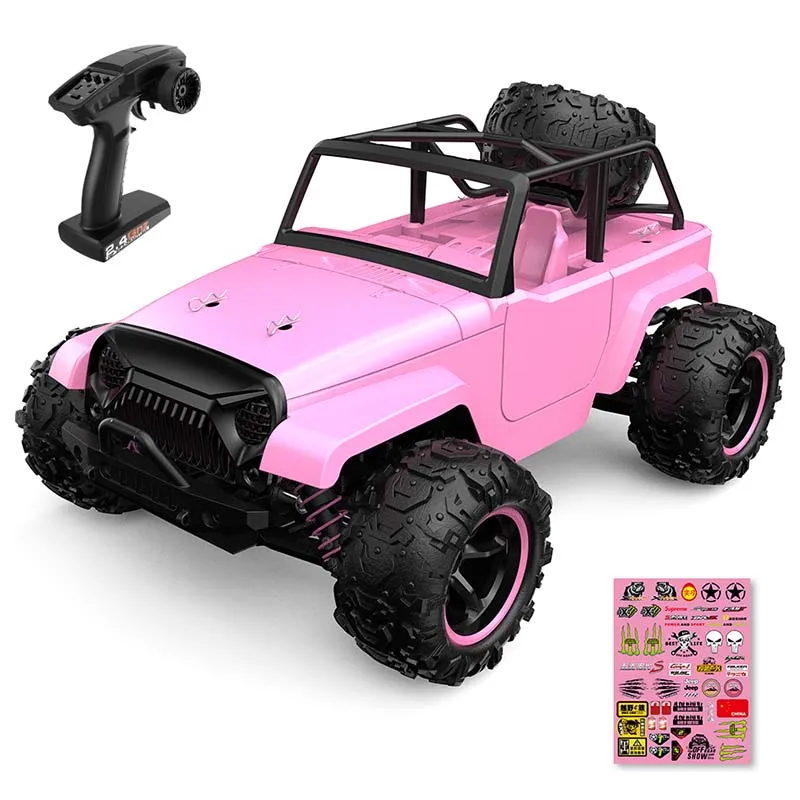
For kids or collectors who want specific aesthetics, the pink remote control car proves electric platforms can deliver personality alongside performance.
When to skip electric:
- You want 20+ minute run times without battery swaps
- You prefer the sound and smell of combustion engines
- You already have mechanical repair experience and want a project
Gas Powered RC Cars: For Experienced Hobbyists
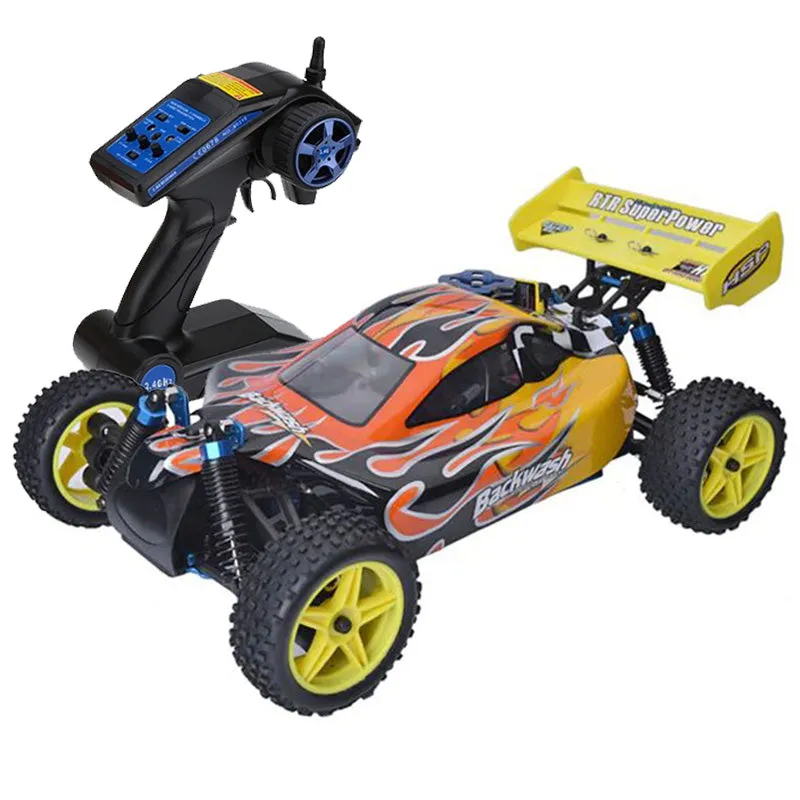
Gas powered rc cars run on nitro methanol fuel or actual gasoline (in larger 1/5 scale models) and appeal to drivers who enjoy tuning and maintenance as much as driving.
Why nitro and gas suit advanced users:
- Run times of 15 to 45 minutes per tank depending on displacement
- Higher top speeds once properly tuned (60+ mph in modified setups)
- Realistic engine sound and exhaust smoke
- Refueling takes seconds compared to 30 to 60 minute battery charges
The skill tax is real:
- You’ll spend your first few sessions learning to tune the high-speed and low-speed needles for temperature and altitude
- Pull-start engines require technique; flooded engines require disassembly
- Nitro fuel costs add up, and you’ll need a starter kit with glow plug igniter, fuel bottle, and tools
- After-run oil and regular cleaning prevent corrosion from fuel residue
We recommend gas power only if you’ve already run electric models for six months and understand diffs, shocks, and basic drivetrain repair. Check the latest price on nitro-ready platforms if you’re confident in your mechanical baseline.
Skill Level Matching Table
| Skill Level | Best Power Type | Typical Models | Maintenance Time per Month |
|---|---|---|---|
| Beginner (0-6 months) | Brushed or brushless electric | wltoys 144001, p411 | 30 minutes |
| Intermediate (6-18 months) | Brushless electric or entry nitro | Hyper Go, 1/10 nitro buggies | 1-2 hours |
| Advanced (18+ months) | Nitro or gas, modified electric | gas powered rc cars, 1/8 scale truggies | 3-5 hours |
Cost Comparison: Upfront vs Ongoing
Electric models cost less to enter but require battery and charger investments over time. Nitro and gas demand higher upfront spending on fuel systems and tools, then consistent fuel purchases.
Electric ongoing costs:
- LiPo batteries wear out after 200 to 300 cycles (one to two years of weekly driving)
- A quality smart charger runs $40 to $100
- Replacement brushless motors every two to three years if you race
Gas ongoing costs:
- Nitro fuel costs $20 to $30 per gallon; expect one gallon per eight to ten run sessions
- Glow plugs fail every 10 to 20 tanks and cost $3 to $8 each
- Engine rebuilds (piston, sleeve, bearings) every 5 to 10 gallons depending on tuning
Grab the code for 5% off your first fuel or battery order to ease the startup cost.
Other RC Categories: Matching Power to Platform
Not every RC runs on wheels.
Specialty platforms:
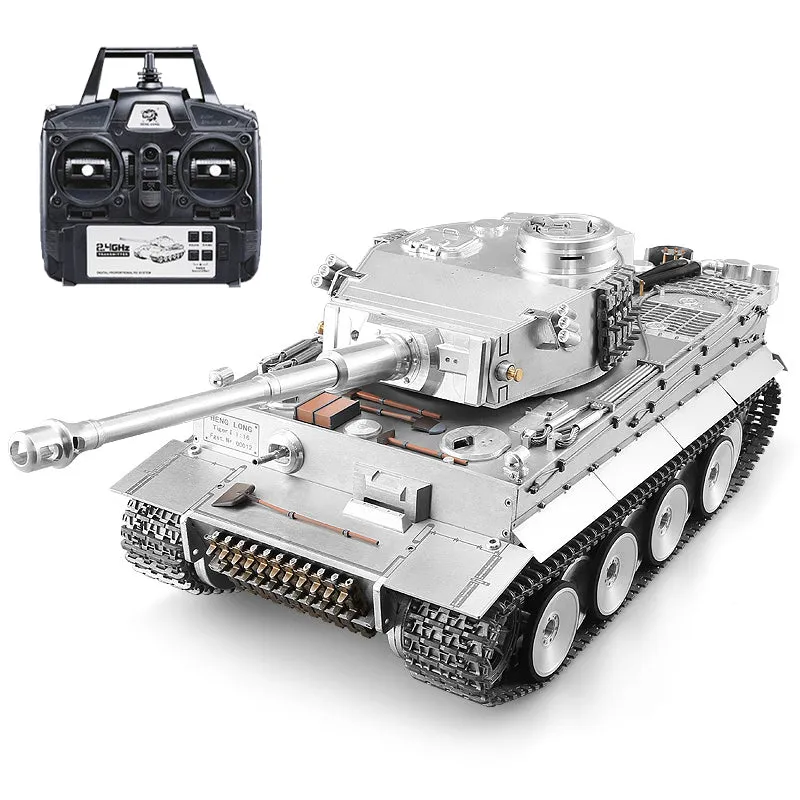
- Tanks: The heng long rc tanks and heng long rc tank run on electric with rechargeable battery packs because scale detail and sound modules take priority over speed
- Excavators: The huina rc excavator uses electric with metal gears to deliver precise hydraulic-style control at construction sites or in the backyard
- Helicopters: The walkera 2435 relies on electric for instant collective pitch response; nitro helis exist but demand expert-level setup
- Drones: The e88 pro drone and all consumer quads are electric only due to weight and flight-controller integration
Transmitter and Control Considerations
Your power choice doesn’t limit transmitter compatibility, but advanced nitro tuning benefits from telemetry radios. The radiomaster mt12 supports real-time RPM, temperature, and fuel-level monitoring when paired with compatible receivers, giving nitro drivers data to refine needle settings on the fly.
Electric drivers benefit from programmable throttle curves and drag-brake settings available in mid-tier transmitters, which smooth out brushless punch for beginners.
Making Your Final Decision
Choose electric if you want to drive more and wrench less, if you’re new to RC, or if you live in a noise-sensitive area. Pick gas powered rc cars if you already repair small engines, if you want maximum run time per session, or if you treat tuning as part of the hobby rather than a chore.
Electric gets us on the track faster, but nitro delivers the sensory experience and endurance that keeps advanced drivers engaged. Visit the Bometoys discount page to compare current pricing across both power platforms and find the model that matches your skill level today.
Questions
Are gas powered rc cars harder to maintain than electric models?
Yes. Gas and nitro RC cars require fuel mixing, engine tuning, after-run oil, and regular cleaning to prevent corrosion. Electric models need only basic gear checks and occasional motor cleaning.
Can a beginner start with a nitro RC car?
We don't recommend it. Nitro engines demand carburetor tuning, pull-start technique, and troubleshooting skills that frustrate new drivers. Start with a brushless electric model for six months to learn handling and repair basics first.
How long do electric RC car batteries last per charge?
Most 2S to 3S LiPo batteries deliver 10 to 20 minutes of runtime depending on throttle use and motor size. Nitro models run 15 to 45 minutes per tank, but refueling is faster than recharging.
Do gas powered RC cars go faster than electric?
Not always. Brushless electric models can hit 50+ mph out of the box, while entry-level nitro cars top out around 35 mph until tuned. Modified nitro and large-scale gas cars do reach higher absolute speeds with proper setup.
What tools do I need to run a nitro RC car?
You'll need a glow plug igniter, fuel bottle with filter, after-run oil, metric hex drivers, needle-nose pliers, and a starter box or pull-start handle. Budget an extra $50 to $100 for the starter kit.
Can I use the same transmitter for electric and nitro RC cars?
Yes. Both power types use standard 2.4 GHz receivers, so one quality transmitter like the Radiomaster MT12 works across your entire fleet regardless of engine type.
Products in this guide
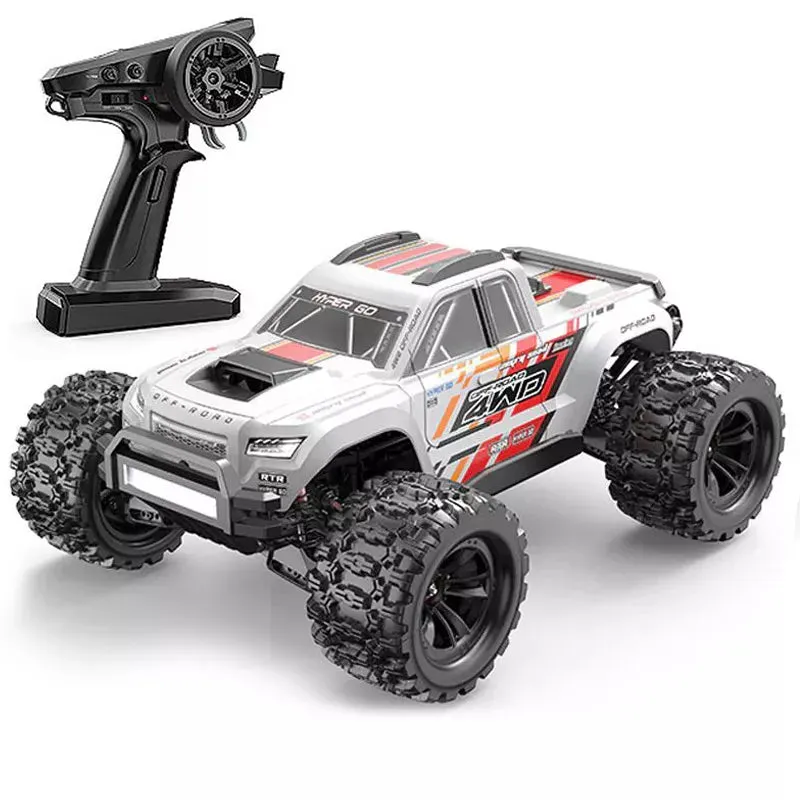
 Shopping at Bometoys? See the discount code
5% OFF All Orders
Shopping at Bometoys? See the discount code
5% OFF All Orders
More in this series
What to Know Before Buying Your First FPV Drone Kit: BetaFPV Aquila16 Setup Guide20 Aug 20265 min Can the Swellpro Fisherman Max Drone Actually Help You Catch More Fish?20 Aug 20265 minTroubleshooting Common Issues With the Wltoys 144001 RC Buggy20 Aug 20267 minHow Long Do Heng Long RC Tanks Last With Regular Use?20 Aug 20266 minRadiomaster MT12 vs Radiolink RC8X: Which RC Transmitter Offers Better Range and Control?20 Aug 20263 min