 A Triboots guide
Triboots Iron Guard vs Traditional Work Boots: How to Tell Which Will Last
The triboots iron guard outperforms most traditional work boots because of its reinforced construction and advanced materials designed for extreme durability.
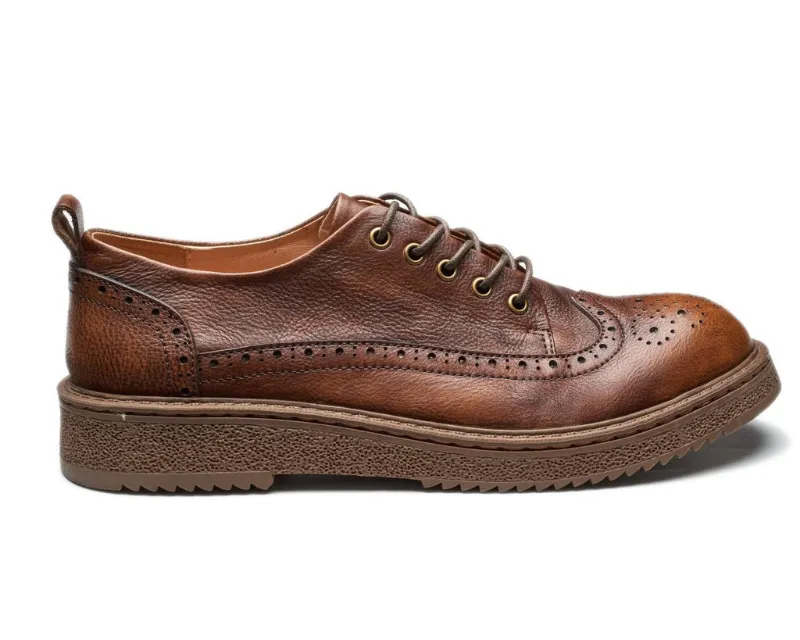
Whether the Triboots Iron Guard or a traditional work boot holds up better comes down to construction, not the name on the box. A traditional Goodyear welt boot can be resoled again and again, so one good pair can last for years if you look after it. A cemented or molded boot is often lighter and comfortable sooner, but when the sole wears out it is usually replaced rather than repaired. Before you buy the Triboots work boot or any other pair, check how the sole is attached, what the upper is made of, and whether it has the safety features your job needs.
How work boots are built
There are three main ways a sole is joined to a boot:
- Goodyear welt. A strip of leather (the welt) is stitched to the upper and then to the sole. It takes longer to make, but a cobbler can remove the sole and stitch on a new one.
- Cement construction. The sole is glued to the upper. It is quicker to make, lighter and flexible from day one, but glued soles are hard to replace well.
- Blake stitch. The sole is stitched straight through to the insole. It is sleek and flexible, more common on dress shoes, and can let water in through the stitch holes.
Molded or direct-attach soles, common on modern boots, are fused to the upper during manufacture. They bond well and keep water out, but they are also generally replaced rather than repaired.
Triboots Iron Guard vs Goodyear welt boots
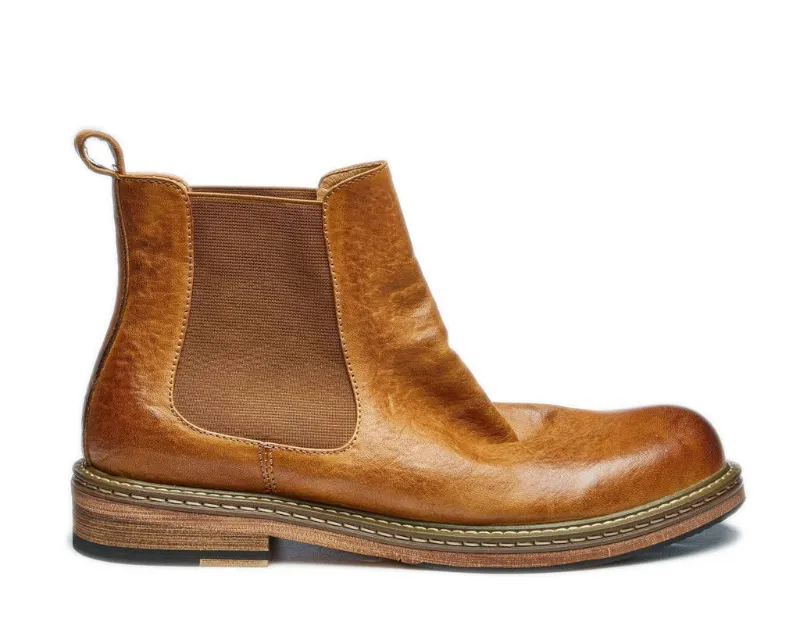
Goodyear welt construction is the long standing choice for traditional work boots because of repairability. Triboots sells its own Goodyear welt boots, so the comparison is less about brand and more about which build you want.
| Question | Goodyear welt boot | Cemented or molded boot |
|---|---|---|
| Can the sole be replaced? | Yes, by a cobbler | Usually not, or not well |
| Break-in | Often stiff at first | Usually comfortable sooner |
| Weight | Heavier | Often lighter |
| Water resistance | Depends on leather and welt sealing | Fewer stitch holes near the sole |
| Long term cost | Higher upfront, lower if resoled | Lower upfront, replaced when worn |
If the listing for the Triboots Iron Guard does not say how the sole is attached, ask the seller before you order. That one detail tells you more about lifespan than any marketing phrase.
Material quality and longevity
Full grain leather is the toughest leather for an upper. It keeps its surface, resists scuffs and can be conditioned for years. Split or corrected grain leather is cheaper and wears faster. Synthetic uppers are lighter and can be easier to keep clean, but they cannot be conditioned and are harder to repair.
Look at the other parts too: a firm heel counter keeps your heel in place, a steel or composite toe protects against drops if your work needs it, and a rubber outsole with deep lugs grips better on wet or loose ground. Check the listing for any safety rating your workplace requires.
Who should buy each type
Choose a Goodyear welt boot like the Triboots welted boot if you want one pair that you resole and keep, you do not mind some break-in, and you are happy to condition the leather.
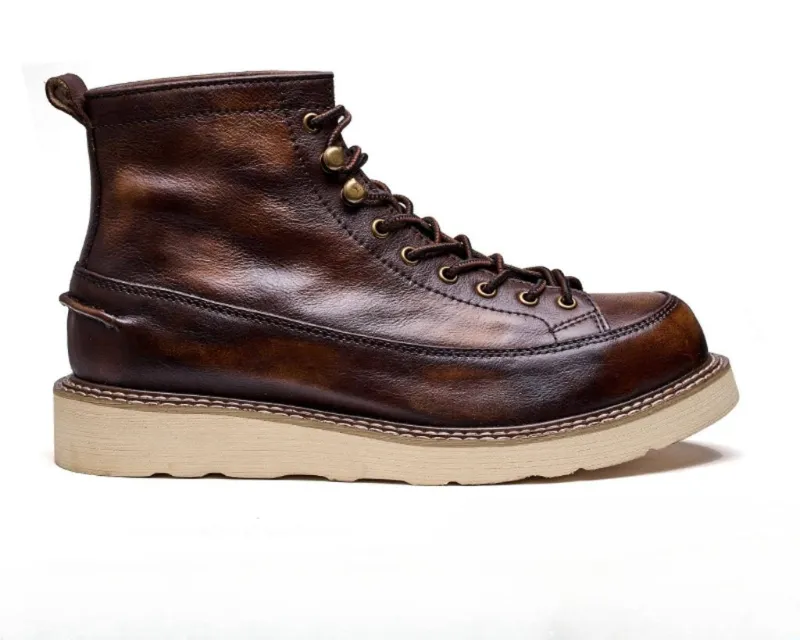
Choose a lighter cemented or molded boot if you want comfort straight away, walk a lot during the day, or tend to wear boots out and replace them. For off-site and casual wear, Triboots also sells high top tooling boots in a more fashion led style. Those are not a substitute for safety footwear on a job site.
Cost over time
A welted boot usually costs more upfront. The saving comes later, when a resole is cheaper than buying a new pair and your broken-in upper keeps its fit. A cemented boot costs less at first, but when the sole goes, the whole boot goes. If you wear boots hard every day, get a quote for a resole from a local cobbler and compare it with the price of a new pair before you decide. For savings on either kind, see the current Triboots discount code.
Maintenance tips for maximum life
- Brush off mud and dirt after wear, before it dries into the leather.
- Dry wet boots at room temperature, stuffed with newspaper. Keep them away from radiators and heaters, which crack leather.
- Condition leather uppers when they start to look dry or pale.
- Use a water repellent spray suited to your upper material.
- Rotate between two pairs if you can, so each pair dries out fully.
- Check the stitching and sole edge now and then, and get a welted boot resoled before the wear reaches the welt.
The verdict
For long life and repair, a traditional Goodyear welt boot is hard to beat. For light weight and comfort straight out of the box, a modern cemented or molded boot often suits better. Read the Triboots Iron Guard listing for its construction and materials, match it to how you work, and choose on that basis.
Questions
Does the Triboots Iron Guard last longer than traditional work boots?
It depends on how it is built and how you use it. Check the listing for how the sole is attached and what the upper is made of. A traditional Goodyear welt boot can be resoled, which usually gives it the longest life.
Can you resole Triboots Iron Guard boots?
Only if the sole is stitched on, as with a Goodyear welt. Glued or molded soles are usually not worth replacing. Ask the seller or a cobbler before you buy if repair matters to you.
Are Goodyear welt boots better than cemented work boots?
They are better for repair and long life, since a cobbler can replace the sole. Cemented boots are often lighter and need less break-in. The right choice depends on your job and how long you want to keep one pair.
What is the difference between work boots and tooling boots?
Work boots are built for job sites and may include safety toes and rated soles. Tooling boots take their look from work wear but are mainly for casual use.
How do I make work boots last longer?
Clean off dirt, dry them slowly at room temperature, condition leather uppers, rotate pairs and get welted boots resoled before the wear reaches the welt.
Products in this guide
Shopping at Triboots? See the discount code
10% OFF All Oders