 A Triboots guide
How to Break in Triboots Iron Guard Work Boots Without Pain
Breaking in triboots iron guard boots properly takes strategy, but our guide shows you how to condition and wear them comfortably from day one.
Breaking in triboots iron guard boots properly takes strategy, but with the right approach, you can condition them comfortably without the blisters and soreness. These welted work boots are built to last decades, and the break-in process is where you establish that comfort foundation.
Condition Your Triboots Iron Guard Before Wearing
The first step is preparing your new boots before you ever step outside. Leather needs moisture and flexibility to adapt to your foot shape. Apply a quality leather conditioner or mink oil to the entire upper and let it sit overnight. This softens the leather fibers and reduces stiffness that causes friction and hot spots. Pay extra attention to the heel counter and toe box, the two areas that typically cause the most pain during break-in.
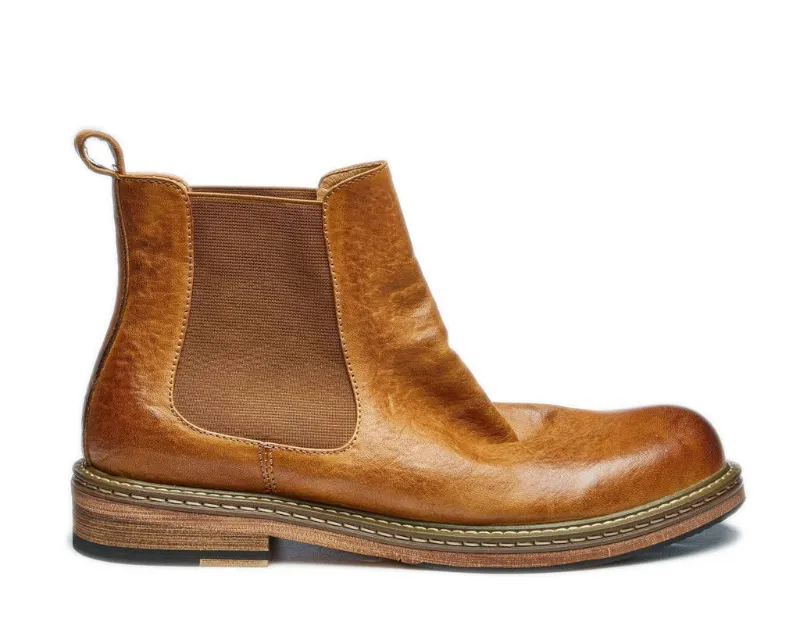
After conditioning, wipe away excess oil with a clean cloth. The leather should look nourished but not soaked. If you’re working with goodyear welt boots, the welt itself doesn’t need conditioning, but the leather above and below it does. This step cuts your break-in time significantly and is worth the small effort upfront.
Wear Them in Short Sessions at Home
Start indoors for the first few wears. Put on your triboots iron guard for 30 to 60 minutes while you’re working around the house or office. This lets the leather stretch gradually without the added punishment of outdoor walking. Your foot will naturally mold the boot to its shape, and the leather will continue to soften. Wear quality socks, preferably merino wool or a thick cotton blend, to reduce friction.
After each short session, take the boots off and let them air dry at room temperature. Never use direct heat like a radiator or hairdryer, which can crack the leather. If they feel damp inside, stuff them loosely with newspaper to absorb moisture and help maintain their shape.
Use a Boot Stretcher or Stuff With Newspaper
Between wears, use a wooden boot stretcher to gently expand the leather. Place the stretcher inside overnight. This passive stretching reduces pressure points and helps the boots conform to your foot width and arch. If you don’t have a stretcher, tightly stuff the boots with newspaper instead. Change the newspaper after a few hours if it becomes damp.
Focus the stretching on any area that feels tight: the sides of the toe box, the instep, or around the ankle. Goodyear welt boots with reinforced construction may feel stiffer initially, but they respond well to this kind of patient stretching because the welt structure is stable and won’t collapse.
Gradually Increase Wear Time
After 3 to 5 indoor sessions, move to short outdoor walks, 10 to 15 minutes in flat terrain. Gradually add 10 to 15 minutes per week until you’re wearing your triboots iron guard for full days. This slow progression gives the leather, insole, and lining time to mold to your foot without overwhelming pressure. You should notice a meaningful difference in comfort by week two.
If you develop a hot spot or blister, stop wearing them immediately, let them cool, and apply more conditioner to that area. Resume wear the next day for a shorter session. Pushing through pain only damages the leather and delays the break-in process.
Pair With Quality Socks and Insoles
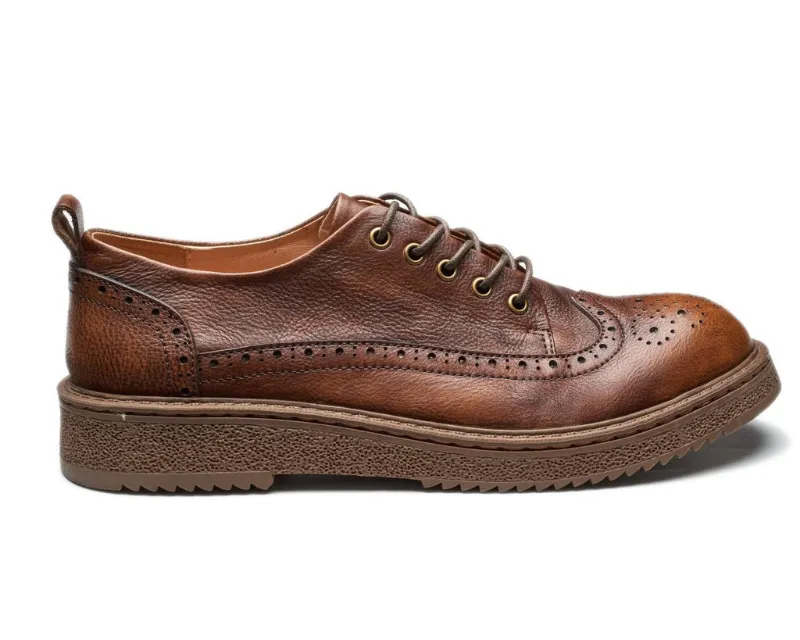
The right socks make a huge difference. Wool-blend or merino wool socks wick moisture, cushion your foot, and reduce friction compared to cotton. Thickness matters too, aim for medium to heavyweight socks during break-in. If your triboots iron guard feel arch-heavy or you have flat feet, consider adding a quality aftermarket insole for extra support.
Some owners pair their boots with sneaker and socks bundles designed for work footwear to lock in comfort early. The right sock-boot combo accelerates the adjustment period and prevents common break-in complaints like heel slippage and toe crowding.
Know When Break-In Is Complete
Most people reach true comfort with their triboots iron guard in 4 to 8 weeks of regular wear. You’ll know you’re there when you can put them on and walk for hours without thinking about them. The leather stops creaking, the insole settles, and the boot feels like part of your foot. At that point, maintain them with occasional conditioning and proper storage to extend their life.
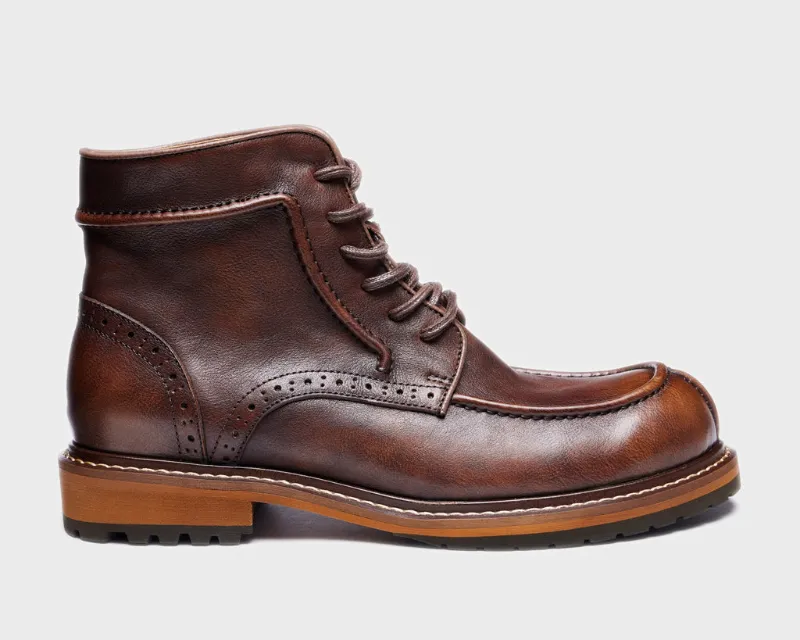
If you’re considering multiple options or comparing quality, explore custom boot options or boots with goodyear welt construction, both prioritize long-term durability and comfort the way your triboots iron guard does. For current pricing and our 10% discount, check the latest offer before you order.
Care During and After Break-In
While your boots are breaking in, clean them weekly with a soft brush to remove dirt and debris. This prevents material from grinding against the leather and slowing the process. Once they’re fully broken in, maintain the conditioning habit monthly. A light coat of conditioner or mink oil keeps the leather supple and resistant to cracks and water damage.
Store your triboots iron guard in a cool, dry place away from direct sunlight. Use boot shapers or stuff them with newspaper between wears to maintain their form. Proper storage means they’ll stay comfortable and last for years, making the initial break-in investment worthwhile. Grab the code to save on your pair and start the break-in journey right.
Questions
How long does it take to break in triboots iron guard boots?
Most people reach full comfort in 4 to 8 weeks of regular wear. Short indoor sessions in the first week, then gradually increasing to full days outdoors, speeds up the process significantly.
Should I wear thick socks when breaking in work boots?
Yes. Medium to heavyweight merino wool or wool-blend socks reduce friction and cushion pressure points during break-in. They also wick moisture better than cotton, keeping your feet dry and comfortable.
Can I use a boot stretcher on goodyear welt boots?
Absolutely. A wooden boot stretcher is safe and effective on goodyear welt boots. Use it overnight between wears to gently expand the leather and reduce pressure points without stressing the welt structure.
What's the best way to condition new triboots iron guard boots?
Apply a quality leather conditioner or mink oil to the entire upper before your first wear, then let it sit overnight. This softens the leather and significantly reduces break-in discomfort. Condition monthly after break-in to maintain flexibility.
What should I do if my boots develop a blister during break-in?
Stop wearing them, apply conditioner to the painful area, and give them time to rest. Resume with shorter sessions the next day. This stops damage to the leather and lets the hot spot stretch more gradually.
Are custom boots easier to break in than standard work boots?
Custom boots are typically built to your foot shape, so break-in is often faster and more comfortable. However, even custom boots benefit from the conditioning and gradual wear approach outlined in this guide.
Products in this guide
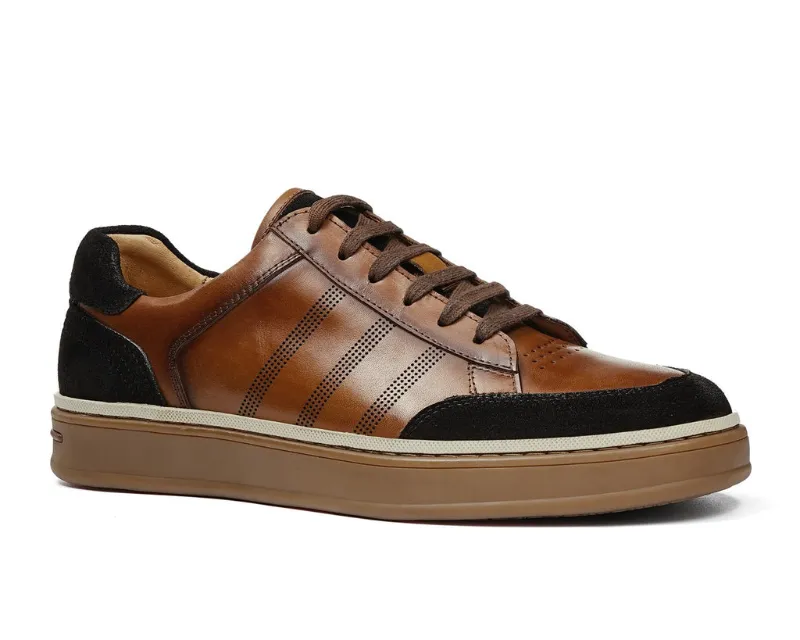 Shopping at Triboots? See the discount code
10% OFF All Oders
Shopping at Triboots? See the discount code
10% OFF All Oders