 A Tribesigns guide
Tribesigns Shoe Rack Capacity: How Many Pairs Can It Really Hold?
A Tribesigns shoe rack typically holds 12 to 50 pairs depending on the model, tier count, and how you arrange your footwear.
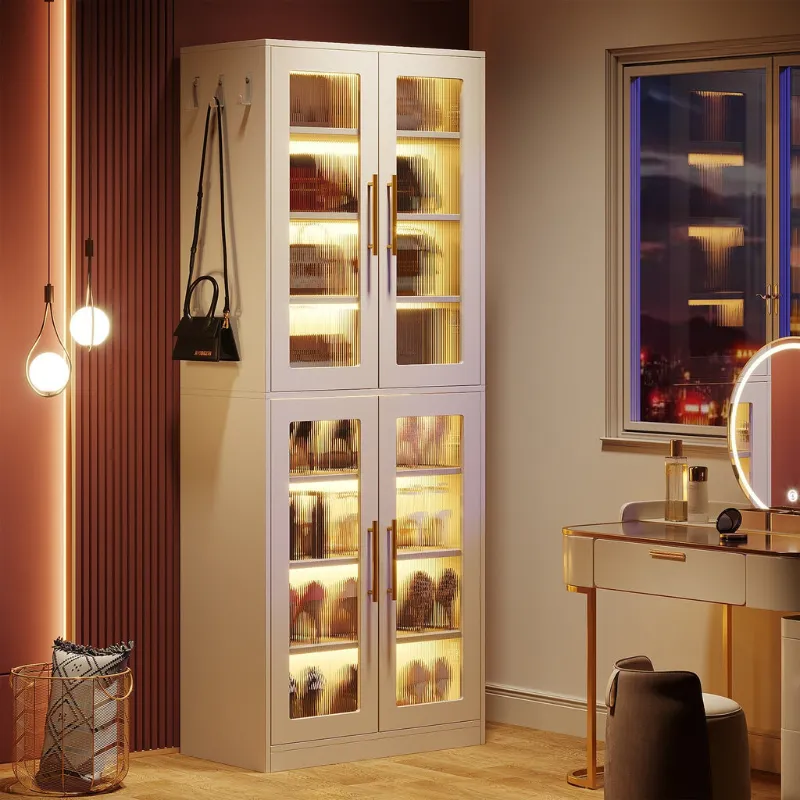
A Tribesigns shoe rack typically holds 12 to 50 pairs depending on the model, tier count, and how you arrange your footwear.
Real-World Shoe Rack Capacity by Model
Tribesigns offers multiple tier heights, and each has a different practical capacity. The advertised pair count often assumes women’s average-sized shoes placed heel-to-toe, so your results will vary.
3-tier models hold 12 to 15 pairs of standard adult shoes.
5-tier models hold 20 to 25 pairs. This is the most popular size for entryways and closets.
7-tier and 10-tier towers hold 30 to 50 pairs. These tall units work well in garages, mudrooms, or walk-in closets. The top shelves are harder to reach, so we recommend placing seasonal or less-worn pairs up high. For current pricing on tall models, check the latest price.
| Model Tier | Advertised Pairs | Real-World Pairs | Best For |
|---|---|---|---|
| 3-tier | 12-15 | 11-14 | Small entryways, dorm rooms |
| 5-tier | 20-25 | 18-25 | Standard closets, apartments |
| 7-10 tier | 35-50 | 30-45 | Large families, garage storage |
How Shoe Type Changes Capacity
Not all footwear takes up the same amount of space. Different shoe styles take up different amounts of space on a standard Tribesigns shoe rack for closet use.
- Flats and sandals: Store 1.5× the advertised capacity because they stack thin and nest together. A 5-tier rack can hold 30+ pairs of ballet flats.
- Sneakers and loafers: Fit at the advertised count. These are the baseline for capacity claims.
- High heels: Slightly reduce capacity if you store them upright. Laying heels on their side saves space and prevents toppling.
- Boots (ankle and knee-high): Cut capacity by 30 to 40%. Boots need more vertical clearance, and tall boots may not fit under standard 6-inch tier spacing. Consider a shoe rack wood model with adjustable shelves or store boots separately.
- Men’s size 12+ or wide-width shoes: Reduce each tier capacity by 2 pairs. Larger shoes overhang the edges or require angled placement.
For households with diverse footwear, calculate capacity at 70% of the advertised number to avoid frustration.
Maximizing Space on Your Shoe Rack
Alternate heel direction on each tier. Place one pair with toes out, the next pair with heels out.
Use vertical dividers or bins for small shoes. Kids’ shoes and flip-flops tumble and waste space. Inexpensive wire bins keep them upright and let you double-stack.
Store shoes sole-to-sole for dress shoes and heels. Pairing left and right soles together (one upside-down) cuts the footprint by 20% compared to side-by-side placement.
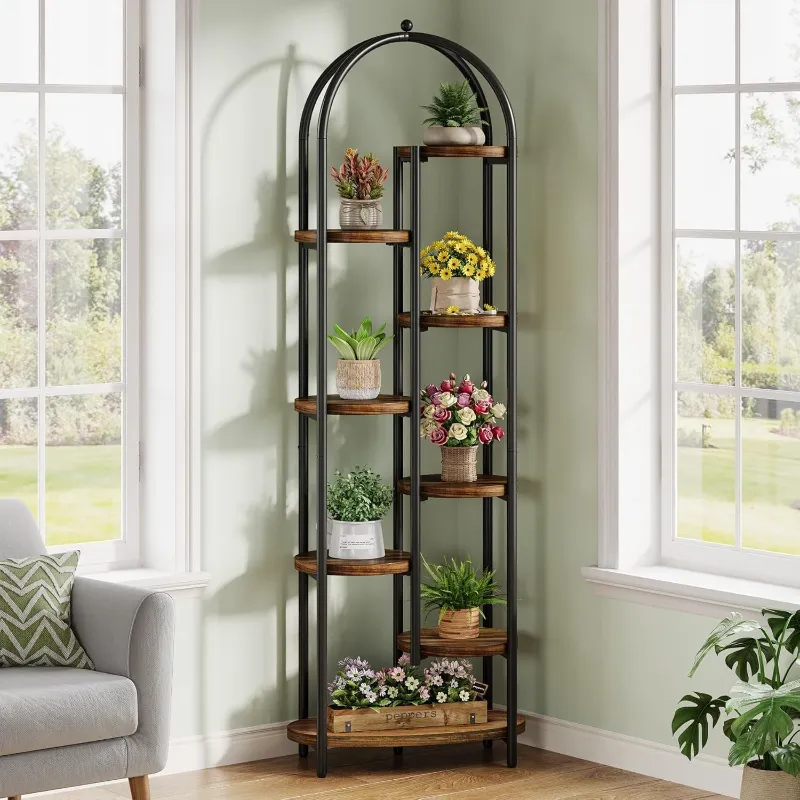
Adjust tier spacing if your model allows it. Some Tribesigns racks have movable bars. Increase clearance for boots and decrease it for flats to customize capacity. If you need storage for other items, the brand’s plant stand uses similar modular design.
Keep daily shoes at eye level. Reserve middle tiers for your most-worn pairs so you are not emptying the rack to grab sneakers from the bottom. Top and bottom tiers are ideal for seasonal or special-occasion footwear.
Wirecutter’s shoe rack reviews emphasize accessibility over sheer capacity, and we agree. A slightly less-packed rack that lets you grab shoes quickly beats a jammed one.
Shoe Rack for Closet vs. Garage: Does Location Matter?
Where you place your rack affects both usable capacity and longevity.
Closet installations benefit from narrower, taller models. A 10-tier rack fits more pairs in the same floor footprint as a 5-tier. Measure your closet’s vertical clearance first. Standard closets have 6 to 7 feet of usable height, enough for most tall racks.
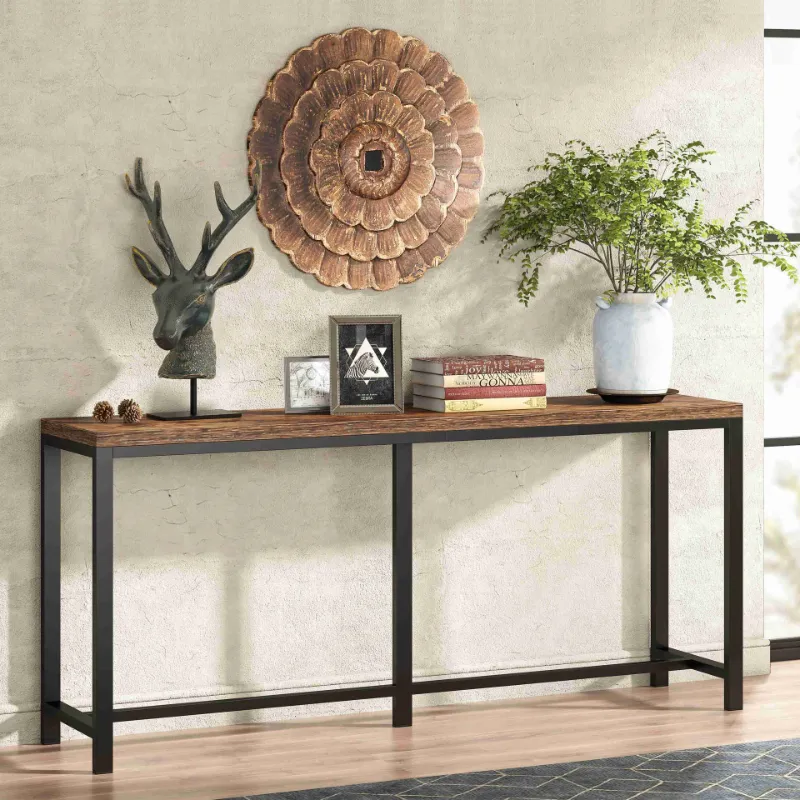
Entryway and mudroom racks should stay at 3 to 5 tiers so the top is reachable without a step stool. Families with kids especially benefit from shorter designs everyone can access. Pair an entryway shoe rack with a console table for keys and mail to create a functional drop zone.
Garage and basement storage suits the tallest models. If you are storing off-season shoes or a collector’s rotation, a 10-tier rack keeps everything visible and ventilated. Garage humidity can warp cheaper materials, so choose a shoe rack wood construction or coated metal. IKEA’s shoe rack guide notes that airflow prevents mold, which is critical in damp spaces.
For the door or over-the-door racks are separate products with different capacities (usually 12 to 18 pairs). Tribesigns’ freestanding floor models offer better stability and weight distribution for heavier boots.
Who Should Choose a Tribesigns Shoe Rack
Tribesigns racks work best for households that value simple assembly, modern looks, and flexible sizing. We recommend them for:
- Apartment renters who need tool-free setup and easy moves. Most models assemble in 10 to 15 minutes with twist-lock poles.
- Minimalists and small-space dwellers who want a shoe rack short enough to tuck under hanging clothes or in a narrow closet.
- Growing families who can start with a 5-tier and expand by stacking a second unit or upgrading to a taller model as shoe collections grow.
- Budget-conscious buyers looking for mid-range quality. Tribesigns sits between flimsy wire racks and premium wood cabinets. Grab the code for 12% off to bring the price down further.
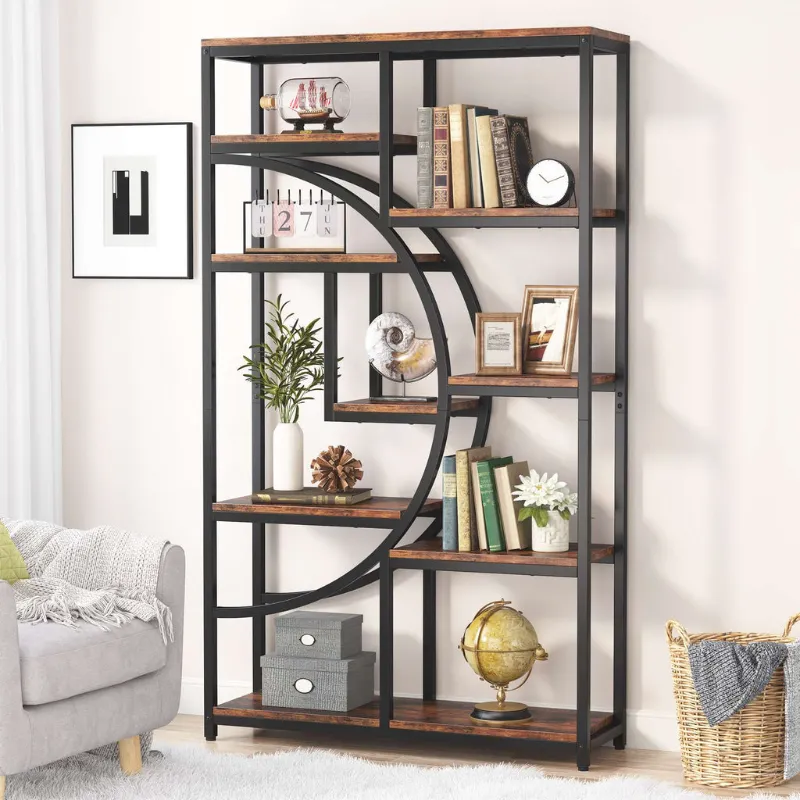
If you need enclosed storage to hide shoes completely, consider a bookshelf with doors or a dedicated shoe cabinet instead. Open racks like Tribesigns prioritize ventilation and quick access over concealment.
Measuring Before You Buy
Capacity means nothing if the rack does not fit your space. Measure three dimensions before ordering:
- Floor footprint: Most Tribesigns racks are 24 to 36 inches wide and 12 inches deep. Confirm your closet or entryway can accommodate the width without blocking doors.
- Height clearance: Tall racks range from 50 to 70 inches. Measure from floor to the lowest hanging clothes rod, shelf, or ceiling fixture.
- Shoe dimensions: Line up your bulkiest pairs and measure the total width. If you own many men’s size 13 or women’s wide boots, you may need to size up to the next tier count.
The Container Store’s shoe storage collection offers additional layout inspiration if you are planning a full closet overhaul. Combining a freestanding rack with wall-mounted options can double your effective capacity without sacrificing floor space.
If you like the assembly style, you will find it consistent across their catalog.
Final Capacity Recommendations
Choose your tier count based on these real-world guidelines:
- 1 to 2 people, mostly flats and sneakers: 3-tier (12-15 pairs)
- 2 to 3 people, mixed footwear: 5-tier (20-25 pairs)
- Family of 4+ or sneaker collectors: 7-tier or double 5-tier units (35-45 pairs)
- Seasonal rotation or garage storage: 10-tier (40-50 pairs)
Remember that the advertised capacity assumes ideal conditions. Real-world use with mixed shoe sizes, boots, and daily access typically yields 70 to 85% of the maximum claimed pairs. When in doubt, size up one tier or plan to rotate seasonal shoes into bins.
Tribesigns builds reliable, no-frills racks that deliver on capacity promises when you match the model to your actual footwear mix. Measure your shoes, count your pairs, and add 20% buffer for future growth.
Questions
How many pairs of boots can a Tribesigns shoe rack hold?
Boots reduce capacity by 30 to 40% compared to sneakers because of their height and width. A 5-tier rack that holds 20 pairs of sneakers will typically fit 12 to 14 pairs of ankle or knee-high boots.
Can I stack two Tribesigns shoe racks to double capacity?
Yes, but only if both units are the same width and you secure the top unit to prevent tipping. We recommend using a single taller model instead for better stability and easier access to all tiers.
Do kids' shoes increase the number of pairs I can store?
Kids' shoes are smaller and can increase capacity by 50% or more per tier. A standard 5-tier rack can hold 35 to 40 pairs of children's shoes if you use bins or dividers to keep them organized.
What is the weight limit for each tier on a Tribesigns shoe rack?
Most Tribesigns tiers support 10 to 15 pounds, enough for 4 to 5 pairs of standard shoes. Heavy work boots or multiple pairs of men's large shoes may exceed this, so distribute weight across tiers and avoid overloading the top.
Will a shoe rack wood model hold more pairs than a metal one?
Material affects durability and aesthetics but not capacity. Wood and metal Tribesigns racks with the same tier count and dimensions hold the same number of pairs. Choose based on your decor preference and humidity conditions.
How do I fit wide-width shoes on a standard shoe rack?
Place wide shoes at a slight angle or alternate their direction on each tier. This tessellation method prevents overhang and usually lets you fit the advertised pair count even with wider footwear.
Products in this guide
Shopping at Tribesigns? See the coupon code
12% OFF All Orders
More in this series
 Best Ways to Style a Tribesigns Room Divider in Small Apartments11 Aug 20266 minHow Long Do Tribesigns Bookcases Last with Heavy Use?11 Aug 20265 minWill a Tribesigns Console Table Hold a 75-Inch TV?11 Aug 20264 min
 Tribesigns Gaming Desk vs Computer Desk: Which One Fits Your Setup?11 Aug 20265 min
 How to Assemble a Tribesigns Bed Frame Without Frustration11 Aug 20266 min