 A TRACS Air Purifiers guide
TRACS Air Purifier System Lifespan: When to Replace Filters and What to Expect
An air purifier system's lifespan depends on filter type, air quality, and usage, with replacements typically needed every 6 to 12 months.
An air purifier system’s lifespan depends on filter type, air quality, and usage, with replacements typically needed every 6 to 12 months. TRACS air purifiers are engineered for long performance, but knowing when and how to replace filters keeps your unit working at peak efficiency. We’ll walk you through filter replacement schedules, what to expect from your air purifier system over time, and how to maximize its lifespan.
How Long an Air Purifier System Lasts
A quality air purifier system can operate reliably for 5 to 10 years or longer if maintained properly. The key is staying on top of filter replacements and occasional cleaning. TRACS air purifiers are built with durable motors and housings that outlast most consumable parts, but filters are the component that wears out first.
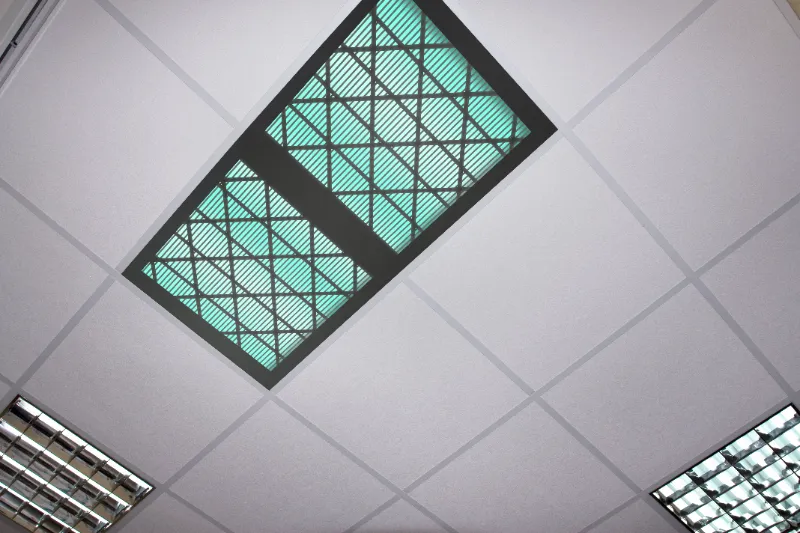
Most air purifier system units ship with an initial filter that lasts 3 to 6 months under typical household use. After that, you’re replacing filters regularly to maintain clean air output. The motor and electrical components rarely need attention if you follow the manufacturer’s guidance.
Filter Replacement Schedule for Your Air Purifier System
Filter life varies based on three factors: filter type, indoor air quality, and hours of operation per day.
- Pre-filters catch large particles and dust, lasting 1 to 3 months before needing a rinse or replacement
- HEPA filters typically run 6 to 12 months depending on use and local air quality
- Activated carbon filters last 3 to 6 months, especially if you’re dealing with odors or gases
- Smart air purifiers with sensors can alert you when filter replacement is due, removing guesswork
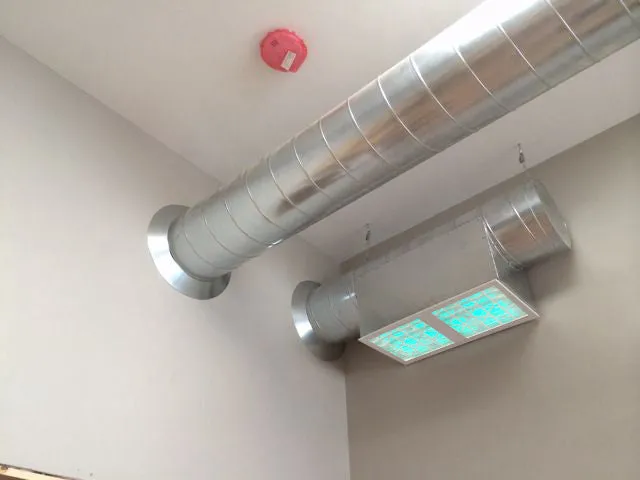
The ceiling mounted smart air purifier monitors air quality in real time and sends notifications when it’s time to swap filters, making maintenance hands-off. If you live in an area with high pollen, wildfire smoke, or pet dander, you’ll replace filters closer to the 6-month mark. In cleaner environments, you might stretch to 12 months.
Check your unit’s manual for the exact replacement schedule. TRACS filters are easy to access and swap, usually taking just a few minutes.
When to Replace Your Air Purifier System Filters
You’ll notice a few signs that your air purifier system needs a filter change:
- Air output feels weaker or quieter than usual
- The display shows a filter replacement alert or warning light
- You notice odors returning despite the unit running
- Dust and particles are visible on the filter surface
- It’s been 6 to 12 months since the last replacement, even if the filter looks okay
Pre-filters often need cleaning before full replacement. You can rinse them under running water, let them dry completely, and reinstall them. HEPA and carbon filters typically cannot be cleaned and must be replaced.
For the ceiling mounted smart air purifier, the smart sensor does the work for you. It tracks filter saturation and sends you a message when replacement is needed, so you don’t have to guess or remember a schedule.
Filter Types and How They Work in Your Air Purifier System
Understanding your filters helps you choose the right replacements and maintain them properly.
| Filter Type | What It Catches | Typical Lifespan | Notes |
|---|---|---|---|
| Pre-filter | Pet hair, dust, lint | 1-3 months | Washable, reusable if dried fully |
| HEPA filter | Pollen, mold, bacteria, particles 0.3 microns and larger | 6-12 months | Cannot be washed; must be replaced |
| Carbon filter | Odors, gases, VOCs | 3-6 months | Loses effectiveness over time; replace regularly |
HEPA filters are the workhorse of any air purifier system for home use. They’re rated to remove 99.97% of particles, making them essential for allergies and asthma relief. Carbon filters layer on top to handle smoke, cooking odors, and chemical smells.
Maintenance Between Filter Replacements
You can extend your air purifier system’s life and filter efficiency with light maintenance.
- Wipe the exterior housing with a dry microfiber cloth monthly to prevent dust buildup
- Vacuums the intake vents gently if they look clogged
- Keep the unit away from water, high heat, and direct sunlight
- Ensure air can flow freely around the unit; don’t block intakes or outlets
- Follow manufacturer instructions for pre-filter rinsing if applicable
The ceiling mounted air purifier design keeps the unit out of the way, reducing dust accumulation on surfaces. If you have a smart model, check the app weekly to monitor filter life and air quality trends.
Finding Replacement Filters and Managing Costs
Replacement filters are available directly from TRACS and through retailers. Costs vary by filter type, but HEPA and carbon combo packs are standard for most air purifier system models.
To lower your costs, consider buying filters in bulk or subscribing to auto-delivery programs if available. Some retailers offer discounts when you buy multiple replacement packs at once. Grab the code for 10% off sitewide at TRACS, which can apply to filters and new units alike.
Purchasing genuine TRACS filters ensures compatibility and rated performance. Off-brand filters may fit, but they don’t always meet the same particle-capture standards, and they can void your warranty.
Who Should Invest in an Air Purifier System
An air purifier system makes sense if you or your household deals with:
- Allergies, asthma, or other respiratory sensitivities
- Pet hair and dander in the home
- Wildfire smoke or poor outdoor air quality
- Cooking odors or off-gassing from new furniture
- Multiple people sharing a small space
- Dust-prone areas or old homes with settling particles
If you spend most of your time in one room, a single unit works. For whole-home coverage, you may need multiple air purifiers or a commercial grade air purifier for home setup. The smart ceiling-mounted models are ideal for open layouts and draw minimal attention to design.
Bottom Line
Your air purifier system is only as good as its filters. Plan to replace them every 6 to 12 months, watch for performance drops, and stay ahead of the schedule in high-pollution or allergy-heavy seasons. TRACS air purifiers are built to last, and with proper filter maintenance, you’ll get years of cleaner air from your investment. Check the latest price and grab our code when you’re ready to buy or stock up on filters.
Questions
How often should I replace filters in my air purifier system?
Most HEPA filters need replacement every 6 to 12 months, while pre-filters last 1 to 3 months and carbon filters last 3 to 6 months. The exact timeline depends on air quality, usage, and whether your air purifier system has a smart sensor that alerts you when replacement is due.
Can I wash and reuse HEPA filters?
No. HEPA filters are designed for single use and lose their effectiveness if washed. Pre-filters are often washable and reusable, but HEPA and carbon filters must be replaced.
What happens if I don't replace my air purifier system filters?
A clogged filter reduces airflow, lowers air quality, and forces the motor to work harder, shortening the unit's lifespan. You'll also lose the air purifier system's ability to capture particles and odors effectively.
How do I know when to replace filters on a ceiling mounted smart air purifier?
The smart sensor monitors filter saturation and sends an alert to your phone or displays a warning light on the unit. This removes the guesswork and ensures you replace filters at the right time.
Are generic replacement filters compatible with TRACS air purifiers?
While some generic filters may physically fit, we recommend using genuine TRACS filters to ensure rated performance and maintain warranty coverage. Aftermarket filters often don't meet the same particle-capture standards.
How can I extend the life of my air purifier system?
Keep intake and outlet vents clear, wipe the exterior dust regularly, replace filters on schedule, and place the unit away from heat and moisture. Following the manufacturer's maintenance guide maximizes both filter life and overall unit durability.
Products in this guide
Shopping at TRACS Air Purifiers? See the discount code
10% OFF Sitewide
More in this series
Smart Air Purifier Technology Explained: Is WiFi Control Worth the Extra Cost?11 Sep 20264 minCeiling Air Purifiers vs. Standalone Units: Where Placement Matters Most11 Sep 20264 minHow to Install and Maintain Your TRACS Ceiling Mounted Air Purifier11 Sep 20264 minTRACS Smart Air Purifier vs. Standard Models: Which Features Actually Matter11 Sep 20264 minDoes a Ceiling Mounted Air Purifier Really Work for Whole-Home Coverage?11 Sep 20264 min