 A TRACS Air Purifiers guide
Ceiling Air Purifiers vs. Standalone Units: Where Placement Matters Most
A ceiling mounted smart air purifier saves floor space and delivers cleaner air from above, but works best when you understand how placement affects performance compared to standalone units.
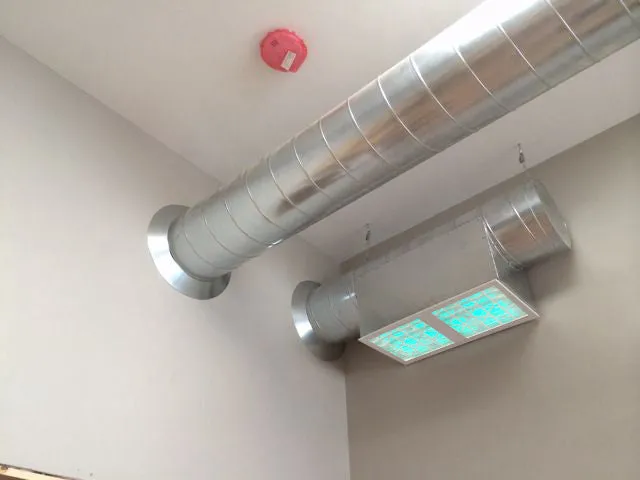
A ceiling mounted smart air purifier saves floor space and delivers cleaner air from above, but placement strategy matters as much as the unit itself. Whether you choose a ceiling mounted smart air purifier mounted overhead or a traditional standalone model depends on your room layout, ceiling height, and where pollutants actually accumulate.
How Ceiling Mounted Smart Air Purifiers Work Differently
Ceiling mounted smart air purifiers pull air downward and recirculate it through HEPA filters, using gravity and room air currents to their advantage. Unlike floor-standing units that mix air at eye level, overhead placement captures dust, allergens, and particles before they settle on surfaces and furniture.
A ceiling mounted smart air purifier integrates into existing HVAC or ductwork in many cases, or operates as a standalone system. The key difference is air flow direction: ceiling units push filtered air down and out, while standalone models create localized air movement around their footprint. This overhead positioning is especially effective in kitchens, bedrooms, and open-plan offices where you want continuous, quiet filtration without visual clutter.
Ceiling Mounted vs. Standalone: Real Performance Differences
| Factor | Ceiling Mounted | Standalone |
|---|---|---|
| Floor space used | None | Requires placement |
| Air circulation pattern | Top-down, whole-room | Localized around unit |
| Noise level | Generally quieter | Often louder at user level |
| Installation | Requires mounting/wiring | Plug and play |
| Coverage for large rooms | Excellent | Limited without relocation |
Standalone units excel in small rooms, temporary setups, or when you rent and cannot modify ceilings. They’re portable and work immediately out of the box. But in bedrooms or living areas where you spend hours, a ceiling mounted air purifier runs quieter because sound disperses upward and away from where you sit or sleep.
Coverage is where the differences matter most. A standalone tower purifier typically covers 200-400 square feet effectively. A ceiling-mounted system covers entire rooms or open spaces because air naturally rises and flows throughout the volume above. For studios, master bedrooms, or kitchens under 300 square feet, either works. For larger rooms, offices, or open-plan layouts, ceiling mounting delivers superior coverage.
Room-by-Room: Where Each Option Shines
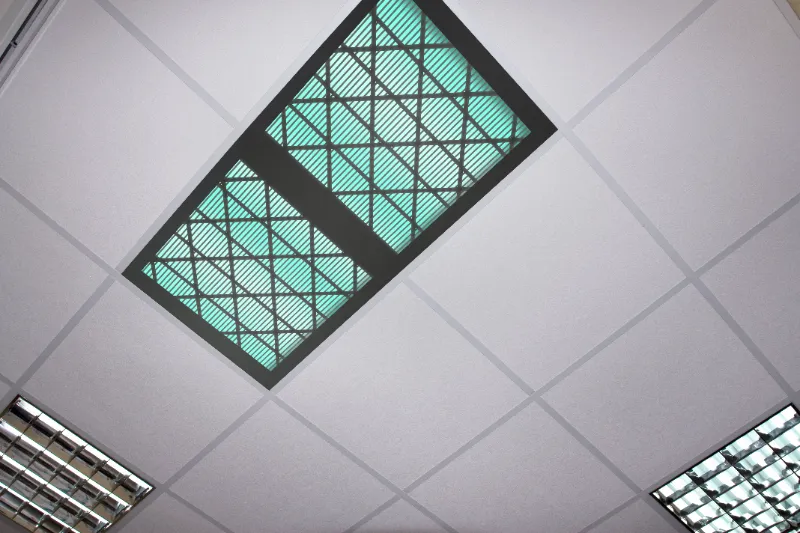
Bedrooms are ideal for ceiling mounting because the unit runs all night at low noise and no floor space vanishes. Bathrooms with moisture and mold concerns benefit from overhead placement where air flow dries humid pockets. Home offices and workspaces see cleaner air around your desk without a bulky unit hogging corner real estate.
Standalone units win in rental apartments, shared spaces, or rooms with popcorn or textured ceilings that make mounting difficult. They’re also better for temporary use, seasonal allergies, or if you plan to move the purifier between rooms. An air purifier system with both standalone and ceiling-capable configurations offers flexibility for mixed setups.
Kitchens are debatable. Cooking produces grease and particles that rise naturally, making ceiling mounting effective. But if your kitchen is small and you want fast, localized cleanup during cooking, a countertop standalone unit positioned near the stove works too.
Installation and Maintenance Considerations
Ceiling mounting requires drilling, wiring, or duct connections, which means planning and usually professional help. Once installed, maintenance is straightforward: filter changes happen less frequently because the system captures volume consistently. Most ceiling units accept quarterly or semi-annual filter swaps.
Standalone units install in seconds but need repositioning as you move through your home. Filters may clog faster because the motor works harder to pull air into a smaller footprint. You’ll replace filters every 3-6 months depending on use and air quality.
For apartments or homes where you want a ceiling-mounted solution without permanent installation, look for semi-permanent ceiling mounted smart air purifier options that mount with brackets rather than hardwiring. These preserve your security deposit and offer flexibility.
Sizing: Room Volume and Air Changes per Hour
Purifier effectiveness depends on air changes per hour (ACH). You want 4-5 complete air changes per hour in bedrooms and living areas, and 6-8 in kitchens or spaces with odors. A ceiling system covering a 400-square-foot bedroom with 9-foot ceilings needs a stronger motor than a standalone unit in a 150-square-foot room.
Check the CADR rating (Clean Air Delivery Rate) on any unit you compare. Ceiling-mounted systems typically have CADR scores 300-600+, while portable units range 150-400. Higher CADR means faster filtration, which matters if anyone in your household has asthma, allergies, or pets.
Room dimensions also affect placement. In rooms under 200 square feet, a quality standalone unit suffices. In 300-600 square foot spaces, a ceiling mounted air purifier delivers noticeably better air quality because it processes the full volume rather than just the corner or wall where a standalone sits.
Smart Features and Control
Modern ceiling mounted smart air purifiers connect to Wi-Fi, send filter-change alerts to your phone, and adjust fan speed based on real-time air quality sensors. Standalone units increasingly include these features too, but ceiling-mounted systems often integrate with whole-home HVAC systems for coordinated filtration.
Look for models with app control, voice compatibility, and scheduling. A unit that runs full speed at night but medium during the day saves energy and extends filter life. Smart sensors that detect cooking, pets, or seasonal pollen spikes adjust automatically.
When to Choose Each Option
Choose ceiling mounting if you want permanent, quiet, whole-room filtration and have the budget and access to install it. Choose standalone if you rent, move frequently, prefer flexibility, or only need targeted air cleaning in one or two rooms. Many households benefit from a hybrid approach: a ceiling-mounted system in the bedroom and a portable unit in the living room or kitchen.
For current pricing and to apply our 10% OFF sitewide discount, grab the code. Compare the specific models side-by-side on the product pages to see CADR, filter costs, and smart features that match your home.
Questions
What's the main advantage of a ceiling mounted smart air purifier over a floor model?
Ceiling mounting uses gravity to capture airborne particles from above, covers entire rooms more effectively, and runs quieter because sound disperses upward. Floor space stays free and you avoid bulky units taking up corners or wall outlets.
Can I install a ceiling mounted air purifier myself?
Most ceiling-mounted systems require drilling, mounting brackets, and electrical work, so professional installation is recommended for permanent setups. Semi-permanent models with bracket mounting are easier to install yourself, but always follow the manufacturer's instructions.
How often do I need to replace filters in a ceiling mounted air purifier?
Filters typically last 3-6 months in a ceiling mounted smart air purifier depending on air quality and usage. Most modern units send app alerts when filters need changing, and you can schedule replacements proactively.
Will a standalone air purifier work for a large open-plan room?
Standalone units cover 150-400 square feet effectively. In large open spaces over 400 square feet, a ceiling-mounted system or multiple units deliver better coverage and cleaner air throughout.
Is a ceiling mounted air purifier worth the cost compared to portable options?
If you stay in your home long-term, use the unit daily, or have allergy concerns, a ceiling mounted system pays for itself through consistent, efficient filtration. Renters or those who move frequently get better value from standalone units.
Do ceiling mounted smart air purifiers work with smart home systems?
Most modern ceiling-mounted systems integrate with Wi-Fi and voice assistants, letting you control fan speed, schedules, and filter alerts from your phone or voice commands. Check product specs to confirm compatibility with your home setup.
Products in this guide
Shopping at TRACS Air Purifiers? See the discount code
10% OFF Sitewide
More in this series
Smart Air Purifier Technology Explained: Is WiFi Control Worth the Extra Cost?11 Sep 20264 minTRACS Air Purifier System Lifespan: When to Replace Filters and What to Expect11 Sep 20264 minHow to Install and Maintain Your TRACS Ceiling Mounted Air Purifier11 Sep 20264 minTRACS Smart Air Purifier vs. Standard Models: Which Features Actually Matter11 Sep 20264 minDoes a Ceiling Mounted Air Purifier Really Work for Whole-Home Coverage?11 Sep 20264 min