 A Sumerain Faucet guide
Sumerain Roman Bathtub Faucet Maintenance: Cleaning and Care Tips to Prevent Corrosion
A roman bathtub faucet requires regular cleaning and proper maintenance to prevent corrosion and keep it looking like new.
A roman bathtub faucet requires regular cleaning and proper maintenance to prevent corrosion and keep it looking like new. Whether you have a wall mount model or a deck mounted setup, the care approach is similar. Sumerain’s roman bathtub faucet collection offers durable finishes, but even premium materials need attention to stay pristine over time.
Cleaning Your Roman Bathtub Faucet Weekly
Regular cleaning prevents buildup that leads to corrosion. Wipe down your roman bathtub faucet with a soft, damp cloth after each use to remove water spots and soap residue. For the spout and handles, use a microfiber cloth to prevent scratches. If you notice mineral deposits (white or chalky spots), dampen the cloth and gently rub the affected area. Avoid scouring pads or harsh abrasives, which can damage the finish on any Sumerain bathtub faucet.
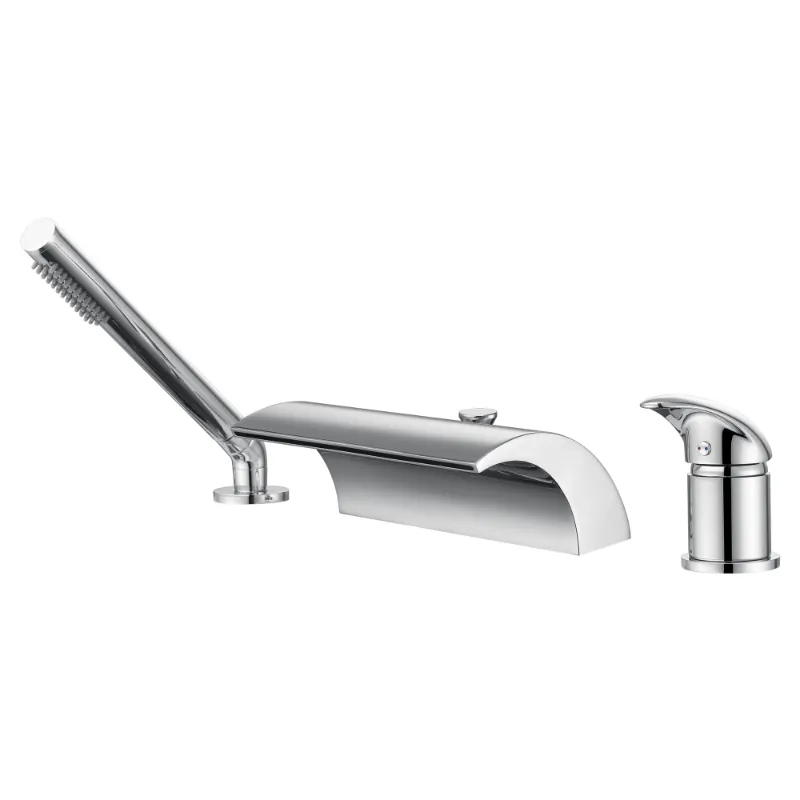
For harder-to-reach spots around the base where your roman bathtub faucet connects to the tub, a soft-bristled toothbrush works well. Dip it in warm water and gently brush around crevices. Dry everything with a clean cloth to prevent water spots from setting in.
Removing Mineral Deposits and Hard Water Buildup
Hard water leaves mineral deposits that can corrode your roman tub faucet over time. Mix equal parts white vinegar and water in a spray bottle. Spray the solution onto the faucet body, spout, and handles, then let it sit for 15 to 20 minutes. Wipe clean with a soft cloth and rinse thoroughly with fresh water. For stubborn deposits, soak a cloth in the vinegar solution and wrap it around the affected area for 30 minutes before wiping.
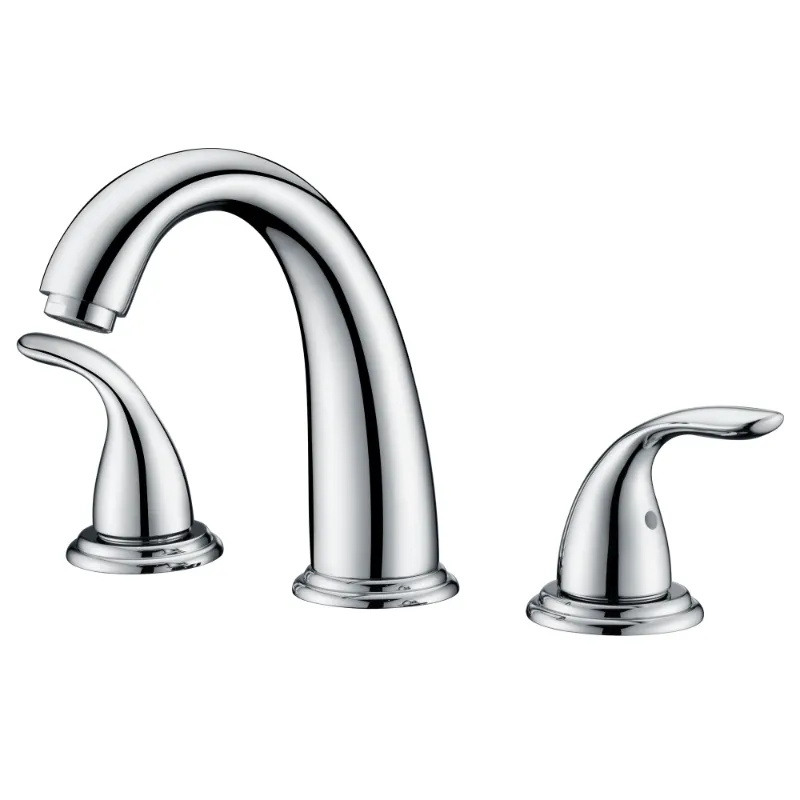
If you have a roman tub faucet with sprayer, pay special attention to the sprayer head, as mineral buildup clogs the spray holes. Soak the sprayer head in vinegar solution or unscrew it (if removable) and soak it separately. Use a toothpick to clear any blocked holes gently.
Materials and Finish Protection
Sumerain offers roman bathtub faucets in multiple finishes: brushed nickel, chrome, oil rubbed bronze, and polished stainless. Each finish responds differently to maintenance. Chrome and polished finishes show water spots most easily and benefit from frequent drying. Oil rubbed bronze and brushed nickel are more forgiving with water marks but still need regular cleaning to prevent corrosion.
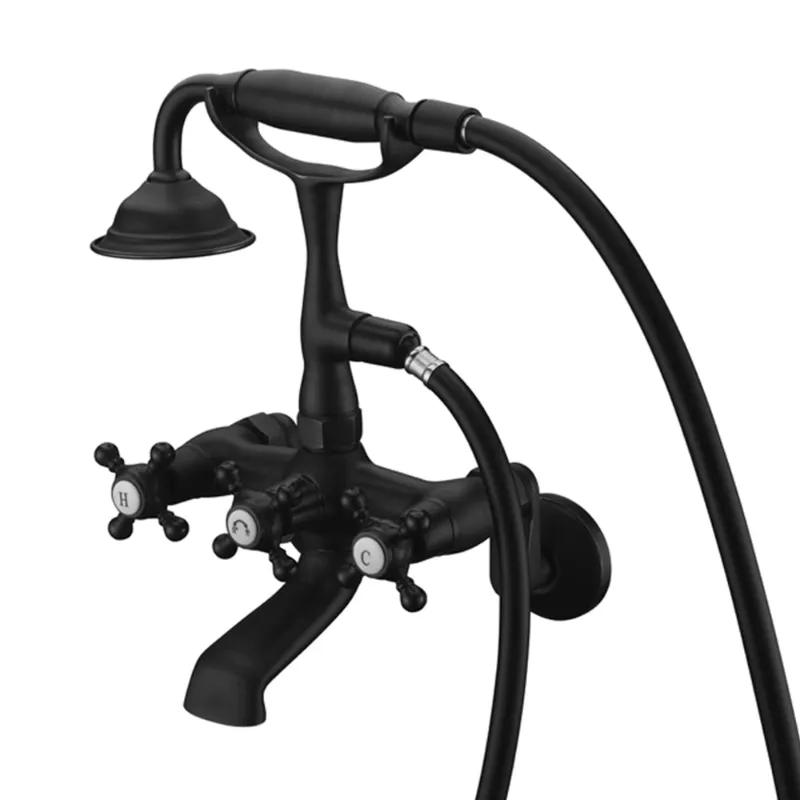
Avoid vinegar on oil rubbed bronze finishes if they are sealed with a protective coating, as vinegar can strip it. Instead, use warm soapy water and dry immediately. For clawfoot tub taps and other vintage-style models, always check the manufacturer’s care guide first, as ornate designs trap moisture in crevices.
When comparing finishes for corrosion resistance, chrome resists rust well but shows every water spot. Stainless steel handles fingerprints and water marks better. If corrosion appears despite regular cleaning, it often signals that the protective coating has failed. Grab the code for 10% off and consider replacing with a fresh unit if your roman bathtub faucet shows pitting or rust spots.
Preventing Corrosion in Wet Environments
Bathrooms are humid, which accelerates corrosion. Improve air circulation by running your exhaust fan during and for 30 minutes after baths or showers. This reduces moisture around your roman bathtub faucet and the entire tub area. If you do not have an exhaust fan, open a window or door to let moisture escape.
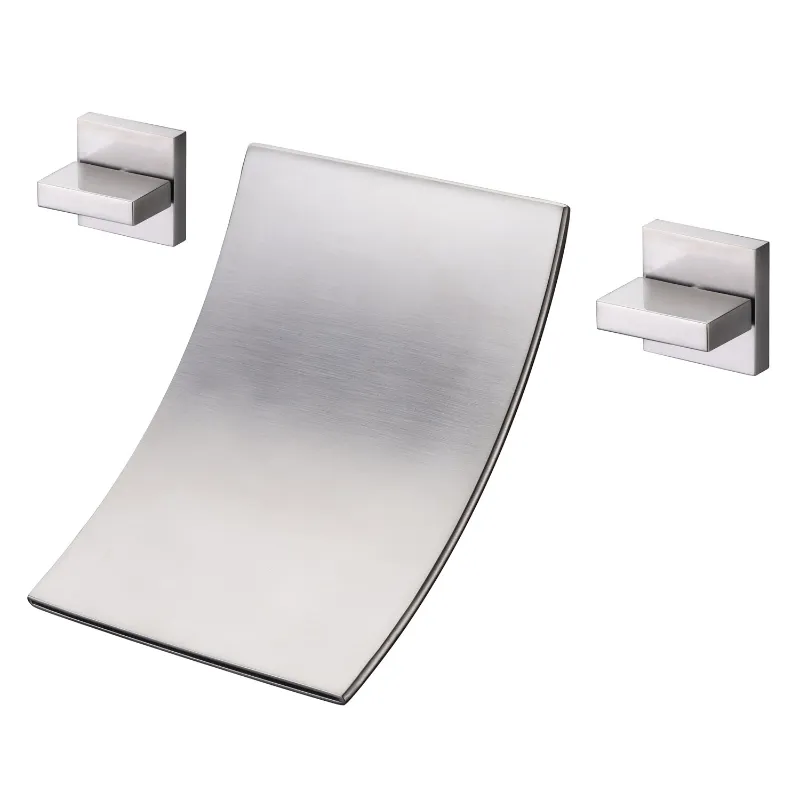
Ensure your wall mount tub faucet or deck mounted tub faucet stays dry between uses. Wipe it down after each bath or shower. Do not leave wet washcloths or towels draped over the faucet, as trapped moisture accelerates corrosion. If you have a freestanding bathtub faucet, the same principle applies: dry it after use.
Check under the faucet base monthly for signs of water pooling or seepage. A slow leak behind a roman tub faucet with shower diverter allows water to sit against the mount, corroding both the faucet and the surface beneath. Tighten connection points if you notice drips, and call a plumber if leaks persist.
Addressing Common Corrosion Issues
Early corrosion shows as discoloration or small pits in the finish. If caught early, these often respond to the vinegar-and-water treatment. For deeper pitting or rust that spreads, the faucet’s protective layer has failed and replacement is the best option. Check the latest price on Sumerain’s full range to find a replacement that matches your style.
Hard water and chlorinated water (common in some municipalities) accelerate corrosion. If you live in a high-mineral or high-chlorine area, increase cleaning frequency to twice weekly and always dry your roman bathtub faucet immediately after use. A water softener in your home will also reduce mineral buildup on all fixtures, including your roman faucet for jacuzzi tubs or standard soaking tubs.
Never use bleach or harsh chemical cleaners on a roman bathtub faucet. These can pit the finish or strip protective coatings. Stick to mild soap, white vinegar, and warm water.
Seasonal Care and Long-Term Maintenance
Inspect your roman bathtub faucet seasonally for loose connections, corrosion, or changes in water flow. Tighten mounting bolts if the faucet shifts or feels unstable. Over time, vibration and thermal expansion can loosen fasteners. A snug fit keeps water from seeping behind the faucet where corrosion thrives.
If you use your tub infrequently during winter or other seasons, run water through your roman bathtub faucet weekly to keep the internal seals from drying out and cracking. Stagnant water in the lines can also corrode internal components. A quick rinse keeps everything functional.
For premium options, explore Roman Tub Fillers and Roman Tub Bathroom Faucets to compare care requirements across brands, or review Roman Tub Sets to see finish options that may resist corrosion better in your climate.
Keep your Sumerain roman bathtub faucet looking new with consistent, gentle cleaning and prompt attention to water spots and deposits. A few minutes of maintenance each week adds years to your fixture’s life and keeps it performing as intended.
Questions
How often should I clean my roman bathtub faucet?
Wipe down your roman bathtub faucet with a soft, damp cloth after each use to remove water spots and soap residue. For a deeper clean with vinegar solution, clean weekly or as needed if you have hard water. More frequent cleaning prevents mineral buildup and corrosion.
Can I use vinegar to clean my roman tub faucet with sprayer?
Yes, white vinegar is safe on most finishes. Mix equal parts vinegar and water, spray the faucet, and let sit for 15 to 20 minutes before wiping clean. For the sprayer head, you can soak it in the solution to clear mineral deposits from the spray holes.
What should I do if my roman bathtub faucet shows corrosion spots?
Early discoloration or small pits may respond to vinegar-and-water treatment. If corrosion is deep or spreads, the protective finish has failed and replacement is recommended. [Check the latest price](/sumerain-faucet-discount-code/) on Sumerain replacements with 10% off sitewide.
Is it normal for my roman bathtub faucet to get water spots?
Water spots are common in hard water areas and depend on your finish. Chrome and polished finishes show spots more easily. Dry your faucet immediately after use to prevent spots, or clean weekly with vinegar solution to dissolve mineral deposits.
How do I maintain a deck mounted tub faucet to prevent corrosion?
Run your exhaust fan during and after baths to reduce humidity, dry the faucet after each use, and ensure no water pools around the base. Check mounting bolts seasonally to keep them snug, which prevents water from seeping behind the faucet where corrosion starts.
What finish resists corrosion best on a roman bathtub faucet?
Brushed nickel and stainless steel generally hide water spots and resist corrosion well. Chrome is also durable but shows every water mark. Oil rubbed bronze offers a vintage look and is forgiving with maintenance, though it requires different care than polished finishes.
Products in this guide
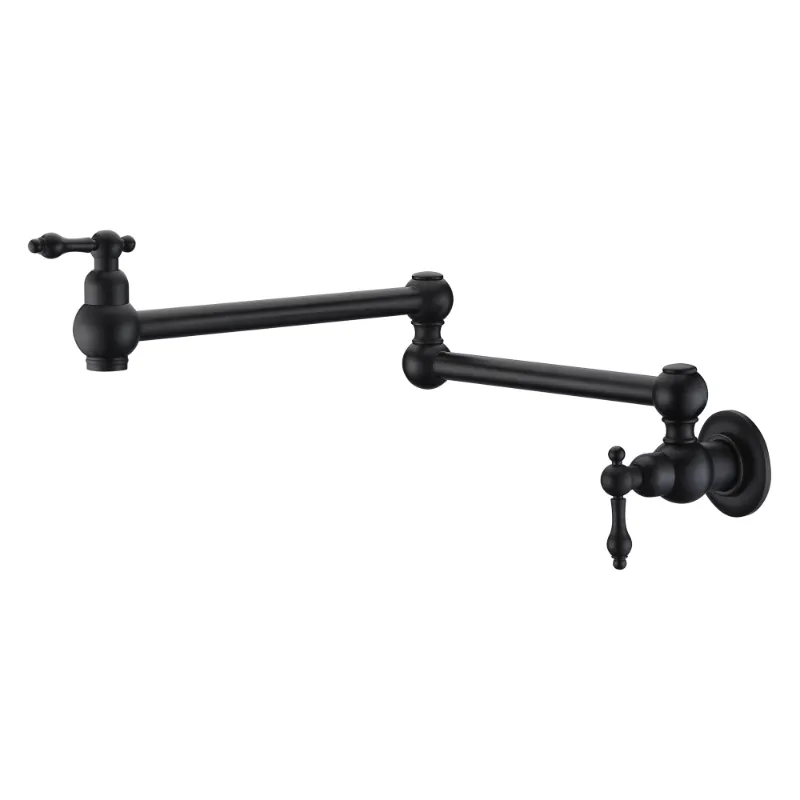
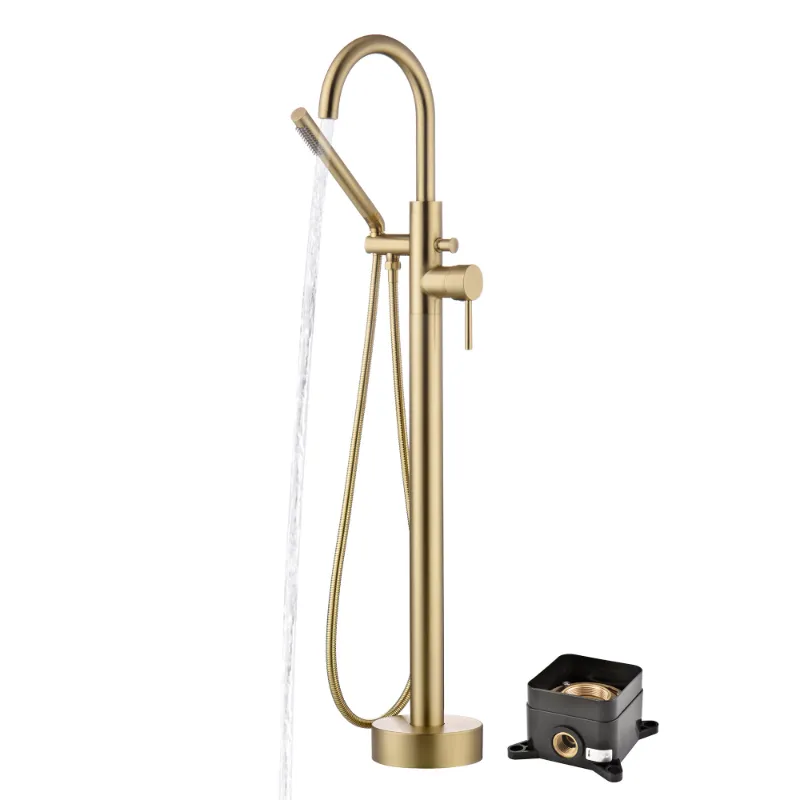 Shopping at Sumerain Faucet? See the discount code
10% OFF Sitewide
Shopping at Sumerain Faucet? See the discount code
10% OFF Sitewide
More in this series
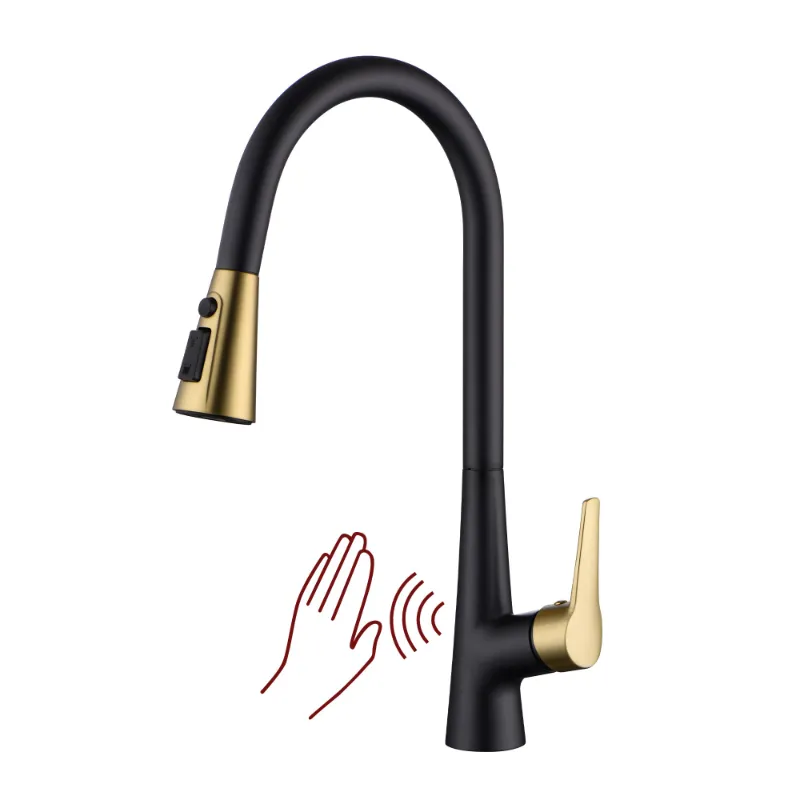 Does a Black Touchless Kitchen Faucet Work as Well as It Looks?3 Sep 20264 minBest Sumerain Faucet for Clawfoot Tubs: Tub Taps vs. Freestanding Options3 Sep 20264 minSumerain Oil Rubbed Bronze Kitchen Faucet vs. Stainless Steel: Which Finish Lasts Longer?3 Sep 20264 minHow to Install a Sumerain Wall Mount Tub Faucet: Step-by-Step Guide3 Sep 20266 min