 A Сottagecore clothes guide
How to Style a Prairie Dress for Every Season
A prairie dress works beautifully across all four seasons when you know how to layer, accessorize, and adapt its romantic silhouette to changing weather.
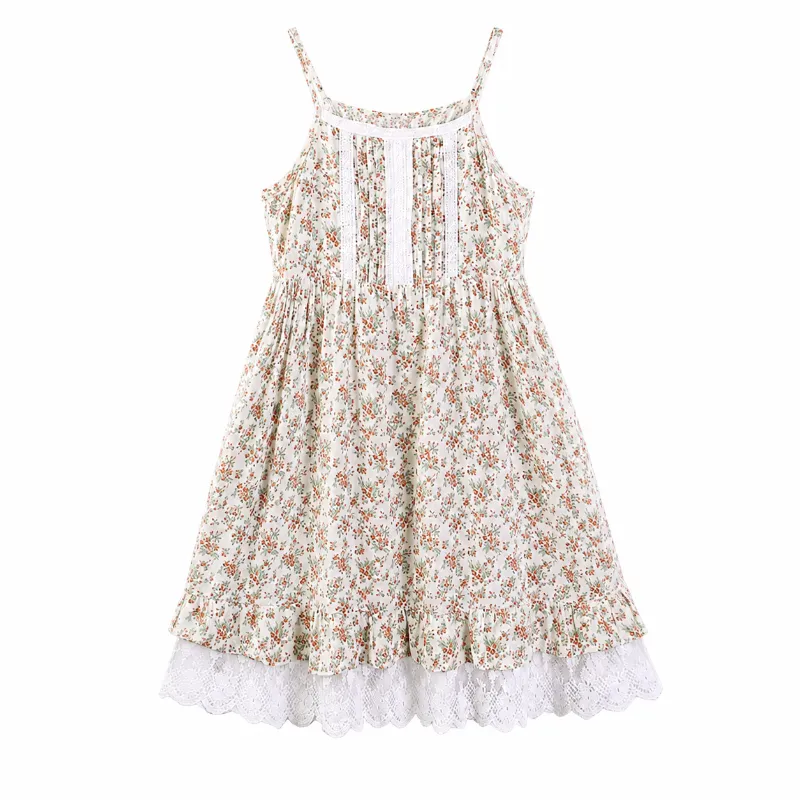
A prairie dress works beautifully across all four seasons when you know how to layer, accessorize, and adapt its romantic silhouette to changing weather. Whether you own a prairie dress, a cottagecore floral dress, or a cottage core dress, the right seasonal styling transforms these pieces from summer staples into winter favorites.
The prairie dress originated in the 1800s and saw a major revival in the 1970s, but today’s modern prairie dress blends those vintage details with contemporary fabrics and fits that make them more practical for everyday wear.
Spring Prairie Dress Styling
Spring is the easiest season to wear your prairie-style pieces. The natural fabrics breathe well in mild temperatures, and the billowing silhouettes pair beautifully with rain boots and light cardigans.
What works in spring:
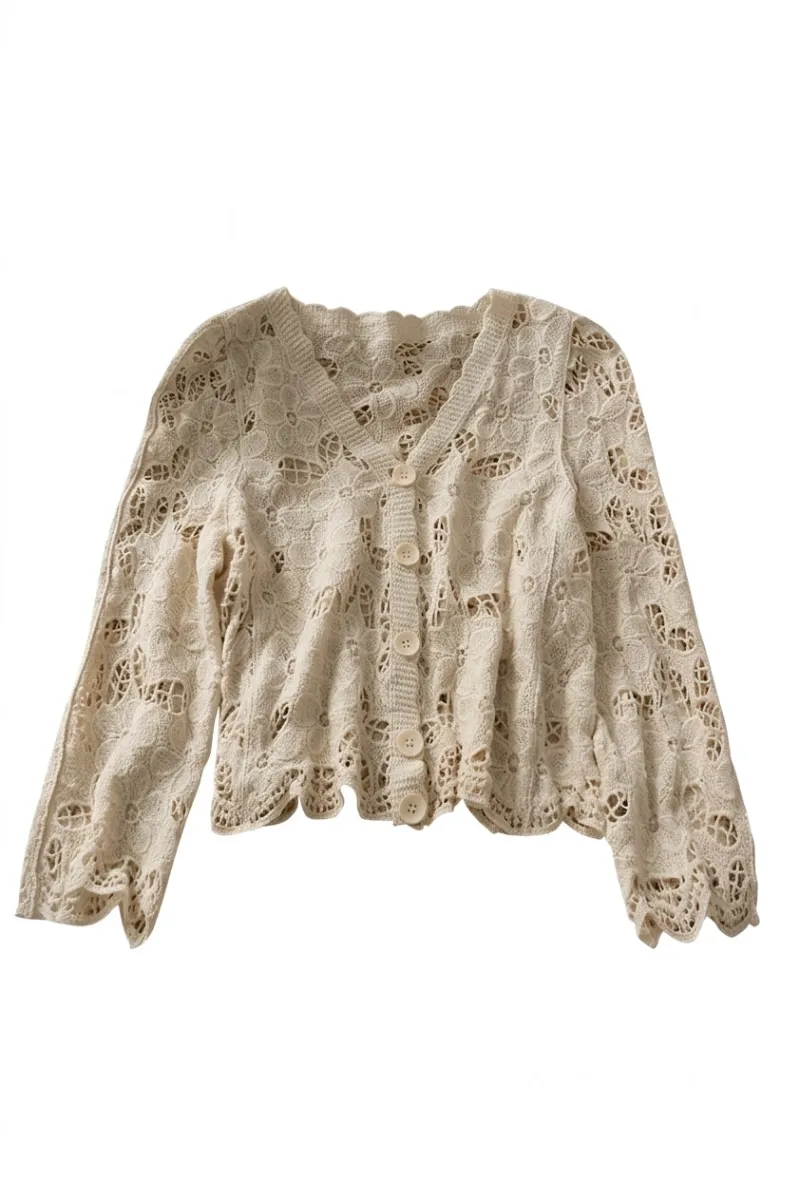
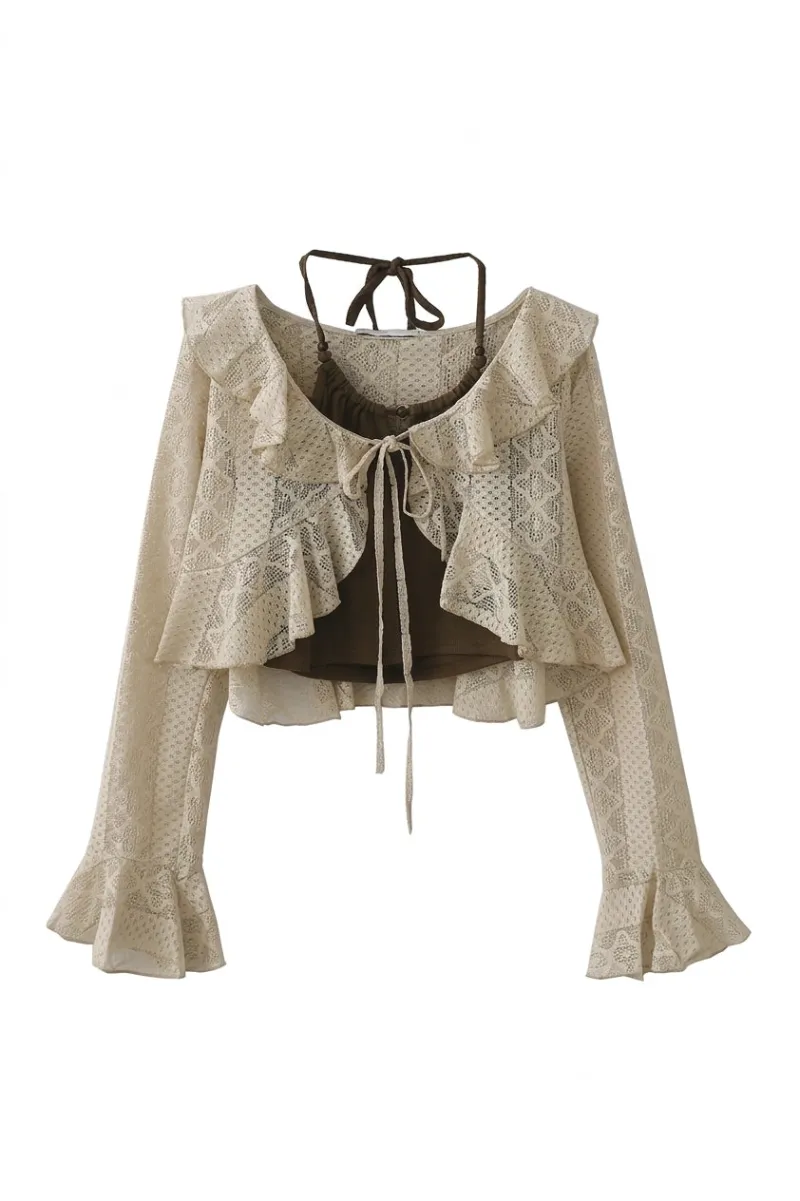
- Layer a vintage lace cardigan over your fairy dress for cooler mornings
- Pair ankle boots or Mary Janes with knee-high socks for a mori kei aesthetic
- Add a denim jacket for casual weekend outings without losing the romantic vibe
- Choose floral or pastel prairie dresses that echo the season’s color palette
For current pricing on spring-ready styles, check our discount code page where we maintain a 12% sitewide offer.
Summer Looks with Lightweight Prairie Pieces
Summer heat requires breathable fabrics and minimal layering. A cottagecore floral dress in cotton or linen becomes your best friend during warm months.
Keep cool while maintaining style:
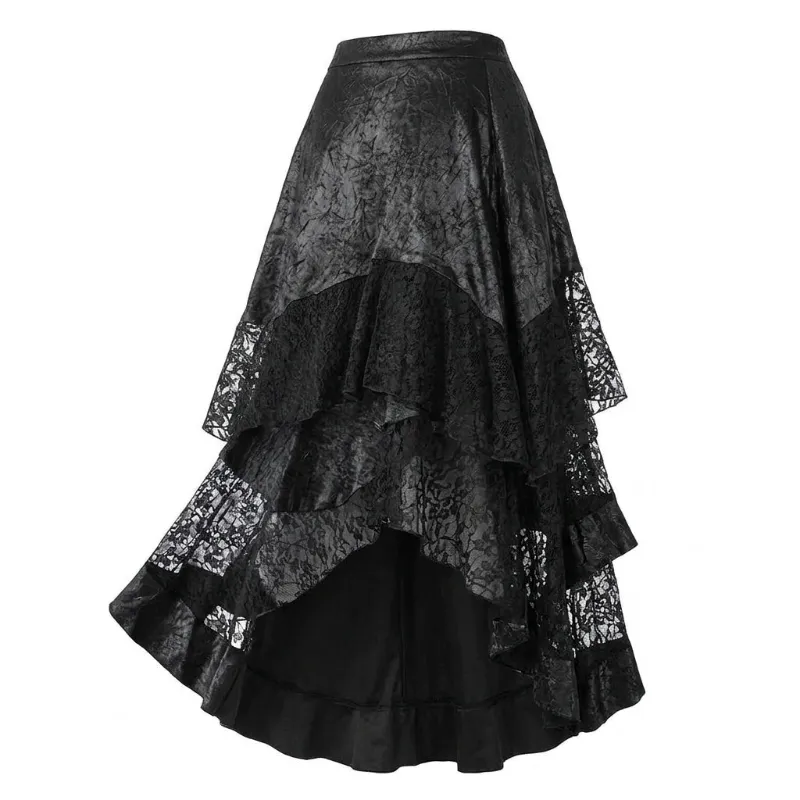
- Wear your prairie dress alone with sandals or espadrilles
- Choose sleeveless or short-sleeve variations like a fairy skirt paired with a simple cottage top
- Add a wide-brimmed straw hat for sun protection and authentic prairie aesthetic
- Opt for white or light-colored dresses that reflect heat
According to Vogue’s prairie dress trend report, the style has become a summer wardrobe essential because it offers both coverage and airflow. The loose silhouettes allow air circulation while protecting skin from sun exposure.
Fall Layering Techniques for Prairie Dresses
Fall transforms your prairie wardrobe through strategic layering. This season lets you experiment with textures, patterns, and depth.
| Layer Type | Best Option | Style Tip |
|---|---|---|
| Base | Long-sleeve prairie dress | Choose deeper autumn tones |
| Mid-layer | Knit cardigan or sweater vest | Add texture contrast |
| Outer | Wool coat or cape | Keep the romantic silhouette |
| Bottom | Tights or leggings | Match or complement dress color |
Autumn-specific styling:
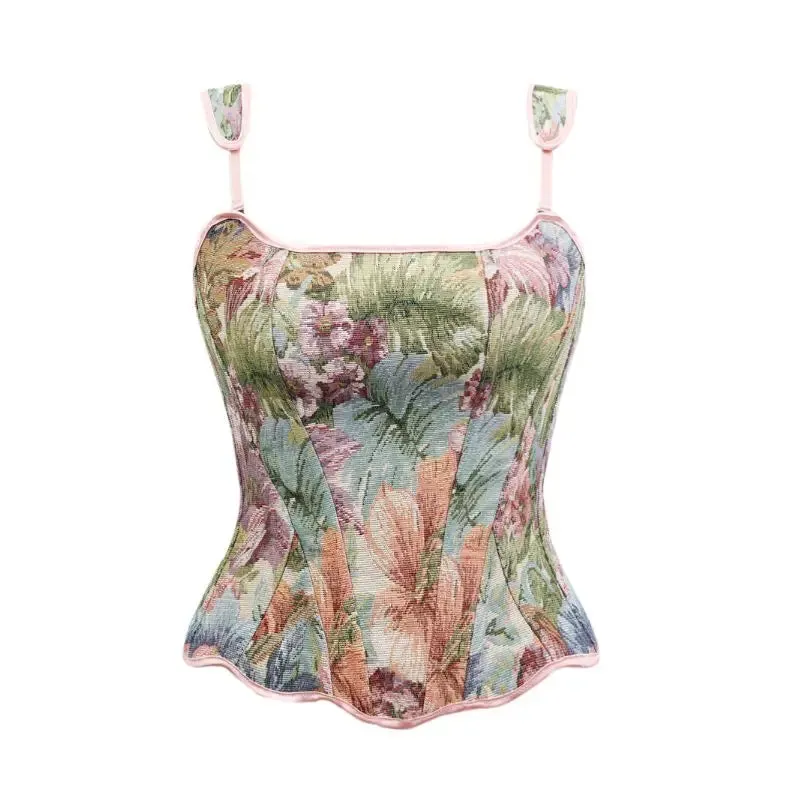
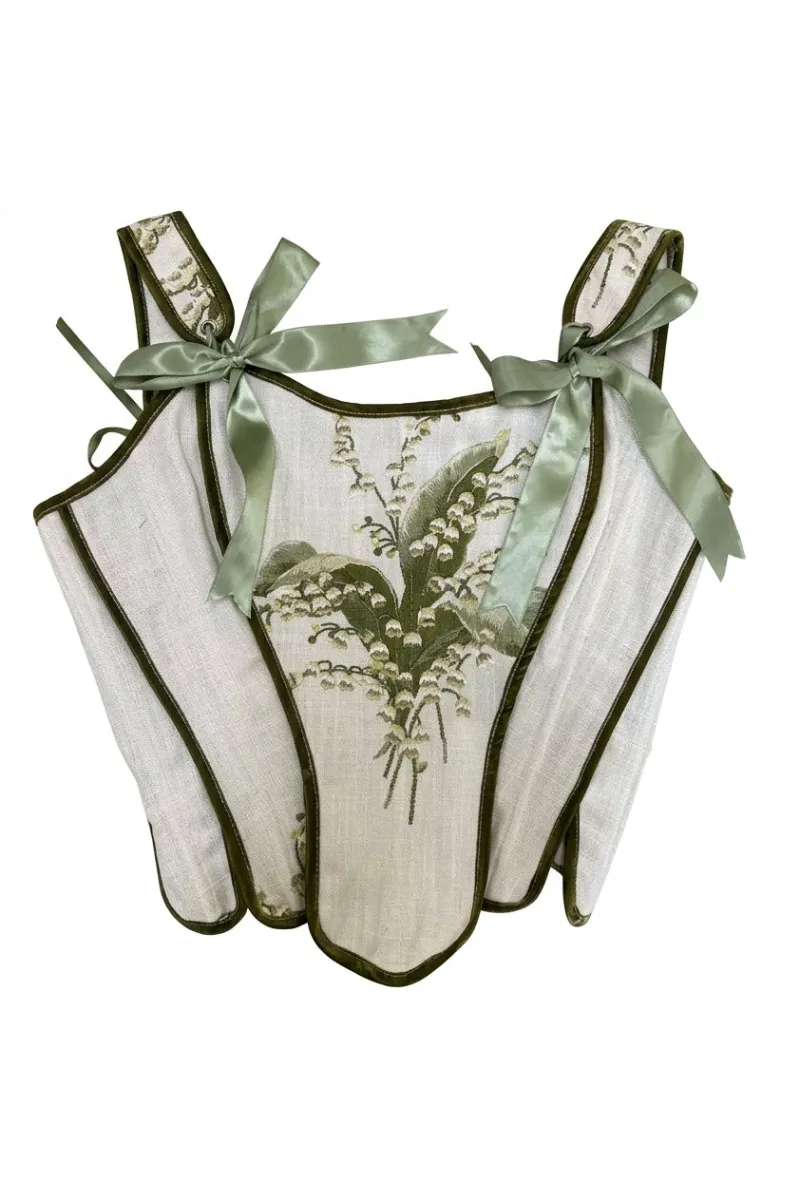
- Pair a tapestry corset top over a long-sleeve prairie dress for Victorian-inspired dimension
- Add ankle boots in leather or suede with visible socks
- Layer a turtleneck under a sleeveless cottage core dress for extra warmth
- Incorporate burnt orange, burgundy, or forest green accessories
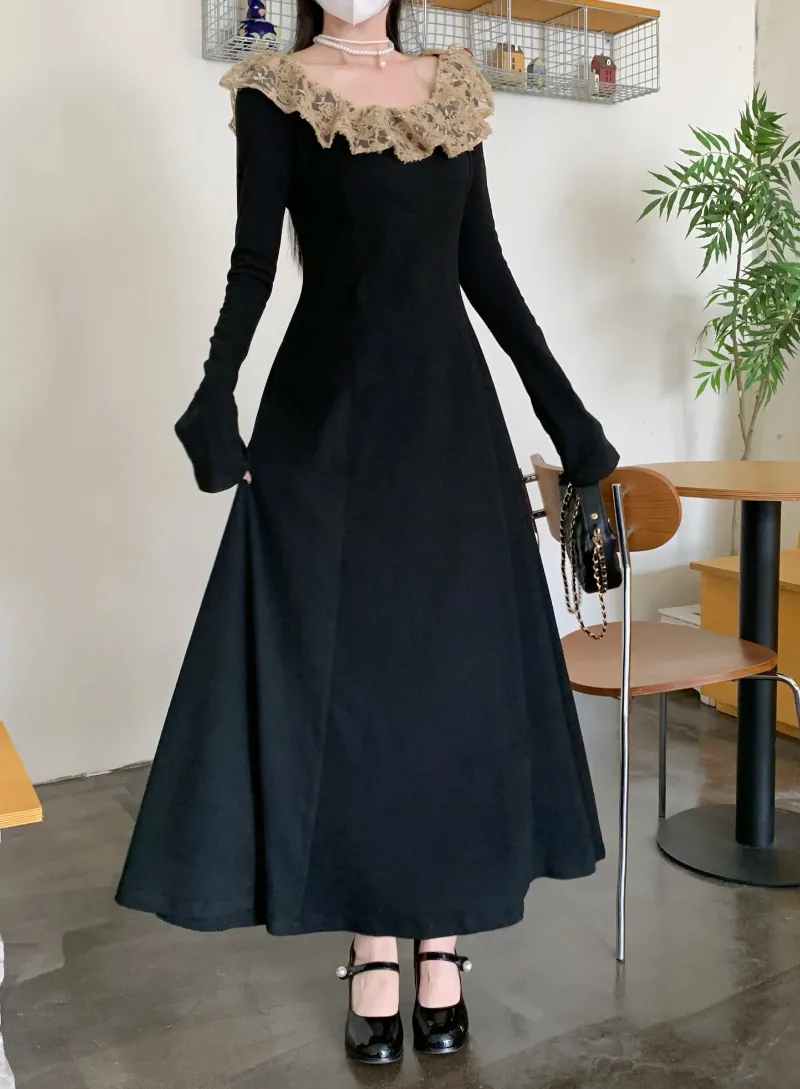
The black and gold whimsigoth dress works particularly well in fall when darker colors feel seasonally appropriate. Grab the latest code to save on layering pieces.
Winter Prairie Dress Combinations
Winter requires the most creativity but delivers the most visually interesting outfits. Thermal layers and strategic accessories keep you warm without abandoning the aesthetic.
Cold-weather essentials:
- Start with thermal undergarments beneath your dress
- Add thick tights or fleece-lined leggings
- Layer a vintage lace cardigan under a wool coat
- Finish with knee-high boots and a knit scarf
- Consider an embroidered corset over a turtleneck and under a pinafore-style prairie dress for structured warmth
For formal winter events, try a velvet or heavier cotton mori kei dress with a faux-fur collar or shawl. The layered look channels historical prairie dress patterns while providing genuine insulation.
Modern Updates to Vintage Prairie Style
Modern prairie dress styling balances historical inspiration with contemporary wearability. We avoid costume territory by mixing eras and updating proportions.
Keep it current:
- Mix your prairie dress with modern sneakers or combat boots instead of period-accurate footwear
- Choose one statement prairie piece rather than a head-to-toe costume look
- Incorporate contemporary bags and minimal jewelry
- Select prairie dresses with updated hemlines or sleeve cuts
- Pair a corset embroidered piece over jeans for a hybrid cottagecore-casual outfit
The key difference between a modern prairie dress and a prairie dress costume is restraint. One romantic piece styled with contemporary basics reads as fashion-forward, while matching every element to the 1800s aesthetic crosses into costume territory.
Fabric and Color Choices for Year-Round Wear
Seasonal versatility depends heavily on fabric weight and color selection.
Seasonal fabric guide:
- Spring/Summer: Cotton lawn, linen, cotton voile, lightweight rayon
- Fall/Winter: Cotton flannel, corduroy, velvet, heavier cotton blends, wool blends
Color strategy by season:
- Spring: Pastels, lavender, mint, soft pink, cream
- Summer: White, light blue, yellow, floral prints
- Fall: Rust, burgundy, forest green, brown, burnt orange
- Winter: Deep jewel tones, black, navy, dark florals
The same prairie dress silhouette in different fabrics serves multiple seasons. Visit our store page to compare fabric options and find pieces that work for your climate.
Accessorizing Prairie Dresses Through the Seasons
Accessories complete seasonal transitions and personalize your prairie aesthetic. The same dress reads completely differently with strategic accessory changes.
Universal accessories:
- Crossbody bags in leather or woven materials
- Delicate gold or silver jewelry
- Hair ribbons, braids, or loose waves
- Minimal makeup with focus on natural skin
Seasonal additions:
- Spring: Light scarves, flower crowns, ankle boots
- Summer: Straw hats, sandals, minimal accessories
- Fall: Felt hats, knit scarves, leather boots
- Winter: Wool berets, thick scarves, tall boots, gloves
According to Little House on the Prairie’s styling guide, historical accuracy matters less than cohesive styling that honors the aesthetic while serving modern life.
Prairie dresses adapt to every season with thoughtful layering and fabric choices. The romantic silhouettes work equally well for casual weekends and dressed-up occasions, making them some of the most versatile pieces in a cottagecore wardrobe. Focus on one quality prairie-style dress per season, and build your layering collection around those anchor pieces for maximum styling flexibility year-round.
Questions
Can you wear a prairie dress in winter?
Yes, you can wear a prairie dress in winter by layering thermal undergarments, thick tights, and a heavy cardigan or coat over the dress. Choose heavier fabrics like cotton flannel or velvet and pair with knee-high boots for warmth.
What shoes go best with prairie dresses?
Ankle boots, Mary Janes, and leather sandals work best with prairie dresses for an authentic cottagecore look. For modern styling, white sneakers or combat boots create an updated contrast while keeping the outfit wearable.
How do I style a prairie dress without looking like a costume?
Style one prairie piece with contemporary basics rather than matching every element to the vintage aesthetic. Pair your dress with modern footwear, minimal jewelry, and a simple bag to keep the look fashion-forward instead of costume-like.
What fabrics work best for year-round prairie dresses?
Cotton blends work best year-round because you can layer them seasonally. Choose lightweight cotton or linen for warm months and cotton flannel, corduroy, or velvet for cold weather. Medium-weight cotton works across three seasons with appropriate layering.
Can I wear a corset with a prairie dress?
Yes, wearing an embroidered corset or corset top over a prairie dress adds Victorian-inspired dimension and works especially well in fall and winter. Layer the corset over long sleeves or a turtleneck for extra warmth and visual interest.
Are modern prairie dresses different from vintage ones?
Modern prairie dresses update vintage silhouettes with contemporary fabrics, adjusted hemlines, and more practical closures. They maintain the romantic details like ruffles and high necklines but use breathable synthetics and machine-washable materials for everyday wear.
Products in this guide
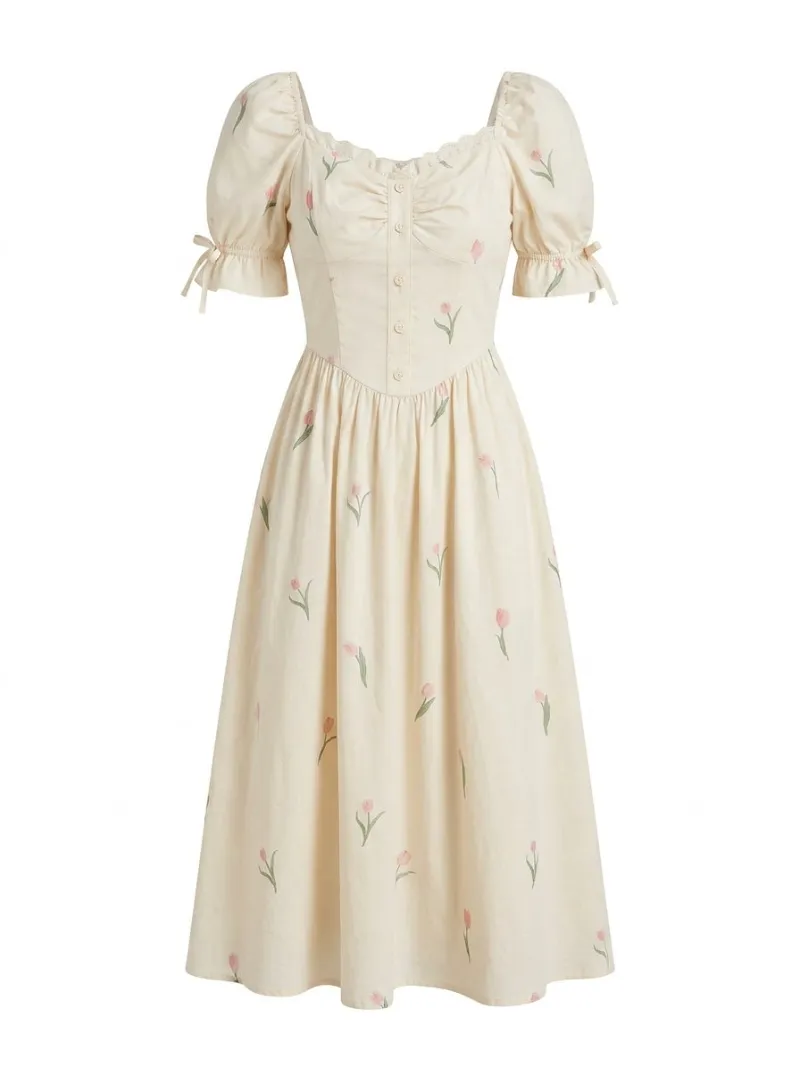
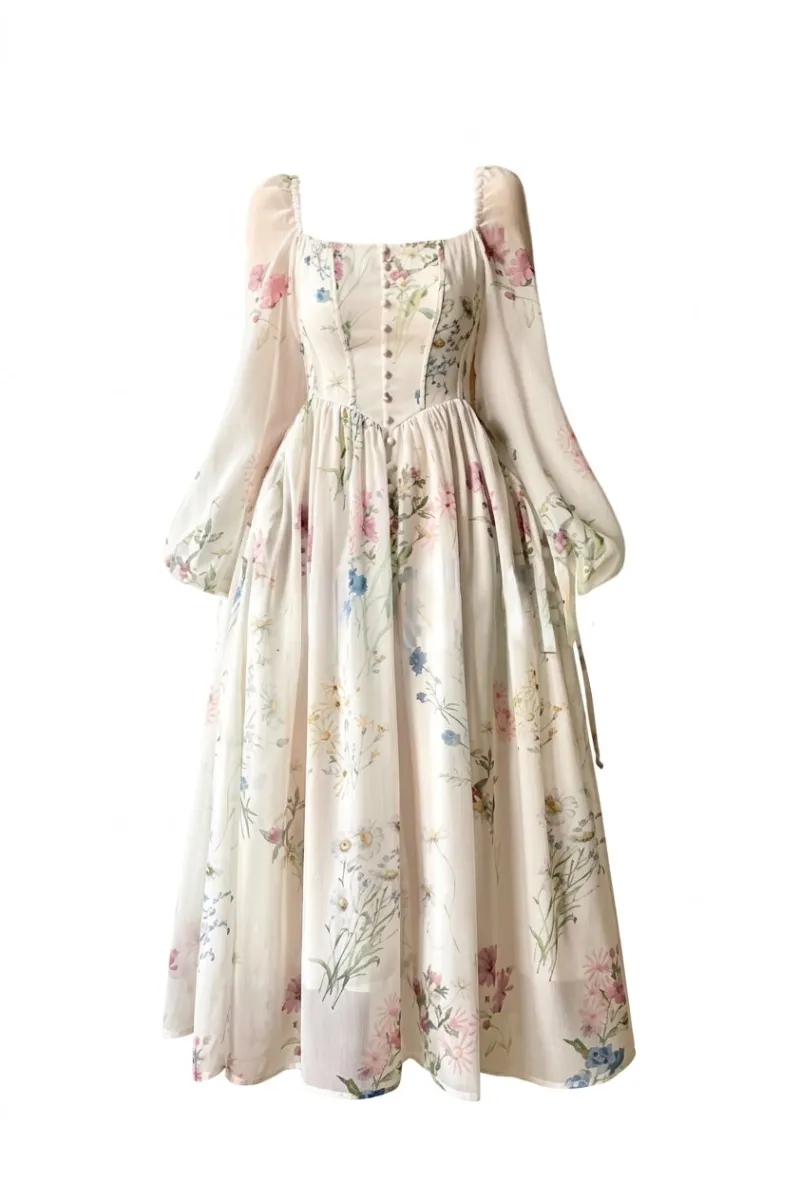
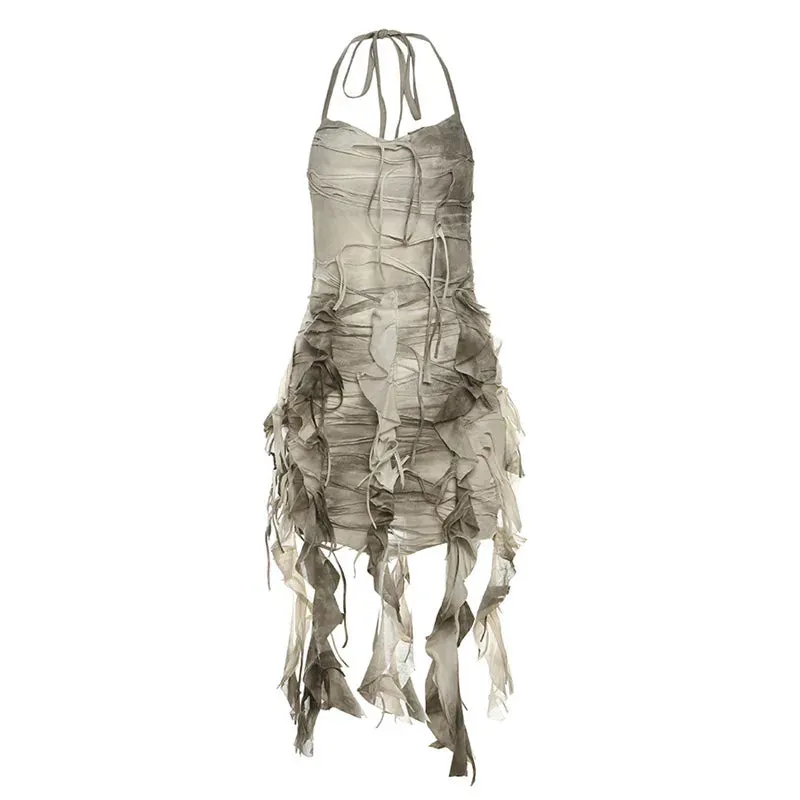
 Shopping at Сottagecore clothes? See the discount code
12% OFF Sitewide
Shopping at Сottagecore clothes? See the discount code
12% OFF Sitewide
More in this series
 What Makes a Whimsigoth Dress Different From Gothic Style?8 Sep 20264 minHow Long Do Vintage Lace Cardigans Last With Regular Wear?8 Sep 20264 minBest Cottagecore Tops to Pair With Vintage Skirts and Jeans8 Sep 20265 minDo Embroidered Corsets Need Special Care? Washing and Storage Tips8 Sep 20264 min
 Mori Kei vs Cottagecore: Which Aesthetic Fits Your Wardrobe?8 Sep 20265 min