 A Сottagecore clothes guide
Mori Kei vs Cottagecore: Which Aesthetic Fits Your Wardrobe?
Mori kei and cottagecore share a love of nature-inspired fashion, but mori kei leans darker and more layered while cottagecore embraces light, romantic simplicity.
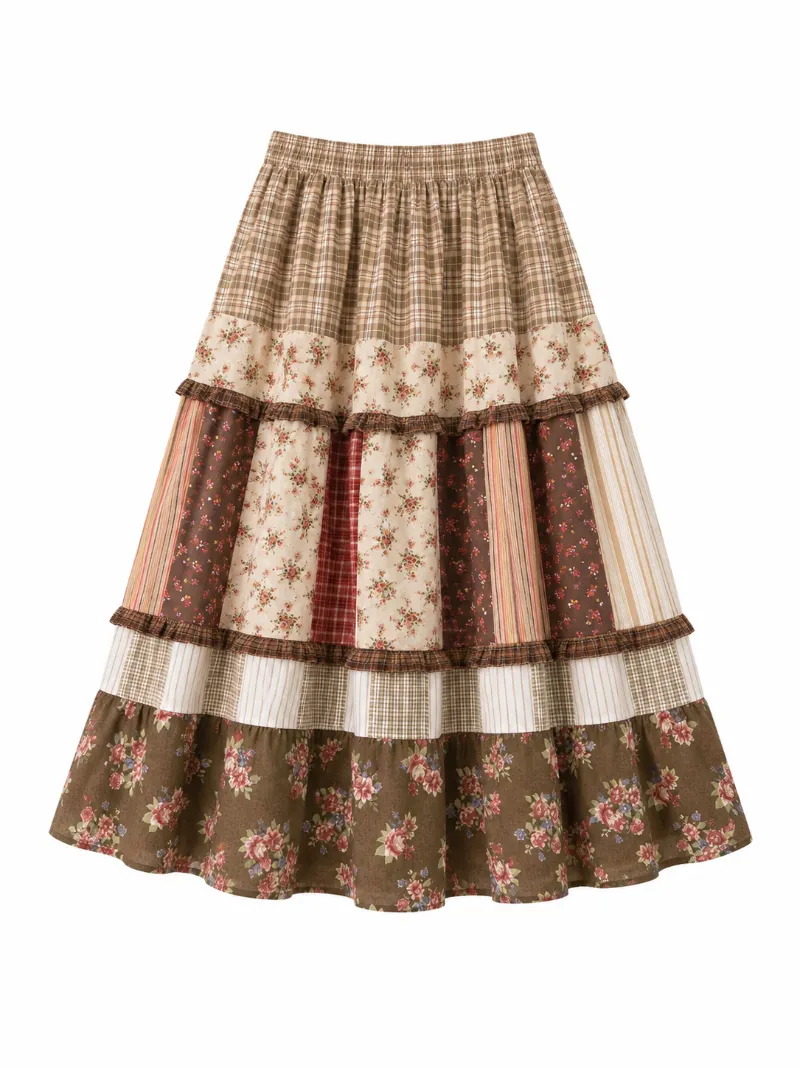
Mori kei and cottagecore both celebrate natural, soft aesthetics, but mori kei tends toward earthy layering with darker, forest-inspired tones while cottagecore favors lighter florals and prairie romance. If you’ve been torn between the two, understanding their roots and styling differences will help you build a wardrobe that genuinely fits your aesthetic.
What Is Mori Kei and How Does It Differ from Cottagecore?
Mori kei translates to “forest style” in Japanese and emerged in the early 2000s online communities. The mori kei aesthetic centers on looking like you stepped out of an enchanted woodland, with heavy layering, vintage textures, and muted earth tones. Think moss green, taupe, cream, and deep brown rather than pastel pinks and sky blues.
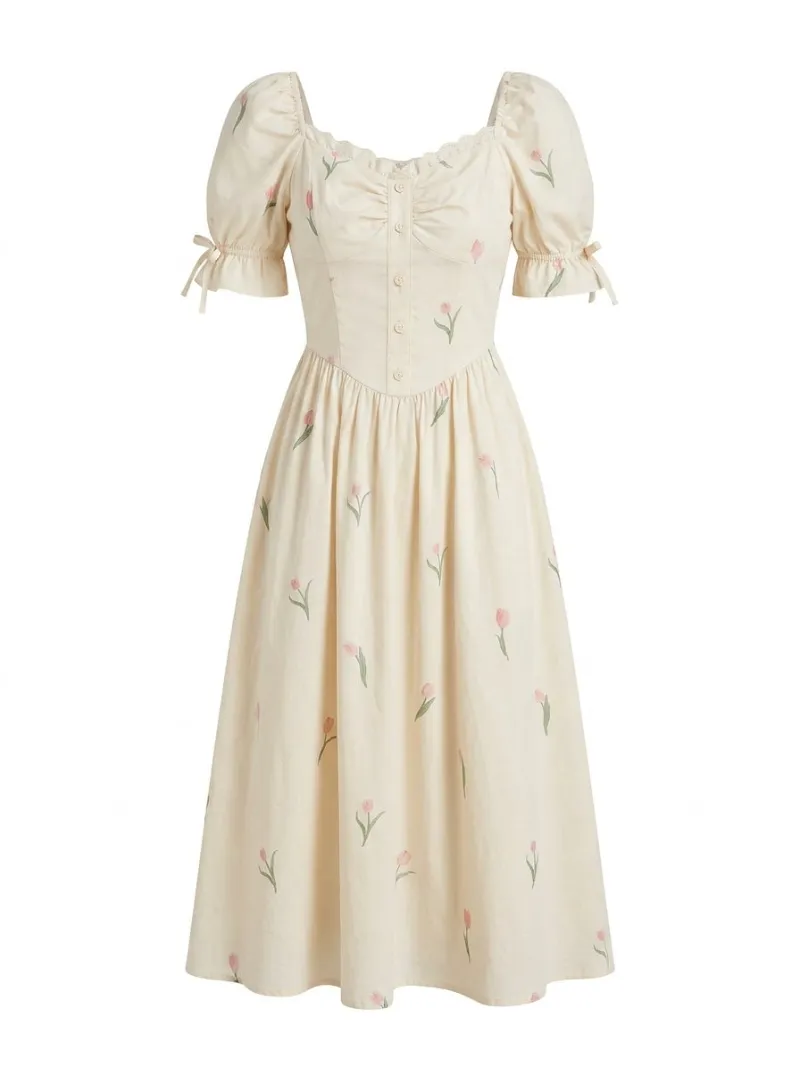
Cottagecore, by contrast, grew from Tumblr and Instagram around 2018 and leans into pastoral European countryside fantasy. A cottagecore floral dress or prairie dress typically features lighter fabrics, floral prints, puff sleeves, and a more structured, romantic silhouette. Where mori kei hides the body under loose, flowing layers, cottagecore celebrates fitted bodices with flowing skirts.
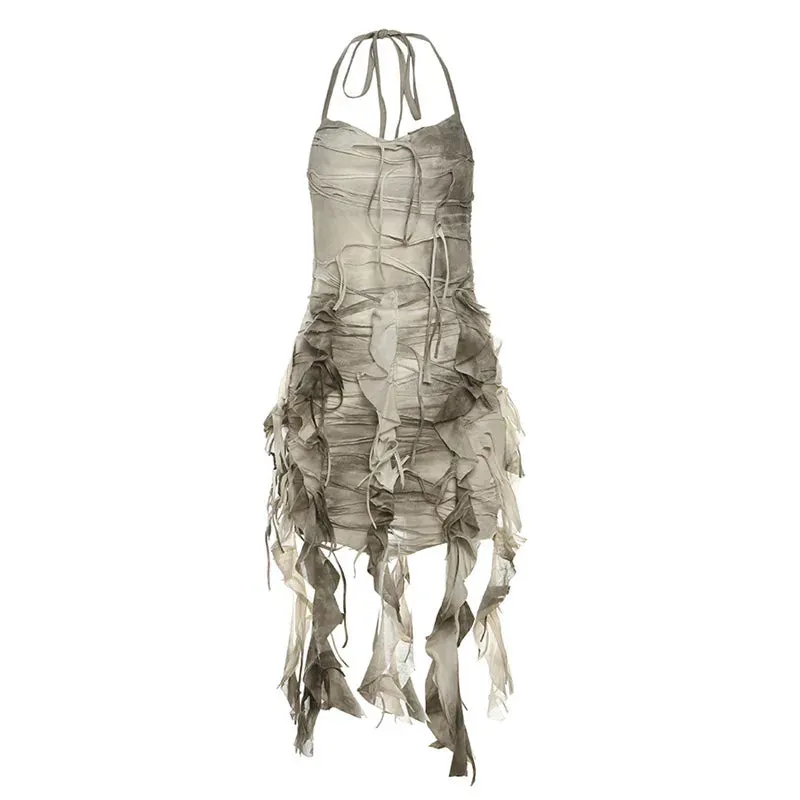
Dark mori kei takes the forest theme into twilight territory with charcoal, burgundy, and forest black tones, creating a more gothic woodland feel. If you’re drawn to the black and gold whimsigoth dress, you’re likely leaning into this darker cousin of traditional mori kei.
Silhouettes and Layering: How Each Style Builds an Outfit
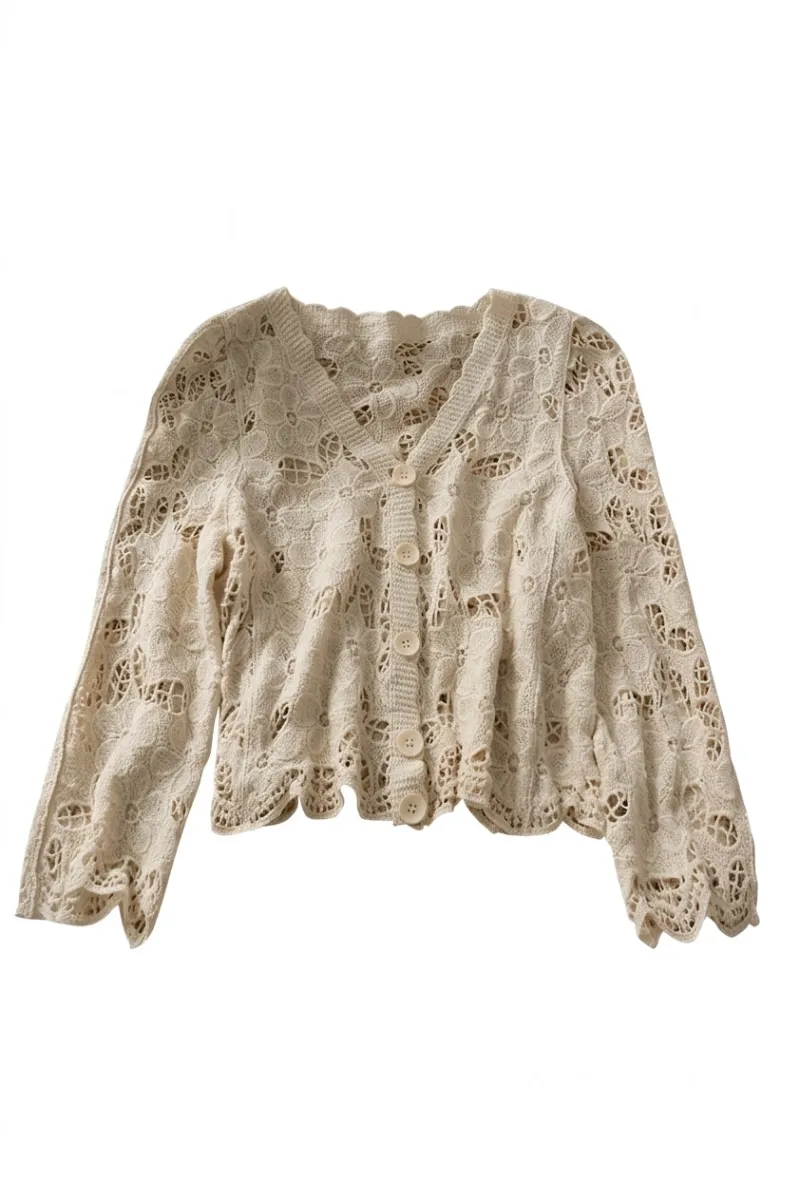
Mori kei clothing relies on asymmetry and abundant layering. You’ll pair a long tunic over a mori kei dress, add a vintage lace cardigan, toss on a knit shawl, and finish with thick tights and boots. The silhouette is deliberately shapeless and cocoon-like, as if you’ve wrapped yourself in the forest itself.
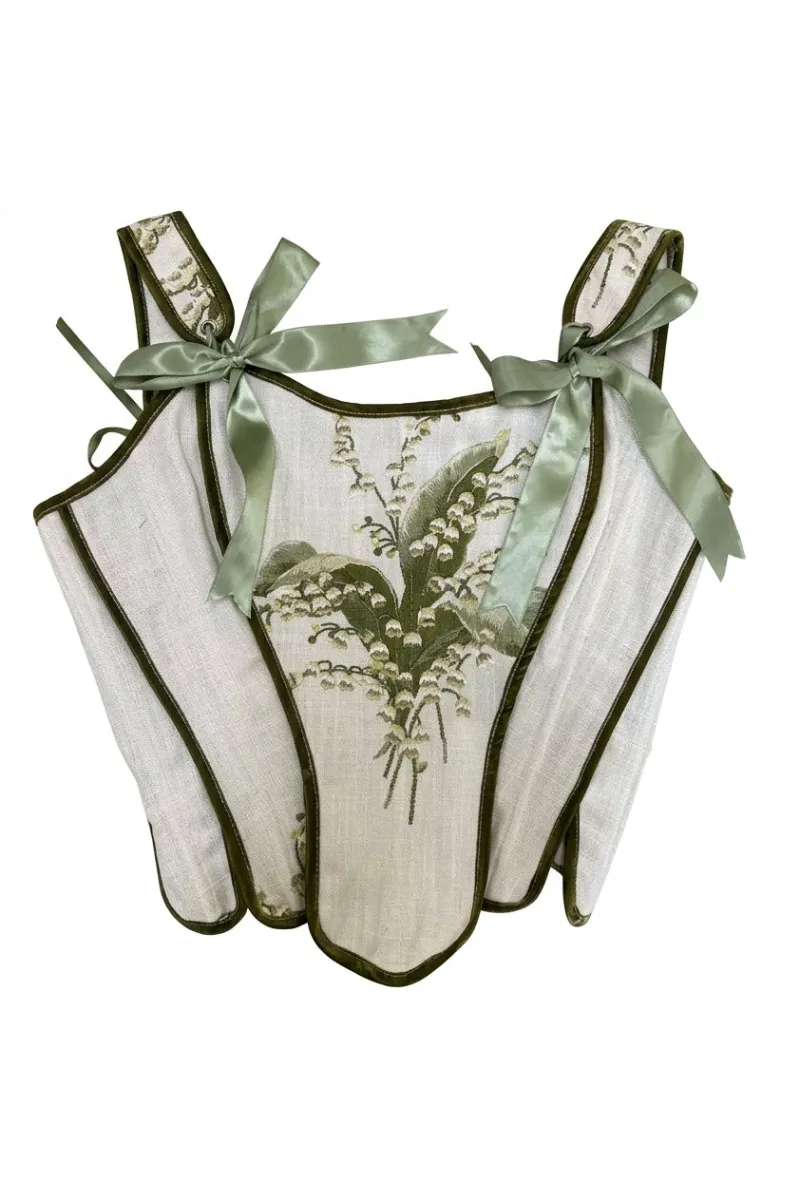
Cottagecore simplifies the layers. A single cottage core dress or fairy dress often stands alone, perhaps with a light apron or a single cardigan. The focus is on the dress’s details: embroidered hems, lace trim, puff sleeves, and cinched waists. An embroidered corset over a billowy blouse is quintessentially cottagecore, highlighting the waist rather than obscuring it.
Key Layering Differences
- Mori kei: 3 to 5 layers minimum, loose and flowing, no defined waist
- Cottagecore: 1 to 2 pieces, fitted bodice with full skirt, waist emphasis
- Fabrics: Mori favors linen, wool, and heavy cotton; cottagecore loves lightweight cotton, lace, and eyelet
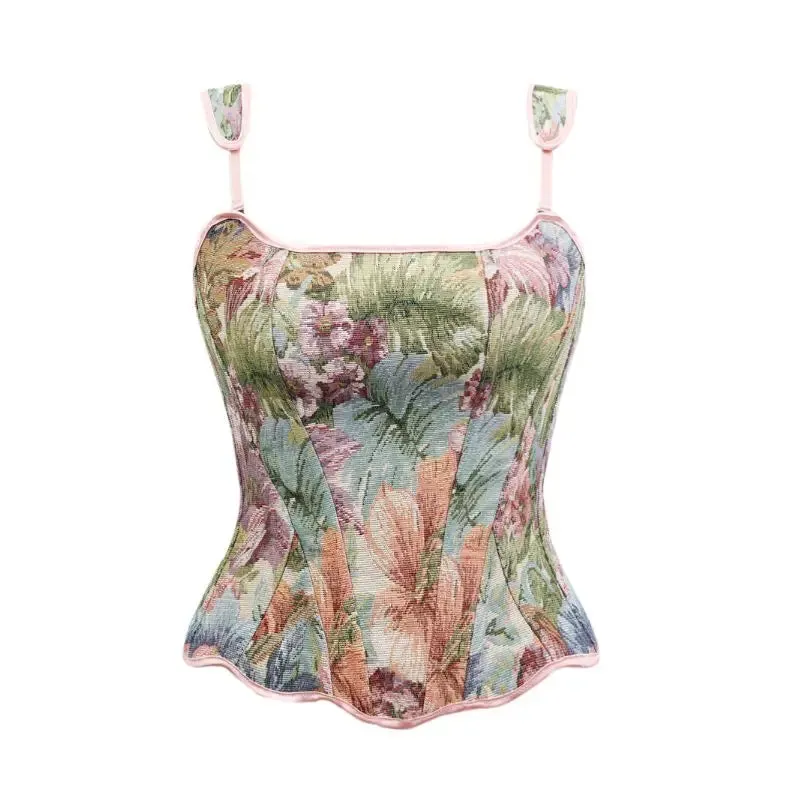
If you prefer comfort and hiding your shape, mori kei’s forgiving layers win. If you enjoy structured garments and showing your silhouette, cottagecore’s tapestry corset top or fitted bodices will suit you better.
Color Palettes and Prints: Earthy vs Romantic
Mori kei sticks to nature’s darker palette: forest green, mushroom beige, bark brown, dusty rose, and faded denim. Prints are minimal, often small florals, subtle stripes, or no pattern at all. The goal is to look like you’ve been wandering the woods for hours, gathering moss and lichen.
Cottagecore embraces brighter, softer tones: butter yellow, sage green, lavender, blush pink, and cream. Florals dominate, from tiny ditsy prints to bold sunflowers and daisies. A cottagecore floral dress can be cheerful and saturated in a way that mori kei rarely allows.
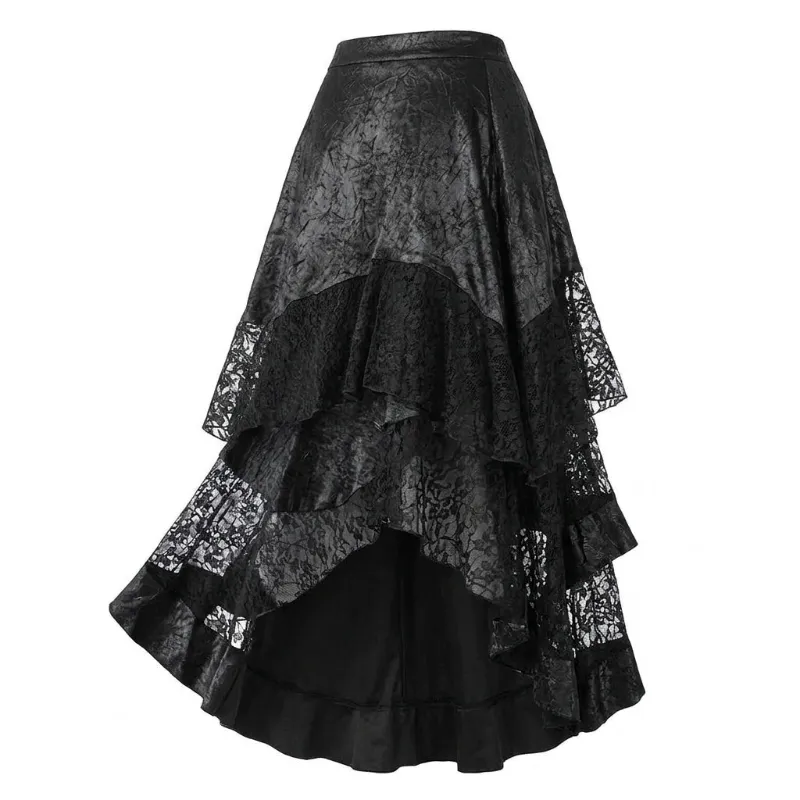
For a hybrid approach, choose muted florals in earth tones. A fairy skirt in dusty mauve with tiny wildflowers bridges both aesthetics without clashing. Check the latest styles and grab our discount code to mix and match at 12% off.
Who Should Choose Mori Kei vs Cottagecore?
Choose mori kei if you:
- Prefer androgynous or shapeless silhouettes
- Love layering and texture over tailoring
- Gravitate toward muted, earthy, or darker colors
- Want a more intellectual, introverted aesthetic
- Live in cooler climates where heavy layering makes sense
Choose cottagecore if you:
- Enjoy feminine, romantic silhouettes
- Prefer lighter fabrics and fewer layers
- Love pastels, florals, and brighter tones
- Want a nostalgic, pastoral vibe
- Live in warmer weather or prefer seasonally appropriate dressing
Blend both if you: appreciate nature-inspired fashion but want flexibility. Pair a cottage top with a long, layered skirt and earthy cardigan. Add an embroidered corset over a loose linen dress for structured cottagecore with mori kei texture. According to this mori kei shopping guide, thrift stores and vintage shops are goldmines for both styles, so you can experiment without committing to one aesthetic.
Styling Tips to Make Each Aesthetic Work
For Mori Kei
- Start with a neutral base layer (long slip or simple dress like the mori kei)
- Add a mid-length tunic or oversized sweater
- Layer a vintage lace cardigan or wool vest
- Finish with thick tights, leg warmers, and ankle boots
- Accessorize with handmade jewelry, fabric flowers, and woven bags
For Cottagecore
- Choose a statement dress (prairie dress or fairy dress)
- Add a single structured layer if needed (corset, apron, or cropped cardigan)
- Pair with Mary Janes, ballet flats, or low boots
- Accessorize with straw hats, ribbon headbands, and wicker baskets
- Keep makeup fresh and rosy (igari mori kei makeup techniques work here too, with their soft, flushed cheeks)
Both aesthetics reward natural fabrics and handmade or vintage pieces. Avoid synthetic sheens and overly modern cuts. If a garment looks like it could have existed 50 to 100 years ago, it probably fits one or both styles.
Where to Shop for Mori Kei and Cottagecore Pieces
The cottage core dress and corset embroidered options offer authentic vintage-inspired cuts without the thrift store hunt. For layering staples, the cottage top works beautifully under both mori kei cardigans and cottagecore pinafores.
Head to our discount code page to see current pricing and save 12% sitewide. We update the codes regularly, so you’ll always get the best deal on authentic pieces.
For deeper dives into mori kei history and styling, this beginner’s guide walks through the evolution of the aesthetic and how it’s adapted beyond Japan.
Mixing Mori Kei and Cottagecore Without Looking Confused
The two aesthetics share enough DNA that blending them feels natural. Focus on these common threads:
- Nature inspiration: forests, fields, wildflowers, and rustic life
- Vintage silhouettes: nothing aggressively modern or synthetic
- Soft, tactile fabrics: linen, cotton, wool, lace
- Handmade or artisan details: embroidery, crochet, natural dye
Avoid clashing by keeping your color story consistent within each outfit. If you’re layering a muted olive mori kei dress with a cottagecore embroidered corset, choose a corset in cream or taupe rather than pastel pink. If you’re adding a fairy skirt under a dark mori kei tunic, keep the skirt in a dusty, muted floral rather than bright daisies.
The key is intentionality. Both styles reject fast fashion and celebrate slow, thoughtful dressing. Whether you lean into the shadowy forest of mori kei or the sunlit meadow of cottagecore, your wardrobe should feel personal, not costumey.
Questions
Can I wear mori kei in summer without overheating?
Yes, choose lightweight linen or cotton layers and skip the wool. A sleeveless tunic over a loose dress with a single cotton cardigan keeps the layered mori kei aesthetic without the bulk. Focus on breathable natural fabrics and leave your legs bare or wear thin tights.
What's the difference between dark mori kei and regular mori kei?
Dark mori kei uses the same layered, forest-inspired silhouettes but shifts the palette to charcoal, burgundy, black, and deep forest tones. It has a more gothic or twilight woodland feel compared to the softer earth tones of traditional mori kei.
Are corsets too structured for mori kei clothing?
Traditional mori kei avoids structured corsets because the aesthetic prioritizes loose, flowing layers. However, an embroidered corset works beautifully for cottagecore or a mori kei/cottagecore hybrid if you pair it with soft, billowy layers underneath.
Do I need to thrift to get authentic mori kei or cottagecore pieces?
No, though thrifting helps you find unique vintage textures. Many retailers now offer authentic cottagecore and mori kei inspired dresses, skirts, and tops with the right fabrics and cuts. Focus on natural materials and vintage-inspired silhouettes rather than where you buy.
Can I mix a prairie dress with mori kei layers?
Absolutely. A prairie dress in muted tones works as a base layer under mori kei cardigans, tunics, and shawls. Keep the color palette earthy and add texture through wool, linen, or lace layers to bridge the two aesthetics.
What shoes work for both mori kei and cottagecore?
Ankle boots in brown or tan leather work for both styles. Mary Janes and vintage-inspired lace-up boots also bridge the two aesthetics. Avoid modern sneakers or anything with synthetic shine.
Products in this guide
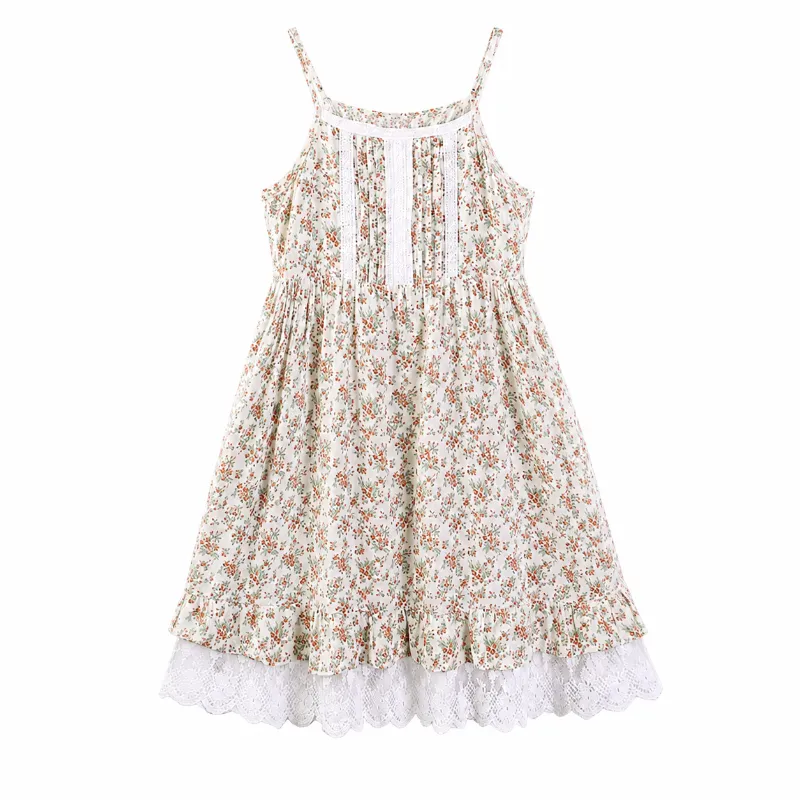
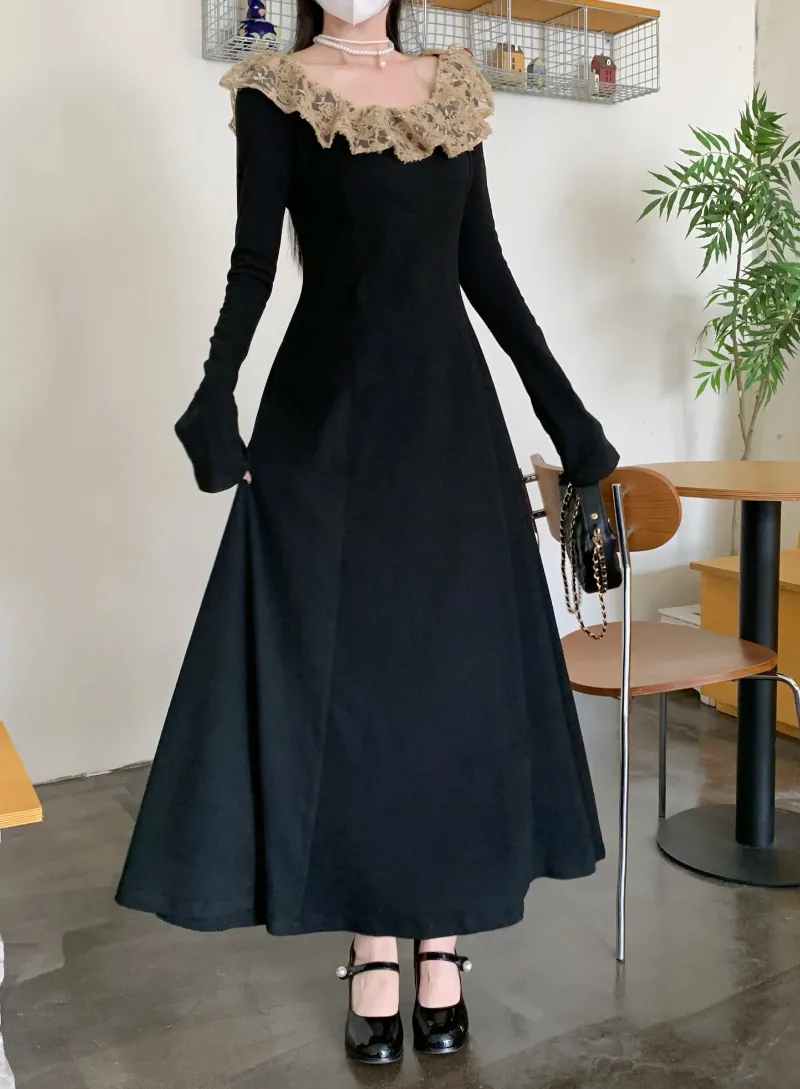
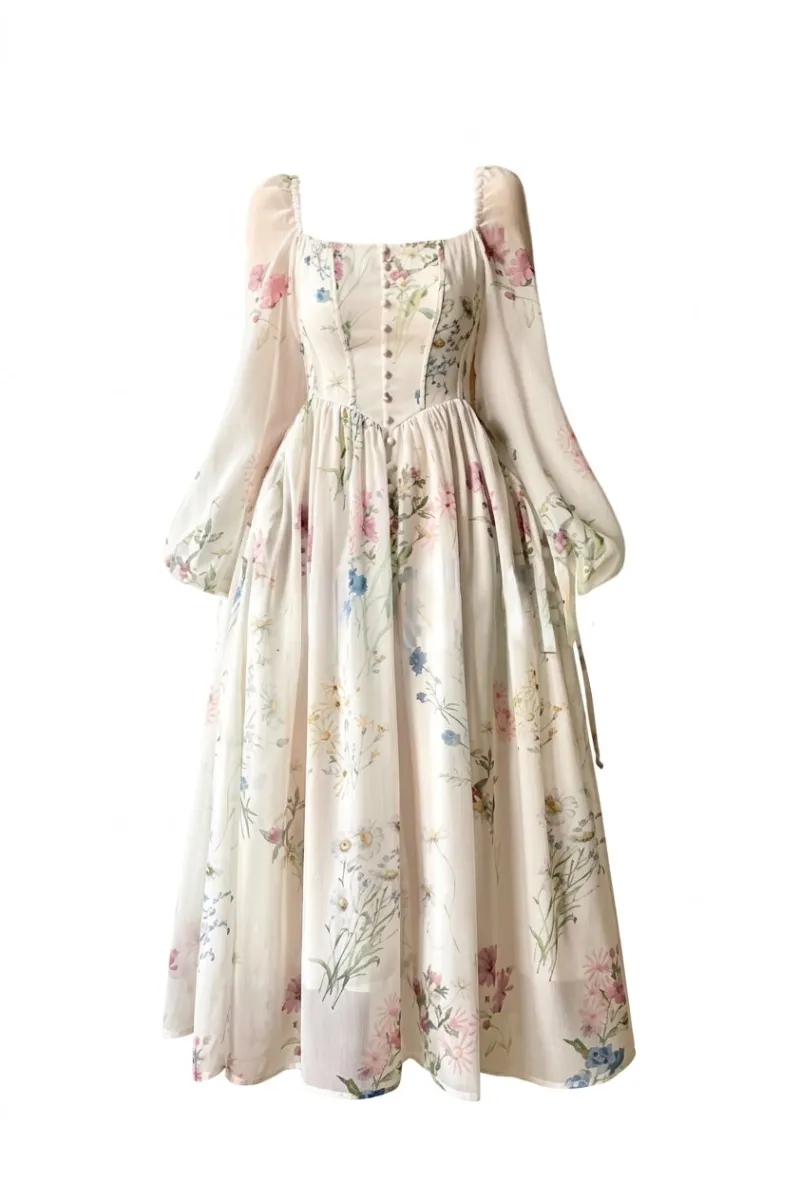
 Shopping at Сottagecore clothes? See the discount code
12% OFF Sitewide
Shopping at Сottagecore clothes? See the discount code
12% OFF Sitewide
More in this series
What Makes a Whimsigoth Dress Different From Gothic Style?8 Sep 20264 minHow Long Do Vintage Lace Cardigans Last With Regular Wear?8 Sep 20264 minBest Cottagecore Tops to Pair With Vintage Skirts and Jeans8 Sep 20265 minDo Embroidered Corsets Need Special Care? Washing and Storage Tips8 Sep 20264 minHow to Style a Prairie Dress for Every Season8 Sep 20264 min