 A CA-RIO-CA Sunga guide
Sterling Silver Sideways Cross Necklace vs. Gold: Which Lasts Longer?
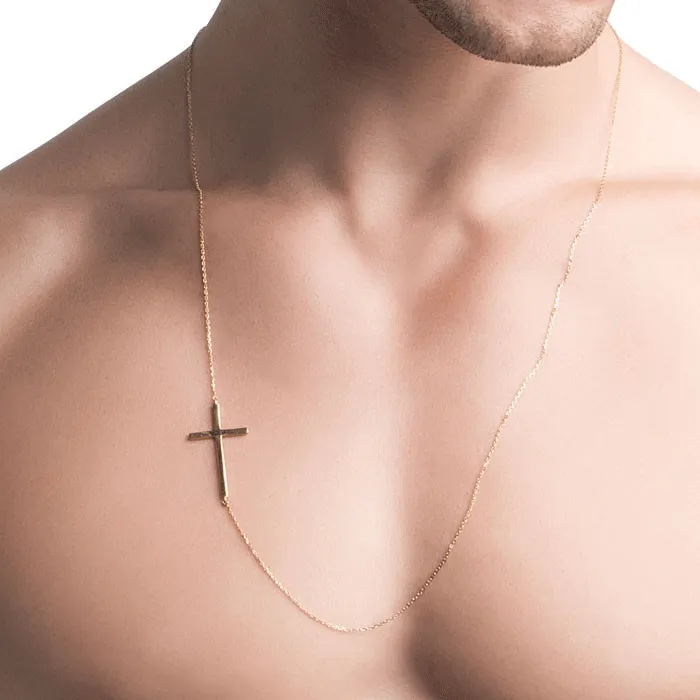
A sterling silver sideways cross necklace offers durability and elegance, but how does it stack up against gold in real-world wear.
A sterling silver sideways cross necklace offers durability and elegance, but how does it stack up against gold in real-world wear. Both metals have devoted fans, and each comes with trade-offs in longevity, maintenance, and cost.
Sterling Silver vs. Gold: Metal Breakdown
The sterling silver sideways cross necklace you find at most retailers is 92.5% pure silver mixed with copper or other alloys for strength. Gold chains (whether 10k, 14k, or white gold) contain a smaller percentage of pure gold (58% to 75%) blended with stronger metals. This difference shapes how each performs over time.
Sterling silver is softer than most gold alloys, which means it can scratch and dent more easily with daily wear. However, sterling silver is also less likely to develop the micro-fractures that gold sometimes does under stress. Gold’s hardness works in its favor for resisting scratches, but that same rigidity can make it brittle in thinner chains.
Which Metal Lasts Longer
If longevity is your main concern, 14k gold typically outlasts sterling silver in daily-wear necklaces. Gold doesn’t tarnish, corrode, or require polishing to maintain its shine. A gold sideways cross necklace worn for decades will look nearly identical to when you bought it, minus the inevitable cosmetic wear.
Sterling silver, by contrast, will tarnish over time, especially if exposed to moisture, air, and skin oils. This doesn’t mean it fails or breaks; tarnish is a surface layer that polishing removes. But maintaining a sterling silver necklace requires regular cleaning and proper storage, typically every few weeks if you wear it daily.
That said, sterling silver is more repairable. If a chain breaks or a clasp fails, a jeweler can rehab it for far less than a gold repair. And if your sterling silver sideways cross necklace gets damaged beyond use, the metal itself retains scrap value.
Tarnish and Maintenance
Tarnish is sterling silver’s biggest maintenance burden. It forms when silver reacts with sulfur compounds in the air and on skin. The more you wear your necklace, the faster tarnish builds. A sterling silver sideways cross necklace worn daily might need polishing every 2-4 weeks; one worn occasionally might need it several times a year.
Cleaning is simple: use a soft cloth, a silver dip, or mild soap and warm water. Avoid harsh chemicals and rough scrubbing, which can scratch the finish. Store it in a dry, airtight container or resealable bag to slow tarnish when you’re not wearing it.
Gold requires no such fussing. A light wipe with a soft cloth keeps it bright, and it won’t tarnish no matter how long it sits unworn. For people with sensitive skin, gold is also the safer choice, some folks react to the copper in sterling silver alloys.
| Metal | Tarnish Risk | Maintenance | Durability | Cost |
|---|---|---|---|---|
| Sterling Silver | High | Regular polishing needed | Good with care | Lower |
| 14k Gold | None | Occasional wiping | Excellent | Higher |
| 10k Gold | None | Occasional wiping | Good | Moderate |
| White Gold | Low | Occasional polishing | Excellent | Higher |
Sterling Silver Sideways Cross Necklace for Women
A sideways cross necklace for women sits horizontally on the chest, creating a delicate, modern look compared to the traditional vertical cross. Sterling silver suits this style especially well because the bright, cool tone of the metal enhances the understated elegance of a horizontal orientation.
If you wear your necklace daily (to work, gym, or outdoors) sterling silver holds up reasonably well if you’re committed to cleaning it. Many people choose a sterling silver sideways cross necklace specifically for its lower price point, then upgrade to gold later if they want a no-maintenance option. Others stick with sterling silver for life and accept the polishing ritual as part of ownership.
Cost and Long-Term Value
Sterling silver is typically 60-70% cheaper than comparable 14k gold. A sterling silver sideways cross necklace might cost $50-150, while a 14k gold version runs $150-400 or more. Over a decade, the maintenance cost of sterling silver polishing supplies is minimal, maybe $20-50 total. So financially, sterling silver can be the better deal if you don’t mind the upkeep.
Gold, however, doesn’t depreciate in the way sterling silver does. If you ever need to sell or scrap it, gold retains 80-90% of its metal value. Sterling silver typically only fetches 30-50% of its market price as scrap. For heirloom pieces, gold is the investment; for everyday wear on a budget, sterling silver is the practical choice.
Who Should Choose Sterling Silver vs. Gold
Choose sterling silver sideways cross necklace if you prefer lower upfront cost, like the bright white tone of pure silver, or enjoy the ritual of polishing. It’s ideal for people who rotate their jewelry and don’t mind maintenance.
Choose gold (especially 14k) if you want zero tarnish, minimal maintenance, and a necklace that will look pristine for decades. White gold offers gold’s durability with a similar aesthetic to sterling silver, though it requires occasional replating to maintain its bright finish.
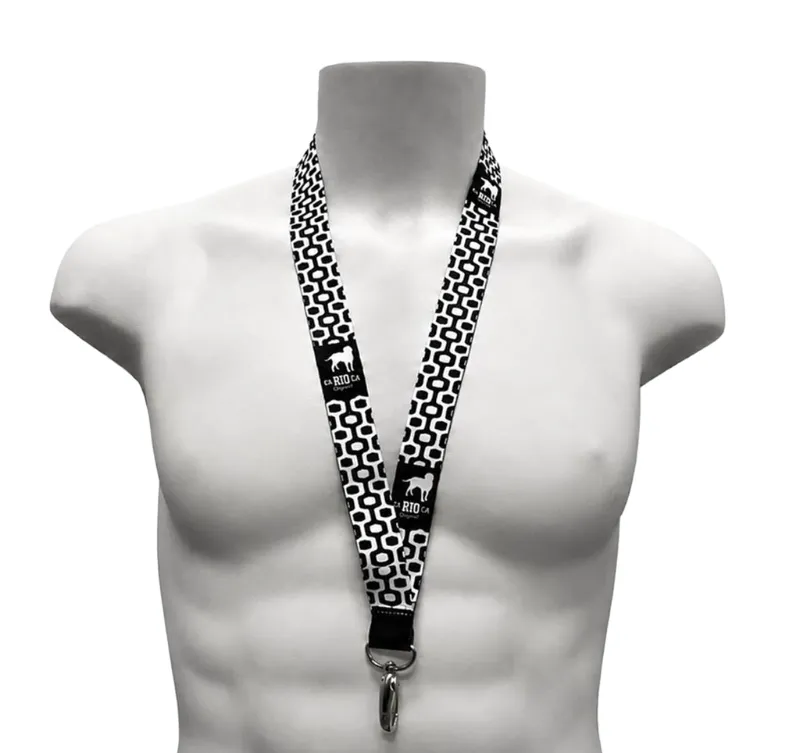
If you’re exploring necklaces alongside other jewelry, CA-RIO-CA also carries keychain necklace options and other pieces worth browsing. Check the latest price and grab our 10% discount on all orders when you’re ready to shop.
The Bottom Line
Sterling silver sideways cross necklaces are a smart, affordable choice for fashion-forward wear and everyday elegance, as long as you’re willing to polish it regularly. Gold lasts longer without maintenance and retains its shine indefinitely, making it the best pick for heirloom pieces or people who prefer set-it-and-forget-it jewelry. Neither is objectively superior; your choice depends on whether you value lower cost and silver’s cool tone, or gold’s permanence and ease.
For deeper comparisons between gold options, resources like Kay Outlet’s diamond sideways cross necklace in sterling silver and Helzberg’s cross pendant guide provide additional specs and styling ideas.
Questions
How often do I need to polish a sterling silver sideways cross necklace?
If you wear it daily, plan on polishing every 2-4 weeks. Occasional wearers might polish a few times a year. Proper storage in a sealed bag slows tarnish and reduces the frequency needed.
Does gold last longer than sterling silver?
Yes, 14k gold lasts longer without maintenance because it doesn't tarnish or corrode. Sterling silver will tarnish over time and requires regular cleaning, though it's more repairable if damaged.
Can I wear a sterling silver sideways cross necklace in the shower or pool?
Technically you can, but it's not ideal. Chlorine and saltwater accelerate tarnish and can weaken the metal. Rinse it immediately after exposure and dry thoroughly.
Why is white gold more expensive than sterling silver?
White gold contains a much higher percentage of actual gold (58-75% depending on karat) mixed with stronger alloys, whereas sterling silver is only 92.5% silver. Gold's rarity and value make it pricier.
Is sterling silver hypoallergenic?
Sterling silver usually is, but some people react to the copper alloy mixed in. Pure silver (which would be too soft for jewelry) is hypoallergenic. If you have sensitive skin, test it first or choose gold.
What's the meaning behind a sideways cross necklace?
A sideways cross represents faith in a modern, understated way. The horizontal orientation gives it a contemporary feel while keeping the spiritual significance of the cross symbol.
Products in this guide
Shopping at CA-RIO-CA Sunga? See the discount code
10% OFF All Orders
More in this series
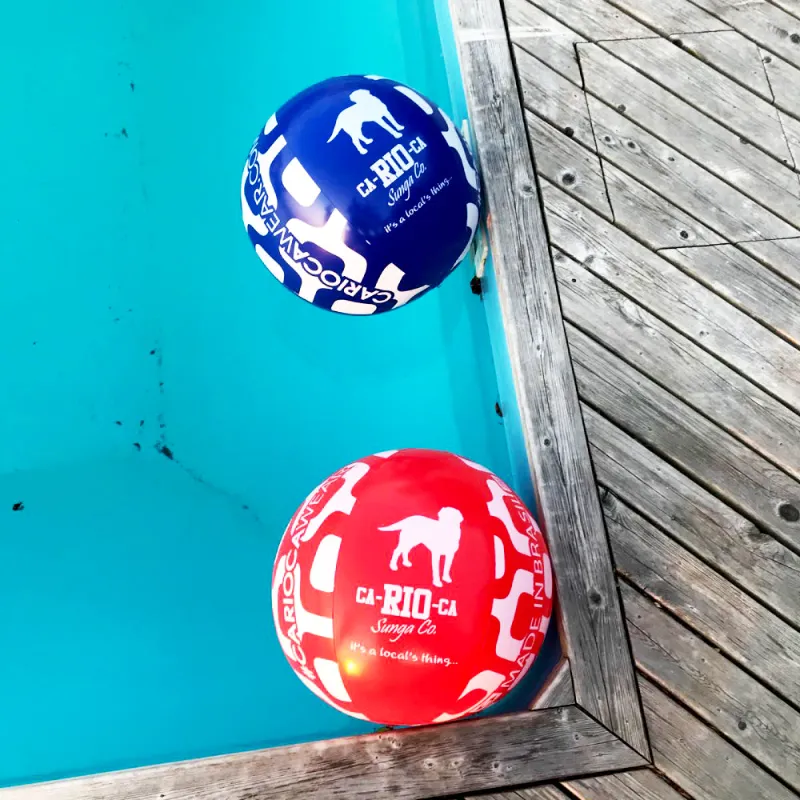 Beach Ball Durability Guide: Pelota De Playa and Standard Inflatable Comparison26 Aug 20264 min
 Why Brazilian Sunglasses Are Worth the Investment: UV Protection and Longevity26 Aug 20264 min
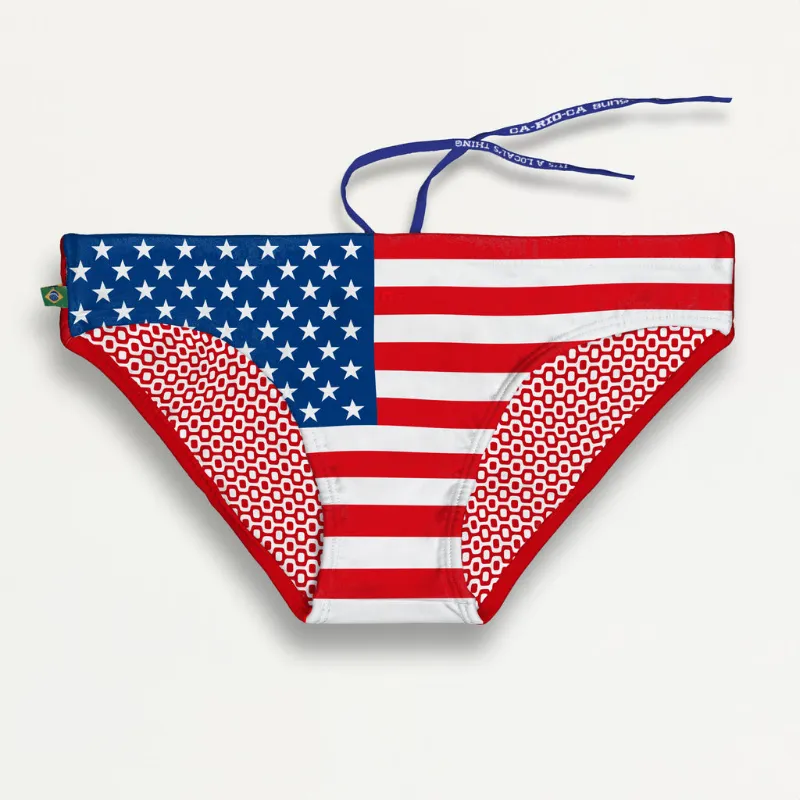 What Makes an American Flag Bathing Suit Resist Fading?26 Aug 20264 min
 How to Care for Your Brazilian Canga: Washing, Drying, and Storage Tips26 Aug 20263 minBrazilian Bikinis for Beach Season: How to Choose the Right Cut and Fit26 Aug 20264 min