 A CA-RIO-CA Sunga guide
Beach Ball Durability Guide: Pelota De Playa and Standard Inflatable Comparison
A red beach ball's durability depends on construction materials and design, with pelota de playa balls and standard inflatables offering different tradeoffs for pool, ocean, or casual play.
A red beach ball’s durability depends heavily on its construction, materials, and intended use. Whether you’re choosing a traditional pelota de playa or a standard inflatable, understanding what makes each one last will help you pick the right option for your needs and budget.
Material Construction: What Makes a Red Beach Ball Last
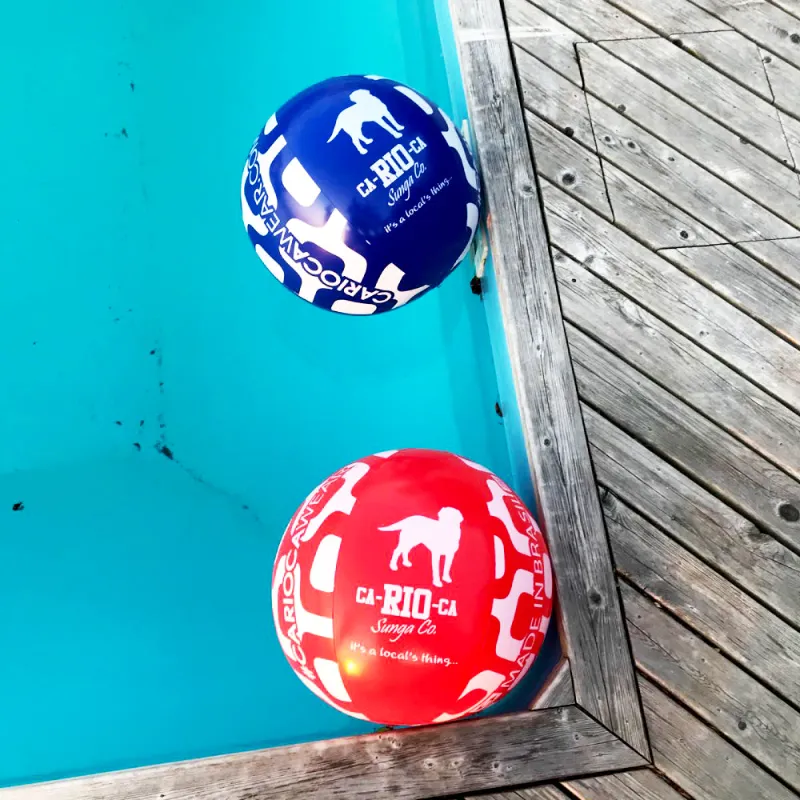
The core difference between a durable red beach ball and one that fails quickly comes down to the vinyl or PVC used. Most standard beach balls use thin gauge vinyl (around 0.25 to 0.3mm), which is lightweight and affordable but prone to punctures and UV degradation. The pelota de playa and similar regional styles often feature thicker, more flexible rubber compounds that resist cracking in sun and salt water.
Look for these material markers when comparing options:
- Vinyl thickness: Thicker gauge (0.4mm or higher) resists punctures better
- UV stabilizers: Protect against fading and brittleness from sun exposure
- Seam reinforcement: Double-stitched or welded seams hold up longer than single-seam designs
- Flexibility: Quality rubber stays pliable in heat without becoming sticky
A red beach ball made with premium vinyl will tolerate accidental impacts, sand abrasion, and chlorine exposure far better than budget alternatives.
Pelota De Playa vs Standard Inflatables: Durability Comparison
The pelota de playa is built from the ground up as a casual play ball, often with softer rubber and less reliance on high air pressure. Standard inflatables, by contrast, rely on tight air pressure to hold their shape, which means a small leak or valve failure can deflate them quickly.
| Feature | Pelota de Playa | Standard Inflatable |
|---|---|---|
| Typical lifespan | 2-3 seasons with care | 1-2 seasons typical |
| Repair ease | Patches work well | Patch adhesion can fail |
| UV resistance | Generally better | Varies by brand |
| Pressure dependence | Low | High |
| Cost | Mid-range | Budget to mid-range |
A red beach ball in the standard inflatable category will feel firmer and bounce higher initially, but that firmness also means stress concentrates at seams and the valve. The softer pelota de playa distributes stress more evenly, reducing sudden failures.
Sun and Water Exposure: How Your Beach Ball Ages
One of the fastest ways a red beach ball degrades is through UV exposure and chemical contact. Salt water, chlorine, and intense sun all break down vinyl and rubber over time. Premium materials resist this better, but even they need care.
- Salt water: Rinse after ocean play to prevent salt crystals from embedding in vinyl
- Chlorine: Chlorine pools are gentler than salt, but still fade and degrade cheaper vinyl faster
- UV rays: UVA and UVB damage the surface and underlying material, making the ball brittle and cracked
- Heat: Extreme temperatures make vinyl sticky or stiff, accelerating wear
A pelota de playa tends to handle this environmental stress better because its rubber construction has built-in UV absorbers. Standard inflatables, especially the thin colored balls, can fade to pale pastels or develop cracks within a season of heavy use.
Punctures, Leaks, and Repairability
The real test of a red beach ball’s durability is how well it handles damage and whether you can actually fix it. A pinhole leak in a standard inflatable often kills the ball because the patch won’t stick reliably to thin, slick vinyl. The pelota de playa accepts patches more readily thanks to its rougher, more absorbent surface.
When comparing durability:
- Puncture resistance: Thicker gauge hides small punctures better; it absorbs impacts without tearing
- Patch adhesion: Textured surfaces hold vinyl patches longer than smooth, glossy finishes
- Valve quality: A reinforced valve reduces the risk of slow leaks at the seam where air enters
- Air retention: A quality ball loses less than 2% pressure per week; cheap ones lose 5-10%
If your red beach ball gets a slow leak, you’ll know within days with a premium ball, allowing time to patch before it’s completely flat. Budget inflatables can leak for weeks, making them seem fine until they’re unusable.
Who Should Choose Which
A standard inflatable red beach ball works for casual poolside use or a single summer. It’s lightweight, affordable, and fine if you’re not attached to it long-term. Check the latest price on our CA-RIO-CA store for current offers.
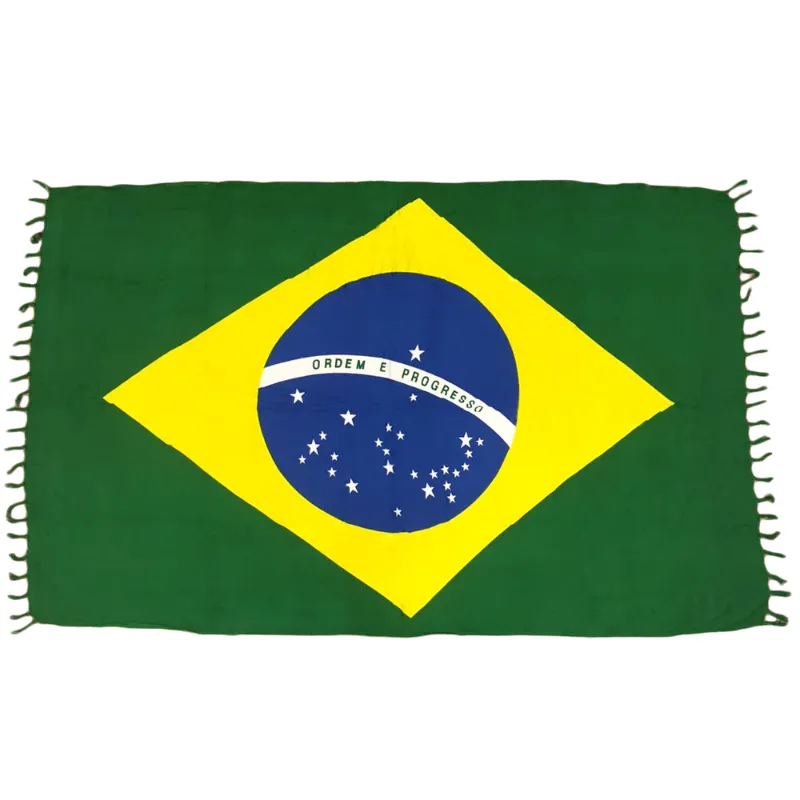
The pelota de playa is better for serious beach players, families who use the ball repeatedly, or anyone in a hot, sunny climate. It costs more upfront but lasts 2-3 times longer, making it cheaper per season. If you pair it with beach-ready brazilian canga towels and brazilian sunglass for sun protection, you’re building a durable beach kit.
For coastal holidays or vacation rentals where durability matters, a quality red beach ball will outlast cheaper options by years. The pelota de playa is the choice for serious use.
Care Tips to Extend Your Beach Ball’s Life
Even a well-made red beach ball needs basic care to reach its full lifespan. Store it out of direct sun when not in use, rinse it after salt water or chlorine exposure, and patch small leaks immediately before they grow.
- Keep the valve tight and free of sand
- Store inflated or partially inflated, never completely flat
- Avoid storing in extreme heat or direct sunlight for weeks at a time
- Use a vinyl protectant spray seasonally if you use the ball year-round
Grab the code for 10% off all orders at CA-RIO-CA and invest in quality gear that lasts.
Questions
How long does a red beach ball typically last?
A quality red beach ball or pelota de playa lasts 2-3 seasons with normal use and proper care. Budget inflatables often fail within 1-2 seasons due to thin vinyl and cheap valve construction.
Can you repair a puncture in a pelota de playa?
Yes, the textured rubber surface of a pelota de playa accepts vinyl patches much better than smooth inflatables. Clean the area, let adhesive set properly, and most patches hold for the ball's remaining life.
What's the best way to store a red beach ball during winter?
Store it partially or fully inflated in a cool, dark place away from direct sunlight. Avoid completely deflating it for months, as the creases can become permanent and weak points.
Do colored beach balls like red fade faster than other colors?
Red and other bright colors fade faster under UV exposure than white or pastels, but premium vinyl with UV stabilizers holds color much longer than budget alternatives regardless of shade.
Is a pelota de playa worth the extra cost over a standard inflatable?
If you use your beach ball multiple times per season or live in a sunny climate, yes. The improved durability, easier repairability, and better material quality make it cheaper per season over time.
Should I rinse my red beach ball after salt water use?
Absolutely. Salt crystals can embed in vinyl and degrade it from the inside out. A quick rinse with fresh water after beach play significantly extends the ball's lifespan.
Products in this guide
Shopping at CA-RIO-CA Sunga? See the discount code
10% OFF All Orders
More in this series
 Why Brazilian Sunglasses Are Worth the Investment: UV Protection and Longevity26 Aug 20264 min
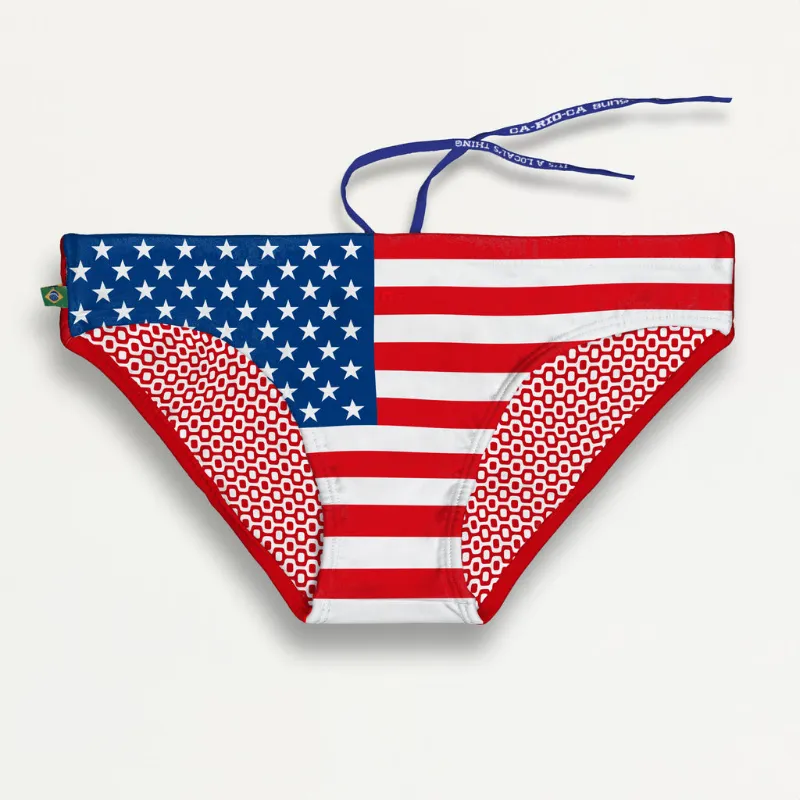 What Makes an American Flag Bathing Suit Resist Fading?26 Aug 20264 min
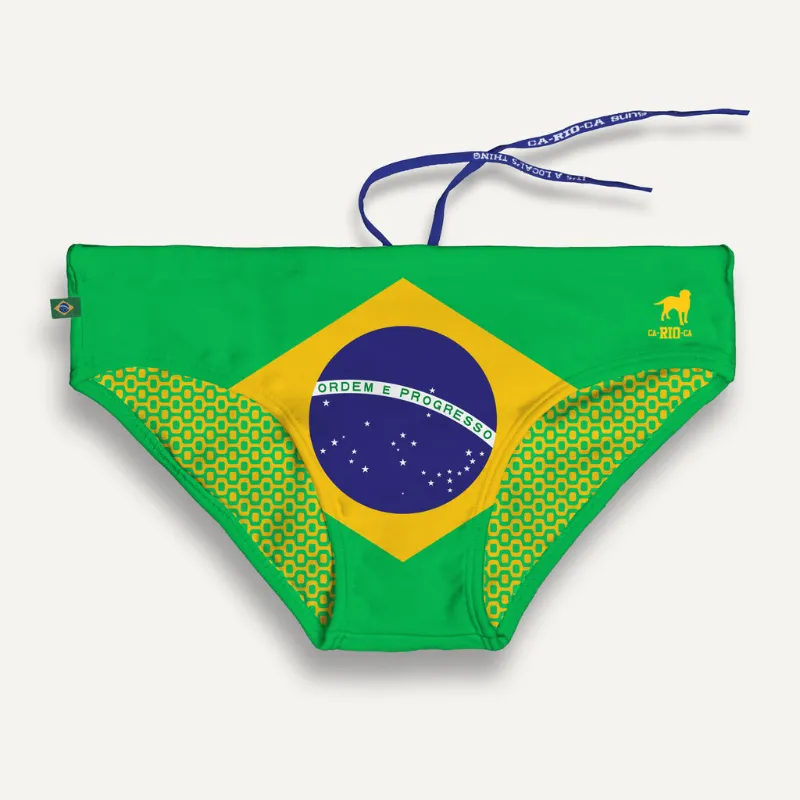 How to Care for Your Brazilian Canga: Washing, Drying, and Storage Tips26 Aug 20263 min
 Sterling Silver Sideways Cross Necklace vs. Gold: Which Lasts Longer?26 Aug 20264 minBrazilian Bikinis for Beach Season: How to Choose the Right Cut and Fit26 Aug 20264 min