 A T SUN Lighting guide
Why Your Solar Mushroom Lights Stopped Working and How to Fix Them
Troubleshoot your solar mushroom lights with our step-by-step guide covering battery swaps, solar panel cleaning, sensor fixes, and placement tips.
Solar mushroom lights add a whimsical, warm glow to gardens and pathways, but when they stop working, it is usually a simple fix rather than a total failure. Here is how to troubleshoot and repair your solar mushroom lights step by step.
Why Your Solar Mushroom Lights Stopped Working
The most common culprit is the rechargeable battery. These lights ship with NiMH or NiCd cells that lose capacity after one to two seasons. If your lights flicker, stay dim, or do not turn on at all, start with the battery. Pop the cap off the stem, remove the old AA or AAA cell, and replace it with a fresh high-capacity NiMH rechargeable (850 mAh or higher). Standard alkaline batteries will not work because they are not designed for the trickle-charge cycle.
Dirty solar panels are a close second. A thin layer of dust, pollen, or spider silk can cut charging efficiency by 50 percent or more. Wipe the panel with a damp microfiber cloth every few weeks, especially during dry or high-pollen seasons. For stubborn grime, use a drop of mild dish soap and rinse thoroughly.
How to Clean and Maintain the Solar Panel and Sensor
The solar panel sits on top of the mushroom cap and needs direct sunlight for 6 to 8 hours to charge fully. If your lights are under a porch, beneath dense foliage, or facing north, they will never reach full charge. Relocate them to a spot that gets unobstructed southern or western sun.
For mushroom solar lights with an auto sensor (the small eye near the panel), make sure the sensor is not blocked by dirt or debris. A blocked sensor can trick the light into staying off during the night. Clean the sensor gently with a cotton swab dipped in rubbing alcohol.
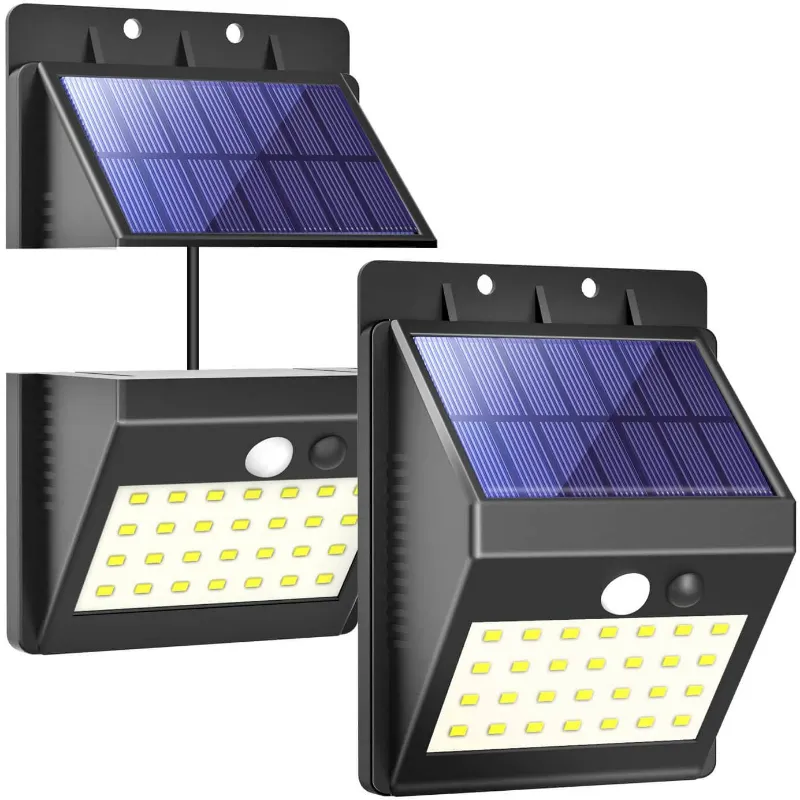
If you own aloftsun solar motion sensor lights, check the motion detection range as well. Sometimes a shifted sensitivity dial or a nearby heat source (like a vent or grill) can cause false triggers or no triggers at all.
Battery Replacement and Upgrade Options
We recommend swapping batteries every 12 to 18 months for consistent performance. When you open the battery compartment, take note of the polarity markings (usually a spring for negative, a flat contact for positive). Insert the new cell exactly as the old one sat.
If you are upgrading from standard 600 mAh cells to 1000 mAh or higher, your lights may run longer into the night, but only if the solar panel can replenish the larger capacity during the day.
For a more permanent solution, consider pairing your path lights with solar string lights or solar outdoor string lights for layered illumination. The string lights use the same battery-and-panel system but with a longer run time thanks to larger panels.
Placement Tips for Maximum Sunlight
Where you install your solar mushroom lights outdoor determines whether they thrive or fade. Here are our placement rules:
- Avoid north-facing walls, dense tree canopies, and shaded corners.
- Keep the panel at least 12 inches away from other plants so leaves do not cast moving shadows.
- Angle the cap slightly south if the stake is on a slope.
- In winter, the sun sits lower, so move lights closer to the house or south-facing fence line.
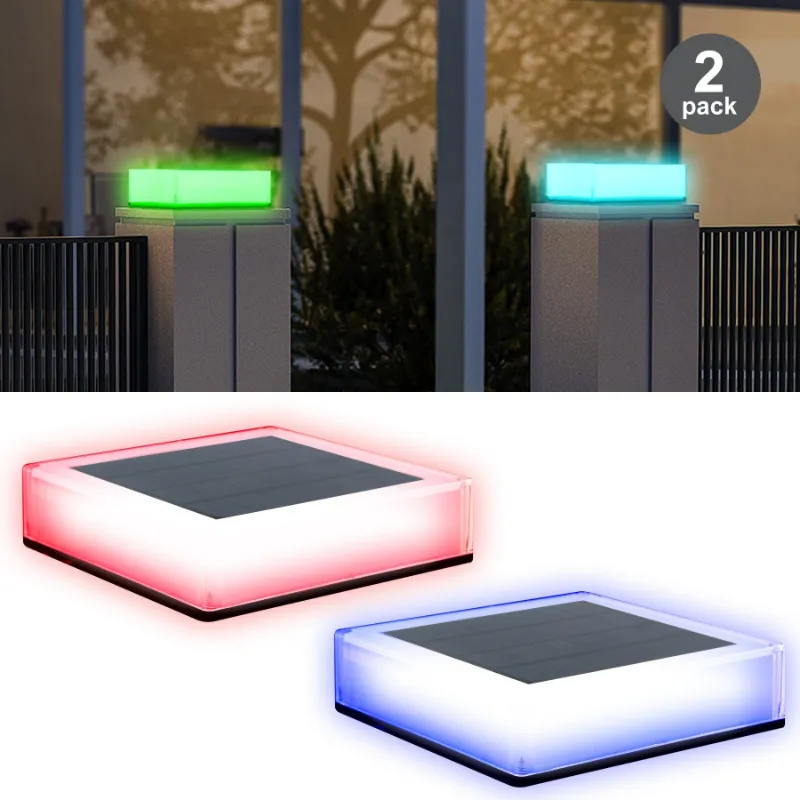
If you need to light a fence line or deck railing, outdoor solar fence lights and fence solar lights outdoor are a better fit because they mount vertically and catch more sidelight. For taller posts, solar post cap lights or solar post lights 4×4 sit on top of 4×4 posts where they get full overhead sun.
When the Switch or Wiring Is the Problem
Some solar mushroom lights have a manual ON/OFF switch hidden under the cap or inside the stem. If the switch is in the OFF position, the light will not charge or turn on. Slide it to ON and test again.
For units that still do not respond, inspect the thin wires connecting the panel to the LED board. Sun exposure and moisture can corrode the solder joints. A quick dab of dielectric grease on the contacts can prevent future corrosion. If a wire has snapped, you can solder it back, but it is often easier to replace the whole unit.
For a more durable option, solar powered spot lights and solar spotlight models use sealed wiring and larger panels that withstand rain and snow better than small mushroom units.
Comparing Solar Mushroom Lights to Other Options
Not sure whether to stick with mushrooms or switch to a different style? This table breaks down the trade-offs:
| Feature | Solar Mushroom Lights | Solar Post Cap Lights | Solar String Lights |
|---|---|---|---|
| Best for | Garden beds, borders, pathways | Decks, fences, 4×4 posts | Patios, pergolas, railings |
| Panel size | Small (2-3 in) | Medium (3-4 in) | Small to medium per bulb |
| Typical run time | 6-8 hours | 8-10 hours | 6-12 hours |
| Battery type | 1x AA/AAA NiMH | 1-2x AA NiMH | 1x AA per bulb or built-in |
| Replacement ease | Easy | Easy | Moderate |
If you want large solar mushroom lights for a statement look, check the battery compartment first, bigger caps often house larger batteries that need more sun.
Where to Buy with Our Discount Code
For replacement lights, upgrades, or a full set of solar mushroom lights, we point readers to T SUN Lighting. Their current offer is 20 percent off all orders. You can grab the code before you check out.
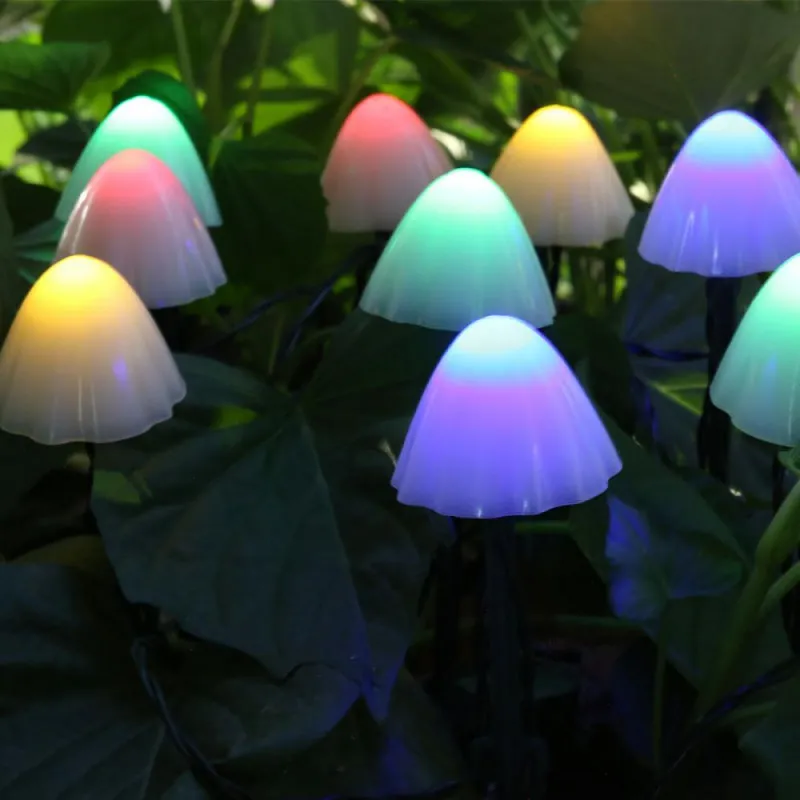
If you want to mix styles, we also recommend the solar mushroom lights from their garden collection, the croc lights for playful color accents, and the solar post cap lights for a polished deck look. Each product ships with the correct batteries pre-installed, so you can troubleshoot less and enjoy more. For current pricing on any item, check the latest price on the store page.
Final Checks Before You Throw Them Away
Before you toss a nonworking light, run through this quick checklist:
- Battery: fresh NiMH, correct polarity, contact springs clean.
- Panel: clean, unobstructed sun 6+ hours daily.
- Sensor: clean, facing the right way, not blocked.
- Switch: set to ON.
- Wiring: no visible breaks or corrosion.
Most of the time, one of these steps brings your solar mushroom lights back to full brightness. And if you are ready to upgrade, the T SUN lineup gives you a reliable, tested alternative that will last longer with less fuss.
Questions
Why did my solar mushroom lights stop working after a few months?
The most common reason is the rechargeable battery losing capacity. Swap the old NiMH or NiCd cell for a fresh 850 mAh or higher NiMH battery. Also clean the solar panel with a damp cloth, as dust buildup can cut charging by 50 percent.
Can I use regular alkaline batteries in my solar mushroom lights?
No. Alkaline batteries are not designed for the trickle-charge cycle used in solar lights. They can leak or fail within a few weeks. Always use NiMH rechargeable batteries.
How do I clean the sensor on my solar mushroom lights?
Find the small sensor eye near the solar panel. Wipe it gently with a cotton swab dipped in rubbing alcohol. Make sure no dirt or spider silk is blocking the sensor, as that can keep the light off at night.
What is the best placement for solar mushroom lights to get enough sun?
Place them in a spot that gets 6 to 8 hours of direct, unobstructed sunlight. Avoid north-facing walls, dense tree cover, and shaded corners. Angling the cap slightly south on a slope can help.
How often should I replace the batteries in my solar mushroom lights?
We recommend swapping the batteries every 12 to 18 months for consistent performance. Use a high-capacity NiMH cell (850 mAh to 900 mAh) for the best balance of run time and charging.
Are large solar mushroom lights harder to maintain than standard ones?
Not necessarily. Larger caps often house bigger batteries that need more sun, but the maintenance steps are the same: clean the panel, replace the battery, and check the sensor. Spacing them 2 to 3 feet apart helps each unit get enough light.
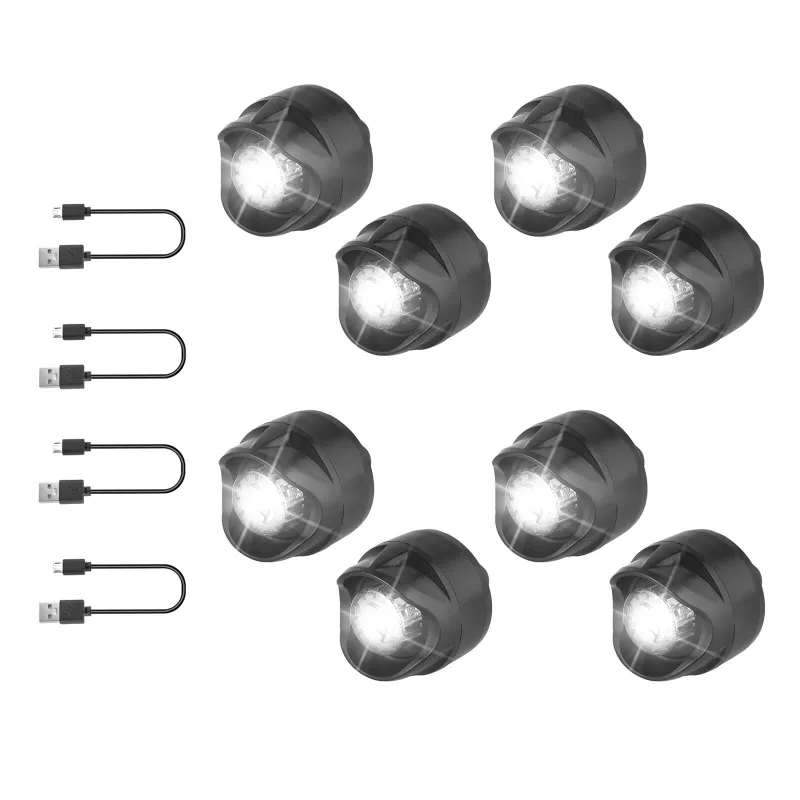
Products in this guide
 Shopping at T SUN Lighting? See the discount code
20% OFF All Orders
Shopping at T SUN Lighting? See the discount code
20% OFF All Orders
More in this series
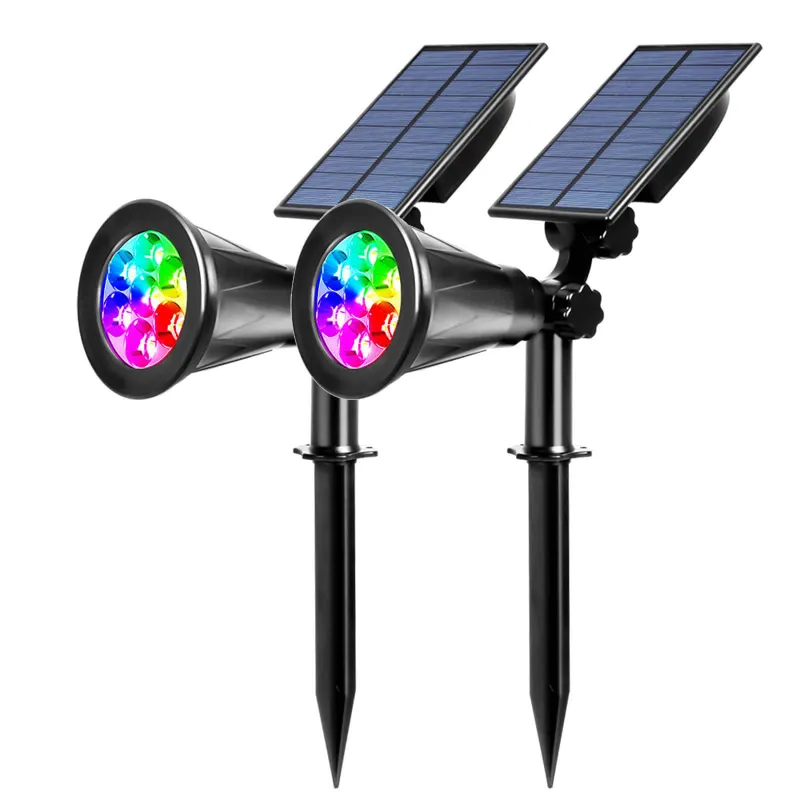 Solar Spot Lights vs. Solar Fence Lights: Best Pick for Garden Security27 Aug 20265 min
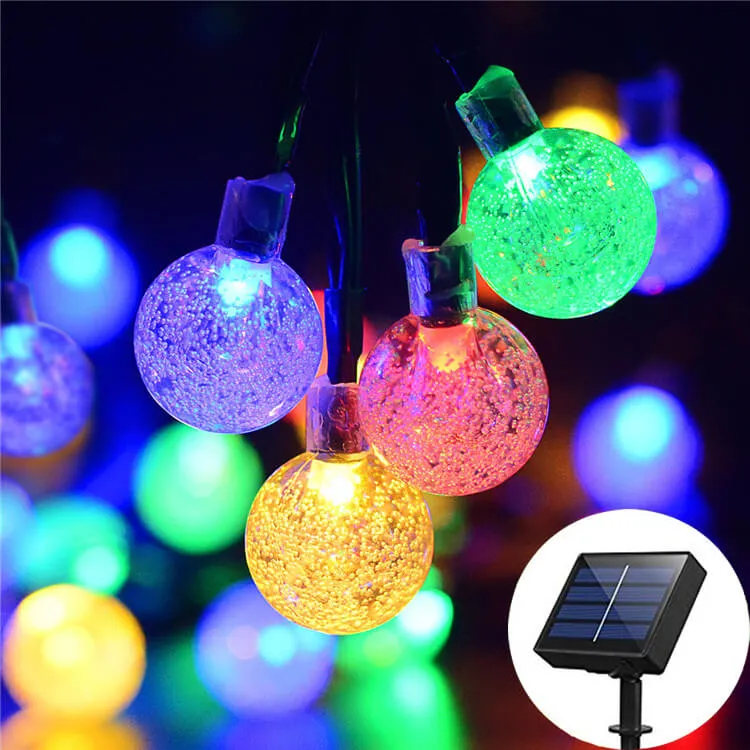 5 Ways to Extend the Life of Your T SUN Solar Lights27 Aug 20264 minDo Solar Gutter Lights Work in Winter? What to Expect and How to Help Them27 Aug 20264 min
 Solar String Lights vs Solar Motion Sensor Lights: Which Suits Your Backyard?27 Aug 20264 min
 How to Install Solar Post Cap Lights on a 4×4 Fence Post27 Aug 20264 min