 A T SUN Lighting guide
5 Ways to Extend the Life of Your T SUN Solar Lights
Keep your solar string lights and T SUN fixtures shining bright for years with these five simple maintenance tips.
To extend the life of your T SUN solar lights, focus on five key areas: regular cleaning, smart positioning, weather protection, battery maintenance, and proper storage. Our solar string lights and other T SUN fixtures are built with durable materials, but a little care goes a long way toward keeping them bright for years. Here is how we maintain our lights to get the most out of every charge.
Clean the Solar Panels and Fixtures Regularly
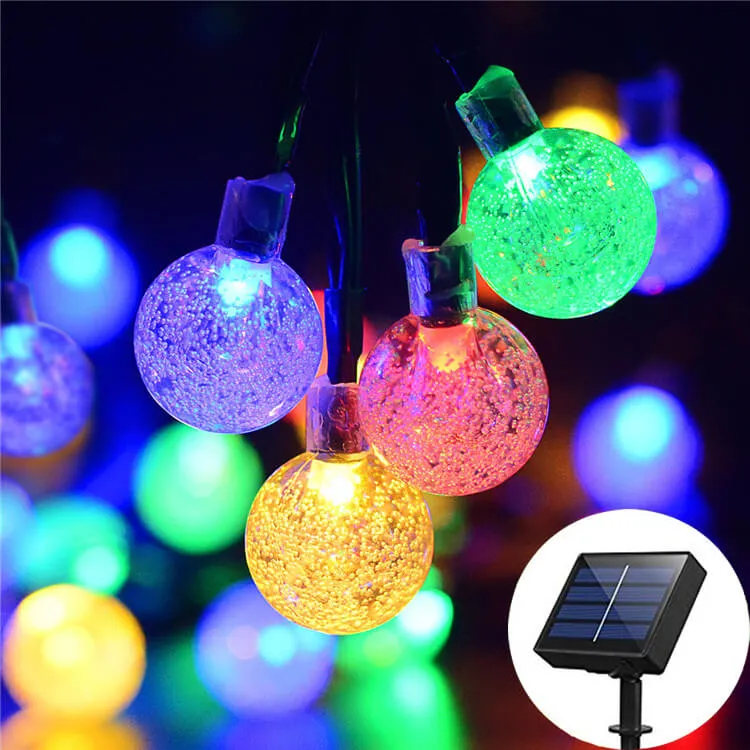
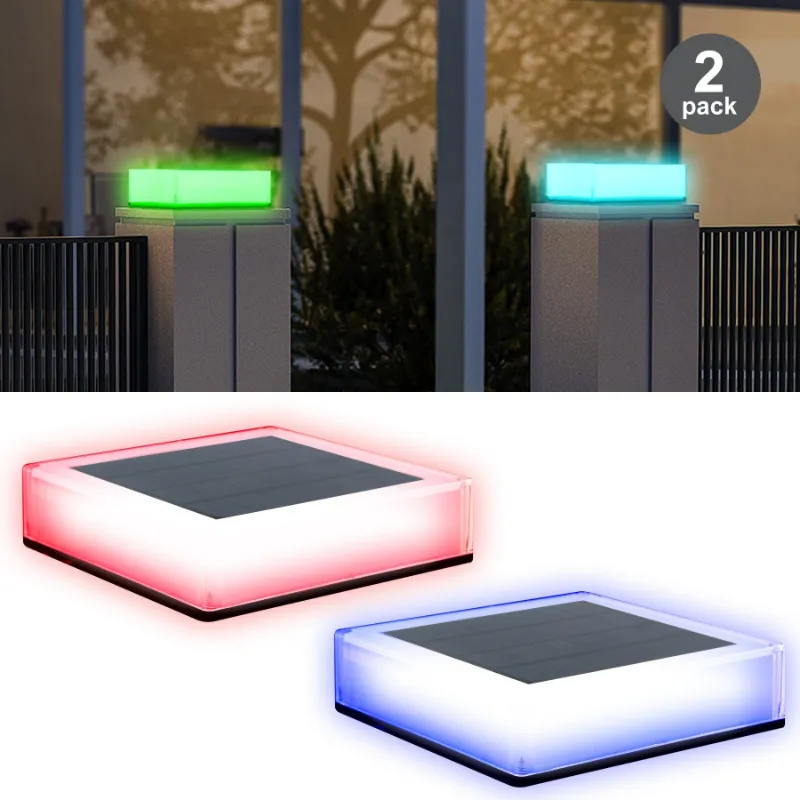
Dust, pollen, and bird droppings block sunlight from reaching the solar panel. For our solar string lights, outdoor solar fence lights, and solar post cap lights, a quick wipe every few weeks makes a big difference. Use a soft damp cloth and mild soap. Avoid abrasive cleaners that can scratch the panel surface. For croc lights and mushroom solar lights, pay extra attention to the top of the fixture where debris collects. We recommend cleaning in the morning before the lights turn off so you can see exactly where grime has built up. According to SolarReviews’ roundup of the best solar string lights, panel cleanliness is one of the top factors that determine how long your lights perform at full brightness.
Position Lights for Maximum Sun Exposure
Even the best solar string lights outdoor waterproof models need direct sunlight to charge fully. Place your solar string lights where the panel gets at least 6 to 8 hours of unfiltered sun each day. For solar post lights 4×4 and solar post cap lights, that usually means trimming nearby branches or bushes once a season. If you use solar mushroom lights in a shaded garden bed, consider moving them to a sunnier spot or using a separate panel extension. Our aloftsun solar motion sensor lights work best when the sensor faces an open area, away from overhangs that block the sun.
Protect Against Rain, Snow, and Humidity
T SUN lights are weather resistant, but extra protection extends their lifespan. Our solar outdoor string lights and solar string lights outdoor waterproof models handle rain well, but we still recommend bringing in string lights during heavy snow or extended storms. For outdoor solar fence lights and solar spotlight fixtures, make sure the battery compartment seal is fully closed after cleaning. A small dab of dielectric grease on the battery contacts prevents corrosion in humid climates. If you live in an area with freezing winters, store removable batteries indoors when temperatures drop below freezing. You can check the latest pricing and our exclusive discount for replacement parts and new fixtures.
Swap and Maintain Batteries Seasonally
The rechargeable batteries inside your solar lights lose capacity over time. After two to three seasons, consider replacing NiMH or Li-ion cells to restore brightness. Our solar powered spot lights and solar string lights use standard rechargeable batteries that are easy to swap. Open the battery compartment, check for rust or leaks, and insert fresh batteries of the same type and capacity. For aloftsun solar motion sensor lights, battery replacement is especially important because motion detection draws extra power. We like to do this in early spring so the lights are ready for long summer nights. Need a fresh set? Grab the discount code for 20% off all T SUN products.
Store Lights Properly During the Off Season
If you stop using your solar lights during winter or a long trip, store them correctly. Turn off the switch or remove the batteries to prevent deep discharge, which permanently damages rechargeable cells. Our solar string lights 50 ft sets and multi colored solar string lights outdoor fixtures store well in a cool, dry place. Keep the solar panel covered or facing down to avoid trickle charging in storage. For croc lights and mushroom solar lights, we wrap the entire unit in a breathable cloth bag to prevent scratches and dust buildup.
Use the Right Charging Cycle for Maximum Battery Life
New solar lights need a full charge cycle before first use. Let your solar string lights charge in direct sunlight for two full days before turning them on at night. This conditions the battery and helps it hold a charge longer. The same applies to solar post cap lights and solar spotlight units after winter storage. We also recommend letting the battery drain completely once a month during heavy use. This prevents the charge memory effect in older NiMH batteries and keeps the cells healthy.
Check for Sensor Issues on Smart Models
Some T SUN models, including the aloftsun solar motion sensor lights, include smart features like adjustable sensitivity and timing. Keep the sensor lens clean and free of cobwebs. If your lights start acting erratically (flickering or staying on all day) a simple reset often fixes the issue. Press and hold the power button for 10 seconds, or remove the battery for 30 seconds, then reinstall. This clears the internal logic and restores normal operation for your solar string lights and other fixtures. For the full lineup and current deals, visit the T SUN store to see what fits your setup best.
Questions
How often should I clean the solar panels on my T SUN solar string lights?
We recommend cleaning every 2 to 4 weeks during peak use season. Dust and pollen build up quickly and reduce charging efficiency, which shortens the runtime at night.
Can I leave my solar outdoor string lights out in the rain?
Yes. Our solar outdoor string lights and solar string lights outdoor waterproof models are built to handle rain. Just make sure the battery compartment seal is fully closed after any cleaning or battery swaps.
What type of batteries do T SUN solar lights use?
Most T SUN models, including our solar string lights and solar post cap lights, use standard rechargeable NiMH or Li-ion cells. Check the product manual for the exact size and capacity before replacing them.
How do I know when to replace the batteries in my solar lights?
If the lights dim significantly or only stay on for a couple of hours, the batteries are likely wearing out. After 2 to 3 seasons of regular use, a fresh set restores full performance.
Do solar string lights work in winter?
They can, but charging time is shorter due to fewer daylight hours and a lower sun angle. For best results, keep the panels clear of snow and position them for maximum winter sun exposure.
What is the best way to store my solar string lights during the off season?
Turn off the switch or remove the batteries, then store the lights in a cool, dry place. Keep the solar panel covered or facing down to prevent trickle charging while in storage.
Products in this guide
Shopping at T SUN Lighting? See the discount code
20% OFF All Orders
More in this series
 Solar Spot Lights vs. Solar Fence Lights: Best Pick for Garden Security27 Aug 20265 min
 Why Your Solar Mushroom Lights Stopped Working and How to Fix Them27 Aug 20265 minDo Solar Gutter Lights Work in Winter? What to Expect and How to Help Them27 Aug 20264 min
 Solar String Lights vs Solar Motion Sensor Lights: Which Suits Your Backyard?27 Aug 20264 min
 How to Install Solar Post Cap Lights on a 4×4 Fence Post27 Aug 20264 min