 A QRing guide
Do Smart Rings Actually Work for Fitness Tracking?
A smart ring can track heart rate, sleep, and activity with surprising accuracy when you choose the right model and understand its limitations.
Yes, a smart ring can accurately track heart rate, sleep stages, workout recovery, and daily activity when built with medical-grade sensors and proper algorithms.
The key difference between a functional fitness ring and a gimmick lies in sensor placement, battery life, and how the device processes movement data from your finger instead of your wrist.
What Fitness Metrics Smart Rings Track Best
Smart rings excel at passive, all-day tracking because your finger offers a stable sensor location with minimal motion artifact. Here’s what works well and what doesn’t.
Accurate on most rings:
- Resting heart rate and heart rate variability (HRV) throughout the day and night
- Sleep duration, sleep stages, and time spent in deep or REM sleep
- Steps and general activity levels during walking or daily movement
- Body temperature trends, useful for illness detection or cycle tracking
- Blood oxygen saturation (SpO2) during rest
Less reliable or limited:
- Real-time heart rate during high-intensity interval training or weightlifting, where grip changes interrupt contact
- GPS distance and pace, since rings lack built-in GPS and rely on your phone
- Calorie burn estimates, which depend heavily on algorithms and can vary widely across devices
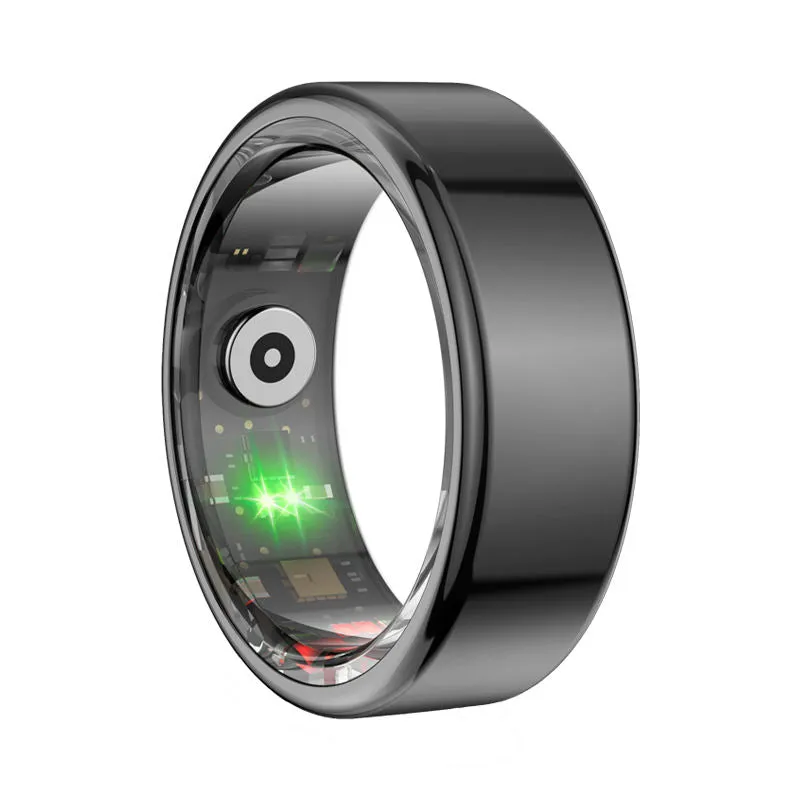
Check which metrics the data ring reports before you buy, and keep the limits above in mind for live workout heart rate.
How Smart Ring Accuracy Compares to Wristbands and Watches
If you are considering a titanium smart ring, the same limits apply: grip changes during moves like pull-ups can interrupt sensor contact.
If your priority is 24/7 recovery insights and you do mostly moderate cardio or walking, a smart ring can be a good fit. If you do a lot of grip-heavy lifting or HIIT, pair it with a chest strap for workouts and let the ring handle sleep and recovery.
Which Smart Ring Brand Delivers the Most Reliable Data
Not all rings are created equal. Accuracy depends on sensor quality, fit, and the algorithms processing your data.
What separates the best from the rest:
- Medical-grade PPG sensors with multiple LEDs and photodiodes improve signal quality
- Proper sizing so the ring maintains constant contact without being too tight
- Battery life of five days or more, since frequent charging interrupts sleep tracking
- Validated algorithms that account for finger-based data instead of repurposing wrist formulas
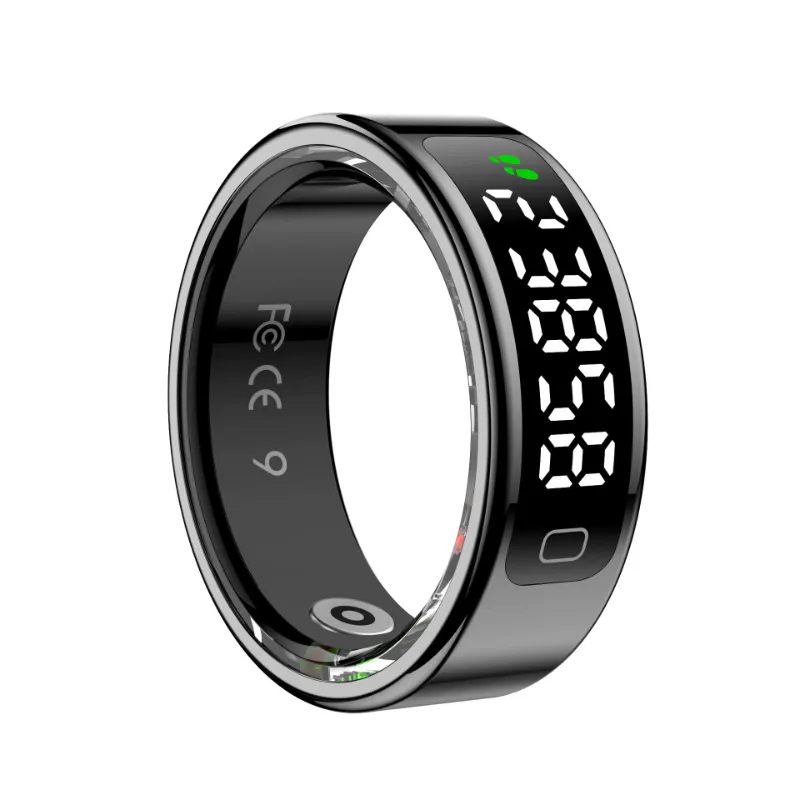
Check the sensor details and battery life on the qring and pulsering listings against the points above. For current availability and our exclusive discount, check the latest pricing here.
Who Should Choose a Smart Ring Over a Watch
A smart ring suits you best if you value discretion, hate wrist bulk, or already wear a traditional watch. Here’s when it makes the most sense.
Great for:
- People who find wristbands uncomfortable during sleep or throughout the workday
- Athletes focused on recovery, HRV trends, and sleep optimization rather than live workout stats
- Professionals who prefer a subtle device that doesn’t scream “fitness tracker” in meetings or formal settings
- Anyone who frequently switches watches and wants continuous health data without sacrificing style
Stick with a watch if:
- You need on-screen workout feedback, GPS maps, or music controls during runs
- Your training includes a lot of grip-intensive exercise like Olympic lifting, rock climbing, or rowing
- You want a single device that handles notifications, payments, and fitness in one package
The dante ring and similar models can serve as a complement to a mechanical watch or as a standalone tracker for someone prioritizing recovery data over real-time performance metrics.
How to Get the Most Accurate Results from Your Smart Ring
Fit and wear habits make or break accuracy. Follow these steps to ensure your ring delivers reliable data.
- Size correctly: Order a sizing kit and measure at the end of the day when your fingers are slightly swollen. The ring should rotate with gentle pressure but not slide off easily.
- Wear on your index or middle finger: These fingers offer the best blood flow and least movement during sleep and exercise.
- Keep it clean: Lotion, sweat, and dirt between the sensor and your skin degrade signal quality. Wipe the inner sensor area daily with a soft cloth.
- Charge strategically: Top up during your morning routine so the ring captures overnight data without interruption.
- Give it a week: Most rings need several nights of data to establish your baseline and improve their algorithms’ accuracy for your body.
If you notice erratic heart rate spikes or missing sleep data, the ring is likely too loose or the sensors are dirty. Tighten by half a size or clean thoroughly before assuming the device is faulty.
Are Smart Rings Worth It for Serious Athletes?
For endurance athletes and recreational gym-goers focused on recovery, yes. For competitive powerlifters or CrossFitters who need second-by-second heart rate zones, a ring works best as a secondary device.
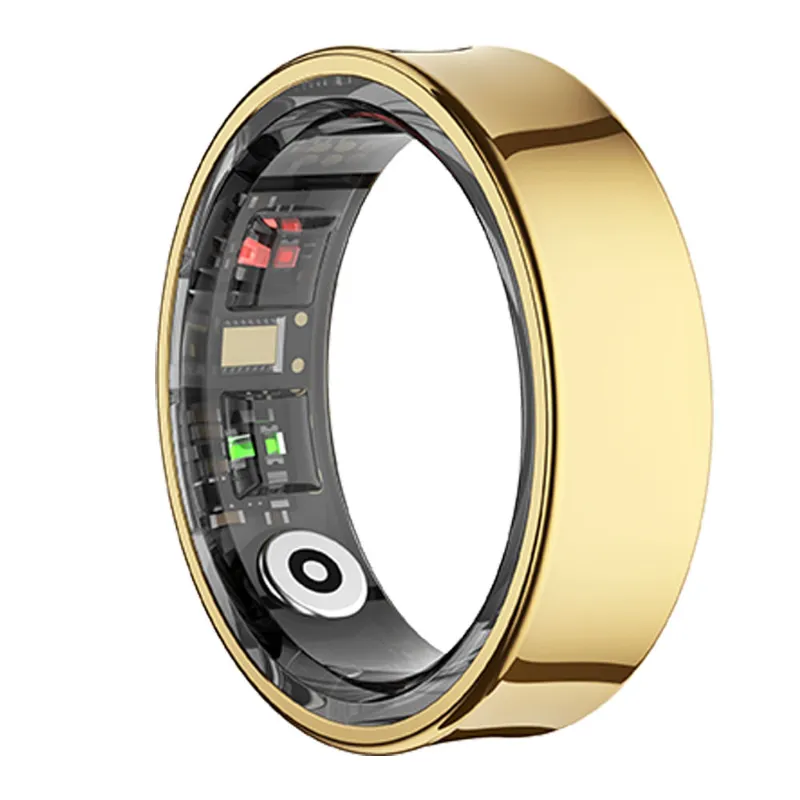
Track your training load and readiness scores with a smart ring overnight, then switch to a chest strap for interval sessions where precision matters. The ring’s true value lies in longitudinal data (spotting overtraining, illness, or poor sleep trends) not replacing a dedicated workout monitor.
The combination of all-day wear, sleep tracking, and recovery insights makes a quality smart ring one of the best investments for anyone who trains regularly and wants to avoid burnout. With the current offer of $20 off sitewide, it’s easier than ever to test one risk-free.
Questions
Can a smart ring track workouts as accurately as a fitness watch?
Smart rings are best suited to resting heart rate, HRV and sleep. They can lose contact during grip-intensive exercises like pull-ups or heavy lifting, so a watch or chest strap is the safer choice for live workout data.
Which finger should I wear my smart ring on for the best accuracy?
Wear your ring on your index or middle finger for optimal blood flow and sensor contact. Avoid the pinky or thumb, which move more during sleep and exercise and can cause signal dropouts.
Do I need to take my smart ring off to charge it?
Yes, most smart rings require removal for charging. Charge during your morning routine or a time you're awake to avoid gaps in sleep tracking.
How long does a smart ring battery last between charges?
Battery life varies by model, so check the listed battery life for the qring, pulsering or any ring you compare. Longer battery life means fewer gaps in tracking.
Are smart rings waterproof enough for swimming?
Most smart rings carry a water resistance rating of 5 ATM or higher, making them safe for swimming, showers, and daily water exposure. Check your specific model's rating before diving or doing water sports.
Can I wear a smart ring if I already wear a traditional watch?
Yes, that's one of the biggest advantages of a smart ring. You can keep wearing your favorite mechanical or dress watch while still capturing continuous health and fitness data on your finger.
Products in this guide
Shopping at QRing? See the discount code
$20 OFF Sitewide
More in this series
Pulsering Review: Is This Budget Smart Ring Worth It?7 Aug 20263 minSmart Ring Sizing Guide: How to Get the Perfect Fit7 Aug 20264 minQRing Battery Life: How Long Does It Last Between Charges?7 Aug 20264 minHow to Clean and Maintain Your Titanium Smart Ring7 Aug 20266 minQRing vs Oura Ring: Which Smart Ring Tracks Sleep Better?7 Aug 20264 min