 A SkinB5 guide
SkinB5 Acne Pills vs. Topical Treatments: Which Works Faster
Acne pills work systemically from within, while topicals target surface bacteria and oil—each has speed and strength advantages depending on your acne type.
Acne pills work systemically from within, while topical treatments target surface bacteria and clogged pores directly. Neither is universally “faster”, speed depends on acne severity, skin type, and whether you’re treating mild breakouts or cystic acne that demands oral intervention.
This guide breaks down how acne pills and topicals compare, when each wins, and how SkinB5 supplements fit into a complete acne strategy.
How acne pills work vs topical treatments
Topical acne treatments (benzoyl peroxide, salicylic acid, retinoids) work on the skin surface. They unclog pores, reduce bacteria, and lower sebum production where you apply them. Results typically appear in 4 to 8 weeks.
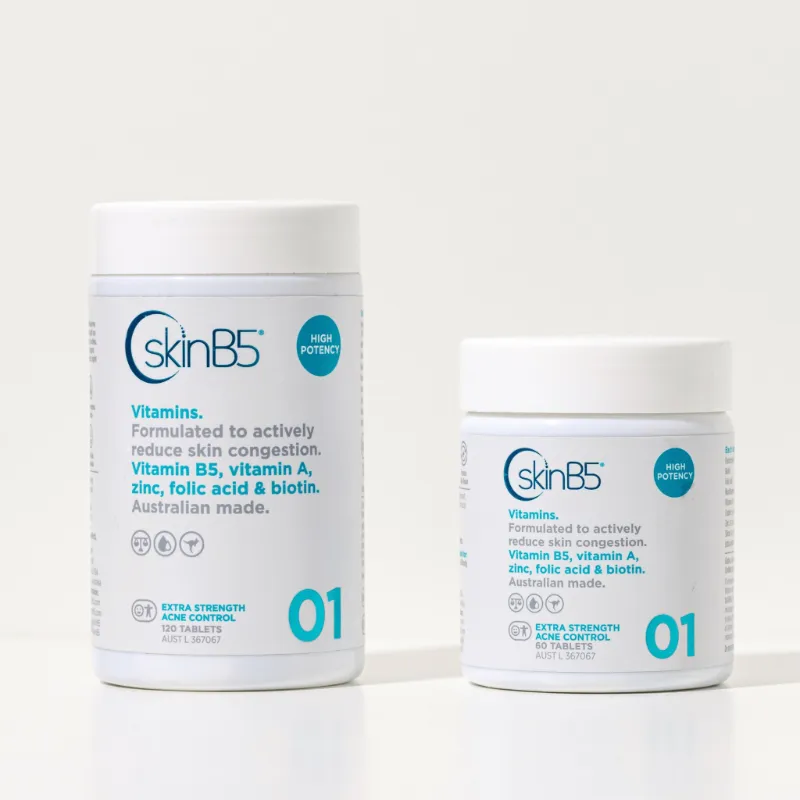
Oral acne pills and supplements take a different route. Acne pills like those containing pantothenic acid work systemically, they circulate through your bloodstream and affect sebum regulation, hormone balance, and skin inflammation from inside. Pantothenic acid acne treatments, for instance, may reduce oil production that feeds bacterial growth.
The key difference: topicals are local and fast-acting; acne pills are systemic and require consistent use to show results. For mild acne, topicals often suffice. For moderate to severe or hormonal breakouts, acne pills provide support that topicals cannot reach.
Speed: which treats acne faster
Topical treatments show visible changes in days to weeks because they work directly on active breakouts. You’ll see redness fade or a spot flatten relatively quickly.
Acne pills and supplements for acne take longer (typically 6 to 12 weeks) because they address underlying triggers like excess sebum and inflammatory responses. But once they work, the improvement is often more comprehensive.
If you have a single pimple and need it gone fast, a topical wins. If you’re prone to recurrent breakouts or dealing with hormonal acne, acne pills offer sustained protection that topicals alone cannot match.
Acne type matters: when pills outperform topicals
| Acne Type | Best First Choice | Why |
|---|---|---|
| Mild comedones (blackheads, whiteheads) | Topical (salicylic acid) | Fast exfoliation works on surface clogs |
| Inflammatory breakouts across the face | Acne pills + topical | Systemic approach prevents new formation |
| Cystic or hormonal acne | Acne pills or prescription | Topicals cannot reach deep inflammation |
| Occasional stress breakouts | Topical spot treatment | Quick, targeted action for isolated spots |
Clear skin green tea supplements and acne skin vitamin formulations support skin from within, making them especially useful for widespread or recurring breakouts that topicals struggle to prevent.
According to Acne – Diagnosis and treatment, oral treatments are often recommended for moderate to severe acne or when topicals have not produced results after 6 to 8 weeks.
Building a complete acne strategy with both
The fastest, most reliable approach often combines both. Start with a gentle topical cleanser and a treatment like benzoyl peroxide or a retinoid. Simultaneously, begin acne supplement support, specifically formulations with pantothenic acid, B vitamins, or green tea extract that address oil regulation and inflammation internally.
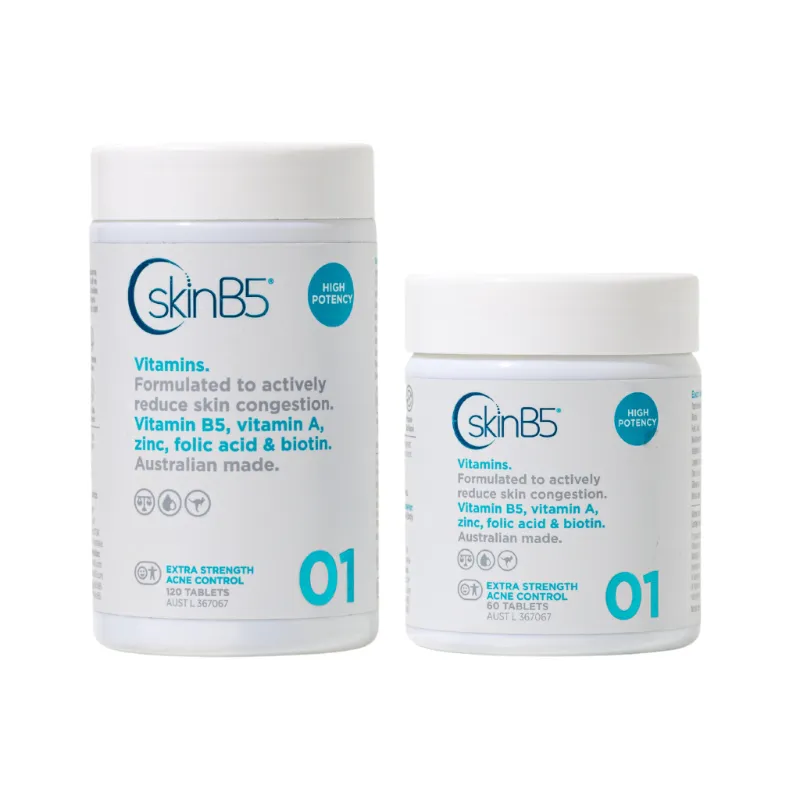
Vitamin b for pimples is particularly effective for hormonal acne and sebum control. Pair it with your topical routine and you’re hitting acne on two fronts: local bacteria and oil control, plus systemic sebum and inflammatory reduction.
Over 8 to 12 weeks, this combination typically outperforms either approach alone. You’ll see faster initial improvement from topicals and sustained prevention from acne pills.
Supporting your routine with targeted supplements
Beyond oral medications, SkinB5 offers acne supplement options designed to work alongside your regimen. These formulas fill nutritional gaps that contribute to breakouts, B vitamins for sebum control, antioxidants for inflammation.
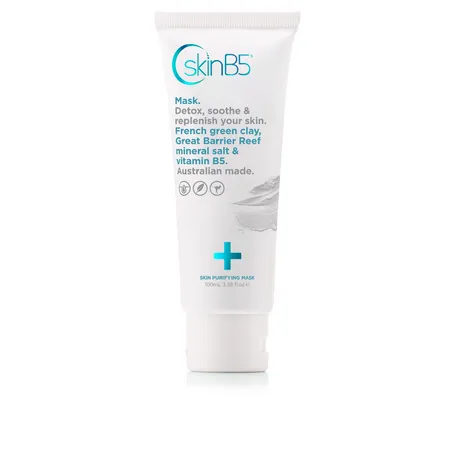
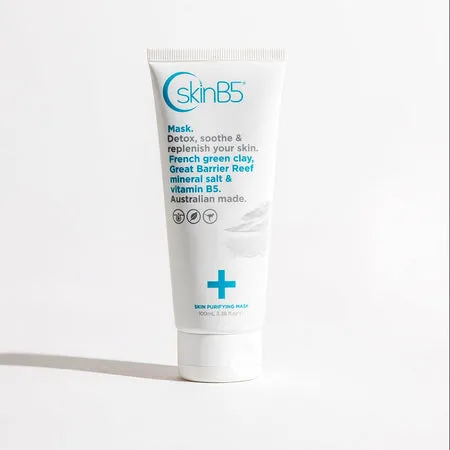
A skin purifying mask used 1 to 2 times weekly adds a boost to your topical routine, extracting debris and excess oil that acne pills address from inside. Think of it as weekly maintenance on top of daily habits.
For best results, grab the code to access 10% off all SkinB5 orders and build your complete acne toolkit affordably.
When to see a dermatologist
If acne persists after 8 weeks of consistent treatment with both topicals and supplements, or if you have deep cystic breakouts, talk to a dermatologist. An acne treatment dermatologist can assess whether prescription acne medication for adults or stronger acne antibiotics are needed.
For hormonal acne specifically, dermatologists sometimes recommend tetracycline for acne or best antibiotic for acne cysts: oral medications that require a prescription. The NHS guidance on acne treatment and NYU Langone’s overview of oral medications both emphasize that moderate to severe cases benefit from professional evaluation.
Questions
Do acne pills work as fast as topical treatments?
No. Topicals show results in days to weeks; acne pills typically require 6 to 12 weeks to reveal their full benefit. However, acne pills provide systemic prevention that topicals cannot, so they excel for recurring or hormonal breakouts over time.
Can I use acne pills and topical treatments together?
Yes, and most dermatologists recommend it for moderate to severe acne. Combining both attacks breakouts internally and locally, speeding overall improvement and reducing recurrence.
What is the best acne treatment for hormonal breakouts?
Hormonal acne often requires acne pills or oral medication because it stems from sebum and inflammation that topicals cannot fully control. Supplements with pantothenic acid or vitamin B, combined with a topical retinoid, are a solid first step before considering prescription options.
Are acne supplements like SkinB5 as effective as prescription acne antibiotics?
Supplements are gentler and suit mild to moderate acne; prescription antibiotics like tetracycline are stronger and reserved for severe or treatment-resistant cases. Dermatologists often recommend supplements first, then escalate to prescription medication if needed.
How long should I use acne pills before switching to something stronger?
Give acne pills at least 8 to 12 weeks of consistent use before concluding they are not working. If breakouts persist after that period and you have tried combining them with topical treatments, consult a dermatologist about prescription options.
Can topical treatments prevent acne like acne pills do?
Topicals manage existing breakouts and prevent new surface blemishes when used daily, but acne pills address root causes like excess sebum and inflammation system-wide, offering stronger prevention for recurring breakouts.
Products in this guide
Shopping at SkinB5? See the discount code
10% OFF All Orders