 A SkinB5 guide
Can Vitamin B for Pimples Replace Prescription Acne Medication?
An acne skin vitamin may reduce breakouts and support clearer skin, but it typically works best alongside—not instead of—prescription treatment for severe acne.
An acne skin vitamin may reduce breakouts and support clearer skin, but it typically works best alongside (not instead of) prescription treatment for severe acne. If you’re weighing supplements against prescription options or hoping to step down from medication, this guide breaks down what the evidence shows.
When an Acne Skin Vitamin Can Work Alone
For mild, occasional breakouts or early-stage acne, an acne skin vitamin may be your main defense. Many people see results within 4-8 weeks of consistent use, especially if breakouts are triggered by diet, stress, or seasonal changes rather than hormonal or cystic conditions.
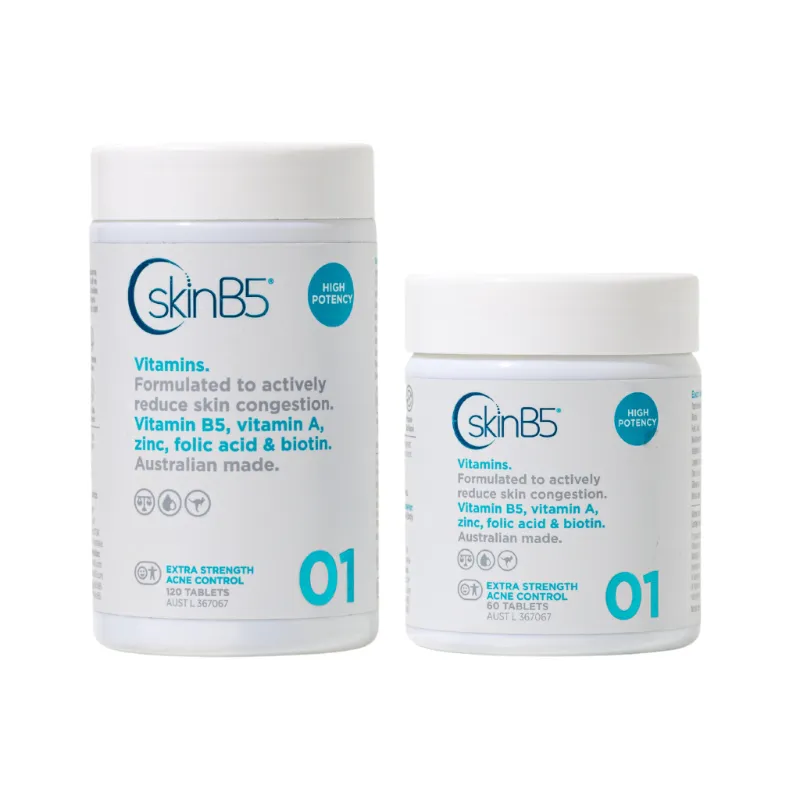
Vitamin B for pimples works by regulating sebum production and supporting skin barrier function. Pantothenic acid acne formulas in particular target oil control at the root, since B5 deficiency is linked to excess sebum. Acne supplement blends that combine B vitamins with zinc or niacinamide amplify this effect without prescription-level side effects.
Botanical-based options like clear skin green tea supplement also offer antioxidant support. These work well if your acne is mild and you want a gentler, lower-risk entry point. However, if you’ve tried an acne skin vitamin for 2-3 months without improvement, or if breakouts are deep, painful, or spreading, prescription medication is typically more effective.
Prescription Acne Medication: What They Do Differently
Prescription treatments target acne through mechanisms that oral supplements can’t match. Isotretinoin (Accutane) fundamentally rewires oil production for months or years. Oral antibiotics like doxycycline kill acne bacteria directly. Spironolactone blocks hormones that trigger breakouts in women.
These drugs work faster and more aggressively than an acne skin vitamin, often clearing moderate-to-severe acne within 2-4 months. The trade-off is side effects: dry skin, sun sensitivity, digestive upset, or potential birth defects.
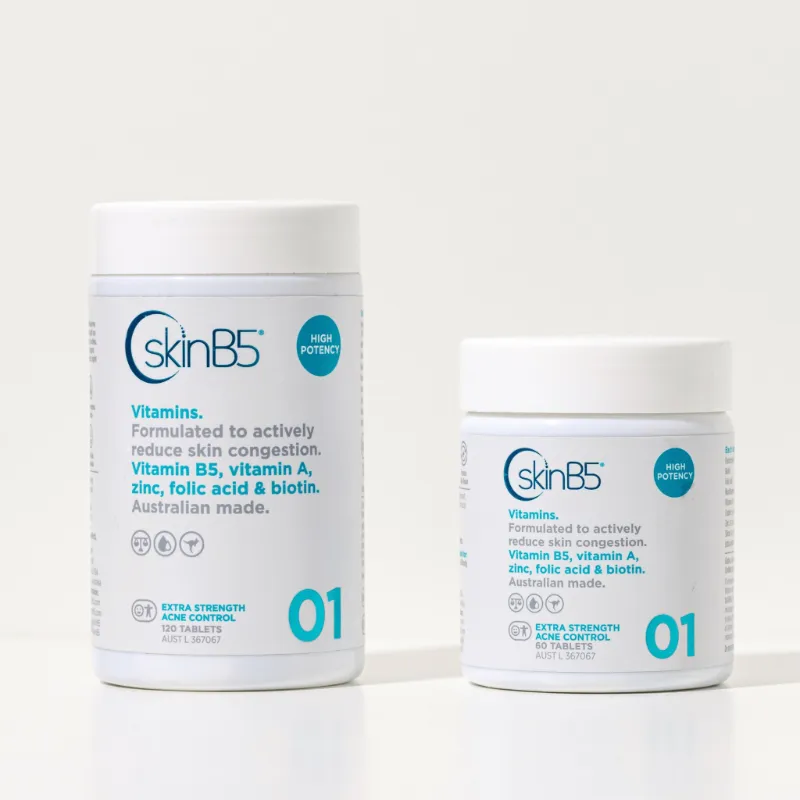
Acne pills and supplements for acne don’t come with these risks, but they also don’t deliver the same power. They’re prevention and support tools, not frontline acne-clearing agents. For cystic acne, hormonal breakouts, or acne covering more than 25% of your face, a dermatologist will almost always recommend prescription treatment first.
Can You Switch From Prescription to Supplements?
Many people ask whether they can taper off isotretinoin or antibiotics and use an acne skin vitamin instead. The answer depends on your baseline.
If your acne clears completely on prescription medication, stopping and switching to oral supplements alone often leads to relapse within weeks. Your skin returns to its untreated state. However, once acne is under control, adding acne supplement or vitamin B for pimples can reduce the maintenance dose your dermatologist prescribes, or help you stay clear during lower-dose phases.
Acne pills and targeted formulas work best as a holding layer, something you use steadily to prevent minor breakouts while on or transitioning away from prescription care, not as a replacement mid-treatment.
How Vitamins and Prescription Drugs Work Together
The evidence shows that pairing an acne skin vitamin with prescription treatment often yields faster, clearer results than either alone. The Role of Vitamins in Managing Acne highlights how B vitamins support skin healing during antibiotic therapy, and Evaluating Common Ingredients Contained in Dietary Acne research confirms that pantothenic acid, zinc, and niacinamide reduce inflammation markers.
Your dermatologist may suggest an acne skin vitamin as a complement to isotretinoin or antibiotics because they address overlapping drivers (oil production, inflammation, and barrier repair) without competing. Some prescriptions (like doxycycline) deplete your body’s B vitamin stores, making supplementation genuinely useful.
If you’re currently on prescription acne treatment, ask your dermatologist whether adding clear skin green tea supplement or acne supplement makes sense. Most will approve it as a low-risk boost.
Comparing Supplement Types for Acne
| Supplement Type | Best For | Speed | Maintenance |
|---|---|---|---|
| Pantothenic Acid (B5) | Oil control, sebum prevention | 4-8 weeks | Long-term; works best ongoing |
| B Complex (Multi-B) | General skin health, healing support | 2-4 weeks to notice | Works with other treatments |
| Botanical (Green Tea, etc.) | Antioxidant support, gentle acne | 6-12 weeks | Preventive; mild results |
| All-in-One Acne Vitamin | Convenience, targeted acne | 4-8 weeks | Works best with consistency |
All-in-one formulas like acne supplement or acne pills combine multiple acne-fighting nutrients into one dose, which beats taking five separate bottles. Choose based on whether you want to treat active breakouts (reach for acne pills) or prevent future ones (steady use of vitamin B for pimples works well).
Who Should Use an Acne Skin Vitamin Instead of Prescriptions
An acne skin vitamin is your best first step if breakouts are mild, sporadic, or triggered by lifestyle factors you can name (diet changes, stress, skipped skincare). It’s also ideal if you’ve had bad reactions to topical acne treatments or can’t tolerate prescription medications.
Teenagers and young adults with early breakouts often see real results from supplements for acne or acne supplement before acne worsens. People managing acne long-term alongside prescription treatment benefit from consistent oral vitamin support to reduce relapse risk.
However, if acne is moderate-to-severe, cystic, spreading, or painful, skip straight to a dermatologist. Don’t spend months testing an acne skin vitamin when a prescription could clear your skin in weeks. The Best Minerals and Vitamins for Acne confirms that vitamins shine as preventive or supportive tools, not primary treatments for serious breakouts.
Getting Started: What We Recommend
Start with an all-in-one acne skin vitamin formulated specifically for breakouts. Acne vitamin or pantothenic acid acne blends deliver multiple nutrients in one step and cost less than buying ingredients separately.
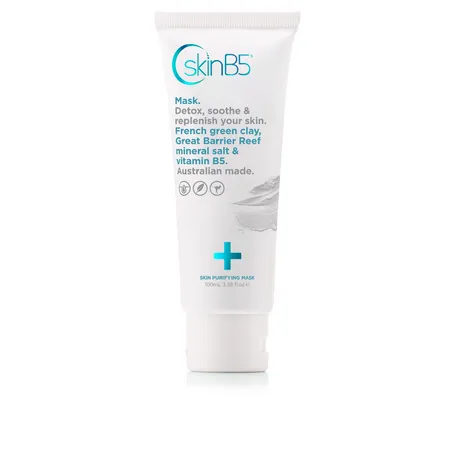
Take it consistently for at least 8 weeks before assessing results. Pair it with a gentle, acne-safe skincare routine and consider a skin purifying mask weekly to support topical treatment.
If breakouts improve but don’t fully clear, or if acne worsens, book a dermatology appointment. There’s no shame in needing prescription support, it’s often the fastest, safest path to clear skin. For mild acne, an acne skin vitamin is excellent preventive insurance and works well alongside prescription maintenance doses.
Ready to test an acne skin vitamin? Grab the code for 10% off all SkinB5 orders and try an acne supplement risk-free. If you’re already on prescription acne treatment, check the latest price to add vitamin support at a discount.
Questions
Can vitamin B for pimples actually clear acne without a prescription?
Vitamin B for pimples can clear mild acne in 4-8 weeks, especially if breakouts are triggered by diet or stress. For moderate-to-severe, cystic, or spreading acne, a prescription is typically faster and more effective.
Is it safe to stop taking prescription acne medication and switch to an acne skin vitamin?
No, stopping prescription acne treatment mid-course and switching to a supplement alone usually causes acne to return within weeks. Once clear, your dermatologist may approve using an acne skin vitamin as added support to prevent relapse.
How long does it take for an acne supplement to work?
Most people see results from an acne supplement within 4-8 weeks of consistent daily use. Some notice reduction in oiliness sooner, but clearer skin typically takes the full 6-8 weeks.
What is pantothenic acid acne formula, and why do dermatologists mention it?
Pantothenic acid (vitamin B5) regulates sebum production, a key driver of acne. Research shows B5 deficiency correlates with breakouts, making it a popular ingredient in acne skin vitamins for oil control.
Can I use an acne skin vitamin alongside my prescription acne medication?
Yes, most dermatologists approve pairing an acne vitamin with prescription treatment because they address different acne drivers and work synergistically. Always confirm with your doctor first.
What's the difference between acne pills and topical acne treatments?
Acne pills work from inside the body to regulate oil, reduce bacteria, or support skin health system-wide. Topical treatments target surface bacteria and inflammation. Many people use both for faster results.
Products in this guide
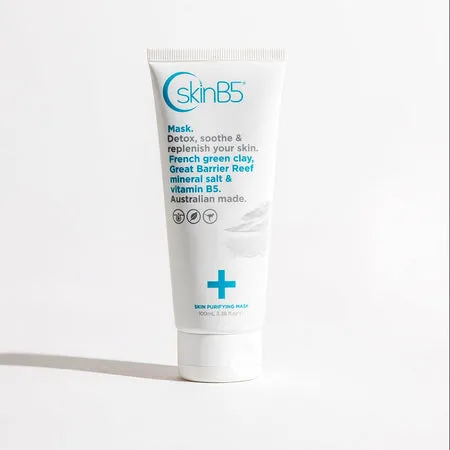 Shopping at SkinB5? See the discount code
10% OFF All Orders
Shopping at SkinB5? See the discount code
10% OFF All Orders