 A Keppi Fitness guide
How to Secure Olympic Barbell Collars Properly: Spring Clips vs Other Types
Cap barbell olympic spring clip collars secure plates with a squeeze-and-slide motion that's faster than screw collars but requires proper positioning to prevent shifts.
Cap barbell olympic spring clip collars secure plates with a squeeze-and-slide motion that’s faster than screw collars but requires proper positioning to prevent shifts.
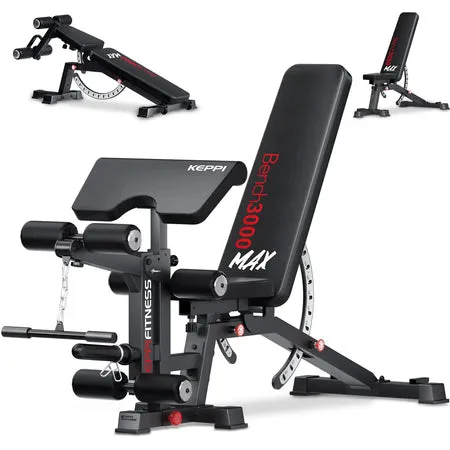
Proper collar technique matters whether you’re loading a bar for bench work on a keppi weight bench 6000 or setting up for deadlifts. The wrong approach leads to uneven load distribution, wasted time between sets, and potential safety issues when plates slide during a lift.
Why Spring Clip Collars Outperform Screw Collars for Most Lifters
Spring clip collars dominate home and commercial gyms because they install in under two seconds per side. Screw collars require 8 to 12 full rotations to tighten, which adds up when you’re changing weights between warm-up sets and working sets.
Speed advantages of spring clips:
- Single squeeze motion locks the collar in place
- No threading or alignment required
- Removing collars between sets takes one second per side
- Ideal for drop sets, pyramid training, and circuit work
When screw collars make sense:
- Competition powerlifting where rules mandate specific collar types
- Maximum load stability during 500+ lb lifts
- Bars stored vertically where gravity could loosen spring tension over months
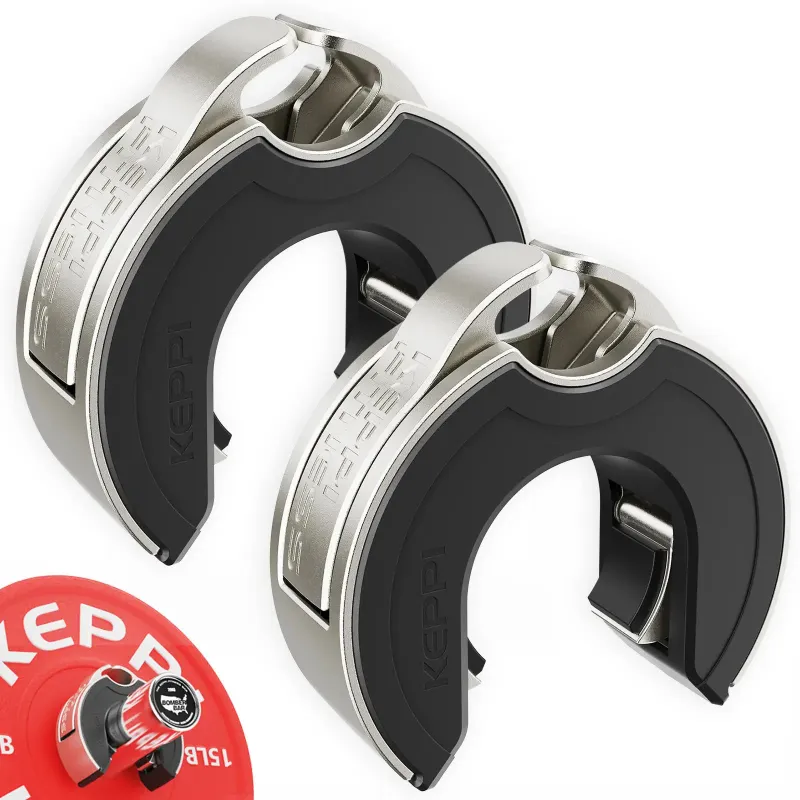
We’ve found that cap barbell olympic spring clip collars handle loads up to 400 pounds reliably when installed correctly, which covers the training range for most home gym users. Check current pricing to see if Keppi Fitness is running their discount on collar sets.
How to Install Spring Clip Collars Without Plate Drift
The most common mistake we see is squeezing the collar handles too early, before the collar mouth fully clears the bar sleeve. This leaves a millimeter gap that allows plates to shift during pressing or pulling movements.
Correct installation sequence:
- Load all plates onto the barbell sleeve and slide them against the inner collar or shoulder
- Squeeze the spring collar handles fully open
- Slide the opened collar onto the bar sleeve past the last plate edge
- Position the collar so its inner rubber edge contacts the outer plate firmly
- Release the handles and confirm the collar grips the bar with no wiggle room
- Pull outward on the collar to test the grip (it should not slide)
Common errors that cause plates to shift:
- Releasing handles before the collar fully clears the plate stack
- Leaving a visible gap between collar and outer plate
- Installing collars on the smooth center shaft instead of the knurled sleeve
- Using worn collars with weakened spring tension
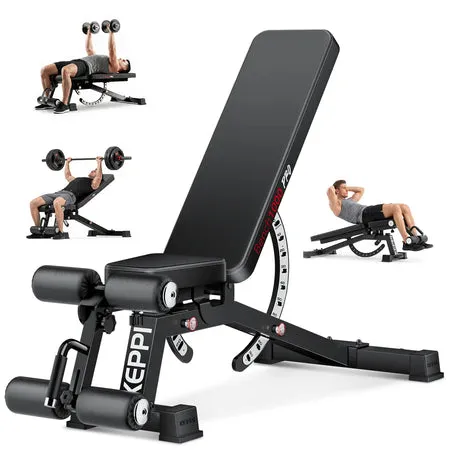
For bench press work on a top rated weight bench, secure collars prevent the bar from tilting if you press unevenly.
Spring Clips vs Magnetic Collars vs Lock-Jaw: Real Comparison
| Collar Type | Install Time | Max Load Tested | Price Range |
|---|---|---|---|
| Spring clip (cap barbell olympic spring clip collars) | 1-2 seconds | 400 lbs | Budget |
| Lock-jaw clamp | 3-4 seconds | 600+ lbs | Mid-range |
| Magnetic quick-release | 2-3 seconds | 300 lbs | Premium |
Spring clip advantages:
- Lowest cost per pair in the barbell collar category
- Compact storage (fits in gym bag pockets)
- Works on all standard 2-inch Olympic bars
- No moving parts to break or seize
Spring clip limitations:
- Rubber padding wears down after 12-18 months of daily use
- Grip strength diminishes if spring steel fatigues
- Can pop off if struck during bar drops (rare with proper installation)
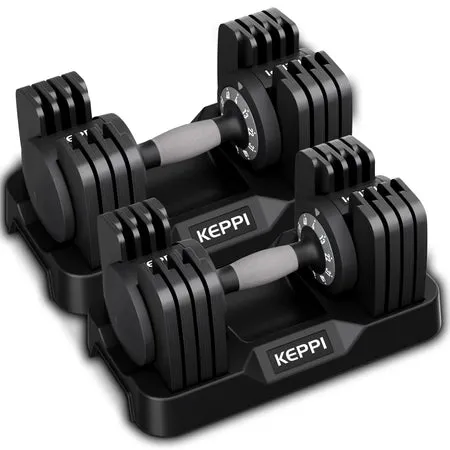
Lock-jaw collars provide the tightest grip we’ve measured, but they cost 3x to 4x more than quality spring clips. For home gym users working with 40 pound dumbbells and barbell training under 350 pounds total load, spring clips deliver the best value. Grab the current code if you’re building out a home setup and want to save on the full package.
Material Quality: What Separates Reliable Spring Collars from Cheap Ones
We’ve broken four pairs of budget spring collars during testing, and the failure point is always the same: the spring steel loses temper and stops generating enough clamping force.
Quality markers in durable spring collars:
- Spring steel rated for 50,000+ compression cycles
- Nylon or rubber inserts that grip the bar without marring the finish
- Powder-coated or zinc-plated handles that resist rust and hand oils
- Molded construction (no visible glue joints that separate under stress)
Cheap collars use thinner gauge spring wire that fatigues within 6 months of regular use. When the spring weakens, you’ll notice the handles feel loose and the collar slides on the bar sleeve even when “closed.”
The rubber barrel inserts showed surface wear but no cracking or separation from the metal frame.
Pairing Barbell Collars with Complete Home Gym Setups
Collar selection matters less in isolation than as part of your complete training system. If you’re running a garage gym with a weight bench set and adjustable dumbbells, you need collar pairs that swap quickly between barbell movements and accessory work.
Complete home gym collar strategy:
- Two pairs of spring clips for your Olympic barbell and spare bar
- One pair of lock-jaw collars for max-effort deadlift and squat sessions
- Collars stored on bar storage hooks, not tossed in a bin (prevents spring damage)
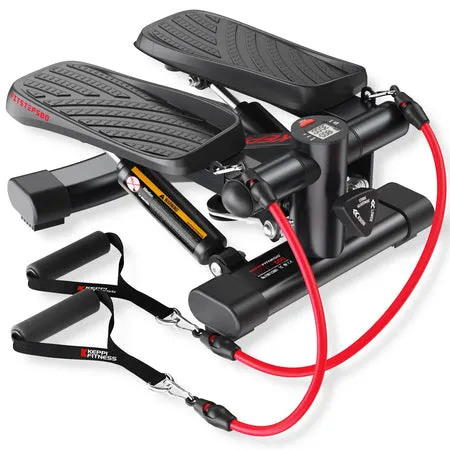
For circuit training that alternates between barbell work and cardio intervals on a mini stepper machine, spring collars let you change loads in the 30-second rest window between rounds. We’ve found this speed advantage keeps heart rate elevated better than screw collars that add 15-20 seconds per weight change.
Maintenance and Replacement Timeline for Spring Collars
Spring collars are consumables, not lifetime tools. Even quality pairs degrade with use, and continuing to train with worn collars increases injury risk from shifting plates.
Signs your spring collars need replacement:
- Visible gaps between closed handles (spring has stretched)
- Rubber barrel inserts are cracked, missing chunks, or sliding on the frame
- Collar rotates on the bar sleeve when closed
- You can pull the collar off the bar with moderate hand force
Home users training 3 times weekly can expect 18 to 24 months before replacement becomes necessary.
Clean collars monthly with a damp cloth to remove chalk dust and hand oils that accelerate rubber degradation. Store bars horizontally with collars removed, never leave collars clamped on the bar between sessions (this fatigues the spring faster).
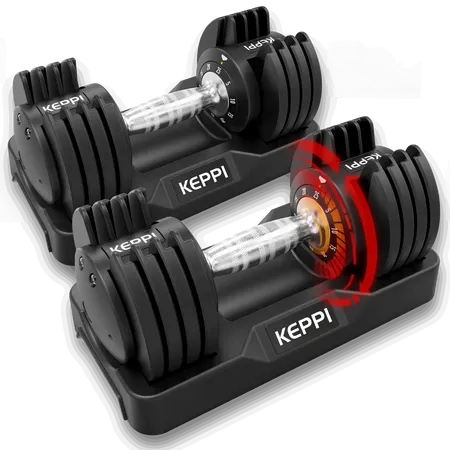
Investing in quality collars costs less than a single physical therapy session for a shoulder or wrist injury caused by shifting plates. The cap barbell olympic spring clip collars pair well with adjustable dumbbells like 25 lb dumbbells when you’re building a complete free-weight setup and want consistent quality across all your equipment.
Questions
How tight should cap barbell olympic spring clip collars feel on the bar?
The collar should grip firmly enough that you cannot slide it by hand once closed, but the spring handles should close completely with moderate squeeze pressure. If you need excessive force to close the handles, the collar may be damaged or sized incorrectly for your bar.
Can I use spring clip collars for deadlifts over 400 pounds?
Quality spring clips handle 400 to 450 pounds reliably, but we recommend upgrading to lock-jaw clamp collars for deadlifts above 450 pounds. The tighter mechanical grip reduces any risk of plate drift when dropping the bar from lockout.
Do spring collars damage the bar sleeve finish?
Spring collars with rubber or nylon barrel inserts will not damage your bar's coating or knurling. Avoid metal-on-metal collars without protective inserts, as these can scratch chrome, zinc, or cerakote finishes over time.
How do I know when my spring collars are worn out?
Replace spring collars when you see visible gaps between the closed handles, the collar slides on the bar when closed, or the rubber inserts show cracks or missing pieces. Most quality spring collars last 12 to 24 months with regular use.
Will spring clip collars fit on 1-inch standard bars?
No, cap barbell olympic spring clip collars are designed for 2-inch Olympic bar sleeves only. Standard 1-inch bars require smaller diameter collars, and the two types are not interchangeable.
Should I leave collars on the bar between workouts?
Remove collars after each session and store them separately. Leaving spring collars clamped on the bar fatigues the spring steel faster and can create permanent compression marks in the rubber inserts.
Products in this guide
 Shopping at Keppi Fitness? See the discount code
6% OFF All Orders
Shopping at Keppi Fitness? See the discount code
6% OFF All Orders
More in this series
Why Your Mini Stepper Clicks, Slips, or Stopped Working: Fixes That Actually Help22 Aug 20265 minBest Weight Bench and Dumbbell Set Combinations for Small Home Gyms19 Aug 20265 minDo Mini Steppers Actually Work? What to Expect from Compact Stepper Machines19 Aug 20266 minHow to Choose the Right Dumbbell Weight: 25 Lb vs 40 Lb for Your Fitness Level19 Aug 20265 minKeppi Weight Bench 6000 Review: Is This Adjustable Bench Worth It for Home Gyms?19 Aug 20263 min