 A Keppi Fitness guide
Why Your Mini Stepper Clicks, Slips, or Stopped Working: Fixes That Actually Help
Diagnose and fix a clicking, slipping, or dead mini stepper machine and get back to your home cardio routine.
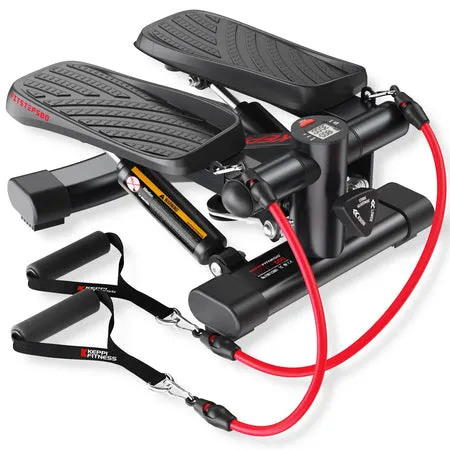
A mini stepper machine that clicks, slips, or stops mid-session almost always needs one of three fixes: a tightened bolt, a lubricated joint, or a reset hydraulic cylinder. Below is the step-by-step troubleshooting that covers the common failures, plus the care routine that keeps a compact mini stepper running quietly for years.
Why Your Mini Stepper Clicks and How to Stop It
A clicking sound on every stride is usually metal-on-metal contact at the pedal hinge or the connecting arm. Over time, the hex bolts that hold the pedals to the frame work themselves loose, and that play produces the click. Tighten every visible bolt and screw with an Allen key or a socket wrench, then test a few strides.
If the click persists after tightening, the joint needs lubrication. Use a silicone spray or white lithium grease on the pivot points, never a penetrating oil like WD-40, which washes out internals rather than protecting them. Apply, wipe off excess, and cycle the pedals a dozen times to work the lubricant in.
A clicking sound can also come from the hydraulic cylinders when they run dry. These are the small piston units that provide resistance; if they make a rasping or clicking noise, a drop of silicone on the rod where it enters the cylinder housing often silences them. If the click remains after all joints are tight and lubricated, the cylinder itself may be failing and is the part to replace.
What to Do When the Pedals Slip or Skip
Pedal slip falls into two categories: your foot slides on the pedal surface, or the stride itself skips mid-motion. Foot slip is the easy one. Wipe the pedals clean and wear grippy shoes; bare feet on smooth metal or plastic pedals are a recipe for sliding, which is also a genuine safety risk on a stepper.
A skipping stride, where the pedal abruptly drops or hesitates, points to the hydraulic cylinder or the connecting pin. Check that the pin that joins the pedal arm to the cylinder is seated fully and not bent. A bent or partially ejected pin causes erratic motion and will wear the cylinder socket quickly. Straighten or replace the pin and reseat it.
For a stepper that skips only under load, the bypass valve inside the hydraulic cylinder has likely worn. This is not user-serviceable, so the practical fix is a replacement unit or a new stepper. If your unit is still within warranty, contact the retailer before opening anything you could void.
My Mini Stepper Stopped Working: The Usual Culprits
The most common cause of a dead stepper is a loose or disconnected battery terminal on the console, but a true mechanical stop is almost always the hydraulic cylinders. Each cylinder is filled with fluid that provides resistance; when a cylinder loses its fluid seal, it stops resisting and the pedal free-falls, or it seizes entirely and the pedal will not move.
Test both cylinders: if one pedal moves smoothly and the other sticks or drops, that cylinder is at fault. Replacement cylinders are commonly available and are typically held in with two pins, making them a 10-minute swap on most models. On a machine where both sides seized together, the linkage is more likely the issue, so inspect the central drive mechanism for a seized bearing or a jammed bolt.
Before you assume the worst, remove the resistance caps or rings if your model has adjustable resistance. These sit over the cylinder rods, and if they have slipped out of their groove, they can fully block motion. Reseating a resistance cap restores function instantly at zero cost.
Care Routine That Prevents Future Breakdowns
A mini stepper machine for home that lives in a corner and gets used daily needs a simple care schedule. Wipe the frame and pedals down after each session to stop sweat from corroding fasteners. Monthly, tighten all visible bolts, lubricate the pivot points, and inspect the hydraulic cylinders for fluid leaks around the rod seal.
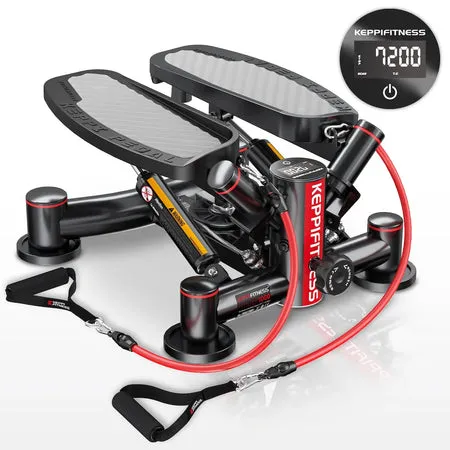
Store the stepper off a carpet if possible; a soft, uneven surface lets the frame flex and can stress the linkage. Keep it away from direct heat sources, which can degrade the cylinder seals over time. The quick stepper and other compact models benefit from a quick monthly check, and the routine takes under five minutes.
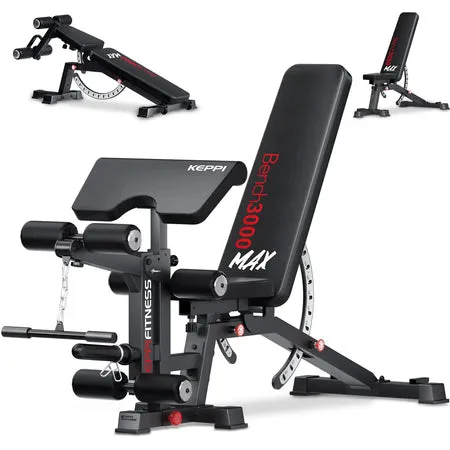
If you pair your stepper with other home gear, the same habit applies. The keppi weight bench 6000 and a set of 25 lb dumbbells will also serve better with a monthly bolt check, and the weight bench set is a natural partner for a full-body circuit that starts with five minutes on the stepper.
When It Is Time to Replace Your Stepper
If you have tightened, lubricated, and tested, and the clicking or slipping is still there, replacing the unit is often the smarter call than chasing a failing cylinder. A stepper with worn hydraulics will never feel smooth again, and a machine that misbehaves mid-workout is one you will stop using.
The best mini stepper machine for most homes costs less than you might expect, and the price of a new unit is usually close to the cost of buying and fitting two replacement cylinders. If your current machine is more than three years old and heavily used, replace it. For a lighter user, the small stepper and the compact mini stepper are built for steady, low-impact daily use, while anyone pushing harder should look at a model with heavier resistance.
For a solid overview of what separates good steppers from bad ones, the experts at Wirecutter and the tests at Garage Gym Reviews go deep into build quality and resistance, and CNN’s coverage is worth reading for realistic expectations on step counts and pacing.
Getting the Best Value on a Replacement
New steppers are heavily discounted around sales events, so it pays to check the latest price before you buy. We always grab the code when we link readers to a stepper, and the current offer is a flat 6% off all orders.
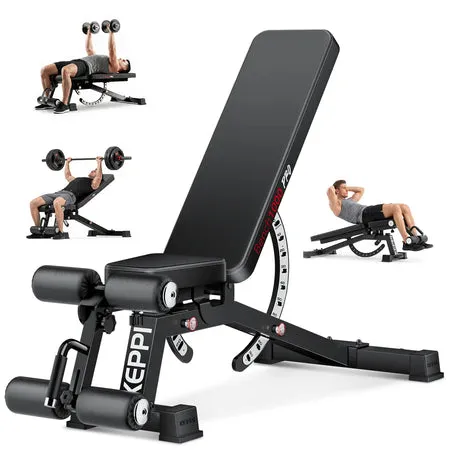
If you are replacing a stepper that gave out, try pairing the new unit with the rest of your home setup. A short stepper warm-up in front of a top rated weight bench with a pair of 40 lb dumbbells on hand makes for an efficient 30-minute session, and the stepper becomes the cardio anchor instead of the whole workout.
The Bottom Line on a Clicking, Slipping, or Dead Stepper
The mini stepper machine is one of the most fixable pieces of home cardio equipment you can own. Tighten the bolts, lubricate the pivots, inspect the hydraulic rods, and you resolve the vast majority of clicks, slips, and stops without spending a cent. When the hydraulics are truly gone, replace the machine rather than the parts, and lock in a discount with the coupon page so the replacement does not strain the budget.
Questions
Can I use WD-40 on my stepper's pivot joints to stop the clicking?
No, penetrating oils like WD-40 wash out grease and can make the click worse or damage the joint over time. Use a silicone-based spray or white lithium grease on the pivots instead.
Why does one pedal on my stepper drop faster than the other?
That is a classic sign of a worn or leaking hydraulic cylinder on that side. The fluid seal has failed, so the piston no longer provides even resistance. The cylinder needs replacing.
Is it safe to use a mini stepper machine on carpet?
It works, but a soft or uneven carpet lets the frame flex and can stress the linkage over time. A hard, level surface is better for the machine, and it stops the click that uneven contact creates.
How often should I lubricate my stepper to keep it quiet?
Once a month is plenty for regular daily use. Apply silicone spray to the pivot points, cycle the pedals a few times, and wipe off the excess grease.
My stepper console won't turn on. Is the machine broken?
Usually not. Check the battery terminals for corrosion and make sure the battery door contacts are seating properly. Only inspect the hydraulics if the console dies alongside a mechanical failure.
Do I need special tools to tighten a loose stepper pedal?
Most steppers use standard hex bolts, so an Allen key set will cover almost everything. A small socket wrench helps on models with nuts on the underside. Both are cheap.
Products in this guide
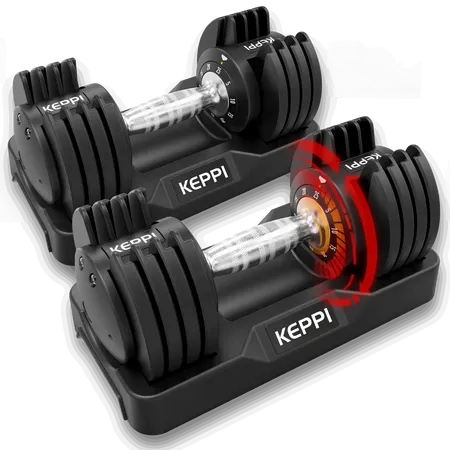 Shopping at Keppi Fitness? See the discount code
6% OFF All Orders
Shopping at Keppi Fitness? See the discount code
6% OFF All Orders
More in this series
Best Weight Bench and Dumbbell Set Combinations for Small Home Gyms19 Aug 20265 minHow to Secure Olympic Barbell Collars Properly: Spring Clips vs Other Types19 Aug 20265 minDo Mini Steppers Actually Work? What to Expect from Compact Stepper Machines19 Aug 20266 minHow to Choose the Right Dumbbell Weight: 25 Lb vs 40 Lb for Your Fitness Level19 Aug 20265 minKeppi Weight Bench 6000 Review: Is This Adjustable Bench Worth It for Home Gyms?19 Aug 20263 min