 A TanmuCare guide
Does a Scalp Gua Sha Comb Actually Reduce Hair Loss?
The najeau gua sha scalp comb promises thicker hair and less shedding through acupressure, but evidence shows the real benefit is improved scalp circulation and stress relief.
The najeau gua sha scalp comb won’t magically stop hair loss on its own, but it can support scalp health through massage and improved blood flow. If you’re looking for a tool that combines the gua sha tradition with practical hair care, this comb is worth considering alongside a solid routine.
What a Najeau Gua Sha Scalp Comb Actually Does
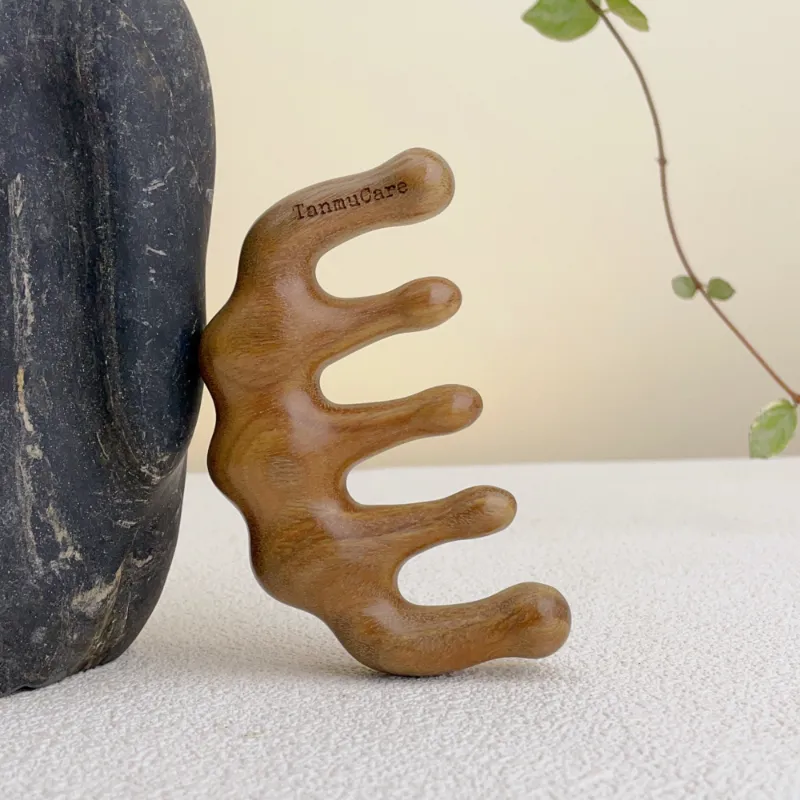
The najeau gua sha scalp comb works by stimulating your scalp through gentle scraping and massage strokes. Unlike a standard comb, the textured teeth and curved edges apply acupressure to trigger points on your head. The idea is rooted in traditional gua sha practice, which emphasizes releasing tension and moving stagnant energy.
In practical terms, this means the comb can:
- Increase blood circulation to hair follicles when used regularly
- Reduce scalp tension and stress-related tightness
- Help distribute natural oils along the hair shaft
- Provide a mild exfoliating effect to remove buildup
The tool itself usually feels good to use. Many people report a relaxing sensation during a short daily massage session.
Does It Actually Prevent Hair Loss?
Hair loss has multiple causes: genetics, hormones, stress, nutrition, and medical conditions all play roles. No single tool can reverse genetic hair loss. However, a najeau gua sha scalp comb can address one contributing factor: poor scalp circulation.
When you massage your scalp consistently, you improve blood flow to follicles, which may help them stay in the growth phase longer. Stress relief is another real benefit, chronic stress can push more hairs into a shedding phase, so reducing tension may help. A few small studies suggest that scalp massage can modestly increase hair thickness over weeks of use.
The catch is that results depend on consistency, technique, and what else you’re doing for your hair. If your loss stems from genetics alone, the comb won’t be a fix. If it’s stress-related or your scalp is just tight and underserved, you may notice a real difference in shedding and regrowth after 8 to 12 weeks of regular use.
How to Use a Gua Sha Scalp Comb Properly
Start with dry or damp hair. Divide your scalp into sections and use the comb with firm but gentle pressure, moving from the nape of your neck upward toward the crown. Aim for 2 to 3 minutes per section, focusing on areas where you feel tension or where hair loss is most noticeable.
The key is consistency. One use won’t help. Daily or every-other-day sessions work best. Many people do this while watching TV or as part of their morning routine.
If you have a sensitive scalp or active scalp conditions like psoriasis, check with a dermatologist before starting. The massage itself should feel soothing, not painful.
Najeau Gua Sha Scalp Comb vs. Other Scalp Tools
The market offers several options for scalp massage and hair care. Here’s how the najeau gua sha scalp comb stacks up:
| Tool | Best For | Durability |
|---|---|---|
| Najeau gua sha scalp comb | Traditional acupressure and gentle exfoliation | Natural stone, lasts years |
| Stone comb | Lightweight, cool-to-touch sensation | Smooth but brittle if dropped |
| Sandalwood hair comb | Scent and wood grain appeal | Prone to warping over time |
| Electric scalp massager | Hands-free vibration | Battery dependent, needs charging |
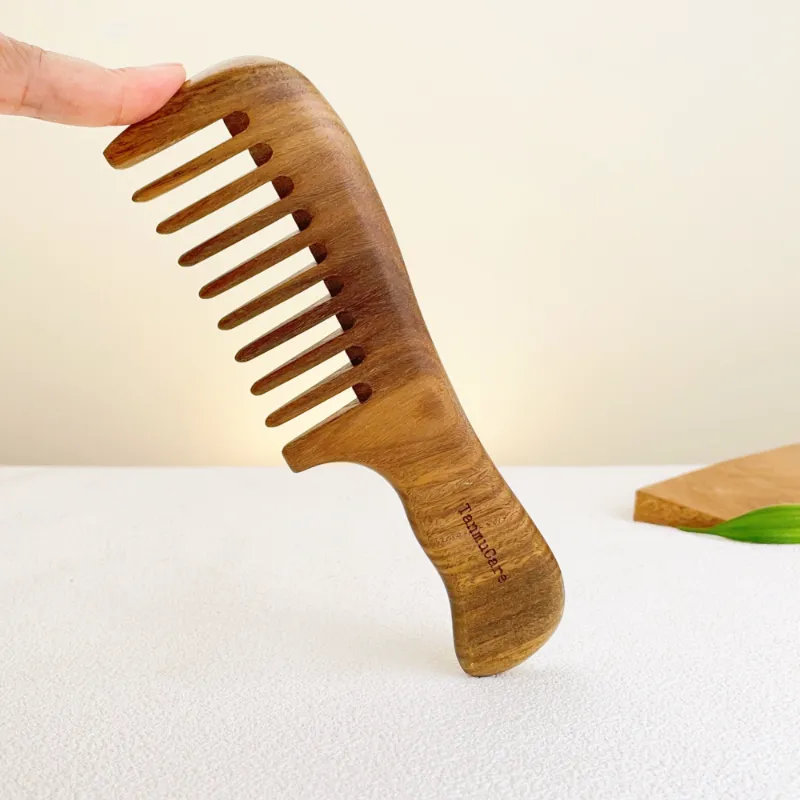
If you like the ritualistic, hands-on feel of massage, the najeau gua sha scalp comb wins. If you prefer convenience and want vibration, an electric option might suit you better. For everyday combing that doubles as light massage, a sandalwood comb or stone comb is simpler and doesn’t require technique.
Materials and Quality to Look For
The best scalp combs are made from durable, non-porous materials that won’t harbor bacteria. Natural stone, like the najeau gua sha scalp comb: checks this box. Stainless steel and high-quality wood like sandalwood are also solid choices.
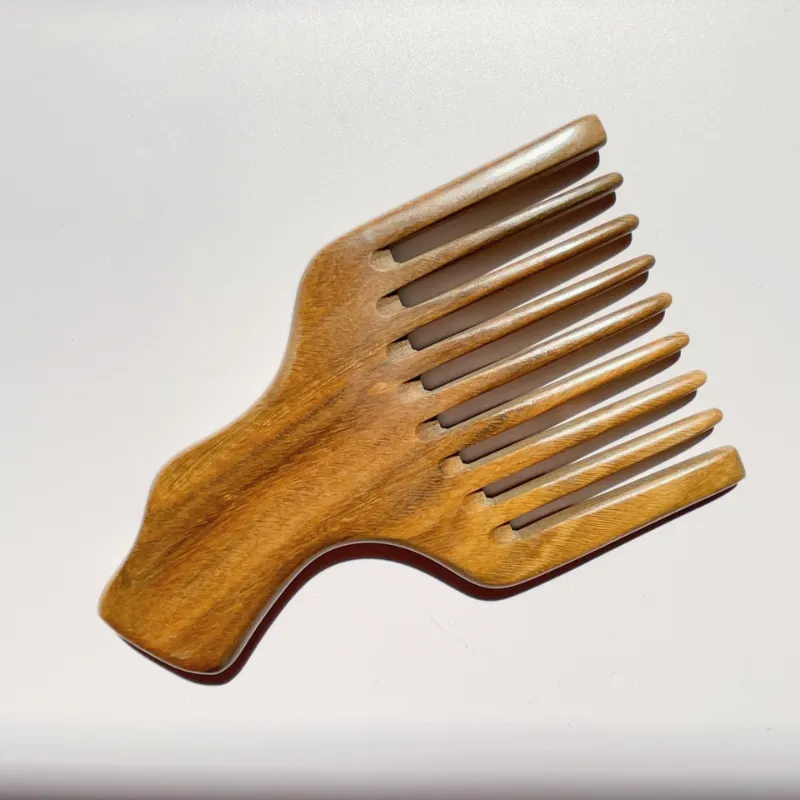
Avoid plastic combs for gua sha massage; they don’t hold temperature, chip easily, and feel cheap in hand. If you’re drawn to wood tools like wooden beard picks or natural sandalwood massage combs, seal them regularly with food-grade oil to prevent splitting.
Check that the teeth spacing suits your hair type. Wider teeth work for curly or thick hair; tighter spacing works for fine or straight hair. The natural sandalwood massage wide-tooth curly hair pick comb is specifically designed for texture, while the lemur tooth comb appeals to those who want a sculptural design alongside function.
Who Should Actually Use a Gua Sha Scalp Comb
This tool works best for people who:
- Experience stress-related tension headaches or tight scalps
- Have early-stage hair thinning (not severe genetic loss)
- Enjoy self-care rituals and massage practices
- Want to improve scalp health as part of a broader routine
- Have normal to dry scalps and good hair health otherwise
It’s less effective if you have severe androgenetic alopecia, active scalp infections, or if your hair loss is primarily medical. In those cases, see a dermatologist first.
For general scalp wellness and a pleasant daily habit, most people benefit from regular use. The najeau gua sha scalp comb is portable, requires no batteries, and fits easily into a morning or evening routine.
Getting Started with TanmuCare
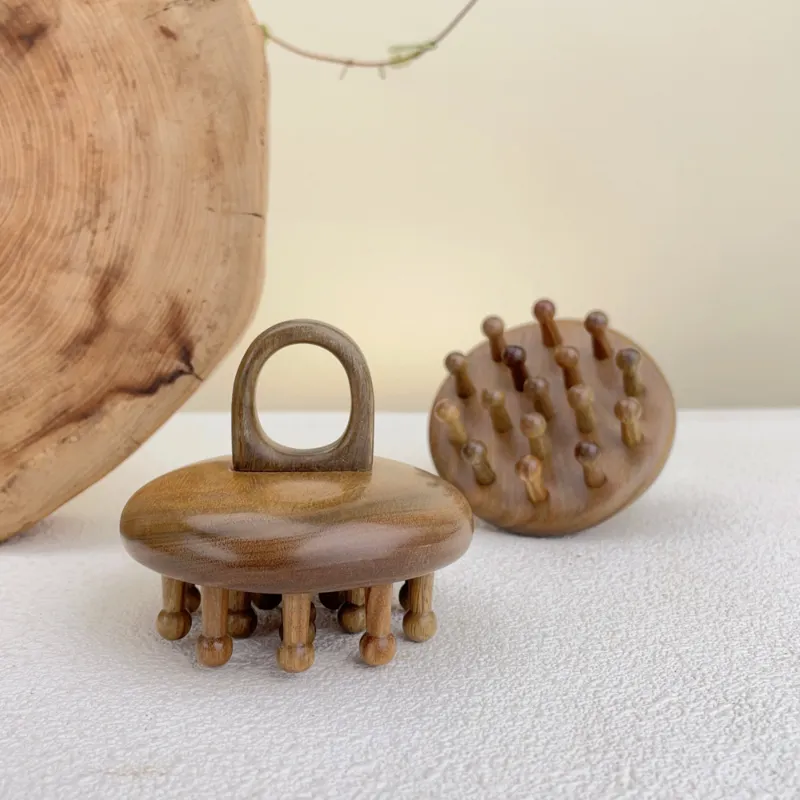
If you’re ready to try a scalp gua sha tool, grab the code to get 5% off all orders, including the najeau gua sha scalp comb and other massage and grooming tools. TanmuCare carries several options, from the stone and wood combs to gua sha tools for body and gua sha neck options if you want to expand your massage practice.
Start with a consistent 4-week trial before deciding whether the results justify adding it to your routine. Track your shedding and how your scalp feels. Combined with a solid shampoo, conditioner, and stress management, a gua sha scalp comb can be a meaningful part of a hair-health strategy.
Questions
Can a najeau gua sha scalp comb replace medical treatment for hair loss?
No. A gua sha scalp comb supports scalp health but cannot treat genetic or hormonal hair loss. If you're experiencing significant shedding, see a dermatologist to rule out underlying conditions.
How often should I use a scalp gua sha comb?
Daily or every other day for 2 to 5 minutes works best. Consistency matters more than duration. Most people see changes in scalp feel and circulation within 2 to 4 weeks.
Is the najeau gua sha scalp comb safe for all hair types?
Yes, but technique matters. Use gentle to medium pressure. If you have an active scalp condition like psoriasis or a sensitive scalp, consult a dermatologist first.
What's the difference between a gua sha scalp comb and a regular comb?
A gua sha comb has textured, curved edges designed to apply acupressure during massage. A regular comb just detangles. A gua sha comb doesn't replace your everyday comb.
Can I use a stone comb or sandalwood comb instead of a najeau gua sha scalp comb?
Stone and wood combs offer gentler massage and are better for daily combing. The najeau gua sha scalp comb is designed specifically for acupressure technique, so results differ. Choose based on your goal: light massage or targeted acupressure.
Products in this guide
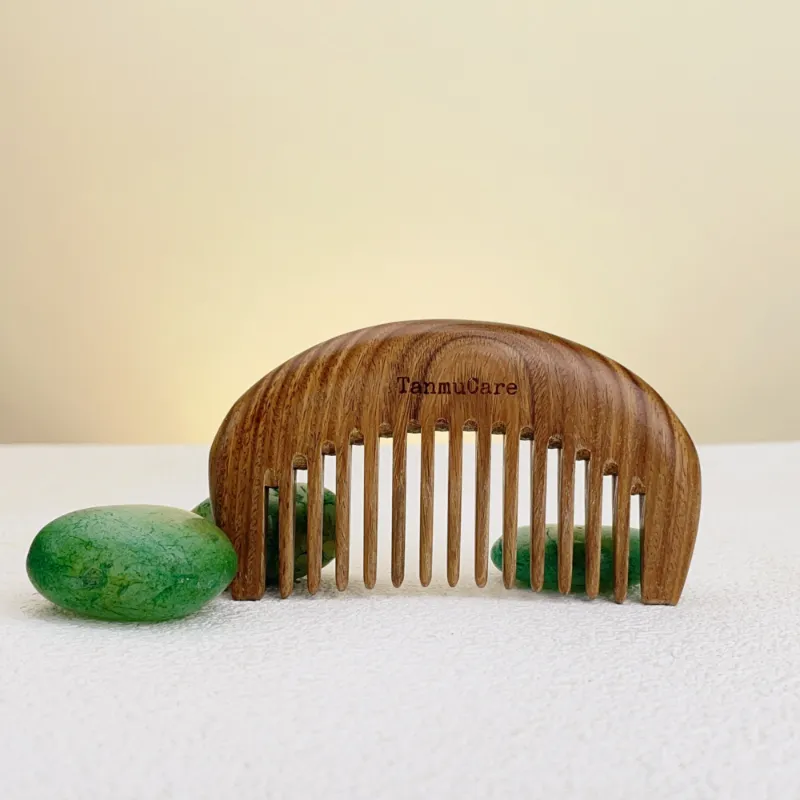
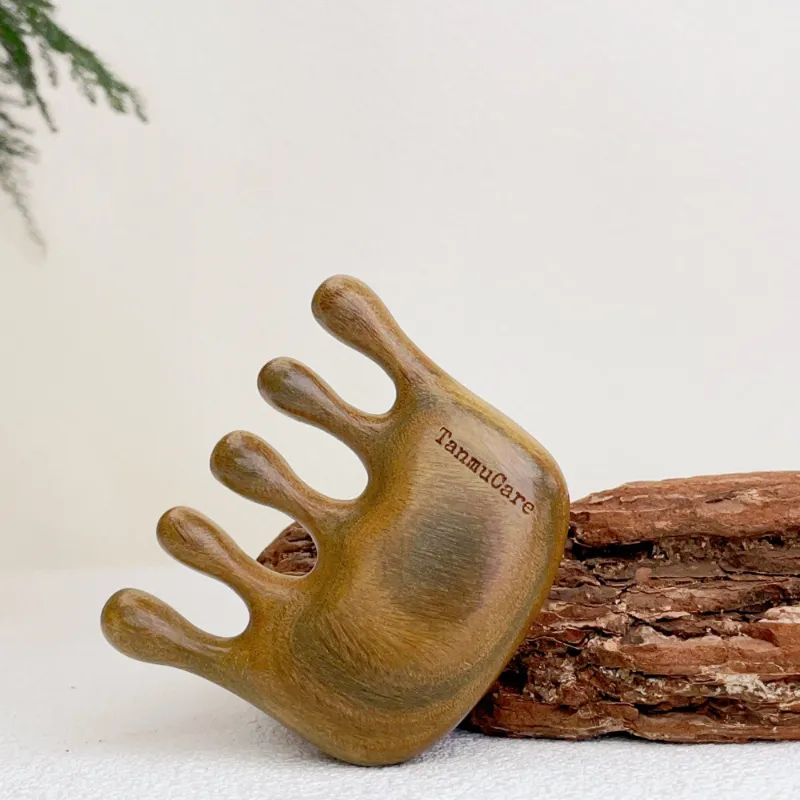 Shopping at TanmuCare? See the discount code
5% OFF All Orders
Shopping at TanmuCare? See the discount code
5% OFF All Orders
More in this series
How Gua Sha Tools for Body Work for Muscle Tension and Soreness2 Sep 20264 min Ear Massagers vs Manual Massage: What Actually Works for Tension Relief2 Sep 20264 minSandalwood Hair Combs for Curly Hair: Benefits and Durability2 Sep 20264 minBest Wooden Beard Picks for Thick and Curly Beards: Sandalwood vs Blackwood2 Sep 20264 minHow to Use a Gua Sha Tool for Neck Tension and Lymphatic Drainage2 Sep 20264 min