 A TanmuCare guide
Ear Massagers vs Manual Massage: What Actually Works for Tension Relief
An ear massager targets tension differently than manual massage, but both methods work—here's what actually delivers results.
An ear massager targets tension differently than manual massage, but both methods work for different types of relief. Your ears hold acupressure points connected to your whole body, so stimulating them can ease headaches, jaw tightness, and stress. The choice between an electric ear massager and hands-on techniques depends on your schedule, comfort level, and the specific tension you’re treating.
How an Ear Massager Works vs Manual Massage
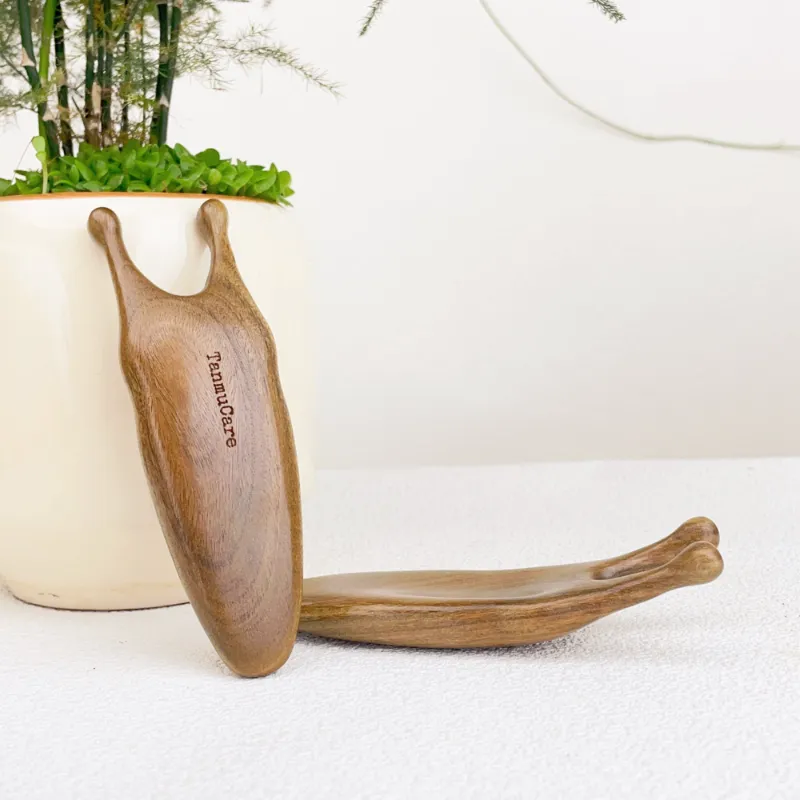
An ear massager uses gentle vibration to stimulate the delicate structures in and around your ear. The vibrations reach acupressure points that trigger relief through auriculotherapy, a practice rooted in Traditional Chinese Medicine. Manual massage, by contrast, relies on your fingertips or a tool like a gua sha neck piece to apply direct pressure and friction.
Manual techniques give you total control over pressure and speed. You can adjust instantly if something feels wrong. Ear massagers deliver consistent vibration patterns that work passively, so you’re free to relax while the device does the work. Both approaches stimulate the same pressure points, the method you choose comes down to convenience and how your body responds.
When to Use an Ear Massager for Tension Relief
An electric ear massager shines when tension lives at the base of your skull, jaw, or temples. If you spend hours at a desk or carry stress in your neck, targeted vibration at the ear can unblock that tightness. Many people find that using an ear massager for 5 to 10 minutes a day reduces headache frequency and loosens clenched jaw muscles.
Ear massage also works well for sinus pressure. Ear massage techniques can ease sinus congestion and pain by stimulating drainage pathways around the ear. If congestion or sinus tension is your main complaint, consistent use of an ear massager often outperforms manual techniques because the steady vibration keeps working throughout the session.
The best time to use an ear massager is evening or before bed, when you’re winding down. Avoid using it right before important tasks, some people feel deeply relaxed afterward and might need rest.
Manual Massage Tools That Compare
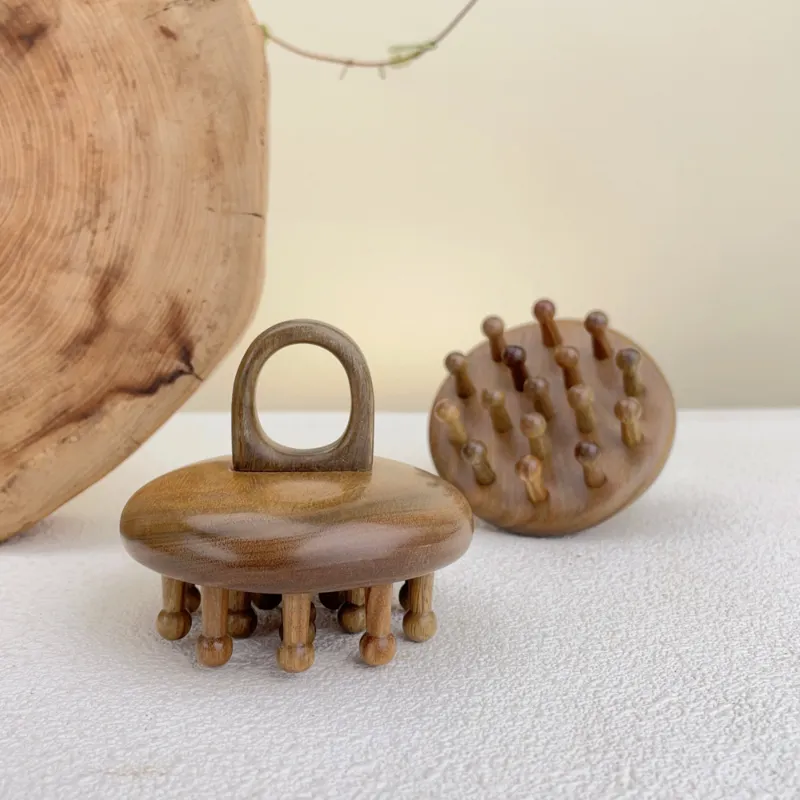
Manual tools like a blackwood men’s eye & facial massager or gua sha tools for body give you hands-on precision for tension relief. With manual pressure, you can target exact spots where you feel tightness and hold pressure longer if needed. Many people prefer this control, especially if they’re addressing acute pain or specific trigger points.
The trade-off is effort. Manual massage requires you to work the area yourself, which takes focus and physical energy. If you’re already tired or dealing with arm tension, this can feel like another task rather than relief.
For best results with manual techniques, massage for ear pain works when you apply steady pressure to points behind the ear and along the jawline. Combining a manual tool with technique, like the way you’d use a gua sha neck piece, gives you targeted results without electricity.
Ear Massager vs Manual: Comparison Table
| Factor | Ear Massager | Manual Massage |
|---|---|---|
| Consistency | Steady vibration, hands-free | Depends on your technique |
| Effort | Passive, zero active work | Requires focus and physical input |
| Precision | Fixed vibration pattern | Full control over pressure and speed |
| Best for | Daily tension maintenance, sinus relief | Acute pain, specific trigger points |
| Time | 5 to 10 minutes typical session | 10 to 15 minutes for thorough work |
Material Matters: Stone and Natural Wood Tools
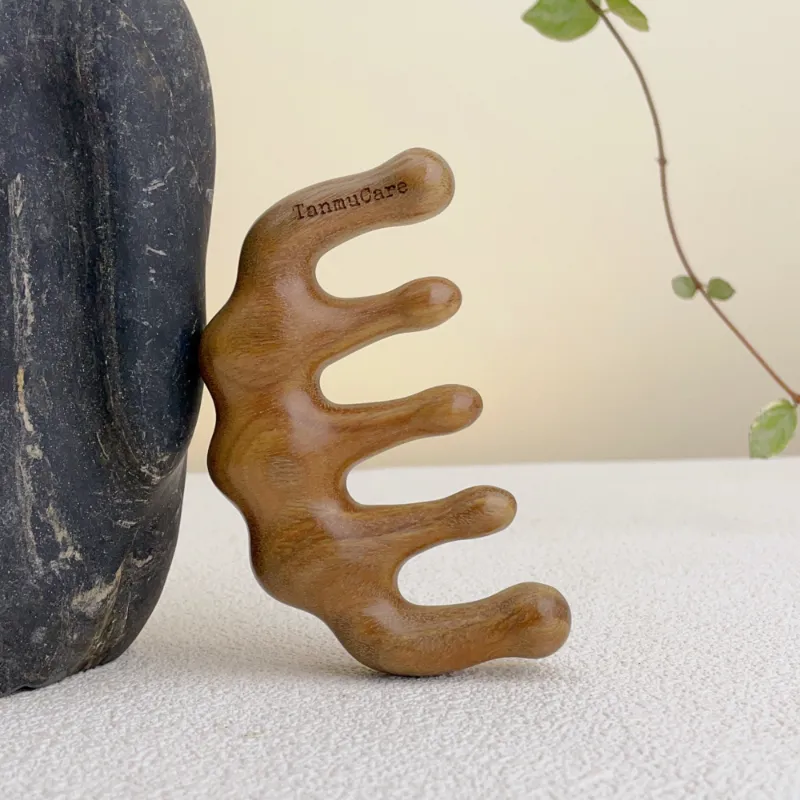
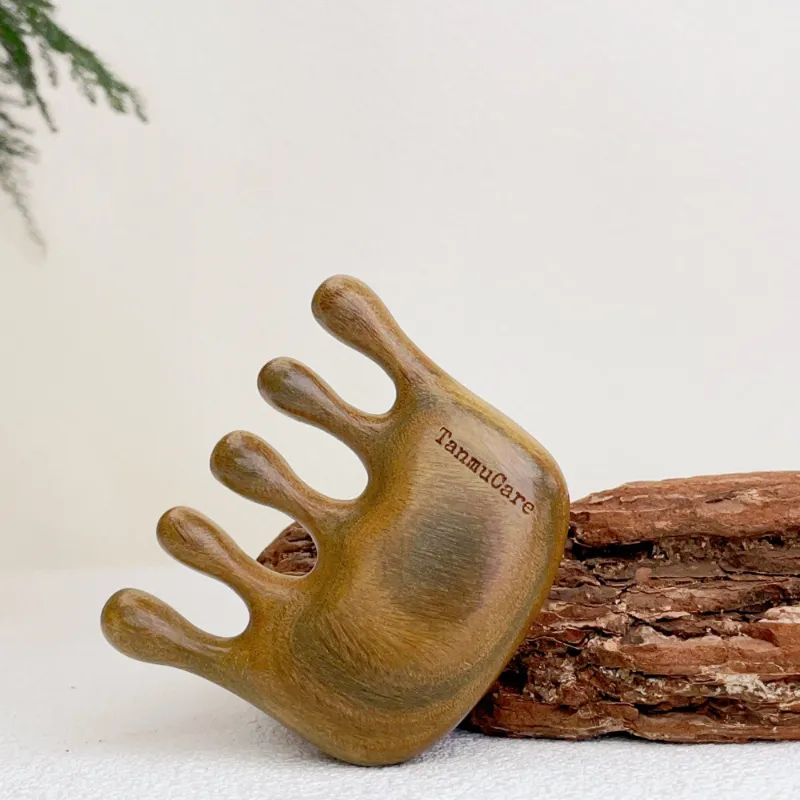
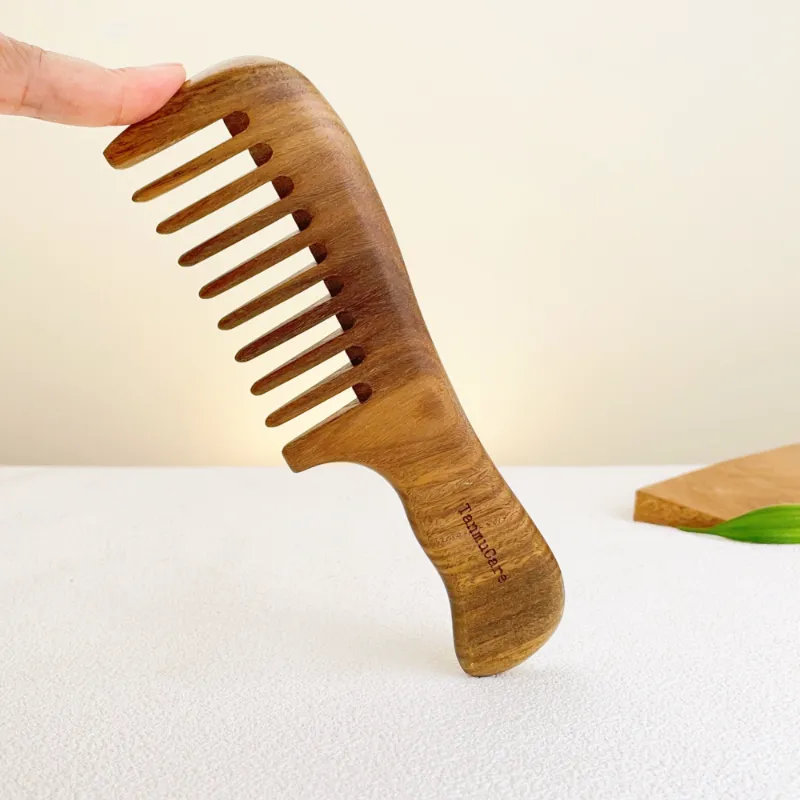
If you lean toward manual massage, the material of your tool shapes how it feels and performs. Stone tools like a stone comb offer cool-to-touch relief and stay cool throughout use, which many people find soothing for inflammation. Wood tools, such as the sandalwood comb, warm with your skin and feel gentler on sensitive ears.
Natural materials also tend to glide more smoothly across skin than plastic, which reduces friction irritation. A najeau gua sha scalp comb made from real stone or sandalwood performs better than synthetic alternatives because the density supports steady pressure without slipping.
Building a Tension Relief Routine
The most effective approach often combines both methods. Use an ear massager in the evening for 10 minutes to release daily buildup, then once or twice weekly use manual tools to address specific tight spots. This mix keeps you from overworking any single area and lets you benefit from both passive relief and precision control.
Consistency matters more than intensity. Five minutes of daily ear massage outperforms a single aggressive session. Many people report that tension relief builds gradually, you might not feel dramatic results after one use, but after two weeks of regular practice, headaches ease and jaw tightness noticeably improves.
If you’re ready to start, grab the code for 5% off TanmuCare tools to build your relief kit affordably.
Who Benefits Most from Each Method
An ear massager suits people who want passive relief without learning technique. If you travel, have limited time, or prefer set-it-and-relax tools, an electric ear massager fits your life. It’s also ideal if you have arthritis or hand weakness that makes manual massage difficult.
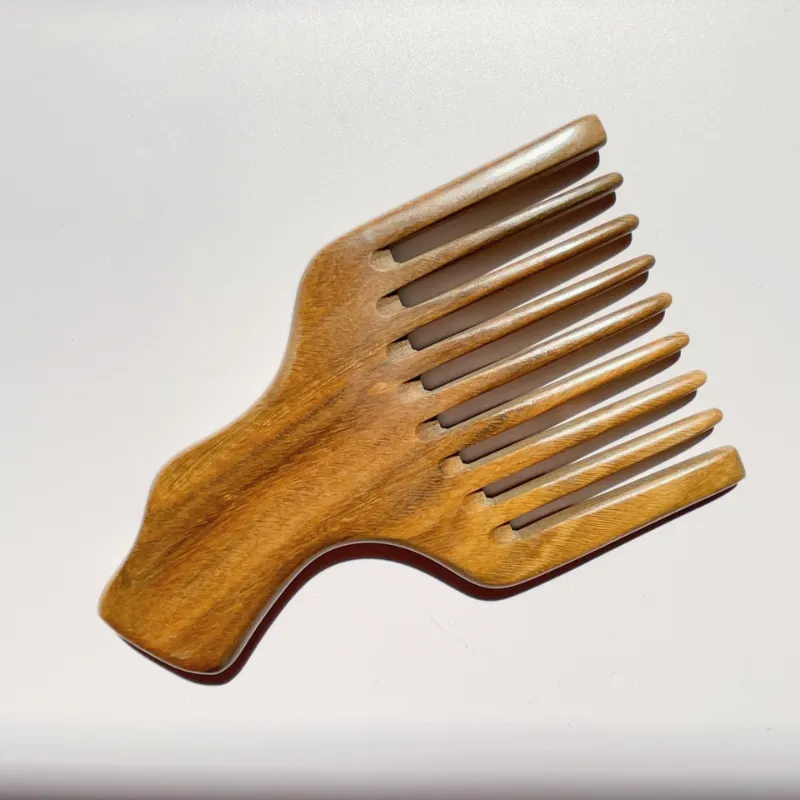
Manual massage works better for people who like control and precision. If you’re sensitive to vibration, prefer gentler pressure, or want to focus on a single painful spot, hand-applied techniques using tools like a wooden beard pick or manual gua sha tool give you that flexibility. Manual work also suits people exploring acupressure and wanting to learn their own body’s pressure points.
Neither method is objectively better, they solve different problems. An ear massager handles maintenance and prevention. Manual massage handles acute tension and personalized relief. Check the latest price on TanmuCare’s full range to find the tool that matches your needs.
Questions
How often should I use an ear massager for tension relief?
Most people see best results using an ear massager 5 to 10 minutes daily or 4 to 5 times per week. Consistency matters more than duration. Start with a few minutes and adjust based on how your body responds.
Can an ear massager really help with headaches and sinus pressure?
Yes. Ear massage stimulates acupressure points connected to sinus drainage and tension pathways. Many people report reduced headache frequency and sinus relief within two weeks of regular use, though results vary by individual.
What's the difference between an ear massager and a manual gua sha tool?
An ear massager delivers consistent vibration passively while you relax. A manual tool like gua sha gives you full control over pressure, speed, and placement, but requires active work on your part.
Is a stone or wooden ear massager better than electric?
Neither is objectively better, it depends on your preference. Stone tools stay cool and suit people who dislike vibration; wooden tools warm with your skin and feel gentle. Manual tools give precision; electric tools offer hands-free consistency.
Can I use an ear massager if my ears are sensitive?
Start with the lowest vibration setting and use it for just a few minutes to see how your ears respond. If sensitivity persists, switch to a manual technique instead. Some people do better with manual pressure than vibration.
How long does it take to feel tension relief from ear massage?
Some people feel immediate relaxation in their jaw and temples after one session. For lasting tension relief, most people notice clear improvement after two to three weeks of consistent use.
Products in this guide
 Shopping at TanmuCare? See the discount code
5% OFF All Orders
Shopping at TanmuCare? See the discount code
5% OFF All Orders
More in this series
How Gua Sha Tools for Body Work for Muscle Tension and Soreness2 Sep 20264 minSandalwood Hair Combs for Curly Hair: Benefits and Durability2 Sep 20264 minDoes a Scalp Gua Sha Comb Actually Reduce Hair Loss?2 Sep 20264 minBest Wooden Beard Picks for Thick and Curly Beards: Sandalwood vs Blackwood2 Sep 20264 minHow to Use a Gua Sha Tool for Neck Tension and Lymphatic Drainage2 Sep 20264 min