 A Lakinza K-beauty guide
Rice Skin Care Benefits: Why K-Beauty Swears by Fermented Rice
Rice skin care harnesses fermented rice extract to brighten, hydrate, and strengthen your skin barrier with centuries-old Korean beauty wisdom.
Rice skin care delivers visible brightening and deep hydration by tapping into fermented rice extracts that Korean beauty brands have perfected over generations.
Why Rice Skin Care Products Work
Korean rice skin care products rely on fermented rice water, rice bran oil, and rice extract, ingredients packed with amino acids, vitamins B and E, and ferulic acid. Research confirms that rice derivatives improve skin barrier function, reduce hyperpigmentation, and deliver antioxidant protection against environmental stress.
Fermentation amplifies these benefits by breaking down molecules into smaller, more absorbable compounds. The process also generates enzymes and probiotics that calm inflammation and support your skin’s microbiome. That’s why fermented rice toner and essence have become staples in multi-step Korean routines.
Unlike harsh exfoliants or potent actives, rice-based formulas suit sensitive skin types. They brighten without irritation, making them ideal for daily use and safe to combine with retinol, niacinamide, or vitamin C.
Best Rice Skin Care Products for Your Routine
Here’s how these products compare by key rice ingredient:
| Product | Key Rice Ingredient | Best For |
|---|---|---|
| Lakinza numbuzin | Fermented rice extract | Brightening and texture refinement |
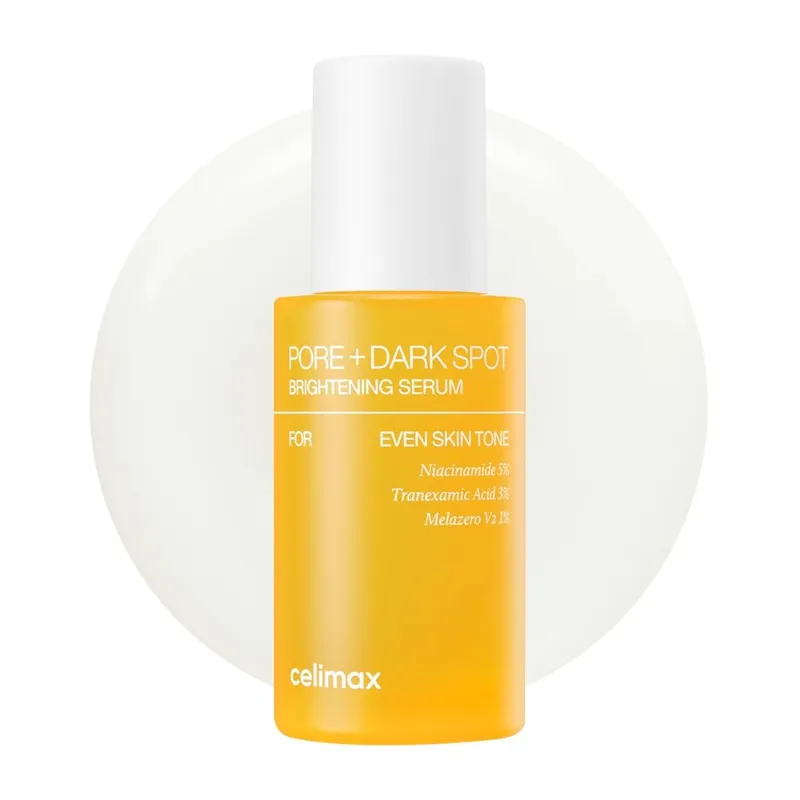
| celimax pore+dark spot brightening serum 30ml | Rice bran extract | Fading dark spots and tightening pores |
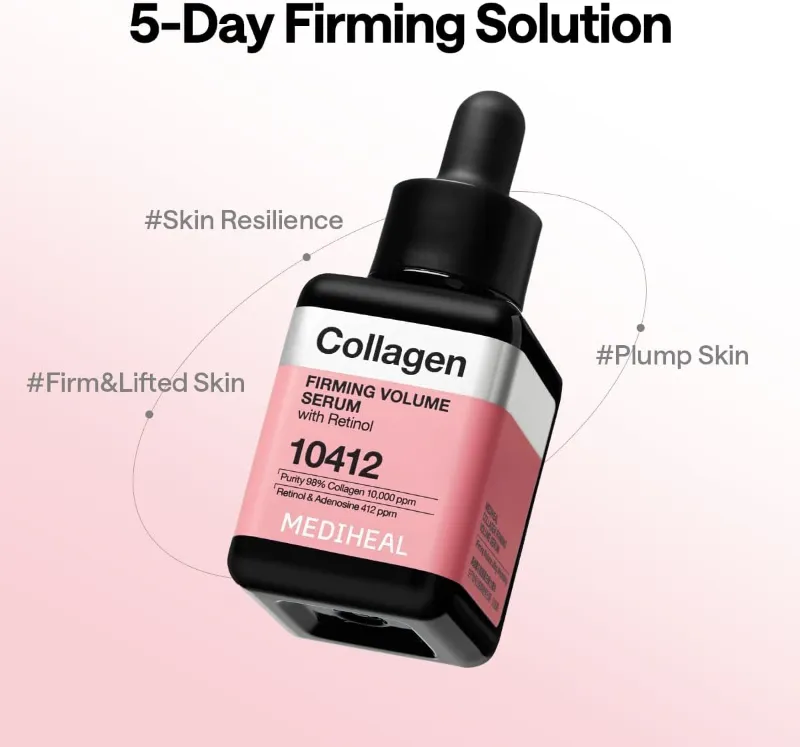
| dodo skin mediheal firming volume serum | Rice peptides | Plumping and firming mature skin |
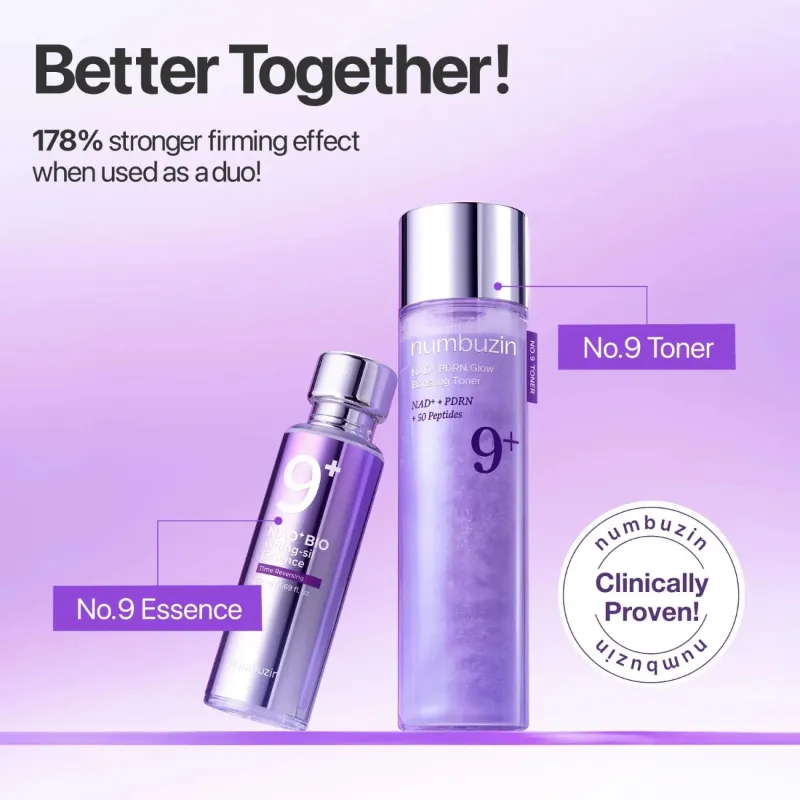
The Lakinza numbuzin line uses a fermented rice water base. Pair it with the celimax pore+dark spot brightening serum 30ml if hyperpigmentation is your primary concern, the rice bran and niacinamide combo targets stubborn marks without dryness.
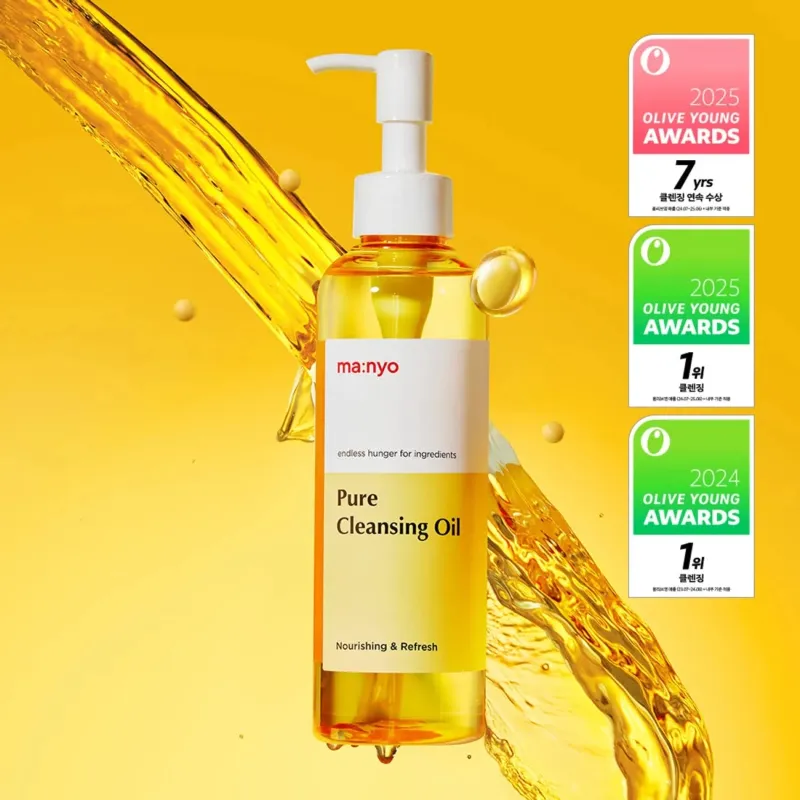
For a complete regimen, start your cleanse with ma:nyo pure cleansing oil. It melts makeup and sunscreen while rice bran oil nourishes instead of stripping. Follow with a rice toner, then layer your serums from thinnest to thickest. Grab the latest discount to bundle these essentials.
Building Your Rice Skin Care Routine
A proper rice-focused routine balances hydration, brightening, and barrier support. Here’s the order we recommend:
- Double cleanse: Oil cleanser (rice bran-based if possible), then a gentle foam or gel
- Prep: Fermented rice toner or essence patted into damp skin
- Treat: Brightening or firming rice serum on target areas
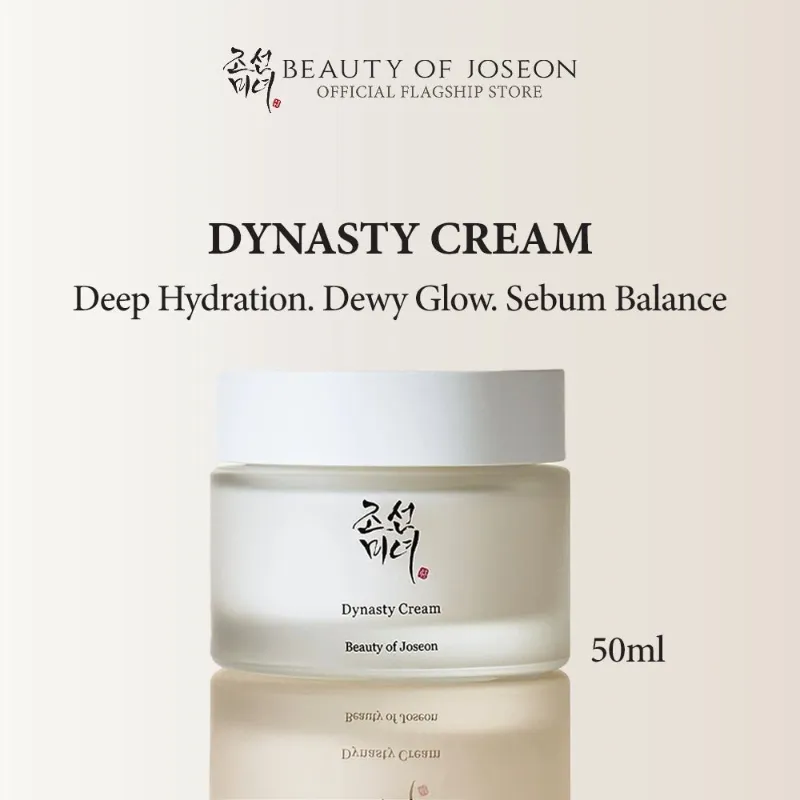
- Seal–Korean vegan moisturizer to lock in hydration
- Protect: SPF 50+ every morning (non-negotiable)
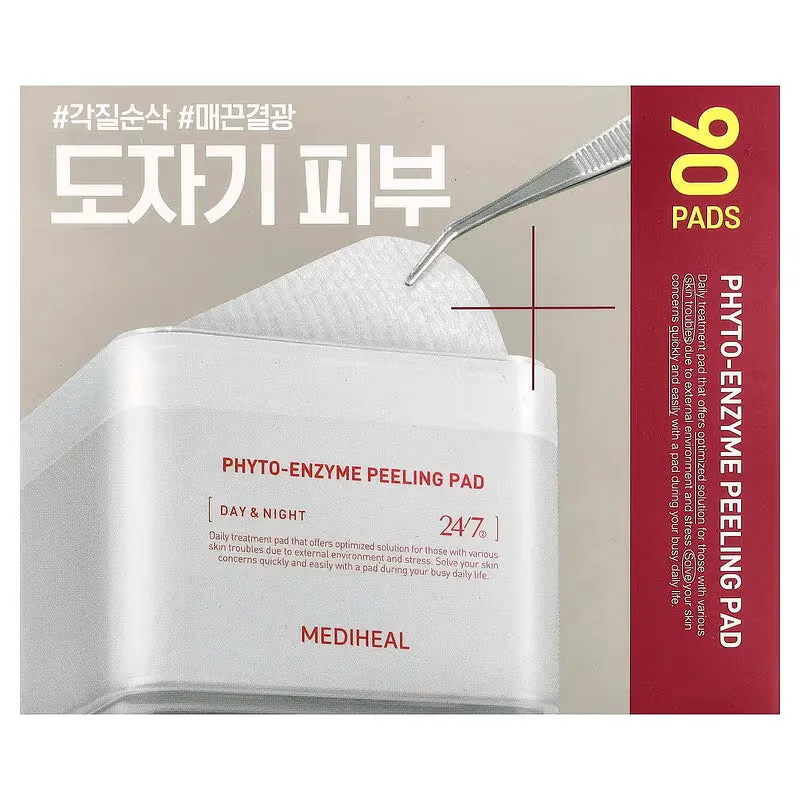
Twice a week, swap your evening toner for the mediheal phyto-enzyme peeling pad. Its gentle enzyme exfoliation removes dead cells so your rice serums absorb deeper.
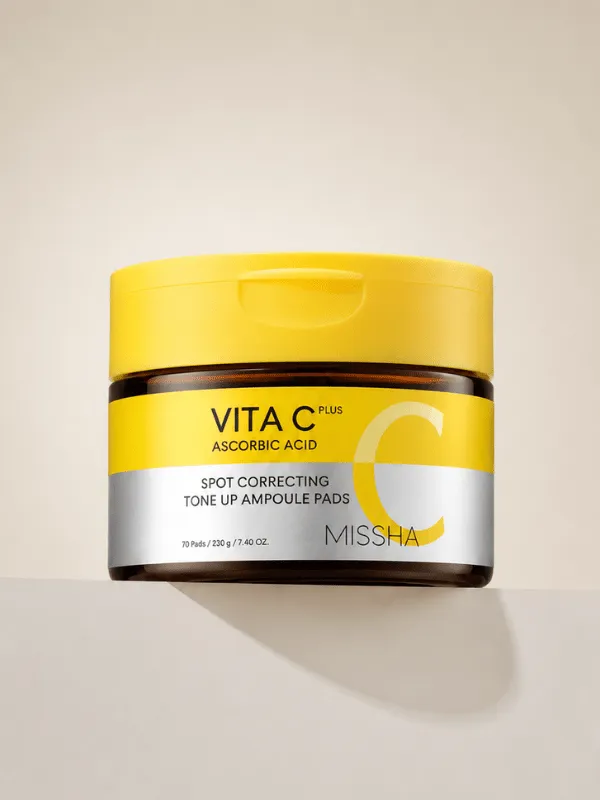
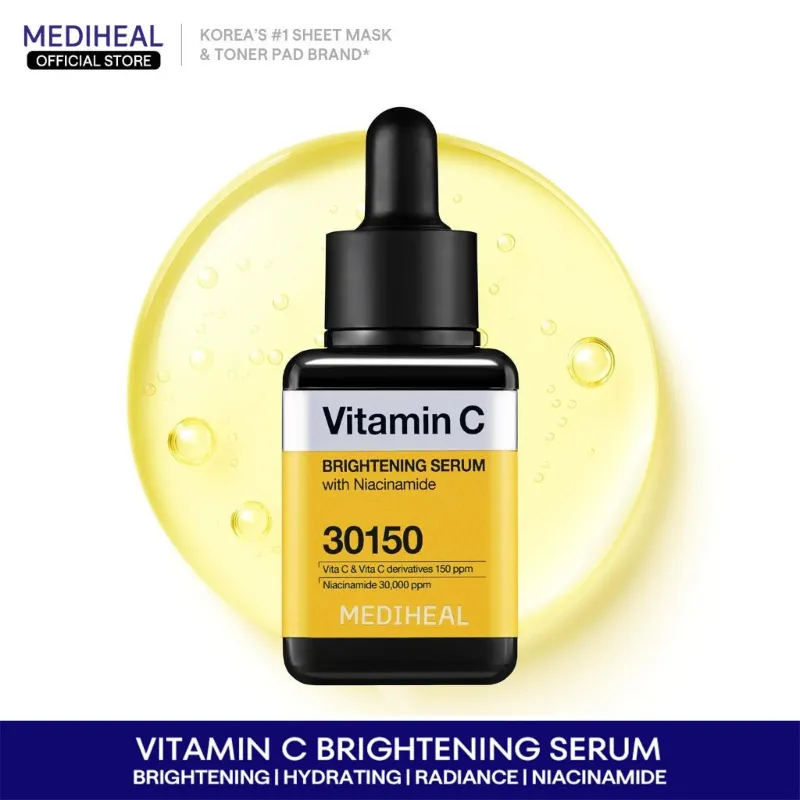
For those combining actives, apply your best korean vitamin c serum in the morning under sunscreen, and reserve your rice essence for evening. Vitamin C and rice extracts complement each other, both target dullness from different angles without competing.
If you’re drawn to vegan korean skincare, most rice-based products fit the bill. Rice ferment, rice bran, and rice water are all plant-derived, and brands like numbuzin and Celimax formulate without animal ingredients or testing.
Rice Skin Care Benefits You’ll Notice First
Rice skin care is mainly used for three things:
- Brighter, more even tone: Rice extract inhibits melanin production and fades existing spots. Clinical studies show measurable improvement in skin luminosity after consistent use.
- Plumper, hydrated skin: Fermented rice water acts as a humectant, drawing moisture into the epidermis and reducing fine lines caused by dehydration.
- Calmer, less reactive skin: The amino acids and antioxidants in rice strengthen your barrier, reducing redness and sensitivity over time.
Results compound with consistency. Treat rice products as long-term investments, not quick fixes.
Who Should Use Korean Rice Skin Care Products
Rice formulas suit nearly everyone, but they shine for specific concerns:
- Dull, uneven tone: Fermented rice brightens without the irritation of high-strength acids or hydroquinone alternatives.
- Dehydrated or combo skin: Rice extract hydrates without heaviness, balancing oil production in the T-zone while nourishing dry patches.
- Sensitive or reactive types: The gentle, anti-inflammatory nature of rice makes it a safer alternative to retinoids or AHAs for those who can’t tolerate stronger actives.
- Mature skin seeking firmness: Rice peptides in serums like the dodo skin mediheal firming volume serum support collagen and improve elasticity.
If you’re already using tretinoin or prescription actives, rice toners and essences offer soothing hydration that counteracts dryness. Layer them between your treatment step and moisturizer for a buffer effect.
Check current pricing and our exclusive code to try a few formulas without committing to full sizes. Lakinza often bundles travel versions of their bestselling rice products, which lets you test compatibility before scaling up.
Tips for Maximizing Rice Skin Care Results
Store rice-based products in a cool, dark place. Light and heat degrade fermented extracts faster than synthetic actives, shortening shelf life and reducing potency.
Pat, don’t rub. Rice toners and essences absorb best when pressed into skin with your palms. The warmth helps ingredients penetrate, and the gentle pressure boosts circulation without tugging delicate facial skin.
Layer strategically. Rice plays well with most actives, but always apply water-based rice products before oils or creams. If you’re using multiple serums, go from thinnest viscosity to thickest.
Be patient with hyperpigmentation. While rice extract brightens faster than doing nothing, it won’t match the speed of prescription hydroquinone. Expect gradual results.
Pair with sun protection. Rice contains antioxidants that defend against UV damage, but it’s not a substitute for sunscreen. Testing shows that combining rice products with daily SPF 50+ delivers the most dramatic brightening.
For those curious about DIY approaches, homemade rice water can offer mild benefits, but commercial formulas deliver standardized concentrations of active compounds that home methods can’t replicate. The fermentation process in products like Lakinza numbuzin is controlled and tested for consistency, something a kitchen countertop setup won’t achieve.
Rice skin care isn’t a fleeting trend. It’s a proven, gentle approach to brighter, healthier skin backed by both tradition and modern dermatology. Start with one fermented rice toner or serum, use our discount, and build from there as you see what your skin responds to best.
Questions
How long does it take to see results from rice skin care products?
Results build gradually with consistent use, and fading dark spots takes longer than adding hydration. Give a product several weeks before you judge it.
Can I use rice skin care with vitamin C or retinol?
Yes, rice extract pairs safely with most actives. Apply your vitamin C or retinol first, wait a few minutes for absorption, then layer your rice toner or serum. The hydrating and soothing properties of rice can actually buffer potential irritation from stronger treatments.
Are fermented rice products better than regular rice extract?
Fermentation breaks rice compounds into smaller molecules that penetrate skin more easily and generates beneficial enzymes and probiotics.
Do rice skin care products work for acne-prone skin?
Rice extracts are non-comedogenic and their anti-inflammatory properties can calm active breakouts. They also help fade post-acne marks without irritation. Just ensure the formula is lightweight and avoid heavy creams that might clog pores.
What's the difference between rice water and rice bran oil?
Rice water is the starchy liquid left after soaking or boiling rice, used in toners and essences for hydration and brightening. Rice bran oil comes from the outer husk and delivers fatty acids and vitamin E, typically found in cleansers and moisturizers for nourishment.
Can I make my own rice skin care at home?
You can make basic rice water by soaking rice and using the strained liquid as a toner, but commercial products like Lakinza numbuzin offer controlled fermentation, standardized concentrations, and added actives that DIY methods can't replicate for consistent results.
Products in this guide
 Shopping at Lakinza K-beauty? See the discount code
10% OFF All Orders
Shopping at Lakinza K-beauty? See the discount code
10% OFF All Orders
More in this series
Celimax Pore+Dark Spot Brightening Serum: What to Know Before You Buy3 Aug 20263 minBuilding a Complete Vegan Korean Skincare Routine: Products That Actually Work3 Aug 20264 minDo Mediheal Phyto-Enzyme Peeling Pads Work for Sensitive Skin?3 Aug 20264 minMa:nyo Pure Cleansing Oil vs Oil Cleansers: Which Removes Makeup Best?3 Aug 20264 minHow to Layer Vitamin C Serum With Other K-Beauty Actives3 Aug 20266 min