 A Lakinza K-beauty guide
Do Mediheal Phyto-Enzyme Peeling Pads Work for Sensitive Skin?
The mediheal phyto-enzyme peeling pad uses fruit enzymes instead of harsh acids, making it a gentler exfoliation option for reactive skin types.
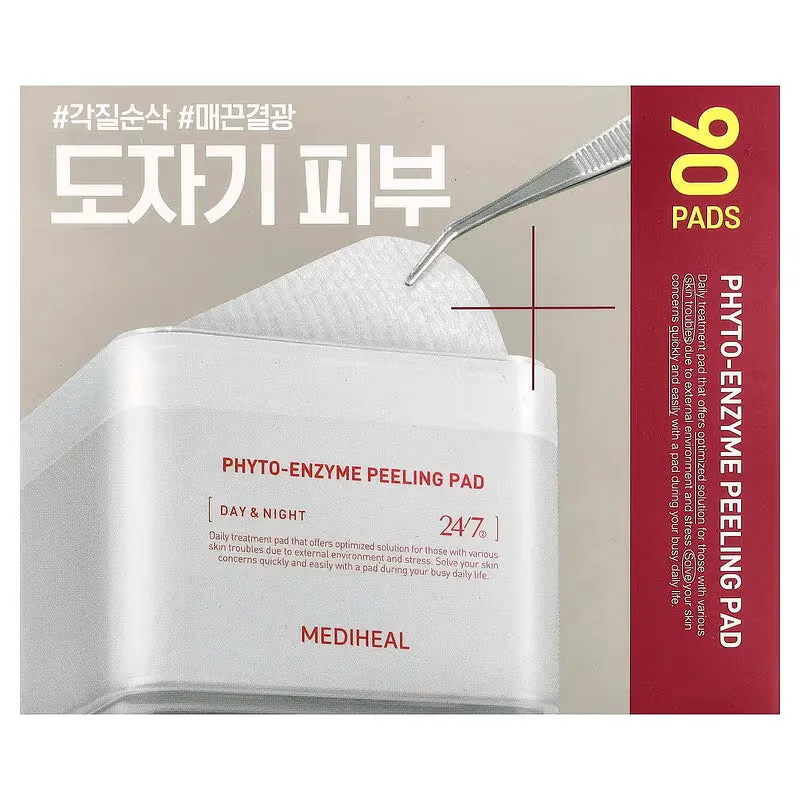
The mediheal phyto-enzyme peeling pad is a gentler option for many sensitive skin types because it relies on fruit enzymes rather than strong chemical acids to dissolve dead skin cells.
What Makes the Mediheal Phyto-Enzyme Peeling Pad Different
Most exfoliating pads use glycolic acid or salicylic acid at concentrations that can overwhelm sensitive skin. The phyto-enzyme formula instead harnesses papain from papaya and bromelain from pineapple to gently break down the protein bonds holding dead skin together. This enzymatic approach works at a slower, more controlled pace than acid exfoliation.
The pads themselves are dual-sided: one textured surface for physical exfoliation and one smooth side to swipe on the enzyme essence. The phyto-enzyme peeling pad is fragrance-free, which is a relief for anyone whose skin reacts to added perfumes.
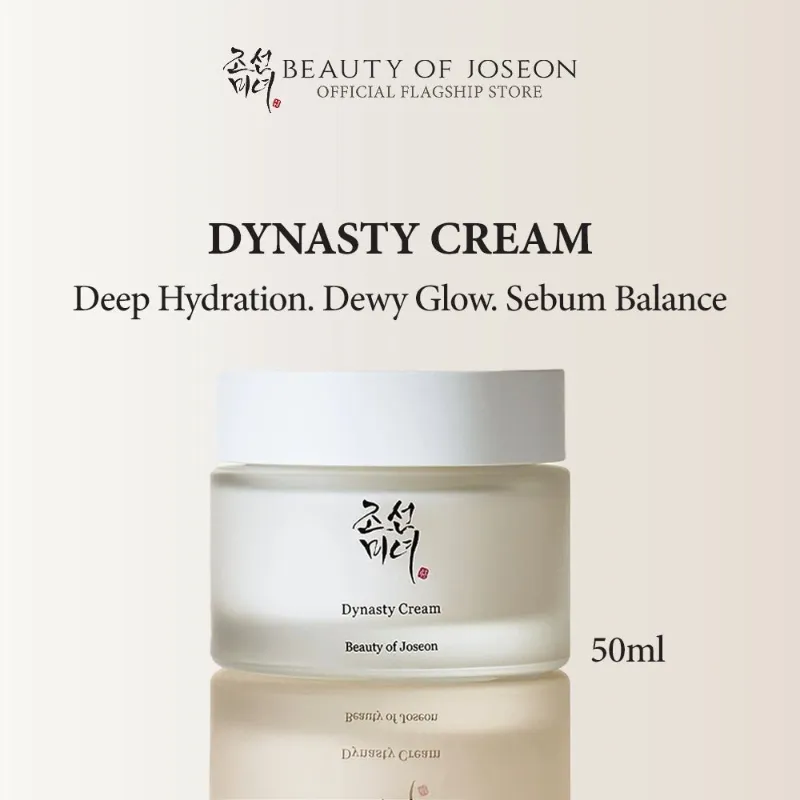
If you’re building a gentle K-beauty routine, these pads pair well with hydrating essences and a korean vegan moisturizer to lock in the smoothing benefits without compromising your skin barrier.
Mediheal Phyto-Enzyme Peeling Pad Ingredients and How They Work
The core ingredients are papain and bromelain enzymes, which selectively target only dead or damaged keratin. Unlike acids that penetrate live skin layers, enzymes mostly work on the surface, making them less likely to trigger inflammation. The formula also includes:
- Centella asiatica extract to soothe and reduce redness
- Hyaluronic acid for hydration during exfoliation
- Niacinamide to brighten and strengthen the moisture barrier
- Allantoin to calm irritation
We appreciate that Mediheal skipped common irritants like denatured alcohol, essential oils, and synthetic fragrance. The pH hovers around 5.5, which respects your skin’s natural acid mantle. For comparison, many AHA toners sit at pH 3.5 to 4, which is where sensitivity often starts.
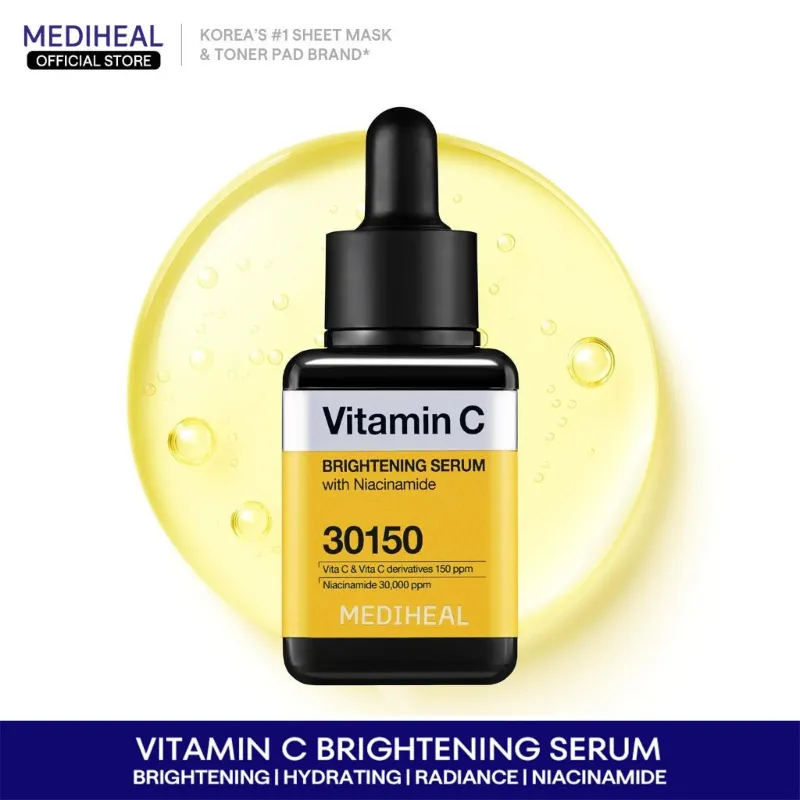
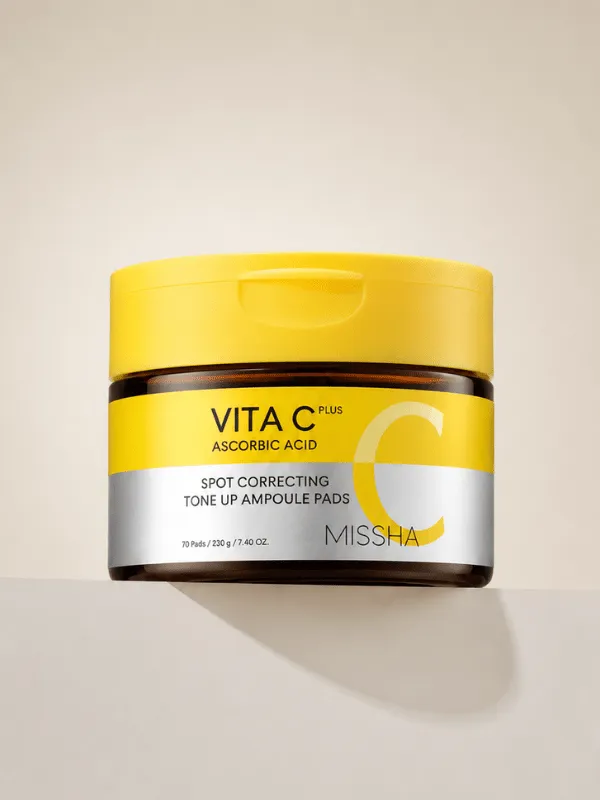
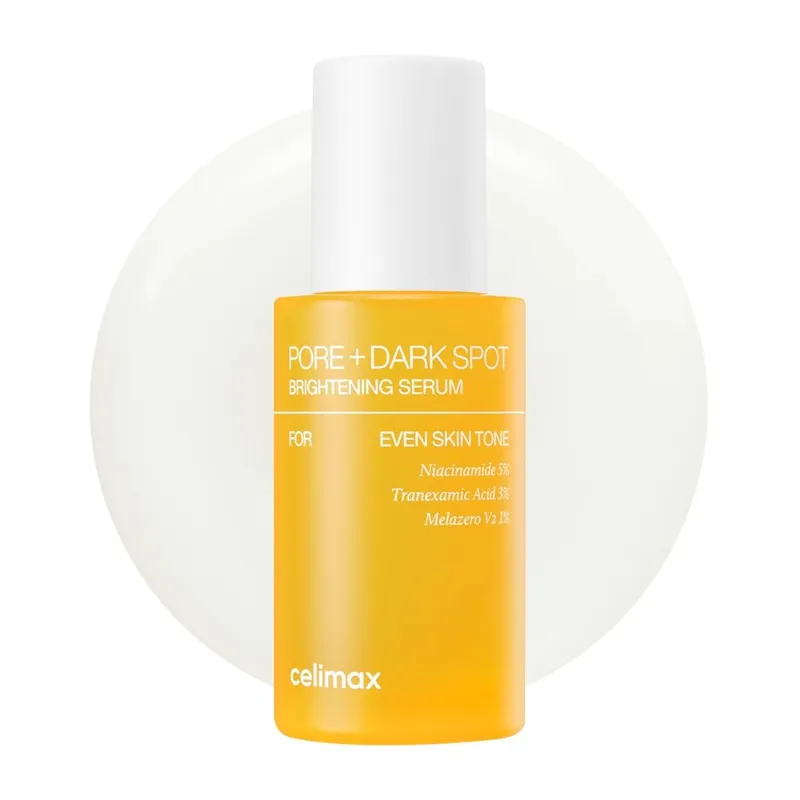
If you want to layer actives safely, consider following up with a best korean vitamin c serum in the morning or a celimax pore+dark spot brightening serum 30ml at night, but start slowly and monitor your skin’s response.
How to Use Mediheal Phyto-Enzyme Peeling Pad Without Irritation
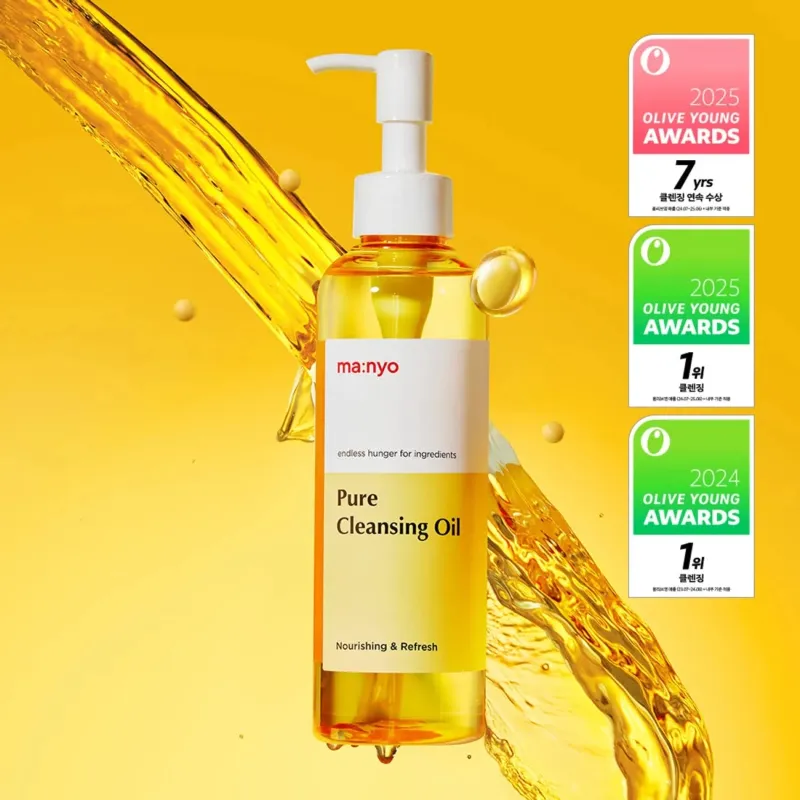
Start with clean, dry skin. After cleansing with something gentle like ma:nyo pure cleansing oil, swipe the textured side of the pad across your face in outward motions, avoiding the immediate eye area. Flip the pad and use the smooth side to pat in any remaining essence. Do not rinse.
Frequency matters for sensitive skin:
- Week 1-2: Use once every three days to gauge tolerance
- Week 3-4: Increase to every other day if no irritation appears
- Maintenance: Most sensitive skin types settle at 2 to 3 times per week
The mediheal phyto-enzyme peeling pad how often to use depends on your individual tolerance, but less is usually more when you’re prone to sensitivity.
Always follow with sunscreen the next morning, even though enzymes are gentler than acids. Exfoliation of any kind temporarily makes skin more vulnerable to UV damage. Check the latest price and current bundle deals at Lakinza, where you can often pair these pads with complementary K-beauty essentials.
Mediheal Phyto-Enzyme Peeling Pad Benefits
Enzyme exfoliation is slower and gentler than acid exfoliation, so any change in texture or tone builds gradually. Check the ingredient list on the listing and patch test first.
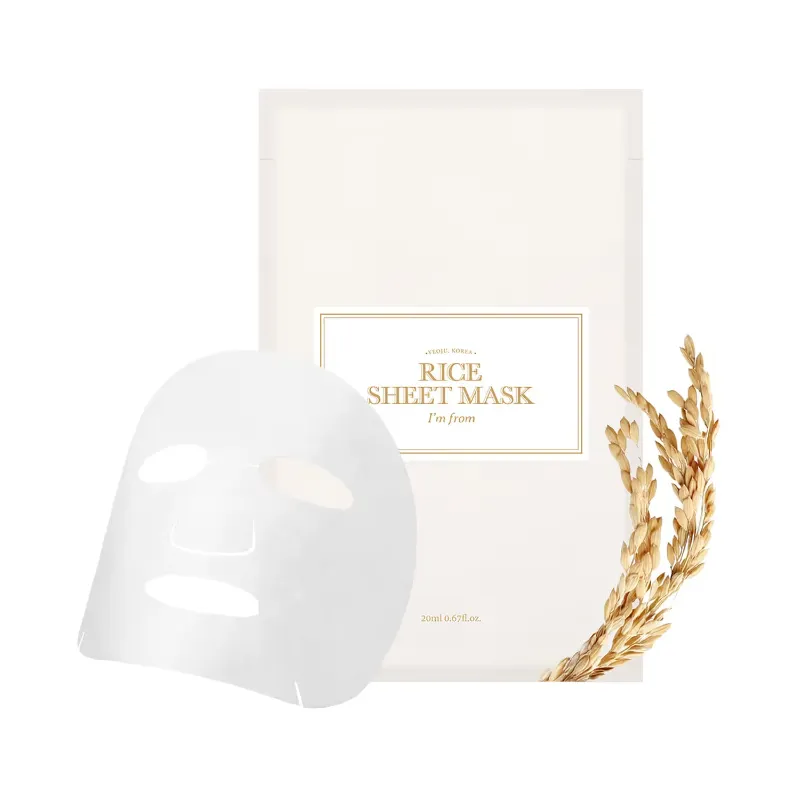
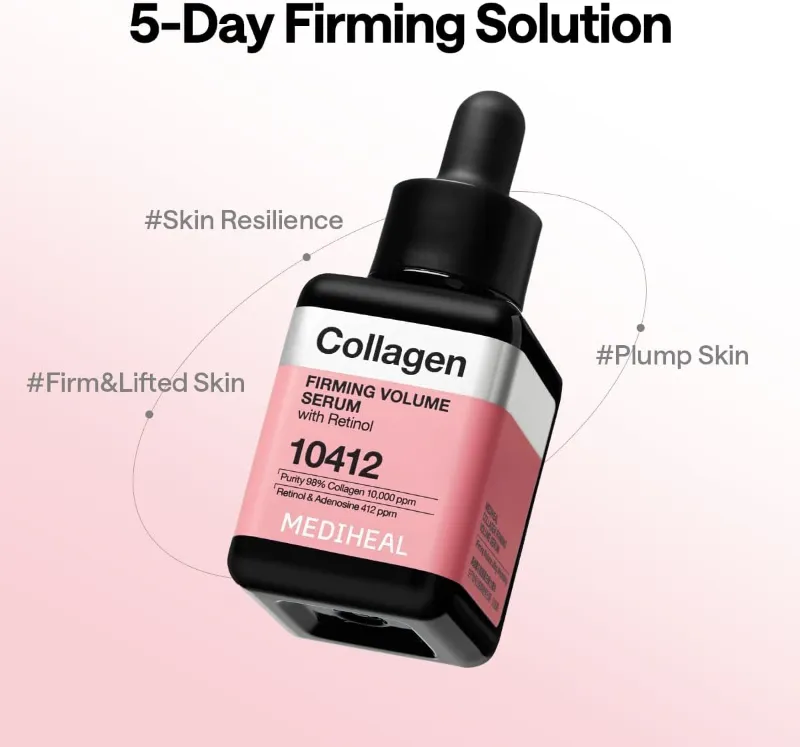
If you use other products alongside the pads, such as rice skin care or dodo skin mediheal firming volume serum, add one new product at a time so you can tell what your skin is reacting to.
Who Should Choose Enzyme Peeling Over Acid Exfoliation
The mediheal phyto-enzyme peeling pad suits you if:
- Traditional acid toners cause stinging, redness, or peeling
- You have rosacea, eczema, or a compromised moisture barrier
- You want exfoliation benefits without the downtime
- You prefer vegan korean skincare formulas free of harsh chemicals
- You’re new to active ingredients and need a forgiving entry point
Enzyme exfoliation won’t deliver the dramatic resurfacing results of a 30% glycolic peel, but that’s exactly the point. Sensitive skin needs consistency over intensity.
If your skin tolerates acids well and you want faster results, traditional AHA/BHA products may still be your best bet. But for anyone who’s been burned by aggressive exfoliation, enzymes offer a gentler alternative. Grab the code for 10% off your first order at Lakinza and test the difference yourself.
Practical Tips and Common Concerns
Refill availability: The mediheal phyto-enzyme peeling pad refill isn’t widely sold separately yet, so factor the full-jar repurchase into your budget planning.
Patch test first: Even gentle enzymes can cause reactions in highly reactive individuals. Test on your inner arm or jawline before full-face application.
Storage: Keep the jar tightly sealed and store in a cool, dry place. The enzymes can degrade with excessive heat or light exposure.
Layering caution: Avoid using enzyme pads on the same day as retinol, strong acids, or prescription treatments unless your dermatologist approves. Even gentle actives can compound irritation when stacked.
The key is waiting a full minute between steps to let each product absorb properly.
For current pricing and to see if Lakinza is running any bundle promotions, check the store here.
Questions
Can I use mediheal phyto-enzyme peeling pads every day on sensitive skin?
We suggest 2 to 3 uses per week rather than daily application. Start every three days and increase frequency only if your skin shows no irritation, flaking, or redness.
What's the difference between enzyme and acid exfoliation?
Enzymes like papain work only on dead surface skin cells, while acids like glycolic or salicylic penetrate deeper into live skin layers. This makes enzymes gentler and less likely to cause stinging or barrier damage in reactive skin types.
Do I need to rinse off the essence after using the pad?
No, leave the essence on your skin and follow with your usual serum and moisturizer. The formula is designed to absorb fully and continue working after application.
Can I use enzyme peeling pads with retinol or vitamin C?
Yes, but not at the same time. Use enzyme pads on alternate nights from retinol, or apply them in the evening and save vitamin C for your morning routine to avoid overwhelming sensitive skin.
How long does one jar of Mediheal enzyme peeling pads last?
It depends on how often you use them. Check the pad count on the listing and divide it by your weekly uses.
Are these pads suitable for rosacea-prone skin?
Enzyme exfoliation is generally gentler than acid peels, but ask your dermatologist before using any exfoliant on rosacea-prone skin. Always patch test first and watch for any increase in redness or sensitivity.
Products in this guide
 Shopping at Lakinza K-beauty? See the discount code
10% OFF All Orders
Shopping at Lakinza K-beauty? See the discount code
10% OFF All Orders
More in this series
Celimax Pore+Dark Spot Brightening Serum: What to Know Before You Buy3 Aug 20263 min Rice Skin Care Benefits: Why K-Beauty Swears by Fermented Rice3 Aug 20264 minBuilding a Complete Vegan Korean Skincare Routine: Products That Actually Work3 Aug 20264 minMa:nyo Pure Cleansing Oil vs Oil Cleansers: Which Removes Makeup Best?3 Aug 20264 minHow to Layer Vitamin C Serum With Other K-Beauty Actives3 Aug 20266 min