 A PUAIDA guide
Skateboard Wheel Hub Motor Not Spinning? How to Find the Cause
Diagnose and fix a stuck skateboard wheel hub motor with our step by step troubleshooting guide for PUAIDA electric skateboards.
When a skateboard wheel hub motor stops spinning, the cause is usually electrical rather than a dead motor: a loose phase wire at the ESC, a failed hall sensor, a dead ESC channel or a battery that has dropped below the ESC’s cutoff. Mechanical jams and worn bearings come next. This guide takes you through the checks in a sensible order, for PUAIDA boards and most other hub motor setups, so you only open what you need to.
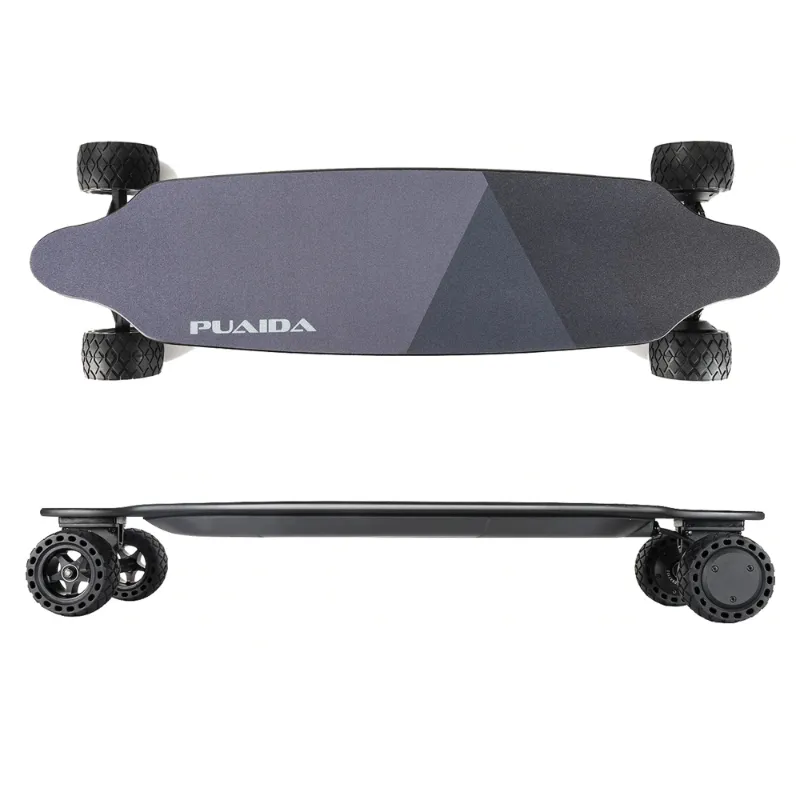
The same basics apply whether you ride a complete board like the PUAIDA P6GT longboard or built your own from a 4WD hub motor kit.
What causes a skateboard wheel hub motor to stop spinning?
Hub motors are simpler than belt drives, but they still have a handful of weak points. The usual reasons a hub motor quits are:
- Loose or broken phase wires inside the motor cable or at the ESC connector
- A failed hall sensor, often after overheating or a hard knock
- A dead ESC channel that no longer sends power to one motor
- Mechanical binding from debris, a bent axle or a seized bearing
- Low battery voltage tripping the ESC’s low voltage cutoff
- Moisture inside the motor or the ESC enclosure
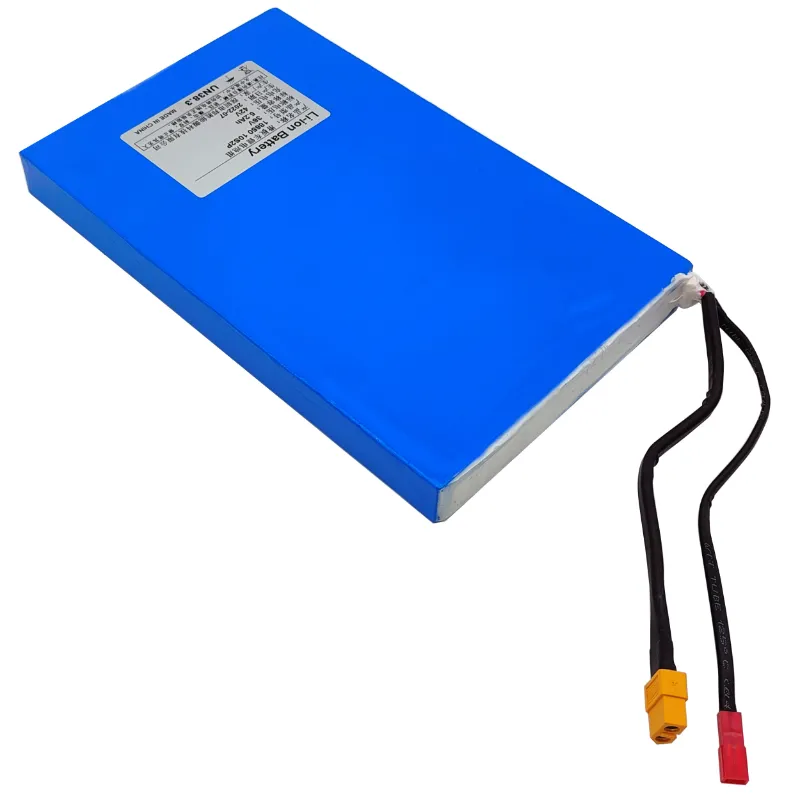
If only one wheel has lost power, the battery is an unlikely cause, since a 36V battery pack feeds both motors through the same ESC. Look at that motor’s wiring and its ESC channel first.
Quick checks before you open anything
Start with the easy steps. They take little time and often find the problem without any disassembly.
- Check the battery voltage. On a 10S battery, a reading below about 33V can mean the ESC has hit its low voltage cutoff and will not drive the motors. Charge fully and try again.
- Reseat the motor connectors. Unplug and reconnect each phase wire. Look for bent pins, melted plastic or corrosion.
- Listen for a beep code. Many ESCs beep a set pattern when they detect a sensor fault. Count the beeps and look them up in your manual.
- Spin the wheel by hand. Gritty or stiff means a mechanical problem. Smooth but dead under throttle points to an electrical one.
If none of these show the fault, it is time to open the ESC enclosure.
Testing the ESC and motor wiring
The ESC controls power to each motor. If one of its channels fails, the wheel on that side sits dead even with a full battery and a healthy motor.
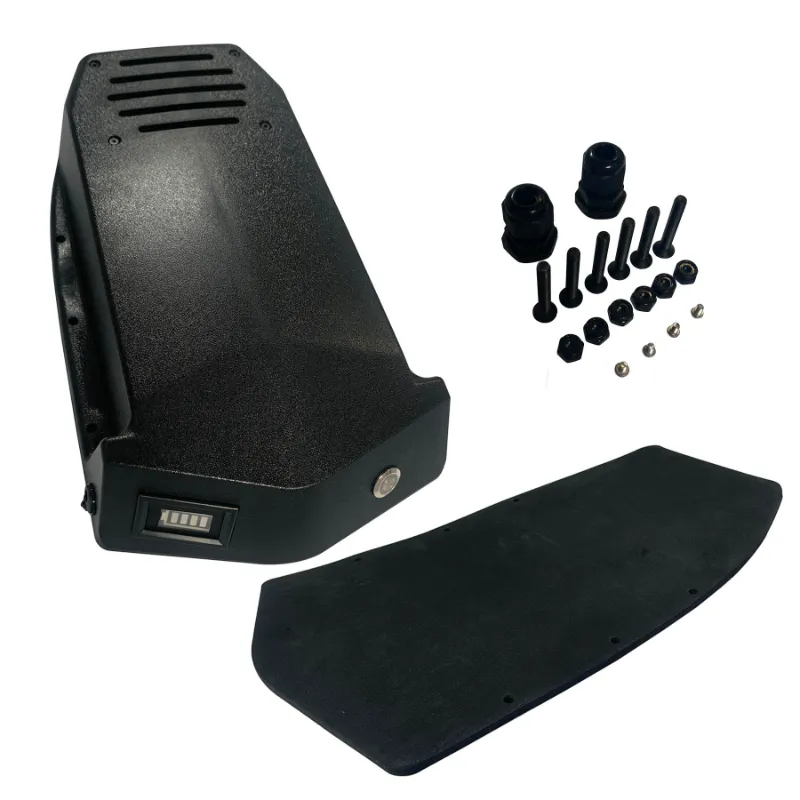
- Open the ESC enclosure and look at the solder joints on the motor wire pads. A cold joint or cracked pad can cut the power.
- Move the suspect motor’s phase wires to the channel that works. If the motor now spins, the original ESC channel is at fault. If it still does not, the motor is.
- Measure resistance between each pair of phase wires on the motor. Readings should be very low (well under 1 ohm) and about equal across all three pairs. An open circuit or a short means damaged windings.
A failed channel can sometimes be fixed by resoldering a joint or replacing a blown MOSFET, but that takes electronics skill. For most riders, replacing the ESC is the quicker route.
Mechanical jam or bearing failure
Sometimes the motor is blocked rather than broken. This is more likely if you ride through wet roads, dirt or sand.
Signs of a mechanical jam:
- A scraping or grinding noise when you turn the wheel by hand
- The wheel turns part of the way, then locks
- Visible bending or damage on the axle
To check the bearings, remove the wheel from the truck and spin the hub by hand. Smooth and quiet rules out the motor bearings. Rough means they are worn and need replacing.
For a look at how a hub motor is put together inside a custom build, see this DIY three wheeled electric skateboard guide, which shows the internal construction of a hub motor assembly.
When to repair or replace a skateboard wheel hub motor
Not every fault is worth fixing. This table sums up the usual choice for each problem.
| Problem | Repair | Replace |
|---|---|---|
| Loose phase wire | Resolder the connector | Not needed |
| Failed hall sensor | Replace the sensor (advanced soldering) | Replace the motor |
| Seized bearing | Press in new bearings | Replace the motor |
| Damaged winding or short | Not repairable | Replace the motor |
| Bent axle | Not repairable | Replace the motor |
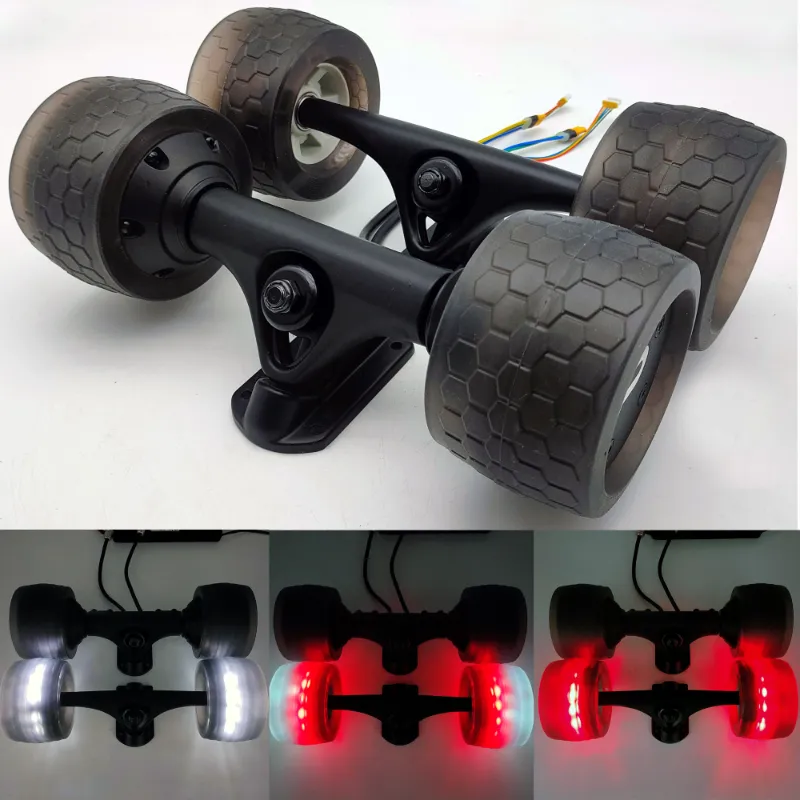
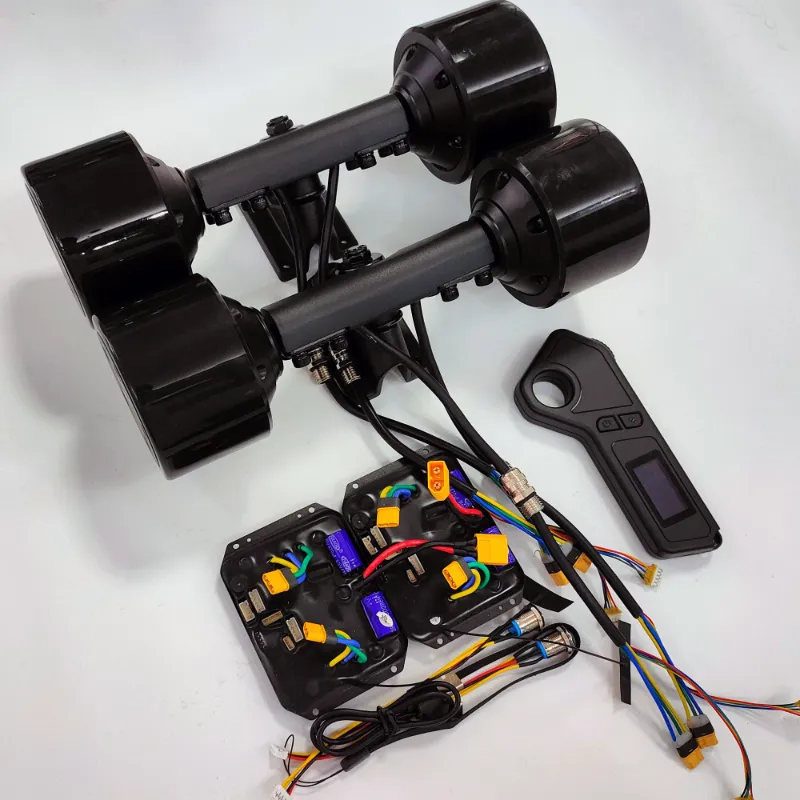
If you have a soldering iron and a multimeter, a hall sensor swap is a low cost fix. Otherwise, a new dual hub motor kit is the simpler choice. The swap itself is straightforward: unbolt the old motor, disconnect the phase and sensor wires, mount the new one, and recalibrate the ESC. Match the new motor’s KV rating and wheel size to the one you are replacing.
Preventive maintenance
A little care keeps a hub motor running longer.
- Check the motor screws regularly. Vibration loosens mounting bolts, which lets the motor shift and pinch its wires.
- Keep connectors clean. A thin coat of dielectric grease inside bullet connectors helps prevent corrosion.
- Avoid deep water. Hub motors are not fully sealed, and water can reach the hall sensors through the bearing gap.
- Watch motor heat. If a motor is too hot to touch after a ride, you are pushing it too hard. Ease off on hills or take a break.
For background on motor design and power ratings, Hobbywing’s electric skateboard motor page lists the kind of specs to compare.
Where to find replacement parts
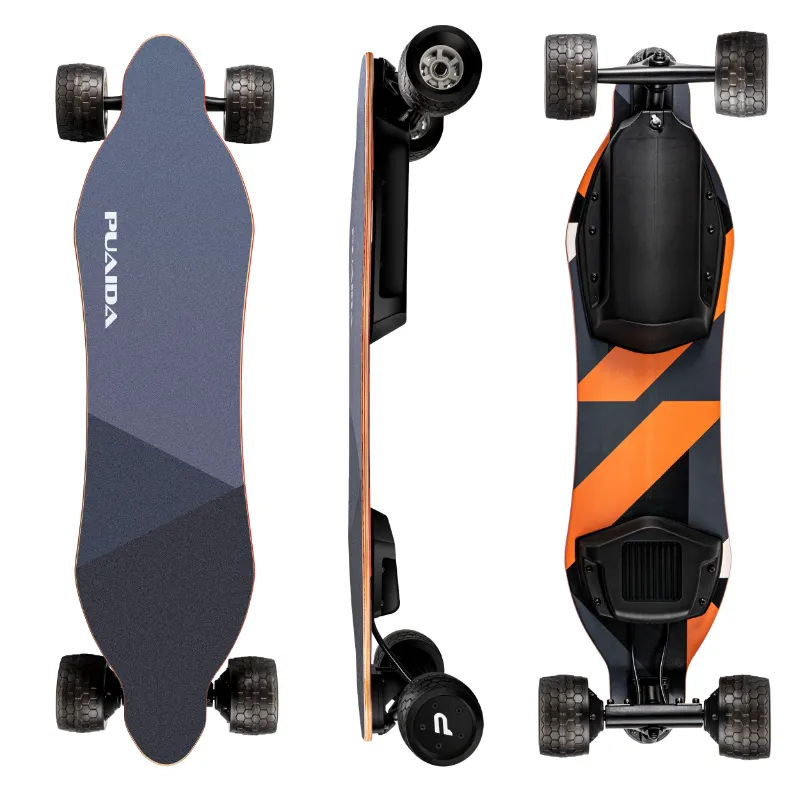
PUAIDA sells complete boards, such as its dual hub motor electric skateboard, as well as the separate parts covered above: motor kits, the ESC case and 10S battery packs. Check that any part matches your board’s voltage and connectors before you order. For the current PUAIDA discount code, see our PUAIDA code page before checkout.
Questions
Can a dead battery stop a skateboard wheel hub motor from spinning?
Yes. If the battery voltage drops below the ESC's low voltage cutoff, the ESC stops sending power to protect the cells. Charge the battery fully and try again before you assume the motor has failed.
How do I know if a hall sensor has failed?
A failed hall sensor often makes the motor stutter, vibrate or refuse to start from a standstill. You can check each hall sensor wire with a multimeter while turning the wheel slowly by hand, and see whether the signal changes.
Can I replace just one hub motor?
Yes, but match the new motor's KV rating, wheel size and resistance to the old one. Mismatched motors can deliver uneven power and strain the ESC.
Why does my hub motor spin freely by hand but not under power?
That points to an electrical fault. Check the phase wire connections at the ESC, look for broken solder joints, and test the motor windings with a multimeter. A disconnected phase wire is a common cause.
What tools do I need to troubleshoot a hub motor?
A multimeter for continuity and resistance checks, hex keys for the motor bolts, and a soldering iron if you need to repair a phase wire connection.
Is it safe to ride with one hub motor not working?
We would not. The working motor and its ESC channel have to carry the whole load, which can overheat them and cause a second failure. Fix the fault before you ride again.
Products in this guide
 Shopping at PUAIDA? See the discount code
5% OFF All Orders
Shopping at PUAIDA? See the discount code
5% OFF All Orders
More in this series
PUAIDA ESC Enclosure Care: How to Keep Your Motorized Skateboard Controller Safe5 Sep 20265 minHow to Upgrade Your PUAIDA Skateboard Electric With a 10S Battery Pack5 Sep 20265 minHow Long Does a PUAIDA 36V Battery Pack Really Last? Tips to Extend Life5 Sep 20264 minPUAIDA Windseeker vs PUAIDA Motor Skateboard: Which Electric Skateboard Fits Your Ride?5 Sep 20264 min