 A ONEVAN guide
How to Pick the Right Chainsaw Bar Oil for a Cold Winter Start
Learn how to pick the right chainsaw bar oil for dependable cold-weather starts and protection.
Picking the right chainsaw bar oil is the difference between a saw that fires up on a frosty morning and one that drags, smokes, or seizes mid-cut. In cold weather, standard oils thicken, starve the bar, and make that first cold start miserable. Here is how to choose an oil that flows, protects, and keeps your saw cutting smoothly all winter.
What Makes Cold Weather Hard on Chainsaw Oil
Cold temperatures change how oil behaves. Most bar and chain oils are formulated to cling to the bar at normal temperatures, but that same stickiness turns into sludge when the thermometer drops. Thick oil does not reach the bar nose, the chain runs dry, and the friction heats up fast. That is why a saw that worked fine in October starts screaming by December.
There are two ways to handle it: pick an oil with a lower viscosity rating, or use a winter-blend oil made for cold operations. Either way, the goal stays the same: keep lubricant flowing to the bar tip and the chain drive links from the very first pull.
What Is the Right Chainsaw Oil Weight for Cold Starts?
Chainsaw bar oil weight tells you how it behaves at temperature. Standard bar oil is typically a thick grade, around SAE 30 to 50. That works in warm months but turns sluggish below freezing. For winter use, look for a lighter grade, around SAE 10W or a multi-weight winter blend rated for low temperatures.
The label matters more than the brand. A container marked as cold-weather or winter bar oil has additives that keep the film strength high while letting it flow at 20°F and lower. If it pours like honey at room temperature, it will be worse on a cold morning. Pick something that moves, and the saw will thank you on the first start.
Stihl Chainsaw Bar Oil vs. a Chainsaw Bar Oil Substitute
When the brand name gets too expensive, a chainsaw bar oil substitute can do the job, but knowing what to swap matters. Stihl chainsaw bar oil is a popular, high-quality choice that handles cold weather well when it is the winter-blend version. It is widely stocked, which matters when you need chainsaw bar oil near me in the middle of a winter storm.
A few practical substitutes work in a pinch:
- Winter-grade motor oil (10W-30 or lighter) if it is rated for the temperature you will cut in
- Vegetable-based bar oil that stays fluid in cold conditions
- Harvest or canola oil blended with a little kerosene or diesel to thin it for extreme cold
Do not use plain motor oil year-round or dump in too much thinner, since it washes off the chain and rusts the bar. When in doubt, buy the right winter oil. It is cheap insurance compared to a seized bar.
How to Pick the Best Chainsaw Bar Oil for Your Saw
The best chainsaw bar oil comes down to your average cutting temperature, not the sticker price. Match the oil to the coldest weather you actually cut in, then check for a few signs of quality:
- Flow at temperature: it should pour freely in cold air, not dribble
- Adhesion: it should stick to the bar when running, not fling off everywhere
- Flash point: higher is safer and means less smoke at the tip
- Package size: a chainsaw bar oil 5 gallon jug saves money if you cut often all winter
It also helps to run the saw briefly and let the oil spread before you make the first cut. A minute of idle lets the pump pull oil up the bar, so the very first bite is already lubricated.
Cheap Tips for a Cleaner Cold Start
Even with the right oil, a few habits keep your saw ready for the morning. Store the saw in a shed or garage instead of an unheated truck bed if you can. Warm the bar with your hand or a small heater before starting, and wipe the bar groove and oiler port clean so nothing blocks the flow. If your saw has an adjustable oiler, turn it up slightly in winter, since cold oil does not spread as far even when it flows.
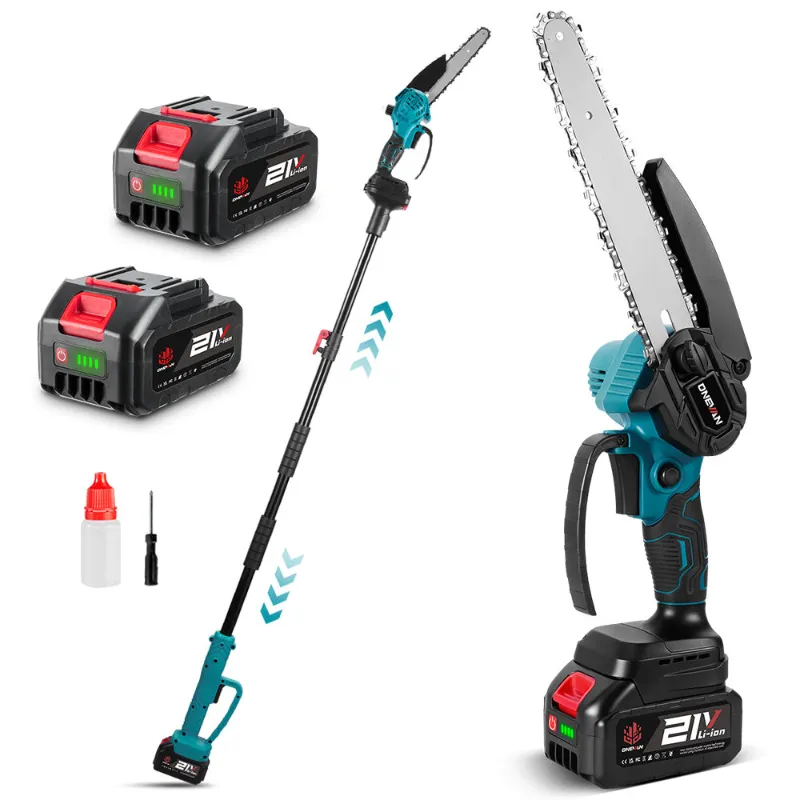
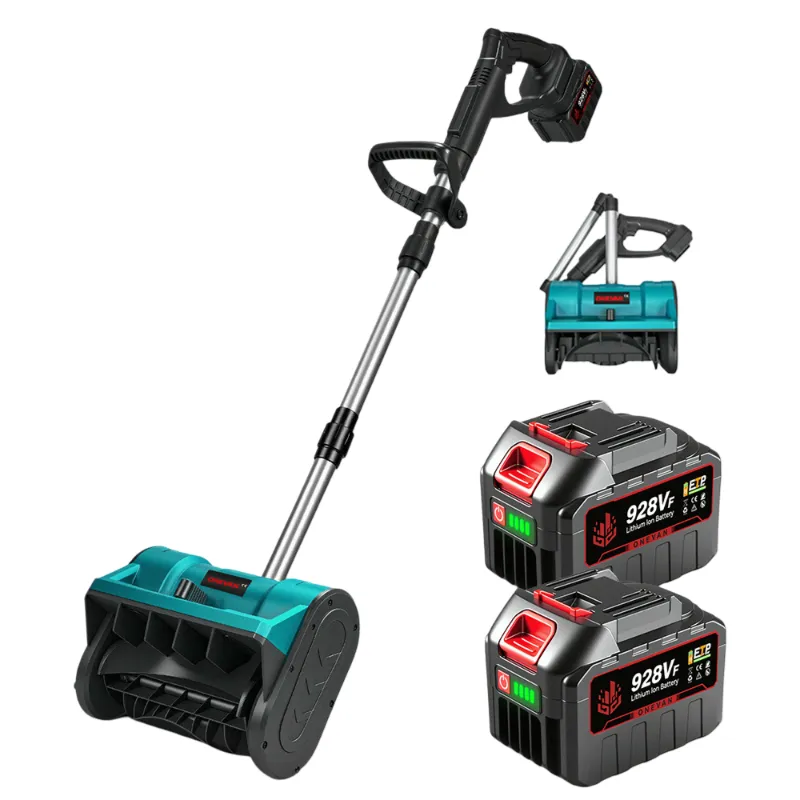
For every small part of the winter setup, we recommend quality tools that hold up in the cold. Pair your saw with a dependable chainsaw bar oil that flows in the frost, and keep a snow shovel and a handheld snow blower on hand for everything after the cutting is done. For limbing and cleanup work, a small leaf blower clears sawdust and snow off your gear in seconds.
What to Do If Your Bar Oil Runs Out Mid-Winter
Running out is never fun, and the store may be closed by the time the bar goes dry. The substitute options above cover an emergency, but real protection comes from keeping a stock. A chainsaw bar oil 5 gallon container lasts most home users a whole cutting season, and it removes the temptation to grab whatever motor oil is sitting on the shelf.
If you turn the saw over, clean the bar, sharpen the chain, and top it off with a proper winter blend, you will not need to touch it again until spring. Your bar will stay true, the chain will stay sharp longer, and the saw will start clean even on the coldest morning of the year.
Our Take
Cold starts are about preparation, and oil is the cheapest part of that prep. Match the viscosity to the temperature, buy a winter-rated blend, and store the saw warm if you can. Pair the right chainsaw bar oil with a clean bar and a sensible oiler setting, and your saw will fire up without complaint all season. When you stock up, grab the code to save 10% off everything, and check the latest price before you add winter gear to the cart.
Questions
Can I use motor oil instead of chainsaw bar oil in winter?
Only if it is a light winter-grade like 10W-30 and only for a temporary fix. Motor oil does not cling to the bar as well as bar oil, so it drains off fast and leaves the bar and chain dry during long cuts.
What weight should chainsaw bar oil be for freezing temperatures?
Use a lighter grade, around SAE 10W or a winter-blend bar oil rated for low temperatures. Standard heavy bar oil thickens below freezing and stops reaching the bar nose.
How do I find good chainsaw bar oil near me in winter?
Check hardware stores, farm supply shops, and saw dealers, which usually stock winter-blend bar oil during the cold months. Call ahead, since smaller stores only carry it seasonally.
Is a 5 gallon jug of chainsaw bar oil worth it?
Yes, if you cut regularly through the winter. A 5 gallon container works out cheaper per use, lasts an average home user a whole season, and means you never start a cold morning dry.
Why does my saw smoke more on a cold start?
Cold oil is thicker and gets flung off the bar before it spreads, so excess oil burns off the chain. A proper winter-blend chainsaw bar oil flows better, clings longer, and cuts down the smoke.
Can I mix thinner into my chainsaw bar oil for winter?
A small amount of kerosene or diesel can thin vegetable-based oil for extreme cold, but over-thinning washes the oil off the chain and promotes bar wear. Buying a winter blend is the safer, more reliable option.
Products in this guide
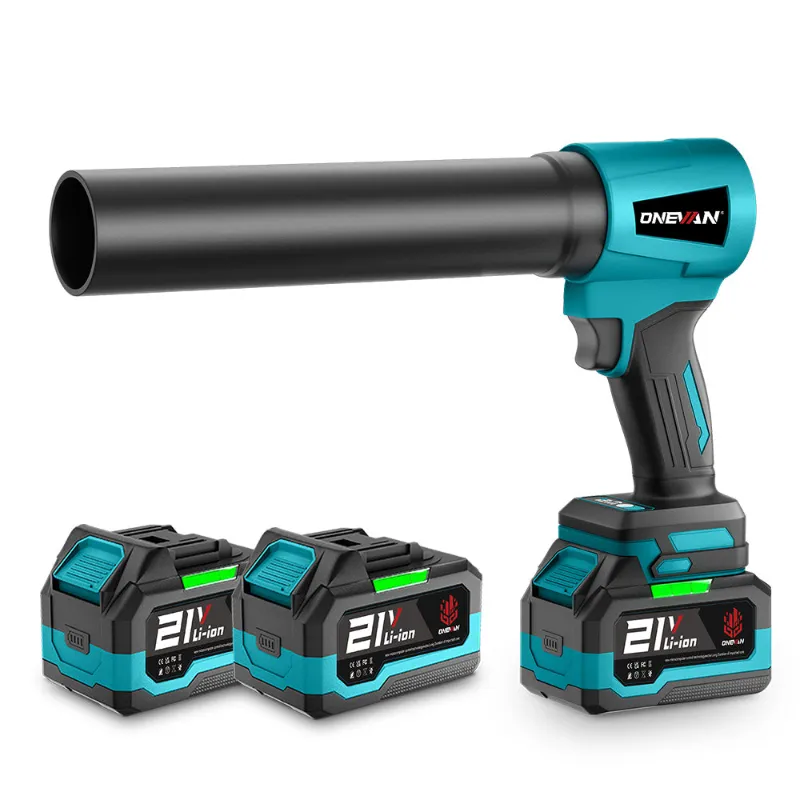 Shopping at ONEVAN? See the discount code
10% OFF All Orders
Shopping at ONEVAN? See the discount code
10% OFF All Orders
More in this series
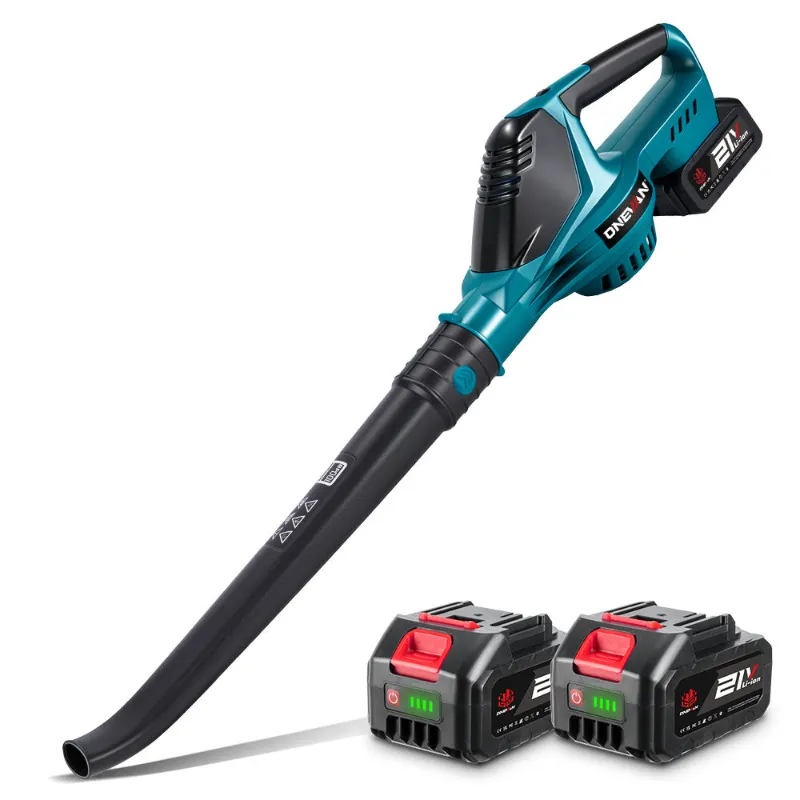 What to Do When Your Cordless Leaf Blower Loses Power Mid-Lawn22 Aug 20264 min
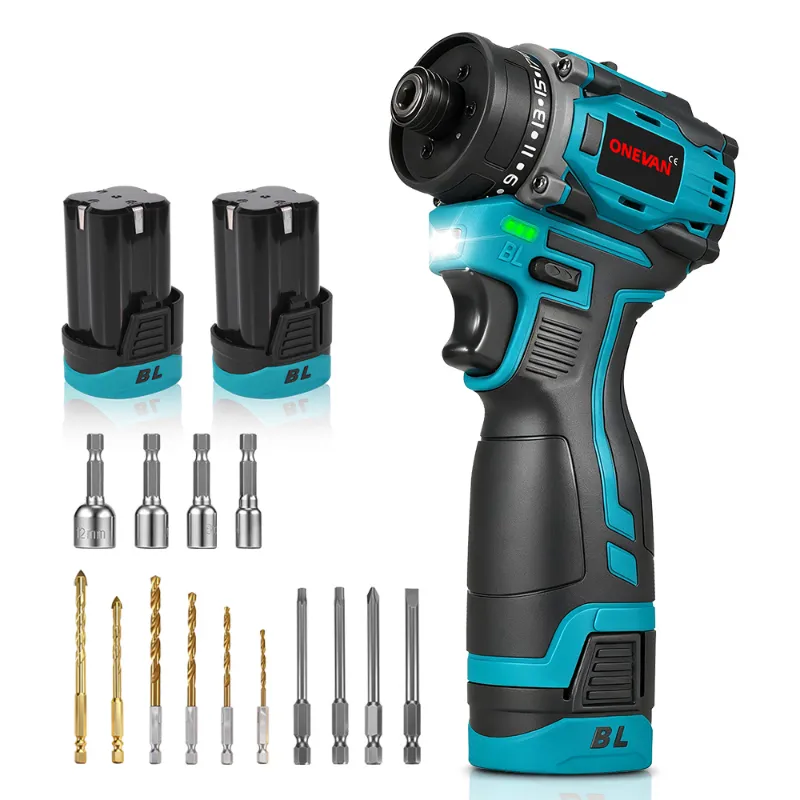 Cordless 3/8 Ratchet vs Torque Driver: Tightening Fasteners Without a Compressor22 Aug 20264 min
 How Long Does a Battery Powered Pressure Washer Last on One Charge?22 Aug 20265 min
 Can a Handheld Snow Blower Replace Your Shovel?22 Aug 20264 min
 Dewalt Hammer Drill vs ONEVAN Impact Tool: Which One Do You Actually Need?22 Aug 20265 min