 A ONEVAN guide
Cordless 3/8 Ratchet vs Torque Driver: Tightening Fasteners Without a Compressor
A torque driver is the smarter pick when precision matters more than speed, but a cordless 3/8 ratchet earns its place on jobs that demand rapid, repetitive fastening.
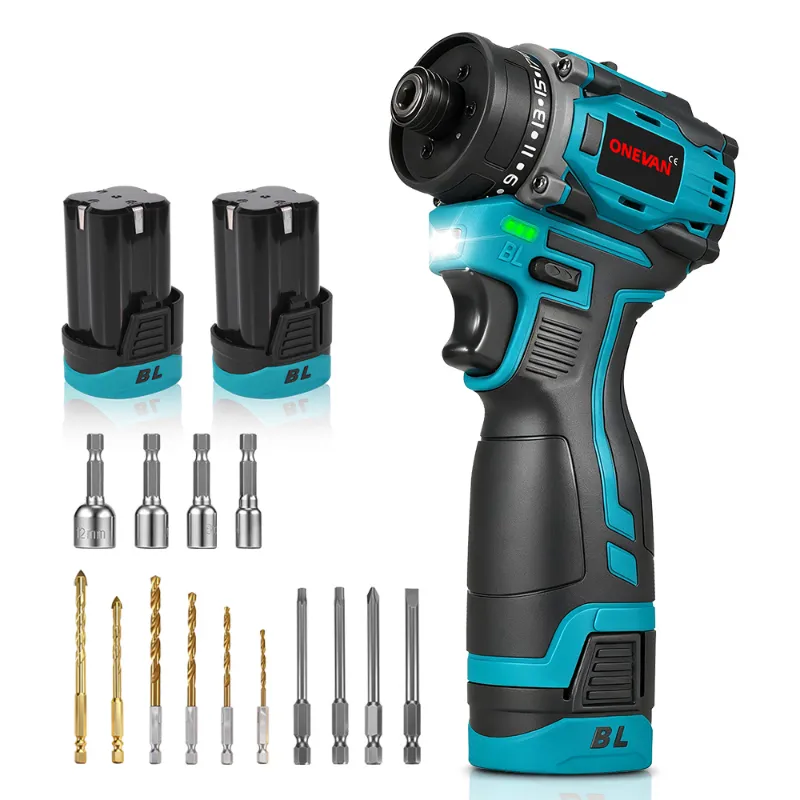
A torque driver is the smarter pick when precision matters more than speed, but a cordless 3/8 ratchet earns its place on jobs that demand rapid, repetitive fastening. Both tools cut the air compressor out of your workflow entirely, running on battery power alone. Understanding where each one excels saves you from stripped threads, failed assemblies, and wasted time on the shop floor or the driveway.
What a Torque Driver Actually Does
A torque screwdriver is a precision instrument designed to apply a set amount of rotational force to a fastener and stop, either by clutching out or signaling the user. That controlled stop is what separates it from a standard drill or impact driver.
Key characteristics to know:
- Adjustable torque settings let you dial in a specific value, typically measured in inch pounds (in-lb), before you drive a single screw.
- Torque driver bits are interchangeable, so one handle covers Phillips, hex, Torx, and slotted fasteners.
- Repeatable accuracy is the core selling point, useful in electronics assembly, automotive trim work, appliance repair, and any spec sheet that lists a torque value.
- An electric torque driver adds motor assist without sacrificing the clutch mechanism, making it far faster than a manual adjustable torque driver on production runs.
For anyone comparing a full torque driver set against buying individual tools, a set typically covers the inch-pounds range most DIYers and light trade workers encounter, from about 5 in-lb for electronics up to 200 in-lb for structural bolts.
How a Cordless 3/8 Ratchet Works
A cordless 3/8 ratchet swings a socket back and forth on a drive to spin fasteners quickly, without the hammering action of an impact wrench. It fits in tighter spaces than a full-size impact, and the 3/8-inch drive handles the mid-range socket sizes most commonly found under a hood or inside a panel.
Where the ratchet wins:
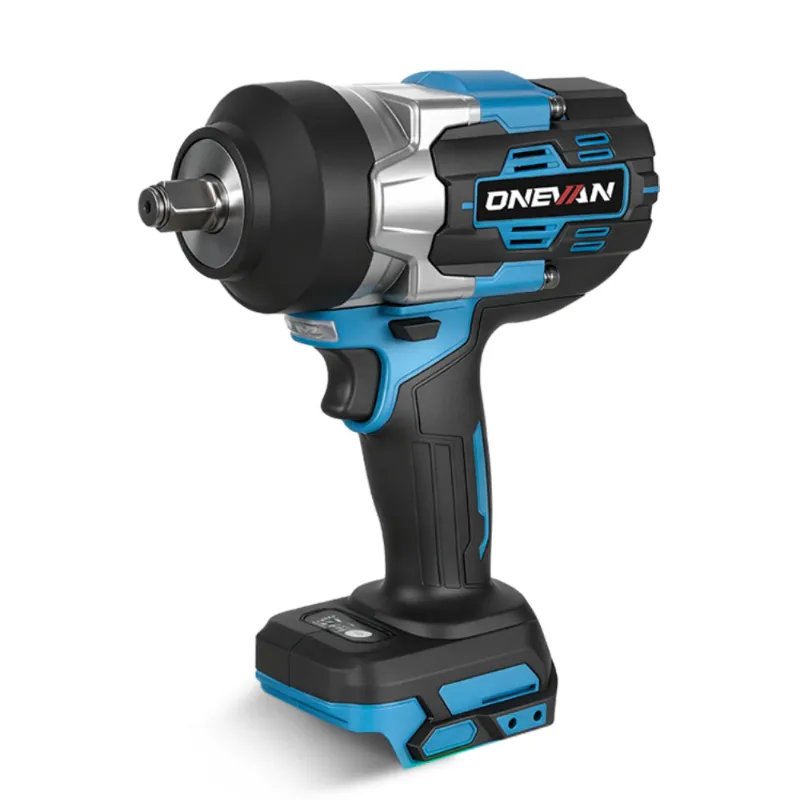
- Speed on repetitive jobs, like swapping brake calipers, removing valve covers, or assembling furniture with many identical bolts.
- Access in tight quarters, since the head is compact enough to reach fasteners a full-size 1 2 impact tool cannot.
- No torque ceiling concern when the spec simply says “snug plus a quarter turn” rather than an exact value.
- Lower cost per fastener on volume work, because you are not stopping to verify torque after every drive.
Torque Driver vs. Cordless Ratchet: Side-by-Side
| Feature | Torque Driver | Cordless 3/8 Ratchet |
|---|---|---|
| Precision | Repeatable in-lb values | Not calibrated |
| Speed | Moderate | Fast |
| Tight-space access | Good (slim body) | Excellent (compact head) |
| Best use | Spec-critical fasteners | High-volume, moderate-torque jobs |
| Drive type | Bit (hex shank) | Socket (3/8 in.) |
Neither tool replaces the other outright. Many mechanics and serious DIYers keep both, using the ratchet to run fasteners down quickly and the torque driver for a final, tighten on anything safety-critical.
Choosing the Right Tool for Your Project
Go with the torque driver when:
- A manufacturer spec sheet lists a specific torque value in inch pounds.
- You are working on electronics, small engines, appliances, or automotive sensors where overtightening causes real damage.
- Warranty or liability documentation requires proof of correct torque.
- You want one tool that handles a wide range of bit types without swapping drive adapters.
Go with the cordless ratchet when:
- You are removing and replacing fasteners repeatedly and speed matters more than precision.
- The job involves bolts rather than screws, and you are working in a confined engine bay or chassis tunnel.
- You already own a calibrated torque wrench for the final check and just need something to spin fasteners efficiently.
If you are outfitting a full shop or home garage, pairing a quality electric screwdriver for lightweight tasks with a dedicated torque driver covers the precision end, while the cordless ratchet or a 1 2 impact tool handles the heavy end. Check the current ONEVAN pricing and discount code before you buy either, since stacking tools in one order often makes the most of a sitewide offer.
What to Look For in a Torque Driver Set
Not every torque driver set is built for the same range of work. Before buying, match these specs to your actual jobs:
- Torque range in inch pounds. A set covering 10 to 200 in-lb handles most automotive and appliance work. Electronics and PCB assembly often need a lower-range driver, sometimes starting below 5 in-lb.
- Clutch type. Slip-clutch models are simple and durable. Click-style models give audible feedback. Electronic models on an electric torque driver display the value digitally.
- Bit compatibility. Confirm the set uses a standard hex shank size so aftermarket bits fit without adapters.
- Calibration certificate. Professionals in regulated trades should look for a traceable calibration cert. For DIY use it is less critical but still a quality indicator.
- Grip and balance. A long shift on a production line or a detailed assembly job makes grip ergonomics matter more than specs alone suggest.
For background on how these tools are used in professional electrical and mechanical work, the Mike Holt forum thread on torque screwdrivers covers real-world trade applications in useful detail.
Getting the Best Value on ONEVAN Tools
ONEVAN’s cordless lineup covers both sides of this comparison. The torque driver handles precision work with adjustable settings and a full bit kit, while the rest of the range extends into impact tools, grinders, drills, and more.
A few practical buying tips:
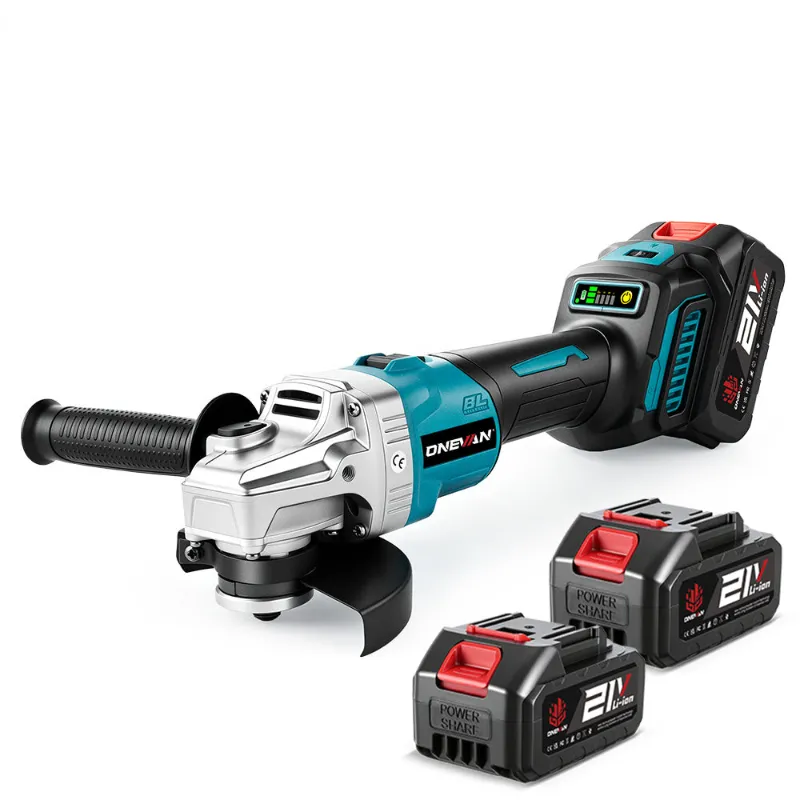
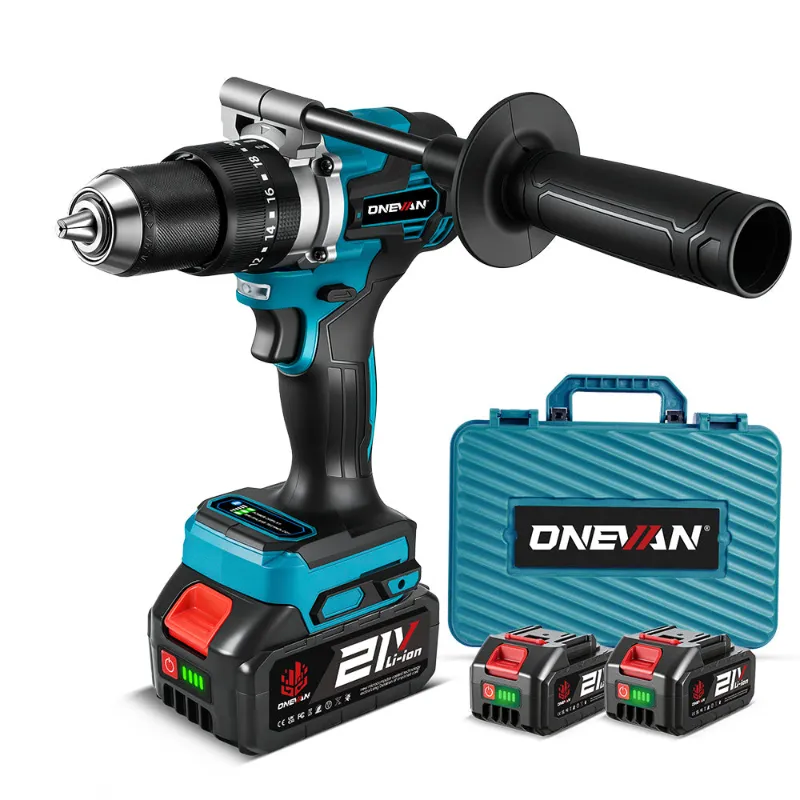
- Bundle where it makes sense. If you already need a grinder tool or a dewalt hammer drill for a project, adding a torque driver to the same order costs less when you use the sitewide code.
- Check the coupon page first. Grab 10% off your entire ONEVAN order before checkout, including any torque driver or cordless ratchet you are considering.
- Match battery platforms. Staying within one voltage family means batteries pull double duty across tools, reducing what you spend on extras over time.
The right choice between a cordless ratchet and a torque driver comes down to whether your job calls for speed or certified precision. For most well-equipped garages and workshops, the honest answer is both.
Questions
What is a torque driver used for?
A torque driver applies a precise, preset amount of rotational force to a fastener and stops automatically, preventing overtightening. It is commonly used in electronics assembly, automotive trim and sensor work, appliance repair, and any application where a manufacturer specifies an exact torque value in inch pounds.
Can I use a cordless ratchet instead of a torque driver for precision work?
Not reliably. A cordless ratchet is not calibrated and has no clutch mechanism to stop at a specific torque value, so it can overtighten fasteners on spec-critical assemblies. For anything with a published torque spec, a dedicated torque driver is the correct tool.
What torque range do I need in a torque driver set?
Most home and light trade work falls between 10 and 200 inch pounds, which a standard set covers. Electronics and PCB work sometimes requires a lower-range driver starting below 5 in-lb, so check the tightest torque spec on your most delicate project before buying.
Are electric torque driver bits interchangeable with regular driver bits?
Yes, most electric torque drivers use a standard hex shank, so common aftermarket bits in Phillips, Torx, hex, and slotted profiles fit without adapters. Always verify the shank size listed in the product specs matches your existing bit set.
How is a torque driver different from a 1/2 impact tool?
A torque driver delivers measured, controlled torque with a clutch that disengages at a set value, while a 1/2 impact tool delivers high, hammering bursts of force designed for loosening or driving heavy fasteners fast. They serve opposite ends of the precision-versus-power spectrum.
Is there a discount code available for ONEVAN torque drivers?
Yes. ONEVAN currently offers 10% off all orders. Visit the coupon page to grab the latest code before checkout so it applies to your torque driver or any other tool in the order.
Products in this guide
 Shopping at ONEVAN? See the discount code
10% OFF All Orders
Shopping at ONEVAN? See the discount code
10% OFF All Orders
More in this series
 What to Do When Your Cordless Leaf Blower Loses Power Mid-Lawn22 Aug 20264 min
 How Long Does a Battery Powered Pressure Washer Last on One Charge?22 Aug 20265 min
 Can a Handheld Snow Blower Replace Your Shovel?22 Aug 20264 min
 How to Pick the Right Chainsaw Bar Oil for a Cold Winter Start22 Aug 20264 minDewalt Hammer Drill vs ONEVAN Impact Tool: Which One Do You Actually Need?22 Aug 20265 min