 A Black Diamonds New York guide
Are Pear Cut Engagement Rings More Fragile Than Other Diamond Shapes?
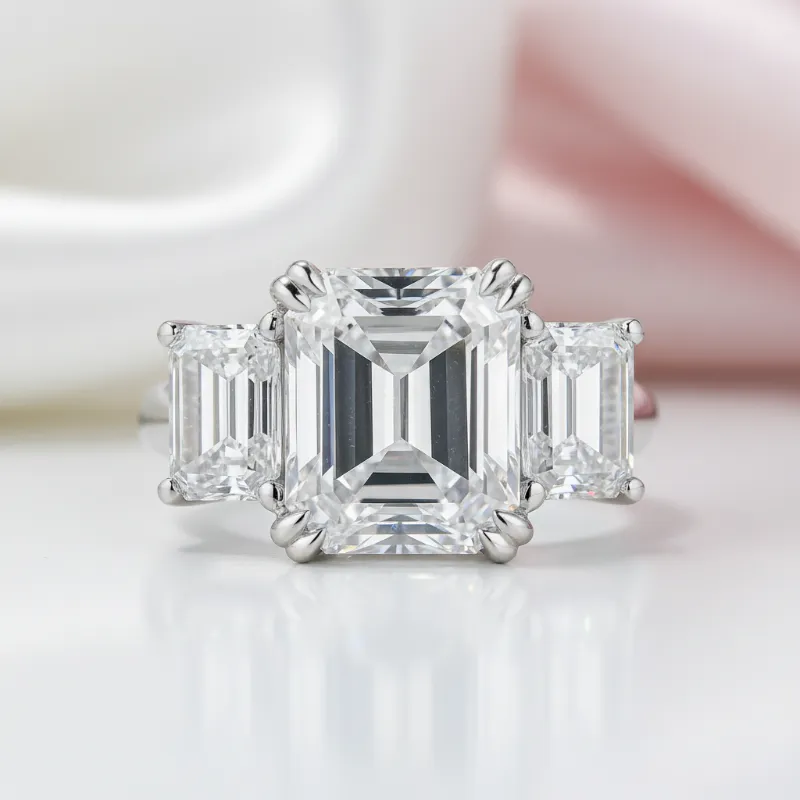
Emerald cut engagement rings offer exceptional durability compared to pear shapes, thanks to their protective step-cut facets and lack of vulnerable pointed tips.
Are Pear Shapes Actually More Fragile?
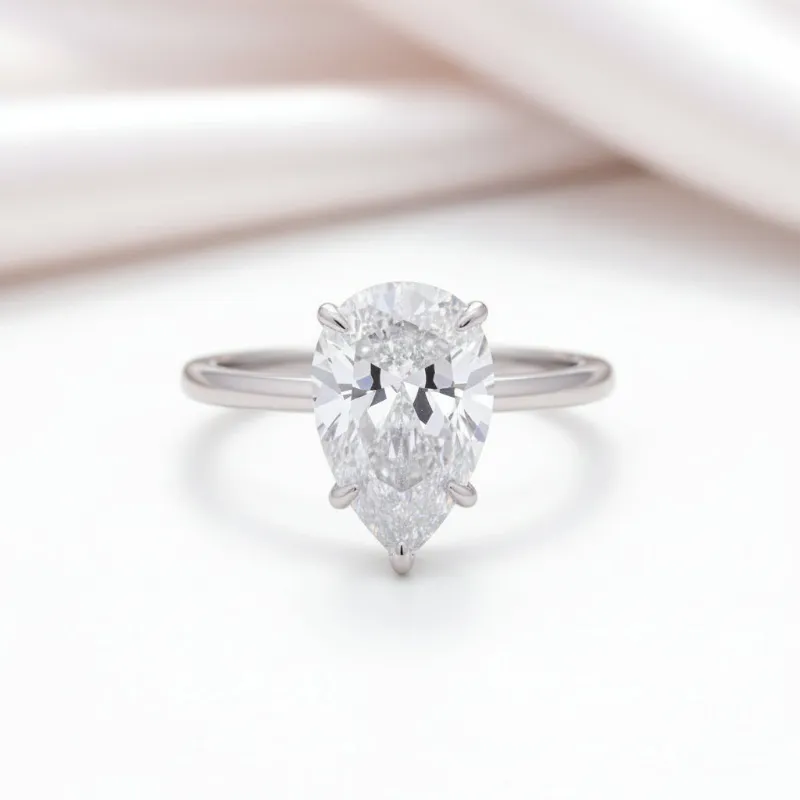
Yes, pear cut diamonds are more fragile than most other shapes because of their pointed tip. That delicate point concentrates pressure and can chip if struck, while emerald cut engagement rings feature beveled corners and a rectangular outline that distributes force more evenly across the stone. If you’re choosing between a pear cut engagement ring and other shapes, understanding how cut geometry affects durability will help you protect your investment and wear your ring confidently every day.
Why Diamond Shape Affects Durability
Diamond hardness ranks 10 on the Mohs scale, but hardness and toughness are different properties. A diamond resists scratching but can still chip or fracture along its crystal structure, especially at thin or pointed areas.
Shapes ranked by durability:
| Shape | Vulnerability | Protection Strategy |
|---|---|---|
| Round, oval | Lowest risk | No pointed edges; minimal setting needed |
| Emerald, asscher | Low risk | Beveled corners deflect impact |
| Princess, pear, marquise | Higher risk | Pointed corners or tips need prong coverage |
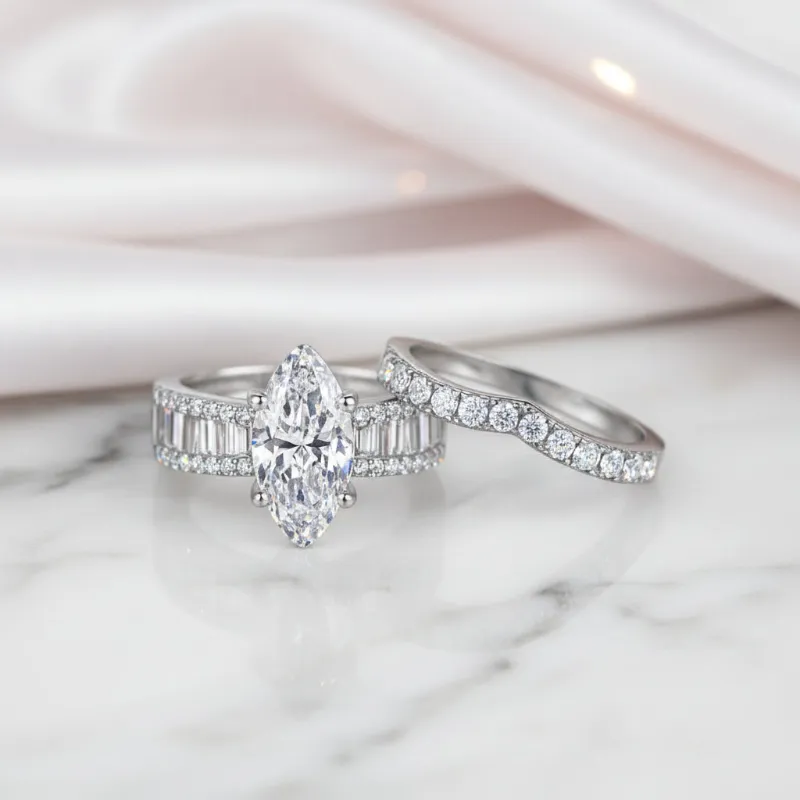
Emerald cuts use step facets rather than brilliant facets, and their cropped corners eliminate the weak points found on a 3 carat marquise diamond ring or pear shape.
How Emerald Cut Engagement Rings Stand Up to Daily Wear
Emerald cut engagement rings balance elegance with practical durability. The rectangular outline and truncated corners mean there are no fragile points to catch on fabric or bump against hard surfaces. We recommend emerald cuts for active lifestyles, healthcare workers, and anyone who wants a vintage aesthetic without babying their ring.
Emerald cut advantages for everyday wear:
- Beveled corners distribute impact force instead of concentrating it
- Step-cut facets lie parallel to the girdle, reducing internal stress points
- Larger table makes inclusions more visible, so you’ll choose a cleaner stone that’s structurally sound
- Works beautifully in emerald cut engagement rings gold and platinum settings
If you prefer the emerald outline but want extra sparkle, consider emerald cut engagement rings with halo designs. The halo adds brilliant-cut accent stones around the center emerald, protecting the edges while amplifying light return.
Protecting Pointed Diamond Shapes Like Pear and Marquise
Pear and marquise cuts require V-prong or bezel coverage at their pointed tips. A standard four-prong setting leaves the tip exposed and vulnerable, while a V-prong wraps metal around the point to shield it from impact.
Essential protection for pointed shapes:
- V-prongs or bezel tips: Mandatory for pear, marquise, and heart shapes
- Low profile: Settings that sit close to the finger reduce leverage during impact
- Activity awareness: Remove your ring during contact sports, weightlifting, or manual work
- Insurance: Pointed shapes have higher claim rates, so document your purchase and check the latest price for coverage limits
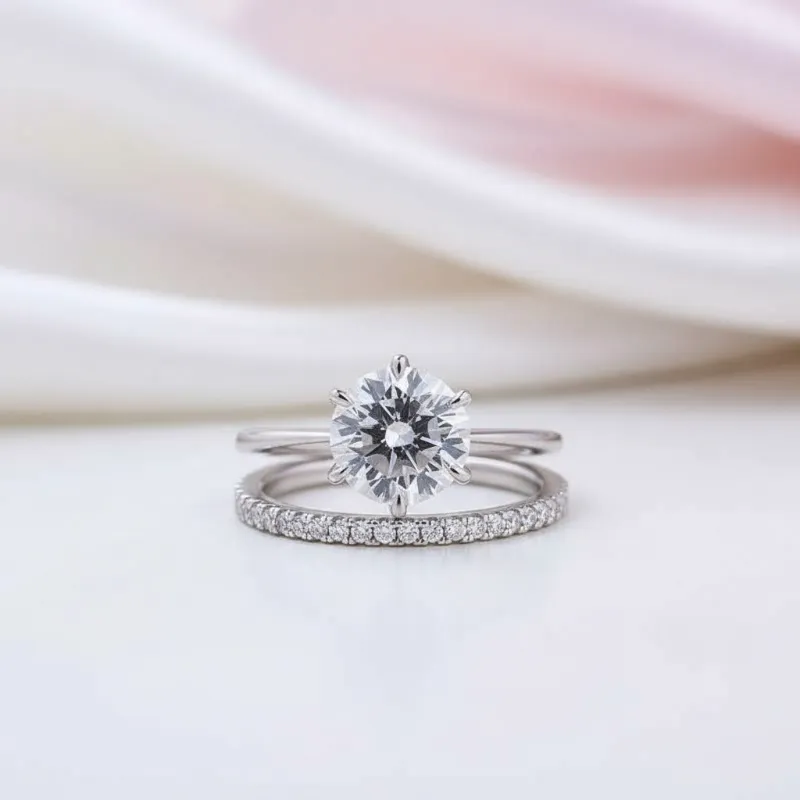
We’ve seen clients pair pear shapes with durable wedding ring sets that include a curved band wrapping around the point, adding an extra layer of metal protection during everyday wear.
Choosing Between Emerald, Princess, and Pear Cuts
Your lifestyle and aesthetic preferences should guide your choice. Princess cut wedding rings deliver brilliant sparkle with four pointed corners, while emerald cuts offer understated Art Deco elegance and superior chip resistance.
Quick decision guide:
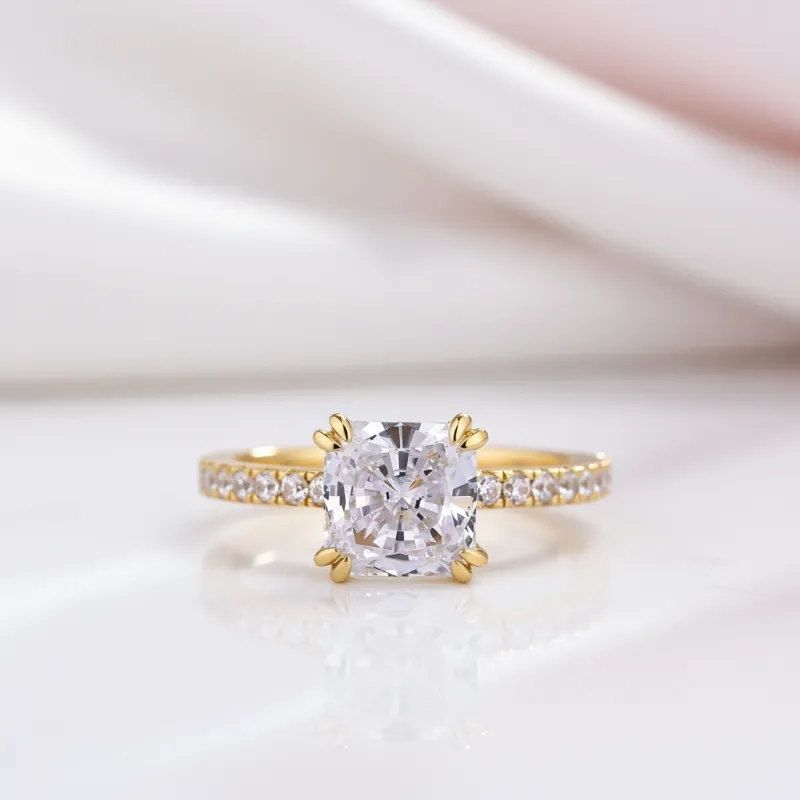
- For maximum durability: Emerald or round cuts with no exposed points
- For modern sparkle with some risk: Ring with princess cut diamond in a protective four-prong setting
- For unique teardrop silhouette: Pear shape with V-prong at the tip, plus careful wear habits
- For vintage lovers: Emerald cut engagement rings white gold or emerald cut engagement rings 2 carat in platinum for durability and timeless style
According to De Beers’ engagement ring guidance, emerald cuts have grown in popularity precisely because they combine vintage appeal with practical wearability. Celebrities and everyday shoppers alike appreciate a shape that doesn’t require constant vigilance.
Setting Styles That Add Extra Protection
The right setting can dramatically reduce chip risk for any diamond shape. Bezel and halo settings surround the stone with metal, while prong settings expose more of the diamond but allow maximum light entry.
Protective setting options:
- Bezel: Metal rim encircles the entire diamond; best protection but hides the side view
- Halo: Ring of smaller diamonds shields the center stone’s edges and makes it appear larger
- Six-prong: Distributes pressure across more points than four-prong; good for round and oval cuts
- Cathedral: Arches lift the center stone, reducing contact with hard surfaces
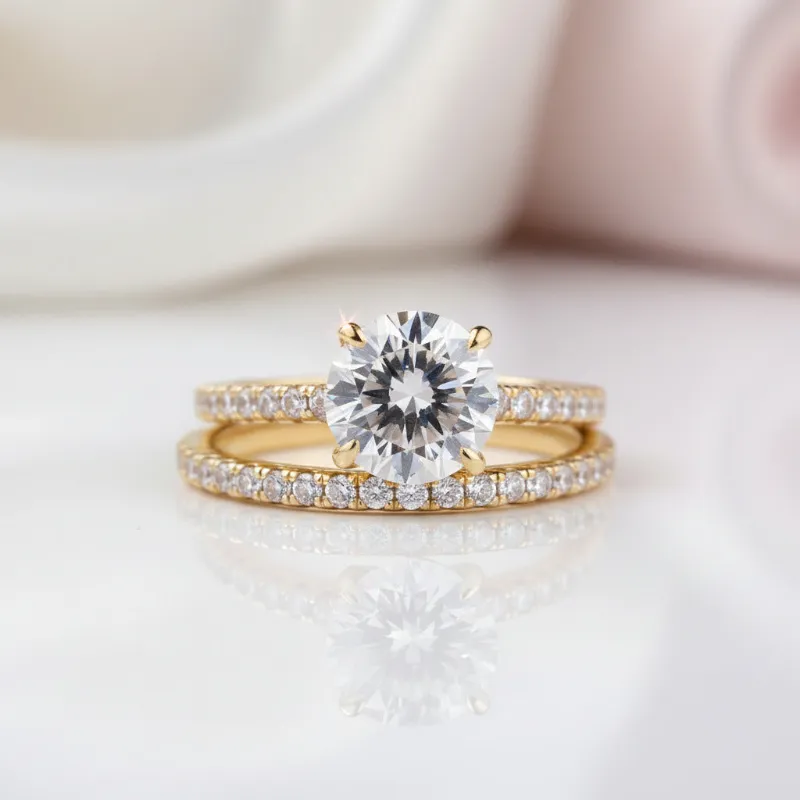
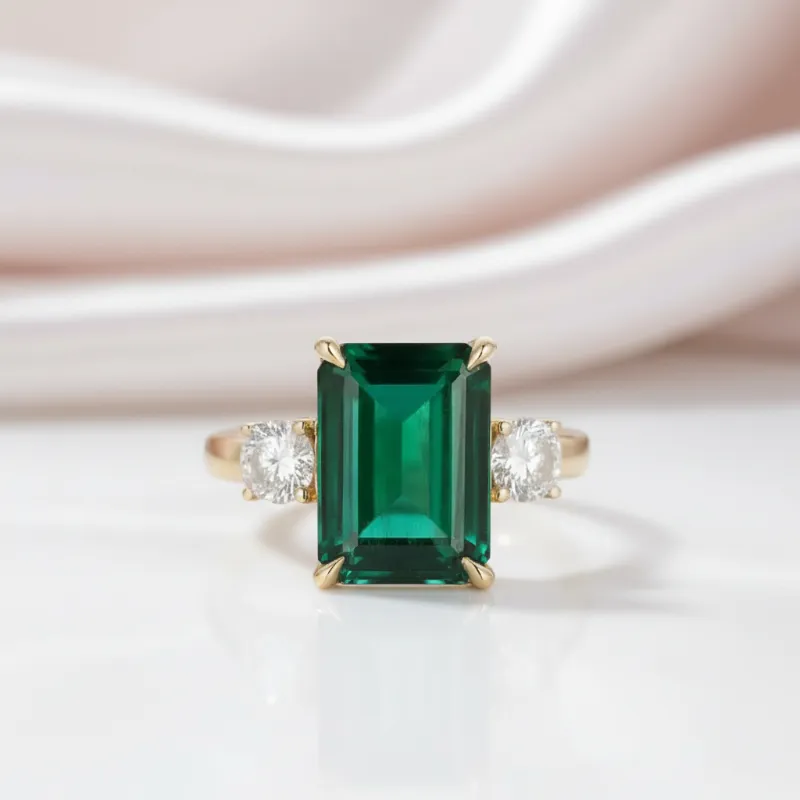
For emerald cuts, a simple four-prong or six-prong setting works beautifully because the beveled corners already minimize risk. Pair your stone with gold wedding rings in 14K or 18K for a balance of durability and color richness. If you want to complete the presentation, a proposal ring box keeps your ring safe until the big moment.
Care Tips for All Engagement Ring Shapes
Even the most durable diamond shape benefits from smart care habits.
Daily care checklist:
- Remove your ring during gym sessions, gardening, or household cleaning
- Store it separately in a soft pouch to prevent diamonds from scratching each other
- Clean weekly with warm water, mild soap, and a soft brush
- Avoid ultrasonic cleaners if your stone has inclusions or fractures
- Insure your ring and keep appraisal documents updated
For those drawn to alternative aesthetics, gothic engagement rings or engagement pink diamond ring designs can incorporate emerald cuts or other durable shapes while expressing individuality. Lab-grown options in emerald cut engagement rings lab grown styles offer identical physical properties to mined diamonds at lower price points, letting you invest in a larger, structurally sound stone.
Whether you choose the secure geometry of an emerald cut or the romantic silhouette of a pear shape, understanding your diamond’s vulnerabilities and protecting them with the right setting and habits will keep your ring beautiful for generations.
Questions
Do emerald cut diamonds chip more easily than round diamonds?
No, emerald cut diamonds are actually less prone to chipping than round cuts because their beveled corners eliminate vulnerable points. The step-cut facets also distribute pressure more evenly across the stone.
What is the most durable engagement ring shape?
Round and oval shapes are the most durable because they have no pointed corners or tips. Emerald and cushion cuts with beveled corners come next, while pear, marquise, and princess cuts require extra setting protection.
Can I wear a pear cut engagement ring every day?
Yes, but you need a V-prong or bezel setting at the pointed tip to protect it from impact. Remove the ring during high-risk activities like sports or manual labor, and have it inspected twice yearly.
Are princess cut diamonds more fragile than emerald cuts?
Yes, princess cuts have four sharp, pointed corners that can chip if struck, while emerald cuts feature cropped corners that deflect impact. Both need secure prong settings, but emerald cuts are inherently more durable.
How do I protect the pointed tip of a pear shape diamond?
Use a V-prong setting that wraps metal around the tip, choose a low-profile mounting, and consider a curved wedding band that adds coverage. Always remove your ring during activities that could cause impact to the point.
Should I choose a halo setting for extra diamond protection?
Halo settings do add a protective ring of metal and smaller diamonds around your center stone, reducing edge exposure. They work especially well for emerald, pear, and marquise cuts while also making the center diamond appear larger.
Products in this guide
 Shopping at Black Diamonds New York? See the discount code
20% OFF Sitewide
Shopping at Black Diamonds New York? See the discount code
20% OFF Sitewide
More in this series
Wedding Ring Sets vs Buying Separately: Which Saves You More Money?17 Sep 20264 minProposal Ring Box Guide: Which Style Works Best for Different Ring Types?17 Sep 20264 minWhat to Look for When Buying a 3 Carat or Larger Diamond Ring17 Sep 20266 min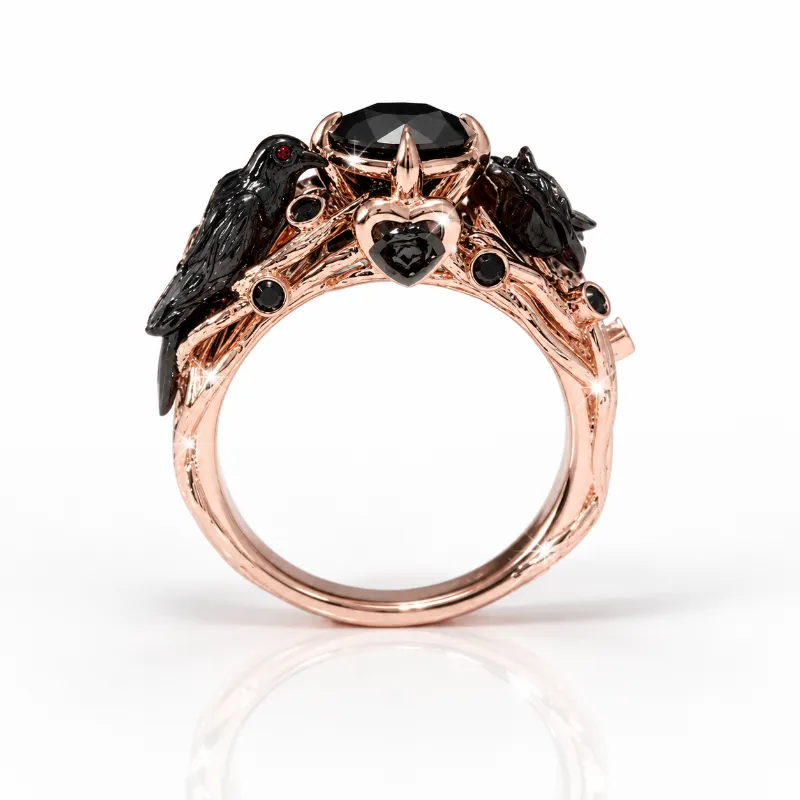 Do Gothic Engagement Rings Hold Their Value Over Time?17 Sep 20265 minHow to Choose Between Emerald Cut vs Princess Cut Diamond Engagement Rings17 Sep 20266 min